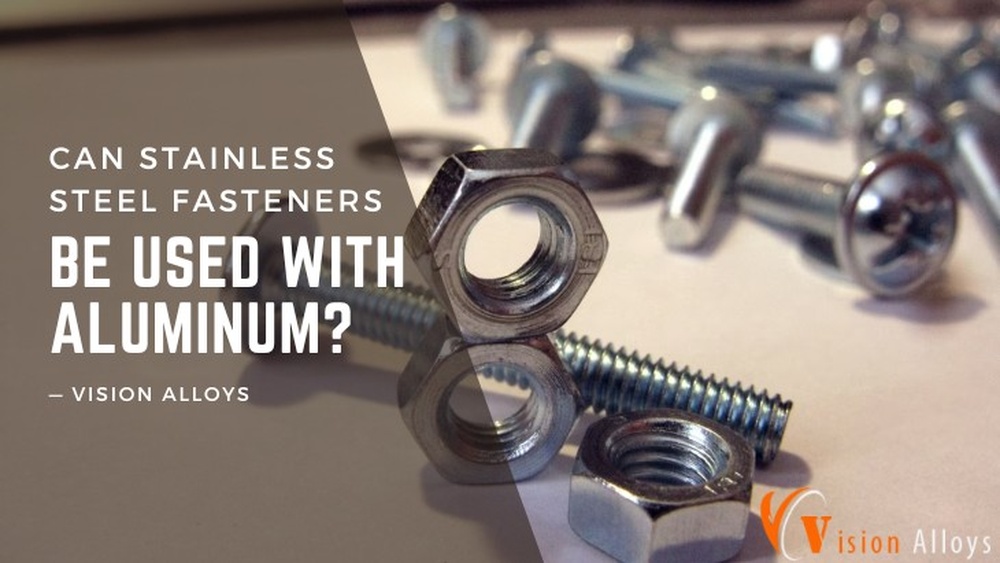
Are you wondering if stainless steel fasteners can be used with aluminum in your next project? This is a common question that many face when working with these two popular metals.
While stainless steel fasteners offer strength and durability, pairing them directly with aluminum can lead to unexpected problems like corrosion. But don’t worry—understanding how these materials interact and the right ways to combine them can save you time, money, and headaches.
You’ll learn the key facts about using stainless steel fasteners with aluminum, why corrosion happens, and smart solutions to keep your connections strong and lasting. Keep reading to make sure your project stands the test of time!
Credit: www.trivantage.com
Galvanic Corrosion Risks
Galvanic corrosion is a key concern when using stainless steel fasteners with aluminum parts. This form of corrosion happens when two different metals touch and create an electrical connection. Moisture or electrolytes act as a bridge, speeding up the corrosion of the less noble metal. In this case, aluminum corrodes faster than stainless steel. Understanding the risks helps prevent premature failure of aluminum components.
Why Aluminum Corrodes Faster
Aluminum is less noble than stainless steel. It acts as the anode in a galvanic cell, losing electrons to the stainless steel cathode. This process causes aluminum to break down and corrode quicker. Stainless steel resists corrosion better due to its composition and protective oxide layer. The difference in metal activity creates a corrosion risk for aluminum.
Effect Of Moisture And Electrolytes
Water and salts increase galvanic corrosion rates. They serve as electrolytes that conduct electricity between metals. When aluminum and stainless steel are exposed to rain, humidity, or salt spray, corrosion accelerates. Dry conditions reduce the risk but do not eliminate it. Protecting joints from moisture is essential to control corrosion.
Impact Of Metal Surface Area Ratio
The size of the metal surfaces affects corrosion speed. A small stainless steel fastener touching a large aluminum part can cause severe corrosion. The small cathode area drives rapid anodic reaction in the larger aluminum area. Balancing surface areas or isolating metals helps reduce galvanic corrosion. Design choices matter in preventing damage.
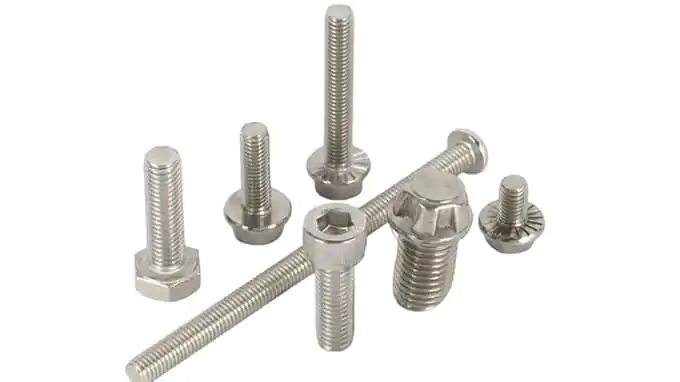
Credit: hrfastener.com
Safe Fastener Choices
Choosing the right fastener is key when joining aluminum parts. Metals react differently when in contact. Some pairs cause corrosion and weaken the joint over time. Understanding which fasteners work best helps extend the life of your project.
Stainless steel fasteners often pair well with aluminum. Care is still needed to avoid corrosion problems. Using the right materials and methods ensures a strong, long-lasting connection.
Using Stainless Steel On Aluminum
Stainless steel fasteners are a common choice for aluminum parts. They provide strength and resist rust. Stainless steel is harder and more durable than aluminum.
Direct contact can cause galvanic corrosion if moisture is present. This happens because aluminum corrodes faster when touching stainless steel. To avoid this, use insulating materials like plastic washers or coatings. These act as a barrier, stopping metal-to-metal contact.
With proper insulation, stainless steel fasteners work safely on aluminum. This method is popular in solar panels and outdoor equipment.
Avoiding Aluminum Fasteners On Steel
Aluminum fasteners should not be used on steel parts. Steel is harder and can cause aluminum fasteners to wear quickly. This leads to joint failure and safety issues.
Aluminum fasteners also corrode faster when in contact with steel. The corrosion weakens the fastener and the whole structure. Choosing steel or stainless steel fasteners for steel parts is safer.
This choice reduces corrosion risk and ensures a strong connection. It also saves time and money on repairs later.
Preventing Corrosion
Preventing corrosion is essential when using stainless steel fasteners with aluminum. These metals react differently in moist or salty environments, causing aluminum to corrode faster. Protecting the aluminum fastener interface extends the lifespan of your project. Several methods help reduce this risk by stopping direct metal contact and limiting electrical currents that cause corrosion.
Insulating Barriers Between Metals
Placing insulating barriers stops metal-to-metal contact. These barriers prevent galvanic corrosion by breaking the electrical path. Common barriers include plastic washers, rubber gaskets, and nylon sleeves. They act as a shield between stainless steel fasteners and aluminum surfaces. This simple step greatly reduces corrosion risks and keeps connections strong.
Types Of Non-conductive Materials
Non-conductive materials block electrical flow between metals. Plastic, nylon, and rubber are popular choices for insulation. These materials resist moisture and wear well over time. They also prevent scratches that expose bare metal. Choosing the right non-conductive material depends on your environment and load requirements.
Applying Anti-seize Compounds
Anti-seize compounds create a protective layer on fastener threads. They reduce friction and prevent corrosion buildup. Applying these compounds between stainless steel fasteners and aluminum parts helps block moisture. It also eases future disassembly and maintenance. Use a high-quality anti-seize designed for metal contact to get the best results.
Benefits Of Anodizing Aluminum
Anodizing adds a thick, protective oxide layer on aluminum surfaces. This layer resists corrosion and improves durability. It also acts as an electrical insulator, reducing galvanic reaction with stainless steel. Anodized aluminum fasteners last longer in harsh environments. This process enhances both appearance and corrosion resistance.
Applications In Industry
Stainless steel fasteners and aluminum often work together in many industries. Their combination requires careful handling to avoid corrosion issues. Proper use extends the life of assemblies and improves safety.
Industries use stainless steel fasteners with aluminum for their strength and resistance to rust. They apply special methods to reduce metal contact and moisture exposure. These practices ensure reliable and durable connections.
Solar Industry Practices
The solar industry frequently combines stainless steel fasteners with aluminum frames. Solar panels need strong, weather-resistant fasteners to hold parts firmly. Stainless steel fasteners resist rust, making them ideal for outdoor use.
Manufacturers often add insulating washers or coatings between the metals. This step stops moisture from causing corrosion where metals touch. Proper grounding of aluminum frames also helps prevent damage.
Automotive And Metalworking Uses
Automotive makers use stainless steel fasteners on aluminum parts to reduce weight and improve fuel efficiency. Fasteners must hold tightly through vibrations and temperature changes. Stainless steel offers the needed strength and corrosion resistance.
Metalworking shops use these fasteners for machines and equipment with aluminum parts. They add barriers or sealants between metals to avoid corrosion. This practice extends machine life and lowers maintenance costs.
Best Installation Practices
Installing stainless steel fasteners with aluminum requires care to avoid corrosion and ensure a strong hold. Following best installation practices helps protect both metals and extends the life of your project. Proper steps during selection, surface prep, and maintenance make all the difference.
Proper Fastener Selection
Choose stainless steel fasteners with corrosion resistance. Use types like 316 stainless steel for harsh environments. Avoid mixing metals that cause galvanic corrosion. Select fasteners with coatings or plating to add protection. Match fastener size and strength to aluminum parts for a secure fit.
Surface Preparation Tips
Clean aluminum surfaces thoroughly before installation. Remove dirt, oil, and oxidation for better adhesion. Use a mild abrasive or chemical cleaner designed for aluminum. Dry the surface completely to prevent moisture buildup. Apply an insulating layer like a plastic washer or coating between metals to block electrical contact and reduce corrosion risk.
Regular Maintenance Checks
Inspect fastened joints regularly to spot early corrosion signs. Tighten loose fasteners to maintain stability. Replace damaged or corroded fasteners promptly. Clean joints to remove dirt and moisture that speed corrosion. Maintain protective coatings and insulating barriers for long-term durability.
:max_bytes(150000):strip_icc()/Screws-b5bd3a018e004551b99f45cb579ae48c.jpg)
Credit: www.woodmagazine.com
Frequently Asked Questions
Can You Use Steel Fasteners On Aluminum?
Steel fasteners can be used on aluminum, but galvanic corrosion may occur. Use insulating barriers like plastic washers and apply anti-seize compounds to prevent corrosion and extend fastener life.
Can I Use Stainless Steel Fittings On Aluminum?
Using stainless steel fittings on aluminum can cause galvanic corrosion due to metal contact and moisture. Prevent this by adding insulating barriers, like plastic washers or coatings, between the metals. Apply anti-seize compounds and consider anodizing aluminum to protect and extend the joint’s life.
Can Stainless Steel And Aluminum Be Bolted Together?
Stainless steel and aluminum can be bolted together with precautions. Use insulating barriers like plastic washers to prevent galvanic corrosion. Apply anti-seize compounds and consider anodizing aluminum to protect against rapid corrosion. Direct contact without protection accelerates aluminum corrosion.
Is It Okay To Use Stainless Steel With Aluminum?
Using stainless steel with aluminum can cause galvanic corrosion if they contact directly. Prevent this by adding insulating barriers like plastic washers or coatings. Use stainless steel fasteners carefully on aluminum, apply anti-seize compounds, and consider anodizing aluminum for better protection.
Conclusion
Stainless steel fasteners can be used with aluminum, but with care. Direct contact causes galvanic corrosion, which damages aluminum quickly. Use plastic washers or coatings to stop metal contact. This prevents rust and keeps connections strong. Always check for moisture exposure to reduce risks.
Proper installation extends the life of both metals. Choosing the right fastener and protection ensures safe use together. This simple step helps avoid costly repairs and failures. Combining these metals works well when you follow these guidelines.