Are you ready to make your electrical projects safer and more organized? Knowing how to install electrical fasteners correctly can save you time, prevent costly mistakes, and keep your wiring neat and secure.
Whether you’re a DIY enthusiast or just starting out, this simple guide will walk you through the steps to get it right every time. Stick with me, and you’ll gain the confidence to handle your electrical fasteners like a pro—your future self will thank you!
Types Of Electrical Fasteners
Electrical fasteners keep wires and cables safe and organized. Different types serve different purposes. Choosing the right fastener makes your installation neat and secure.
Cable Ties
Cable ties are plastic strips that wrap around wires. They hold cables together firmly. Easy to use and remove with scissors. Ideal for bundling wires in tight spaces.
Conduit Clamps
Conduit clamps secure metal or plastic tubes called conduits. They attach conduits to walls or ceilings. Provide strong support and prevent movement. Perfect for protecting electrical wiring inside conduits.
Cable Clips
Cable clips fasten cables directly to surfaces. They have a small nail or adhesive base. Keep cables flat and prevent tangling. Useful for neat cable runs along walls or furniture.
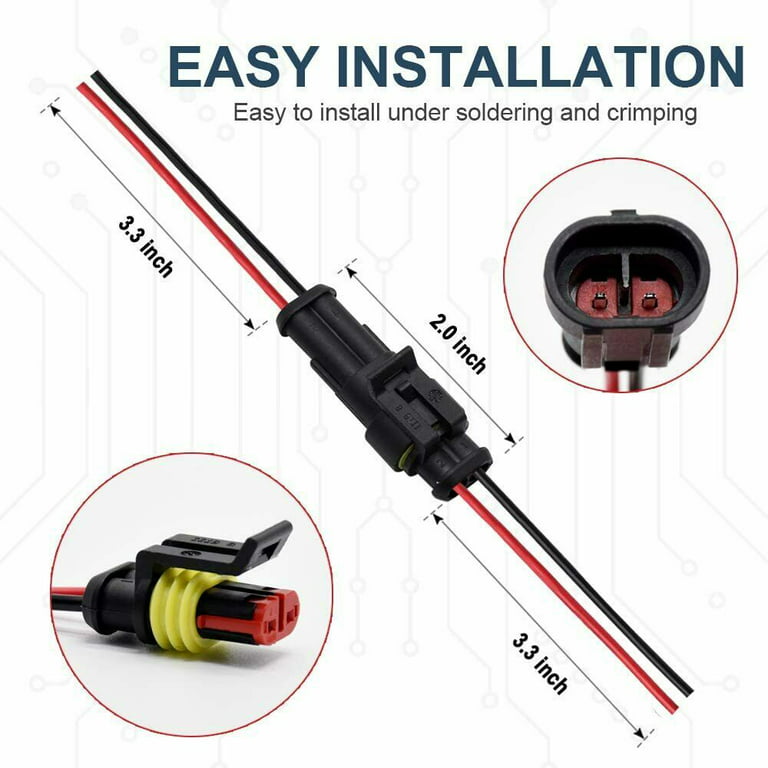
Wire Nuts
Wire nuts connect two or more electrical wires. Twist wires together, then screw on the nut. Create a safe and insulated connection. Commonly used inside electrical boxes for wiring joins.

Credit: robocraftstore.com
Tools Needed For Installation
Installing electrical fasteners requires the right tools. These tools make the job easier and safer. Without them, the work can be slow and risky. This section lists the key tools needed for installation. Each tool plays a specific role in the process.
Wire Strippers
Wire strippers remove the insulation from electrical wires. This exposes the metal inside. It helps to connect wires to fasteners properly. Choose wire strippers that fit your wire size. They make clean cuts without damaging the wire.
Screwdrivers
Screwdrivers tighten or loosen screws on fasteners. Use the correct type, such as flathead or Phillips. This ensures a secure fit. Small screwdrivers work best for tight spaces. Avoid using worn or damaged screwdrivers.
Pliers
Pliers grip, twist, and bend wires during installation. They help hold wires steady while working. Needle-nose pliers are useful for tight areas. Slip-joint pliers adjust to different sizes. Use pliers to create strong connections.
Drill
A drill makes holes for fasteners in walls or panels. Choose a drill with adjustable speed settings. Use drill bits that match fastener sizes. Drills speed up the installation process. They reduce hand strain and improve accuracy.
Preparing The Wiring Area
Preparing the wiring area is a key step before installing electrical fasteners. It ensures safety and makes the work easier. A clean and safe workspace helps avoid accidents and mistakes. Follow simple steps to get ready for the installation.
Turn Off Power
Always turn off the power at the main breaker. This stops electricity from flowing to the wiring area. Use a tester to check if the power is really off. Never skip this step. It keeps you safe from electric shocks.
Clear Workspace
Remove all objects around the wiring area. Clear dust, tools, and debris from the space. A tidy workspace helps you move freely and work faster. It also prevents damage to wires and fasteners.
Inspect Cables
Look closely at the cables before installing fasteners. Check for cuts, cracks, or worn spots. Replace any damaged cables to avoid hazards. Good cables ensure a strong and safe electrical connection.
Step-by-step Installation Process
Installing electrical fasteners correctly ensures cables stay secure and safe. Follow these clear steps for proper installation. Each step helps avoid damage and keeps wiring tidy. This guide shows how to position fasteners, secure cables, avoid over-tightening, and check stability.
Positioning Fasteners
Place fasteners close to cable bends and joints. Keep them spaced evenly along the cable run. Avoid placing fasteners near sharp edges or heat sources. Positioning fasteners right reduces strain on cables and prevents damage.
Securing Cables
Gently lay cables into the fastener clip or strap. Ensure cables sit flat without twisting or pinching. Hold cables firmly but allow slight movement to prevent stress. Proper securing keeps cables organized and prevents accidental pulling.
Avoiding Over-tightening
Tighten fasteners just enough to hold cables securely. Too much pressure can damage cable insulation. Use hand tools or screwdrivers with controlled force. Avoid crushing cables by checking for resistance while tightening.
Checking Stability
After installation, gently tug cables to test hold. Fasteners should keep cables stable without slipping. Inspect fasteners for any cracks or loose parts. Confirm everything stays in place before finishing the job.
Safety Tips For Wiring
Safety is the top priority when installing electrical fasteners. Proper wiring reduces risks of shocks, fires, and damage. Follow these key safety tips to keep your work safe and reliable.
Wear Protective Gear
Always wear gloves to protect your hands from sharp edges. Safety glasses shield your eyes from sparks and debris. Use insulated tools to avoid electric shocks. Dress in long sleeves and sturdy shoes for full protection.
Follow Electrical Codes
Electrical codes set clear rules for safe wiring. Use the right fasteners that meet local standards. Check the codes before starting your project. Proper compliance prevents hazards and ensures long-lasting work.
Use Quality Fasteners
Choose fasteners made from strong, durable materials. Avoid cheap or damaged fasteners that can fail easily. Quality fasteners hold wires securely and reduce the risk of loose connections. This helps maintain a safe electrical system.
Regular Inspections
Inspect your wiring and fasteners often. Look for signs of wear, corrosion, or loose parts. Fix any issues immediately to avoid accidents. Regular checks keep your electrical setup safe and working well.
Credit: www.walmart.com
Common Mistakes To Avoid
Installing electrical fasteners requires care and attention. Many beginners make simple mistakes that cause problems later. Avoiding these errors saves time and keeps your work safe. Focus on the basics and follow best practices.
Using Wrong Fasteners
Choosing the wrong fastener weakens the electrical setup. Use fasteners made for electrical cables only. Metal fasteners can damage wires if used incorrectly. Plastic clips or straps are safer for insulation. Always check the size and type before buying.
Ignoring Cable Bends
Cables need gentle bends to avoid damage. Sharp bends pinch wires and cause breaks inside. Keep cable bends wide and smooth. Use fasteners that hold cables without squeezing them. This keeps electricity flowing safely and steadily.
Neglecting Power Shutoff
Always turn off power before starting work. Electricity can cause serious injury or shock. Test wires with a voltage tester to confirm power is off. Never assume wires are safe without checking. Safety first to protect yourself and others.
Overcrowding Wires
Do not cram too many wires in one fastener. Overcrowding causes heat buildup and damage. Leave space for wires to move slightly. Spread wires evenly along the fasteners. Proper spacing prevents short circuits and extends wire life.
Maintaining Installed Fasteners
Maintaining installed electrical fasteners is essential for safety and performance. Over time, fasteners can loosen or get damaged. Regular care helps avoid electrical failures and accidents. Proper maintenance also extends the life of fasteners and connected parts.
Routine Checks
Check fasteners regularly to ensure they remain tight and secure. Look for any signs of rust or corrosion. Inspect connections for any movement or wear. Tighten loose fasteners to prevent electrical issues. Routine checks help catch problems early before they worsen.
Replacing Damaged Parts
Replace fasteners that show cracks, rust, or deformities immediately. Damaged fasteners can cause loose connections or electrical shorts. Use the correct size and type for replacements. Never reuse fasteners that are bent or stripped. Proper replacement keeps the system safe and reliable.
Cleaning Fasteners
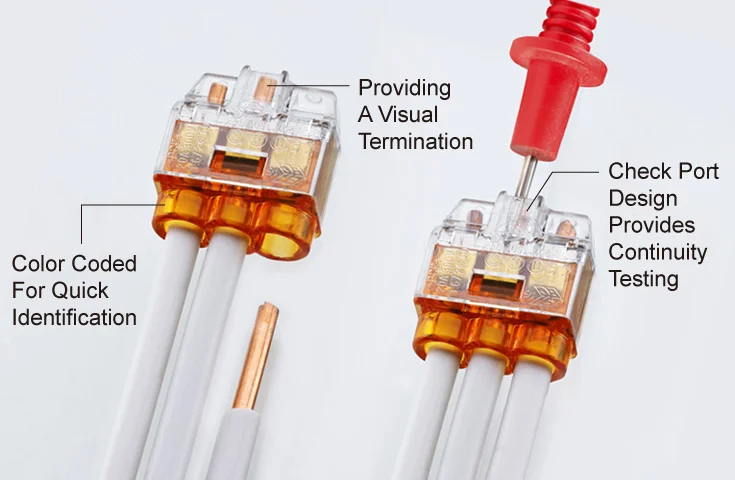
Clean fasteners to remove dirt, dust, and oxidation. Use a soft brush or cloth for cleaning. Avoid harsh chemicals that may damage the fastener material. Clean fasteners improve electrical contact and reduce resistance. Keep fasteners dry to prevent rust and corrosion.
Credit: www.hwlok.com
Frequently Asked Questions
What Tools Are Needed To Install Electrical Fasteners?
To install electrical fasteners, you need a drill, screwdriver, wire stripper, and pliers. Safety gloves and goggles are recommended. Using the right tools ensures secure and efficient installation, preventing damage to wires or fasteners.
How Do I Choose The Right Electrical Fasteners?
Select fasteners based on wire size, material, and environment. Use insulated fasteners for electrical safety. Match fasteners to the surface type for secure attachment and durability.
Can I Install Electrical Fasteners Myself Safely?
Yes, you can install electrical fasteners safely by turning off power first. Follow manufacturer instructions carefully. Use proper tools and wear safety gear to avoid accidents or damage.
How To Maintain Installed Electrical Fasteners?
Regularly inspect fasteners for looseness or corrosion. Tighten or replace damaged fasteners promptly. Keeping fasteners secure prevents electrical hazards and ensures long-term reliability.
Conclusion
Installing electrical fasteners is easier than it seems. Follow steps carefully and use the right tools. Safety matters most, so always turn off power first. Check connections to avoid loose or faulty setups. Practice helps build confidence and skill. Soon, you will handle installations with ease.
This guide gives a clear path to success. Keep learning and stay safe while working. Your projects will look neat and stay secure. A small effort leads to a strong, lasting result.