Have you ever struggled with buttons that won’t fasten or zippers that get stuck? Hook and loop fasteners can be the simple solution you need.
They make closing, opening, and adjusting things quick and easy. Whether you’re fixing clothes, organizing cables, or creating DIY projects, knowing how to use these fasteners can save you time and frustration. Keep reading, and you’ll discover practical tips that will help you make the most of hook and loop fasteners in your daily life.
Types Of Hook And Loop Fasteners
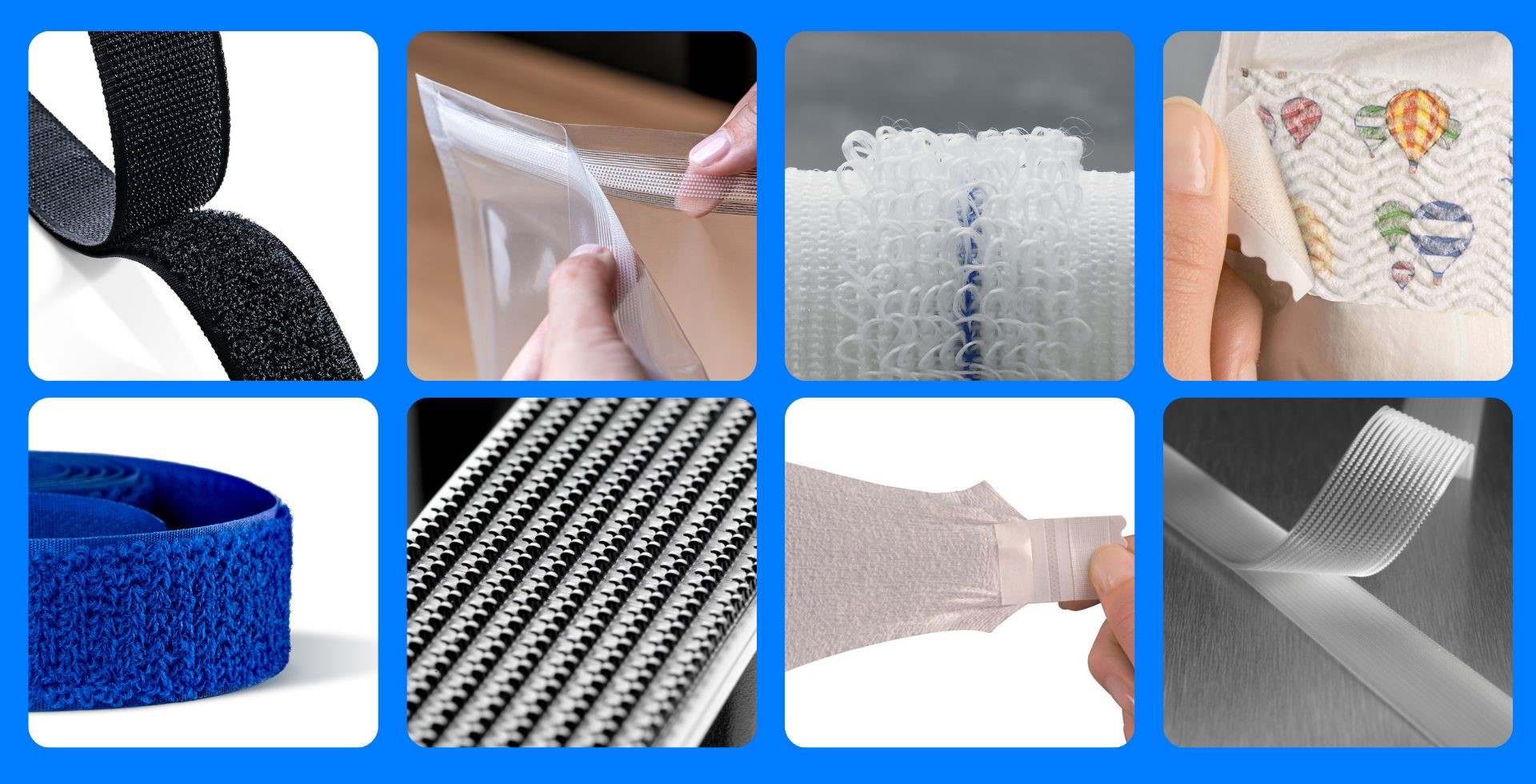
Hook and loop fasteners come in different types. Each type has unique features and uses. Choosing the right type helps the fastener work best for your needs.
Standard Hook And Loop
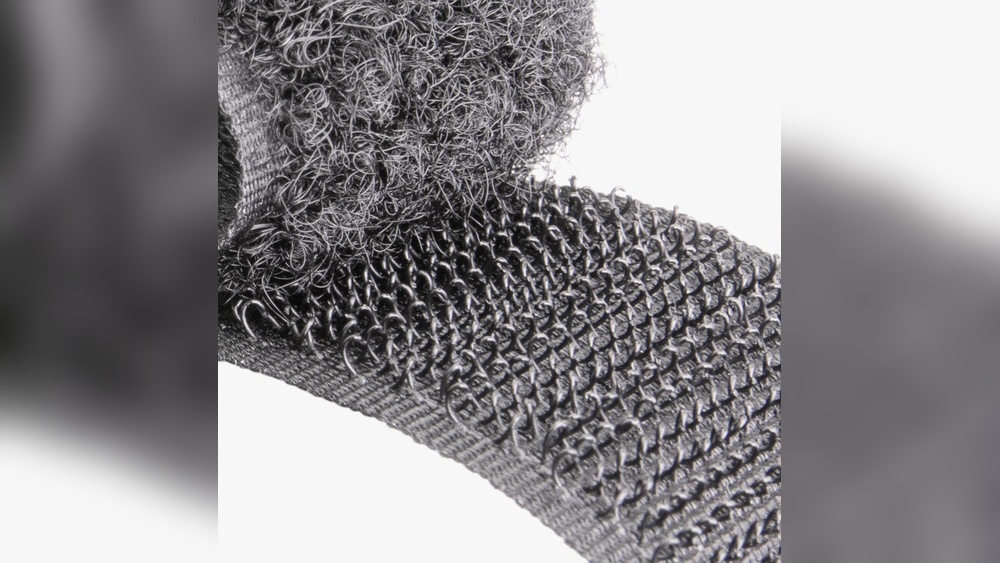
The standard hook and loop fastener is the most common type. It has tiny hooks on one side and soft loops on the other. These hooks catch the loops to create a strong hold. It works well for clothes, bags, and light crafts.
Heavy-duty Variants
Heavy-duty hook and loop fasteners are stronger and thicker. They use larger hooks and loops for a tighter grip. These fasteners hold up under stress and weight. Ideal for outdoor gear, sports equipment, and industrial use.
Specialty Fasteners
Specialty fasteners include fire-resistant, adhesive-backed, or waterproof types. Each serves a specific purpose or environment. Some stick to smooth surfaces without sewing. Others resist heat or water for tough conditions.
Choosing The Right Fastener
Choosing the right hook and loop fastener is key to a strong hold and long-lasting use. Different projects need different types of fasteners. Selecting the best one depends on the material, strength needed, and where it will be used. Understanding these factors helps find the perfect fastener for your task.
Material Compatibility
Check the surfaces where you will attach the fastener. Some fasteners stick better to fabric, while others work well on plastic or metal. Make sure the fastener matches the material type. Using the wrong one may cause it to peel off or fail.
Strength Requirements
Decide how much weight or stress the fastener must hold. Light tasks need less strong fasteners. Heavy or frequent use needs stronger ones. Choose a fastener that can handle the force without coming apart.
Environmental Factors
Consider where the fastener will be used. Indoor fasteners differ from outdoor ones. Moisture, heat, or cold can affect the fastener’s grip. Pick a fastener designed to resist these conditions for better durability.
Cutting And Preparing Fasteners
Cutting and preparing hook and loop fasteners is an important step for a clean, secure fit. Proper preparation helps the fastener work well and last longer. Take time to measure and cut carefully. Seal the edges to stop fraying and keep the fastener strong.
Measuring Length
Measure the area where the fastener will attach. Use a ruler or tape measure for accuracy. Cut the fastener slightly longer than needed. This gives room for adjustments. Mark the length with a pen or chalk before cutting.
Safe Cutting Techniques
Use sharp scissors or a utility knife for clean cuts. Cut on a flat surface to avoid slips. Hold the fastener firmly while cutting. Cut slowly and steadily for straight edges. Keep fingers clear of the blades to stay safe.
Edge Sealing Tips
Seal the cut edges to prevent fraying. Use a lighter or candle flame briefly near the edges. Do not touch the flame directly to the fastener. Melt the fibers just enough to seal. Another option is applying clear nail polish on edges for protection.

Credit: www.3m.com
Attaching Fasteners Without Sewing
Attaching hook and loop fasteners without sewing offers a quick and easy way to add closures. This method works great for those who do not have a sewing machine or want a no-sew option. Adhesive-backed fasteners stick firmly to many surfaces. Following a few simple steps ensures a strong hold and lasting use.
Using Adhesive Backing
Many hook and loop fasteners come with an adhesive layer on the back. This sticky side allows you to attach the fastener to fabric, plastic, wood, or metal. Peel off the protective paper before pressing the fastener onto the surface. Choose the right adhesive type for your project to avoid peeling or poor grip.
Surface Preparation
Clean the surface before applying the fastener. Dirt, dust, and oils reduce the adhesive strength. Use rubbing alcohol or a mild cleaner and let the surface dry completely. For fabric, make sure it is smooth and flat. Preparing the surface well increases the fastener’s grip and durability.
Pressing And Curing
Press the fastener firmly onto the surface. Apply even pressure for about 30 seconds. This helps the adhesive bond better. Let the fastener cure for at least 24 hours before use. Avoid pulling or stressing the fastener during this time to ensure a strong attachment.
Sewing Hook And Loop Fasteners
Sewing hook and loop fasteners is a simple way to add closures to many fabric projects. These fasteners come in two parts: the hook side and the loop side. Both parts need to be sewn securely for the fastener to work well.
Using hook and loop fasteners makes opening and closing items easy. You can sew them on clothes, bags, or home decor. This section explains how to sew these fasteners by hand and machine. It also covers tips for securing their edges to last longer.
Hand Sewing Basics
Start by cutting the fastener to the right size. Pin it to the fabric where you want it. Use a strong needle and thread that matches your fabric.
Sew small, tight stitches around the edges. Make sure the stitches go through both the fastener and fabric. This keeps the fastener firmly attached. Avoid sewing over the hooks or loops themselves.
Machine Sewing Tips
Set your sewing machine to a straight stitch or zigzag stitch. Attach the fastener to the fabric with pins or clips first. Sew slowly, guiding the fabric evenly under the needle.
Backstitch at the start and end to lock your stitches. Use a denim or heavy-duty needle if the fastener is thick. This prevents needle breakage and keeps stitches neat.
Securing Edges
Fastener edges can fray over time without care. Fold the edges under slightly before sewing for a clean finish. Use extra stitches at the corners to stop peeling.
Try sewing over the edges multiple times. This strengthens the hold and stops the fastener from lifting. Trim any loose threads after sewing for a tidy look.
Credit: www.aplix.com
Creative Uses For Fasteners
Hook and loop fasteners offer more than just simple sticking power. They open a world of creative uses around your home and daily life. These fasteners are easy to use, reusable, and gentle on fabrics and surfaces. Their versatility makes them perfect for different tasks.
Clothing Adjustments
Use hook and loop fasteners to fix loose hems or tight sleeves. They help secure scarves, belts, and hats without sewing. Kids’ clothes benefit from adjustable straps using these fasteners. They are gentle on delicate fabrics and easy to remove.
Home Organization
Organize cables by bundling them with hook and loop strips. Attach remote controls or small tools to walls or furniture. Use them to hang lightweight items on walls without nails. These fasteners keep your space tidy and clutter-free.
Diy Projects
Create custom closures for bags, boxes, and craft projects. Add them to fabric art pieces for easy assembly and display. They help attach decorations to surfaces without damage. Hook and loop fasteners make DIY work simple and neat.
Maintaining Fastener Longevity
Maintaining the longevity of hook and loop fasteners extends their usefulness and keeps them working well. Proper care prevents the fasteners from losing grip or becoming damaged quickly. Small actions can make a big difference in how long these fasteners last.
Cleaning Techniques
Remove dirt and debris regularly to keep fasteners sticky. Use a soft brush or a fine-tooth comb to clear out lint and hair. Avoid harsh chemicals that can wear down the material. Light soap and water work well for cleaning without damage. Let them dry completely before use to prevent mold or mildew.
Avoiding Damage
Do not force the fasteners apart roughly. Pull gently to keep hooks and loops intact. Avoid exposing them to high heat or direct sunlight for long periods. Keep sharp objects away to prevent snagging or tearing. Use only on recommended surfaces to avoid unnecessary wear.
Storage Suggestions
Store fasteners in a cool, dry place to prevent moisture damage. Keep them closed to stop dust and lint buildup. Avoid folding or crushing the fastener strips during storage. Use a container or bag to protect them from dirt. Proper storage helps maintain their grip and shape over time.
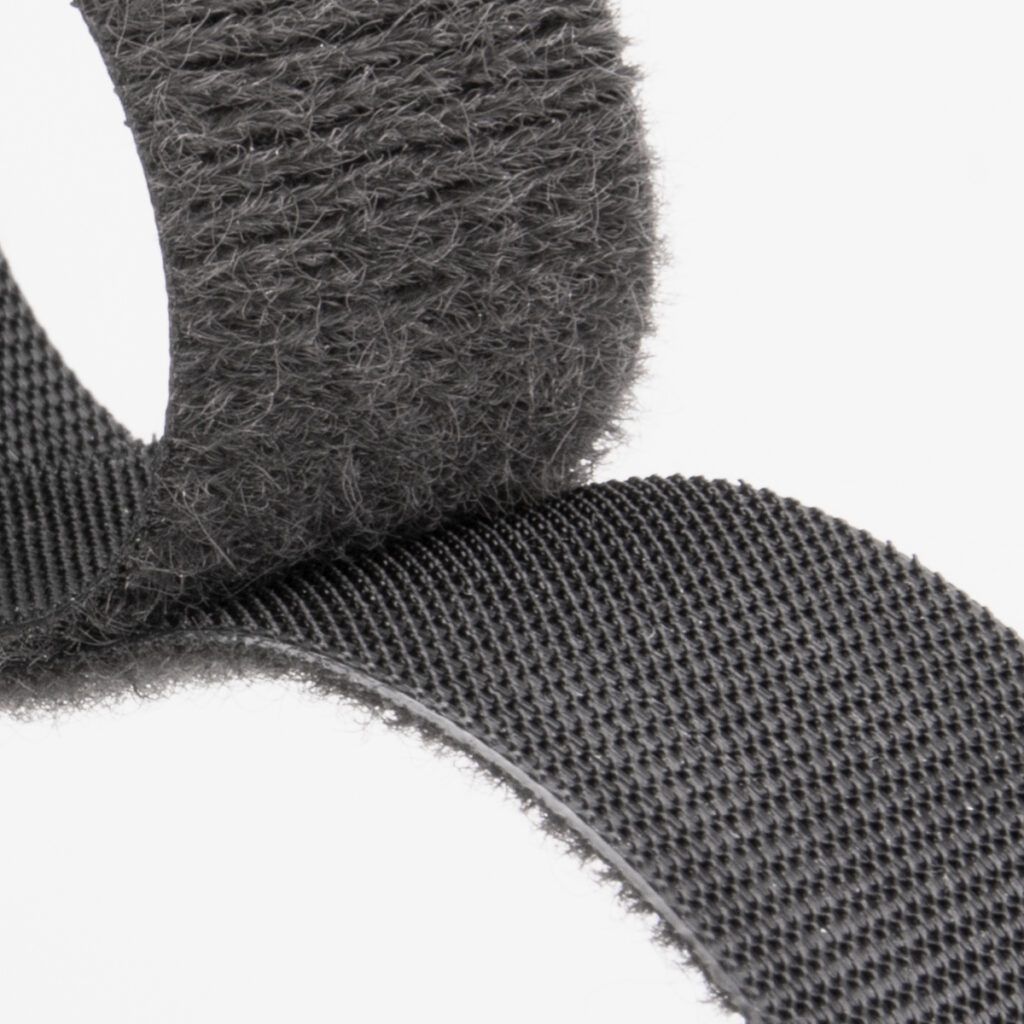
Credit: www.velcro.com
Troubleshooting Common Issues
Troubleshooting common issues with hook and loop fasteners helps keep them working well. Problems can happen after regular use. Fixing these issues can make your fasteners last longer and work better.
Loose Fastening
Loose fastening happens when the hooks and loops do not grip tightly. Dirt or lint may block the hooks from catching the loops. Clean both sides with a brush or tape to remove debris. Press the fastener firmly to make a strong hold.
Wear And Tear
Wear and tear happen after frequent opening and closing. Hooks may bend or break, and loops may flatten. This reduces the fastener’s strength. Check your fastener often to spot any damage early. Replace it if the grip feels weak.
Replacing Worn Sections
Cut out the worn section carefully with scissors. Measure the size needed before cutting. Attach a new piece by sewing, gluing, or using adhesive backing. Make sure the new section aligns well with the old part for a tight fit.
Frequently Asked Questions
What Are Hook And Loop Fasteners Used For?
Hook and loop fasteners are used to attach objects temporarily. They are common in clothing, shoes, bags, and home organization. They provide easy, adjustable fastening without buttons or zippers, making them versatile for many applications.
How Do You Properly Attach Hook And Loop Fasteners?
Align the hook side with the loop side, then press firmly. Ensure both sides fully contact each other for strong adhesion. This simple step ensures the fastener holds securely.
Can Hook And Loop Fasteners Be Washed And Reused?
Yes, hook and loop fasteners are washable and reusable. They maintain their grip after multiple washes and uses. Avoid high heat during drying to preserve their effectiveness.
How Strong Is The Hold Of Hook And Loop Fasteners?
The hold strength varies by type but can support moderate weight. Industrial versions hold heavier items, while standard ones suit lighter tasks. Proper alignment enhances their grip strength.
Conclusion
Hook and loop fasteners offer a simple way to join materials quickly. They work well for clothes, shoes, and many household items. Using them saves time and effort. You can cut them to fit any size or shape you need.
Clean surfaces help the fasteners stick better. Try different types to find the best fit for your project. These fasteners make fixing things easier and faster every day. Give them a try and see how handy they can be.