Have you ever wondered if you can hammer corrugated fasteners without ruining them or your project? If you’re working on roofing or siding, knowing the right way to handle these fasteners can save you time, money, and frustration.
You’ll discover the best techniques to use corrugated fasteners effectively, what to avoid, and how to get the job done right the first time. Keep reading to make sure your next project stays strong and secure.

Credit: www.ironwirenails.com
Corrugated Fasteners Basics
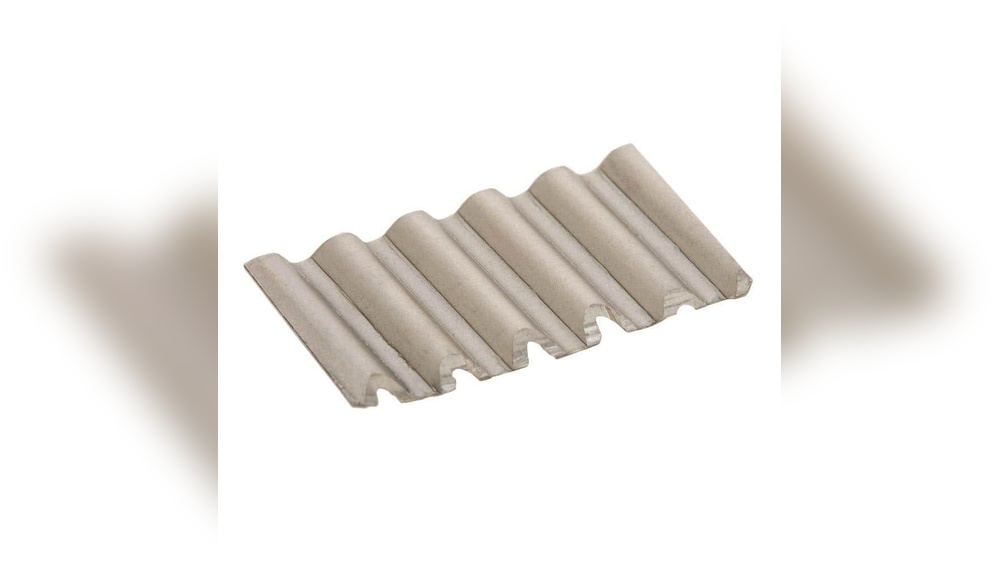
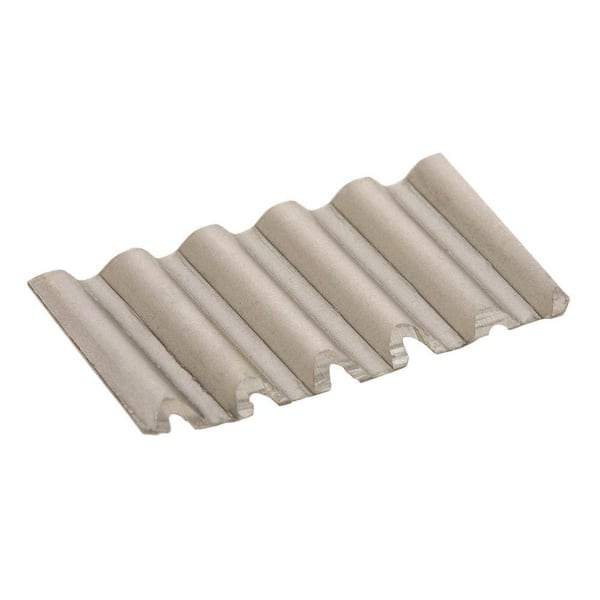
Corrugated fasteners are simple yet strong connectors. They help join materials like wood and metal. Understanding their basics can guide you on proper use and handling. These fasteners come in different shapes and sizes. Each type fits specific needs. Knowing their uses ensures the right choice for your project.
Types Of Corrugated Fasteners
Corrugated fasteners vary by design and function. Some have sharp teeth for gripping wood. Others have flat surfaces for metal sheets. The most common types include nails, staples, and clips. Each type offers unique strength and flexibility. Choose based on material and load requirements.
Common Uses And Applications
These fasteners often secure roofing panels and siding. Builders use them in framing and decking. They hold thin metal sheets tightly in place. Corrugated fasteners also work well in furniture assembly. Their grip prevents materials from slipping or moving. Ideal for projects needing quick and firm attachment.
Hammering Corrugated Fasteners
Hammering corrugated fasteners is a common method in construction and DIY projects. These fasteners hold materials like roofing sheets and wood panels together. Using a hammer can speed up the process and secure the fasteners firmly. Proper technique and tools ensure the job is done right without damage.
When Hammering Is Appropriate
Hammering works well for lightweight materials and thin fasteners. It fits small projects or repairs. Avoid hammering thick or heavy-duty fasteners. They may need special tools or screws for a tight hold. Use hammering only when the fastener matches the material and task.
Tools Needed For Hammering
A standard claw hammer suits most corrugated fasteners. Choose one with a comfortable grip and medium weight. A rubber mallet can help prevent damage on delicate surfaces. Safety glasses protect eyes from flying debris. Have a flat surface to keep the material steady during hammering.
Techniques For Hammering
Hammering corrugated fasteners requires care and the right technique. Using the correct method ensures the fasteners hold strong and last long. Poor hammering can bend or break the fasteners. It can also damage the materials being joined. Below are key techniques to hammer corrugated fasteners effectively.
Proper Hammering Angle
Hold the hammer so the face hits the fastener straight. Aim for a 90-degree angle to the surface. This angle pushes the fastener in evenly. It prevents bending or slipping. Avoid hitting from the side or at an angle. That can weaken the fastener or cause it to miss the target.
Avoiding Damage To Fasteners
Use a hammer with a smooth face to avoid marks. Do not strike too hard at first. Light taps start the fastener in place. Increase force gradually as it goes deeper. If the fastener bends, stop and straighten it. Bent fasteners lose strength and may fail over time.
Securing Fasteners Firmly
Drive the fastener until its head is flush with the surface. Do not overdrive; that can weaken the hold. The fastener should not move when pulled. Check after hammering by gently testing its grip. A firm fastener keeps corrugated sheets tightly joined. This prevents leaks and improves stability.
Credit: www.homedepot.com
Alternatives To Hammering
Hammering corrugated fasteners might not always be the best choice. It can cause damage or lead to poor fastening. Many safer and easier methods exist to secure these fasteners firmly. These alternatives reduce effort and improve results.
Using Power Tools
Power tools offer quick and strong fastening. Electric nail guns or impact drivers work well. They drive fasteners evenly without bending or breaking. These tools save time and reduce hand fatigue. They also help achieve a tighter fit than hammering.
Specialized Fastening Methods
Some fasteners need specific tools or techniques. Screw-fastened clips or rivet systems provide secure holds. These methods prevent damage to corrugated material. They create stable, long-lasting connections. Using the right method improves overall project quality and safety.
Common Mistakes To Avoid
Using corrugated fasteners with a hammer may seem simple, but many make common mistakes. These errors can damage the fasteners or the materials you work with. Avoiding these mistakes helps achieve a strong hold and a clean finish.
Over-hammering Risks
Hitting the fastener too many times can weaken it. The metal may bend or break under too much force. Over-hammering can also damage the corrugated surface, causing cracks or dents. Stop hammering as soon as the fastener sits flush and secure.
Incorrect Fastener Selection
Using the wrong fastener size or type can lead to poor results. Fasteners that are too long can puncture through the material. Too short fasteners won’t hold properly. Choose fasteners designed for corrugated surfaces to ensure a tight fit.
Maintenance After Installation
Maintenance after installation keeps corrugated fasteners secure and effective. Regular checks help spot issues early. Proper care extends the life of your fasteners and the material they hold.
Checking Fastener Stability
Inspect fasteners regularly for any movement or loosening. Use a gentle shake or tap to test firmness. Look for signs of rust or wear on the fastener head. Check the surrounding material for cracks or damage. Tight fasteners prevent leaks and structural problems.
Repairing Loose Fasteners
Loose fasteners reduce the strength of your installation. Remove the loose fastener carefully to avoid damage. Replace it with a new fastener of the same type and size. Use a hammer or screwdriver to secure it firmly. Tightening loose fasteners keeps your structure safe and stable.

Credit: aerocavlogistics.com
Frequently Asked Questions
Can You Hammer Corrugated Fasteners Safely?
Yes, you can hammer corrugated fasteners carefully. Use a proper hammer and strike gently to avoid damaging the material or fastener. Ensure the surface is stable and wear safety gear for protection.
What Tools Are Best For Corrugated Fasteners?
A claw hammer or a rubber mallet works best for corrugated fasteners. These tools allow controlled force, reducing damage risk. Avoid heavy or power tools to maintain fastener integrity.
Will Hammering Damage Corrugated Fasteners?
Hammering can damage corrugated fasteners if done incorrectly. Excessive force may bend or break the fastener. Always hammer gently and evenly for secure and lasting attachment.
Can Hammering Corrugated Fasteners Affect Durability?
Yes, improper hammering can reduce fastener durability. Over-hammering weakens the material and causes premature failure. Proper technique ensures strong, long-lasting fastening.
Conclusion
Hammering corrugated fasteners can work but needs care and the right tools. Using a hammer without caution might damage the fastener or the material. Nails designed for corrugated surfaces often fit better and hold stronger. Choose the right fastener to match your project needs.
Always check the fastener’s instructions before starting. Proper technique helps avoid mistakes and ensures a secure hold. Small steps can save time and prevent problems later. Keep your work steady and use safety gear. This way, your project stays safe and lasts longer.