Are you struggling to get rid of stubborn Scotch fasteners without damaging your surfaces? You’re not alone.
These handy little strips can be tough to remove, leaving behind sticky residue or even tearing your walls or fabric. But don’t worry—removing Scotch fasteners doesn’t have to be a frustrating hassle. You’ll discover simple, effective methods to make the process quick and painless.
Keep reading, and you’ll learn how to say goodbye to those pesky fasteners for good—without any stress or damage.
Tools Needed
Removing Scotch fasteners requires the right tools for a smooth process. Using proper tools helps avoid damage to surfaces and saves time. Gather tools before starting to make the job easier.
Basic Household Items
Many common tools found at home can help remove Scotch fasteners. A butter knife or plastic card can gently lift edges. Rubbing alcohol softens adhesive for easier removal. Cotton balls or cloth apply the alcohol safely. Warm soapy water helps clean sticky residue after removal.
Specialized Removal Tools
Special tools make removing Scotch fasteners faster and safer. A plastic scraper or putty knife reduces surface damage. Adhesive remover gel targets stubborn glue without harsh chemicals. Heat guns or hair dryers soften adhesive for easier peeling. These tools work well on delicate or textured surfaces.
Preparation Steps
Preparing to remove Scotch fasteners is key for a smooth process. Taking time to get ready helps avoid damage and makes removal easier.
Start by organizing your space and tools. This step saves time and reduces frustration.
Clean The Area
Remove dust and dirt from around the fastener. Use a soft cloth and mild cleaner. This helps you see the fastener clearly.
Cleaning also prevents dirt from sticking to the adhesive. It protects the surface during removal.
Gather Supplies
Collect all items needed for removal. Common supplies include a hair dryer, rubbing alcohol, and a plastic scraper.
Having everything ready avoids interruptions. It makes the process faster and safer.
Manual Removal Techniques
Removing Scotch fasteners manually requires patience and care. The goal is to avoid damage to the surface beneath. These techniques focus on gentle methods that work well for most surfaces. They do not require special tools or harsh chemicals.
Peeling Off Slowly
Start by lifting one edge of the fastener gently. Use your fingernail or a flat tool to avoid tearing. Pull the fastener back slowly at a low angle. This helps reduce stress on the surface below. If the fastener resists, pause and try again after a moment. Slow peeling prevents residue and surface damage. Take your time and keep the pull steady.
Using Heat For Softening
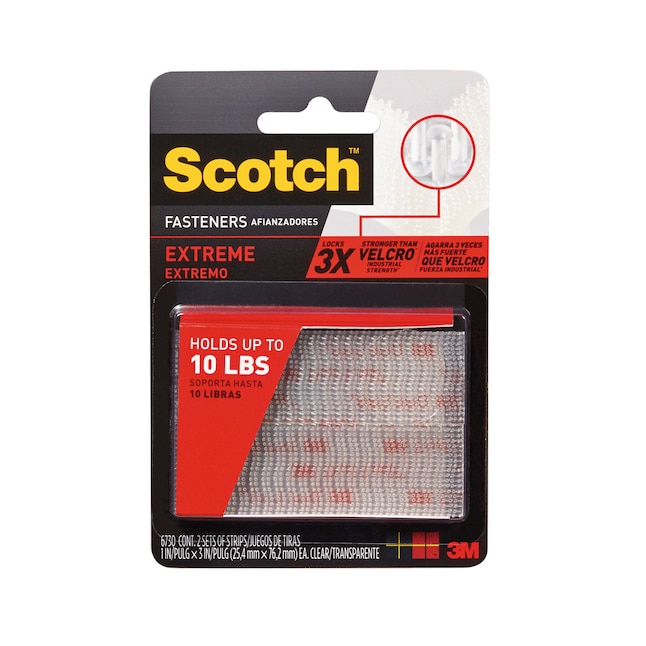
Heat makes the adhesive softer and easier to remove. Use a hairdryer on low or medium heat. Hold it a few inches away from the fastener. Move the heat source slowly across the area for about 30 seconds. Test the fastener’s edge to see if it lifts easily. Warm adhesive stretches and peels off with less force. Avoid overheating to protect the surface. Heat works best combined with slow peeling.
Credit: www.lowes.com
Chemical Removal Methods
Chemical removal methods work well for getting rid of Scotch fasteners. These methods use special liquids to break down the sticky glue. They help loosen the fastener without causing damage to surfaces. Using chemicals requires care and the right products. Always test a small area first to avoid harm.
Applying Adhesive Removers
Adhesive removers are made to dissolve glue quickly. Apply a small amount to the fastener with a cotton ball or cloth. Let it sit for a few minutes. The glue will soften and become easier to peel off. Use a plastic scraper to lift the fastener gently. Clean the area with warm soapy water afterward.
Using Rubbing Alcohol Or Acetone
Rubbing alcohol and acetone can also break down Scotch fastener glue. Dab some on a cloth and press it on the fastener. Wait a few minutes for the liquid to work. The glue will start to loosen. Rub the area gently to remove the residue. Avoid using acetone on painted or plastic surfaces. Always test a hidden spot first to ensure no damage occurs.
Preventing Damage
Removing Scotch fasteners can be tricky. Without care, surfaces may get damaged. Taking steps to protect your items helps keep them safe and clean. Avoid damage by handling fasteners gently and using the right methods.
Protecting Surfaces
Place a soft cloth under the fastener before removal. This prevents scratches on walls or furniture. Use a plastic card to lift edges gently. Avoid metal tools that can dig into surfaces. Test a small hidden area first to check for damage.
Avoiding Excessive Force
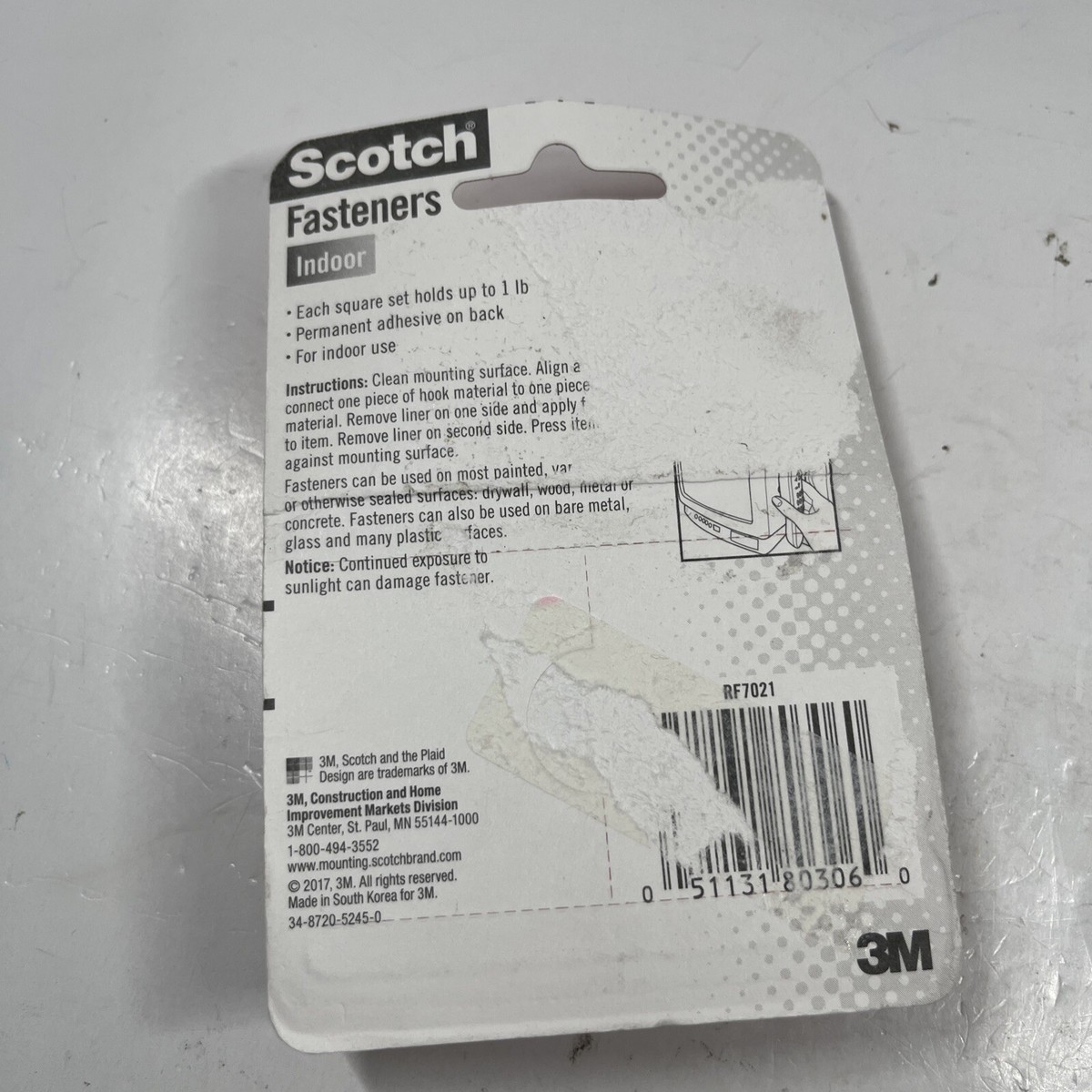
Pulling too hard can tear paint or paper. Slowly peel the fastener back at a low angle. Warm the adhesive slightly with a hairdryer to loosen it. Take your time and work in small sections. This reduces the risk of leaving marks or pulling off paint.
Credit: www.ebay.com
Cleaning Residue
After removing Scotch fasteners, sticky residue often remains on surfaces or fabric. This leftover adhesive can attract dust and dirt, making the area look messy. Cleaning this residue carefully protects your items and keeps them neat. Follow simple steps to remove sticky leftovers without damage.
Removing Sticky Leftovers
Start by gently scraping off large pieces with a plastic card. Avoid sharp tools to prevent scratches. Dab a cotton ball in rubbing alcohol or vinegar. Lightly rub the sticky area until the residue loosens. For fabric, test the liquid on a small hidden spot first. Use a clean cloth to wipe away softened glue. Repeat if needed until all residue disappears.
Washing And Drying
After removing residue, wash the item to clear any leftover cleaner. Use warm water and mild soap for best results. Gently scrub with a soft brush or cloth. Rinse thoroughly to remove soap and loosened glue. Air dry the item in a well-ventilated area. Avoid direct sunlight to prevent color fading. This step ensures your surface or fabric is clean and fresh.
Tips For Different Surfaces
Removing Scotch fasteners can be tricky depending on the surface. Each material reacts differently to adhesives. Knowing how to handle fabric, wood, plastic, or metal helps avoid damage. Use the right method for each surface to cleanly remove fasteners.
Fabric And Clothing
Start by gently peeling the fastener. If it resists, apply a small amount of rubbing alcohol. Dab it with a cloth to loosen the adhesive. Avoid soaking the fabric to prevent stains. Wash the clothing after removal to clear any residue.
Wood And Furniture
Use a plastic scraper to lift the fastener carefully. Avoid metal tools that can scratch wood. Warm the adhesive slightly with a hairdryer to soften it. Wipe the area with a cloth dipped in mild soapy water. Dry the surface well to prevent damage.
Plastic And Metal
Apply a few drops of nail polish remover containing acetone. Let it sit for a minute to break down the glue. Use a soft cloth to rub the fastener off gently. Avoid harsh scrubbing that might scratch these surfaces. Clean with warm water and soap after removal.
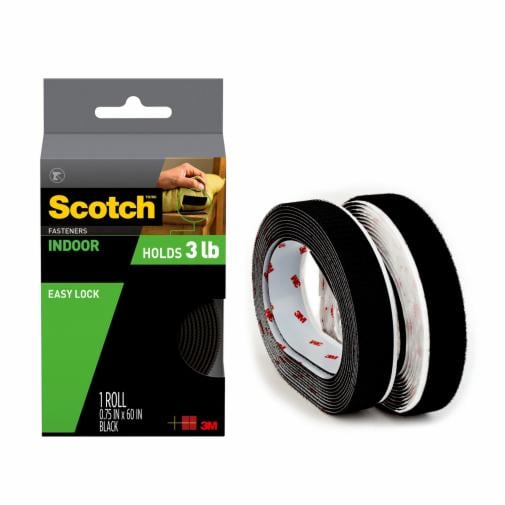
Credit: www.scotchbrand.com
Frequently Asked Questions
How Do I Safely Remove Scotch Fasteners?
Use a flat tool like a butter knife to gently lift the fastener. Avoid pulling forcefully to prevent damage. Slowly separate the two sides of the fastener until fully detached.
Can Heat Help Remove Scotch Fasteners?
Yes, warming the fastener with a hairdryer softens the adhesive. Apply heat for 20-30 seconds and then peel gently. This method reduces residue and eases removal.
What Tools Are Best For Scotch Fastener Removal?
A butter knife, tweezers, or a plastic scraper work well. These tools help lift edges without tearing the material. Avoid sharp objects that might damage surfaces.
How Do I Clean Leftover Adhesive After Removal?
Use rubbing alcohol or adhesive remover on a cloth. Gently rub the sticky area until residue disappears. Test on a small spot first to avoid damage.
Conclusion
Removing Scotch fasteners can be simple with the right steps. Take your time and be gentle to avoid damage. Use heat or a tool carefully to loosen the adhesive. Clean the surface well after removal for best results. Practice makes perfect, so don’t worry if it takes a few tries.
Now you can handle Scotch fasteners with confidence and ease.