Have you ever wondered what keeps your clothes together and looking neat? That’s where fastening in sewing comes in.
Fastening is the simple yet essential step that holds fabric pieces securely in place. Whether you’re fixing a button or adding a zipper, understanding fastening can make your sewing projects easier and more professional. You’ll discover what fastening really means and how it can transform your sewing skills.
Ready to unlock the secret to flawless finishes? Let’s dive in!
Types Of Fastening
Fastening in sewing means joining parts of fabric to close or hold them together. Many types of fasteners exist for different uses and styles. Choosing the right fastener helps make clothes easy to wear and look good.
Buttons And Buttonholes
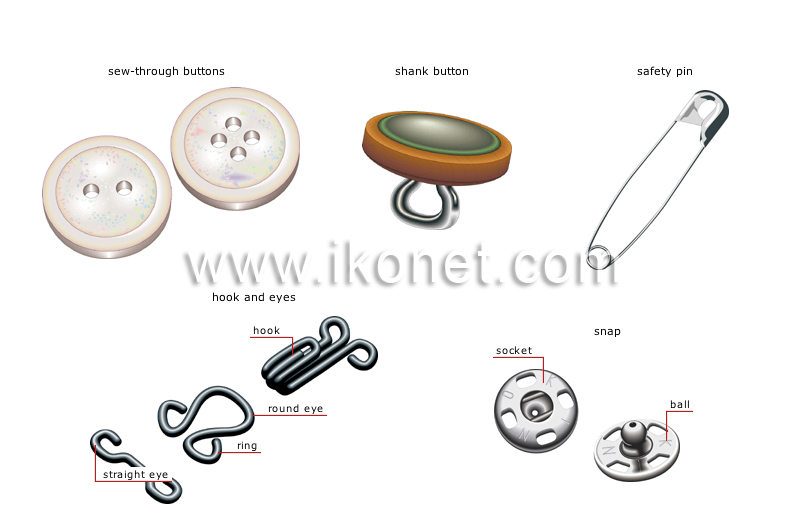
Buttons are small discs sewn onto fabric. Buttonholes are slits that fit buttons through. They come in many shapes and sizes. Buttons offer a classic look and strong hold. They work well on shirts, jackets, and pants.
Zippers
Zippers have two rows of teeth that lock together. You pull a slider to open or close them. Zippers are fast and secure. They are common in dresses, jeans, and bags. They come in metal, plastic, and invisible types.
Snaps And Hooks
Snaps are small discs that snap together. Hooks catch on loops or eyes to close. Both are quick to use and hidden in many clothes. Snaps and hooks fit light to medium weight fabric. They often appear on coats, skirts, and lingerie.
Velcro And Hook-and-loop
Velcro has two strips: one with tiny hooks, one with loops. Pressing them together sticks firmly. Velcro is easy for all ages and adjustable. It suits shoes, kids’ clothes, and sportswear. It wears out faster than buttons or zippers.
Ties And Laces
Ties are strings or ribbons sewn to fabric edges. Laces thread through holes or eyelets. Both fasteners adjust tightness and add style. Ties and laces appear on corsets, shoes, and hoodies. They offer a casual or decorative look.
Credit: www.ikonet.com
Choosing The Right Fastener
Choosing the right fastener is key to a successful sewing project. The fastener must match the fabric and design. It needs to hold the garment securely and be easy to use. Understanding these factors helps pick the perfect fastener.
Fabric Compatibility
Different fabrics need different fasteners. Lightweight fabrics work well with small buttons or snaps. Thick fabrics require strong zippers or large buttons. Use fasteners that do not damage or stretch the fabric. This keeps the garment looking neat and lasting longer.
Garment Style
The style of the garment guides the fastener choice. Casual clothes often use zippers or buttons for quick wear. Formal wear may need hidden hooks or elegant buttons. Choose a fastener that matches the garment’s look and purpose. This improves both style and function.
Durability Needs
Consider how often the garment will be used. Frequent use demands durable fasteners like metal zippers or heavy-duty snaps. For occasional wear, lighter fasteners may be enough. Strong fasteners prevent wear and tear. This keeps the garment working well over time.
Ease Of Use
Fasteners should be easy to open and close. Zippers and Velcro offer quick fastening. Buttons and hooks may take more time and skill. Choose fasteners suitable for the wearer’s ability. This ensures comfort and convenience every time.
Basic Techniques For Sewing Fasteners
Fastening is a key part of sewing. It helps hold fabric pieces together. Knowing basic fastener techniques makes sewing easier. These skills improve your clothing and projects. Each type of fastener has a simple method to attach it.
Attaching Buttons By Hand
Buttons are common fasteners on shirts and jackets. Use a needle and thread for hand sewing. Start by threading the needle and tying a knot. Push the needle through the fabric from the back. Sew through the button holes several times. Make sure the button is tight but not too stiff. Tie off the thread at the back to finish.
Installing Zippers
Zippers close bags, dresses, and pants. Align the zipper with the fabric edge. Pin the zipper in place to hold it steady. Use a sewing machine with a zipper foot for straight stitches. Sew slowly to avoid mistakes. Remove pins as you sew. Press the fabric flat after sewing for a neat look.
Sewing Snaps And Hooks
Snaps and hooks are small but strong fasteners. Snaps have two parts that click together. Hooks and eyes work by hooking into loops. Attach snaps by sewing each part onto fabric. For hooks, sew the hook on one side and the eye on the other. Use strong thread and sew tightly for durability.
Applying Velcro Strips
Velcro strips are easy to use and adjust. Cut the Velcro to the needed length. Place one strip on each fabric piece. Sew around the edges of the Velcro strip. Use a straight or zigzag stitch. Make sure the Velcro sticks well and stays secure during use.

Credit: sewguide.com
Advanced Fastening Methods
Advanced fastening methods bring style and function together in sewing. They go beyond basic buttons and hooks. These techniques offer cleaner looks and easier use. Many designers prefer them for modern garments and crafts.
Invisible Zippers
Invisible zippers hide the teeth inside the seam. They create a smooth, sleek finish on dresses and skirts. These zippers blend with the fabric perfectly. They are ideal for formal wear and fine fabrics.
Invisible zippers need careful sewing to stay hidden. Special zipper feet help place them precisely. The result is a professional, neat closure that doesn’t distract from the garment’s design.
Decorative Button Attachments
Decorative buttons add charm and personality to clothes. They come in many shapes, colors, and materials. These buttons often serve both as fasteners and design elements.
Attaching buttons creatively can transform simple garments. You can sew them in unique patterns or use different sizes. This method works well on jackets, blouses, and accessories.
Magnetic Closures
Magnetic closures use small magnets to hold fabric together. They are easy to open and close with one hand. These fasteners are popular in bags, coats, and some clothing items.
Magnets offer a modern alternative to traditional buttons and snaps. They keep garments secure without bulky hardware. Sewing magnetic closures requires precise placement for strength and safety.
Common Mistakes To Avoid
Fastening is a key step in sewing. Mistakes can cause problems and waste time. Avoiding common errors helps create strong and neat finishes. Here are some frequent mistakes to watch out for.
Misaligned Fasteners
Placing fasteners unevenly can spoil the look and function. Buttons or snaps too far apart cause gaps or puckering. Check placement carefully before sewing fasteners down. Use pins or chalk marks to guide you.
Weak Stitching
Fasteners must be sewn securely to last. Loose stitches make fasteners fall off quickly. Use strong thread and tight stitches for durability. Stitch around fasteners several times for extra strength.
Using Incorrect Fasteners
Choose fasteners that fit the fabric and purpose. Heavy fabrics need strong buttons or snaps. Light fabrics require smaller, lighter fasteners. Wrong fasteners can damage fabric or fail to hold properly.
Tips For Maintaining Fastenings
Fastenings hold clothes together and need care to work well. Keeping them in good shape saves time and money. Easy steps keep fastenings strong and reliable.
Regular Inspection
Check fastenings often for signs of damage. Look for loose threads, missing parts, or rust. Early spotting stops bigger problems. Make inspection part of your sewing routine.
Repair Techniques
Tighten loose buttons with a needle and thread. Use fabric glue for small tears around fasteners. Replace bent hooks by bending them back gently. Simple repairs keep fastenings working longer.
Replacing Worn Fasteners
Remove old fasteners carefully to avoid fabric damage. Choose new fasteners that match the original size and type. Sew or attach new fasteners securely. Replacement keeps garments functional and looking neat.

Credit: blog.treasurie.com
Frequently Asked Questions
What Is Fastening In Sewing?
Fastening in sewing refers to methods used to join or secure fabric pieces. Common fasteners include buttons, zippers, snaps, hooks, and Velcro. They ensure garments fit properly and stay closed, adding both functionality and style to clothing.
Why Are Fasteners Important In Sewing?
Fasteners provide convenience and durability to clothing. They allow easy wearing and removal of garments. Fasteners also enhance the garment’s fit and appearance, making them essential in both fashion and practical sewing projects.
What Types Of Fasteners Are Used In Sewing?
Common sewing fasteners include buttons, zippers, snaps, hooks, and Velcro. Each type serves different purposes based on fabric type and garment function. Choosing the right fastener depends on ease of use, strength, and design requirements.
How Do You Choose The Right Fastener For Sewing?
Select fasteners based on fabric type, garment use, and aesthetic preference. Consider durability, ease of use, and placement. For example, zippers suit jackets, while buttons work well for shirts. Proper selection ensures functionality and style.
Conclusion
Fastening in sewing holds fabric pieces firmly together. It helps create neat and strong garments. Choosing the right fastening improves clothing comfort and style. Buttons, zippers, snaps, and hooks all serve this purpose. Each type suits different fabrics and uses.
Understanding fastening makes sewing easier and more fun. It also saves time and effort in repairs. Keep practicing to find your favorite fastening method. Sewing becomes better with each stitch and choice. Fastening truly shapes the final look of your work.