Have you ever struggled to keep things from falling apart? Whether it’s fixing a broken chair, hanging a picture, or organizing your workspace, having the right tool to fasten things together can make all the difference.
Imagine a simple device that saves you time, effort, and frustration every time you need to join two items. You’ll discover exactly what that device is, how it works, and why it should be your go-to solution for all your fastening needs.
Keep reading to find out how you can make your projects easier and more reliable starting now.
Types Of Fastening Devices
Fastening devices join two or more objects together. They hold parts firmly in place. Various types exist to suit different needs. Each type offers unique benefits and uses. Understanding these types helps choose the right fastener for any job.
Fastening devices vary by how they connect materials. Some use force, others use glue or magnets. Some fasten by heat or by mechanical action. Let’s explore the main types of fastening devices below.
Mechanical Fasteners
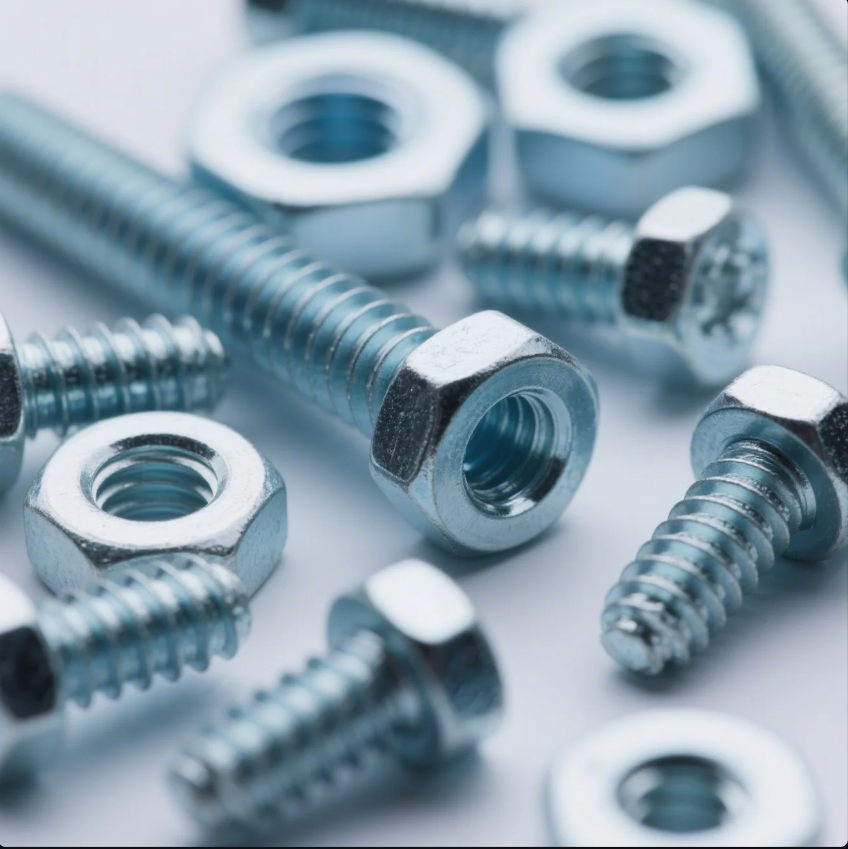
Mechanical fasteners use physical force to hold objects together. Examples include screws, nails, bolts, and rivets. They are strong and often reusable. These fasteners work well with wood, metal, and plastic. Mechanical fasteners provide a secure and stable join.
Adhesive Fasteners
Adhesive fasteners use glue or sticky substances. They bond surfaces by sticking them together. Common adhesives include glue, tape, and epoxy. These fasteners are ideal for smooth or delicate surfaces. Adhesives spread force evenly and reduce damage.
Magnetic Fasteners
Magnetic fasteners use magnets to hold parts together. They are easy to attach and remove. Magnets work best with metal surfaces. These fasteners allow quick assembly and disassembly. Magnetic fastening suits temporary or adjustable joins.
Thermal Fasteners
Thermal fasteners join materials using heat. Examples include welding and heat sealing. Heat melts or softens parts to fuse them. These fasteners create strong, permanent bonds. Thermal fastening works well for metals and plastics.
Credit: primecustomparts.com
Materials Used In Fasteners
Fasteners join objects firmly and securely. Their strength depends on the materials used. Choosing the right material ensures durability and performance. Different materials suit different needs and environments.
Metals
Metals are the most common fastener materials. Steel is strong and widely used for bolts and screws. Stainless steel resists rust and suits outdoor use. Aluminum is lightweight and good for less heavy tasks. Copper offers good conductivity and corrosion resistance. Metal fasteners handle heavy loads and tough conditions.
Plastics
Plastic fasteners are light and resist corrosion well. Nylon is popular for its strength and flexibility. Plastic fasteners work well in electronics and low-stress areas. They do not conduct electricity, making them safe for electrical parts. Plastic is less strong than metal but cheaper and rust-free.
Composites
Composite fasteners combine materials to improve strength and weight. They use fibers like carbon or glass in a plastic matrix. These fasteners are strong yet light. Composites resist corrosion and heat better than plastics alone. They are used in aerospace, automotive, and sports gear.
Choosing The Right Fastener
Choosing the right fastener is key to a strong and lasting hold. Different projects need different fasteners. Selecting the best one saves time and avoids failures. Consider several factors to pick the right fastener for your task.
Load Requirements
Understand how much weight the fastener must hold. Heavy loads need strong fasteners like bolts or screws. Light loads may only need nails or clips. Choose a fastener that matches the strength needed.
Environmental Conditions
Think about where the fastener will be used. Outdoors requires rust-resistant fasteners like stainless steel. Indoor use may allow cheaper options. Wet or humid places need corrosion-proof fasteners to last long.
Material Compatibility
Match the fastener to the materials being joined. Wood needs wood screws or nails. Metal parts require bolts or rivets. Some fasteners work with plastic or composites. Using the right fastener prevents damage and loosening.
Ease Of Use
Choose fasteners that fit your skill and tools. Some fasteners need special tools or skills. Simple fasteners like nails are easy for beginners. Quick and easy fastening saves effort and time.

Credit: crossword-solver.io
Techniques For Strong Bonds
Creating a strong bond with a device for fastening things together requires the right steps. Each step helps the parts stick well and last longer.
Simple actions before and after applying the fastener can make a big difference. These actions improve the hold and avoid weak spots.
Surface Preparation
Clean the surfaces to remove dust, oil, and dirt. Use a cloth or brush for this task. Roughen smooth surfaces slightly to help the fastener grip better. Avoid touching the cleaned areas after preparation.
Proper Application
Apply the fastener evenly and in the right amount. Too much or too little can reduce strength. Press the parts firmly together to spread the fastener. Follow the product instructions for best results.
Curing And Setting Times
Allow enough time for the fastener to set and cure. Do not move or stress the joint during this period. Temperature and humidity can affect curing time. Patience leads to a stronger, lasting bond.
Common Fastening Tools
Fastening tools hold things together tightly. They make building and repairing easier and faster. These tools come in many types. Each type works best for certain tasks. Knowing common fastening tools helps you pick the right one.
Fastening tools can be simple hand tools or complex machines. Some use power to drive fasteners quickly. Others are designed for special jobs in industries or crafts. Let’s explore these common tools.
Hand Tools
Hand tools are basic and easy to use. Screwdrivers and wrenches are common examples. You turn screws and bolts by hand with these tools. Pliers hold and bend wires or small objects. They need no electricity or batteries. Hand tools work well for small jobs or tight spaces.
Power Tools
Power tools save time and effort. Electric drills and impact drivers drive screws fast. Nail guns shoot nails quickly into wood or walls. These tools use batteries or cords for power. They reduce hand strain and speed up work. Power tools suit bigger or repeated fastening tasks.
Specialized Equipment
Specialized tools fit specific fastening needs. Rivet guns join metal parts strongly. Staple guns attach fabric or insulation. Torque wrenches tighten bolts to exact force. These tools often appear in factories or workshops. They help achieve strong, precise fastening results.

Credit: www.123rf.com
Troubleshooting Fastening Issues
Fastening devices hold parts together. Problems can happen that stop them from working well. Knowing how to fix these issues saves time and effort. It also keeps your projects strong and safe. Here are common problems and how to solve them.
Weak Joints
Weak joints often come from loose fasteners. Tighten screws or bolts carefully. Avoid overtightening; it can damage parts. Check if the fastener size matches the hole. Use washers to spread the load evenly. Replace stripped threads with new fasteners or inserts.
Corrosion Problems
Corrosion weakens metal fasteners over time. Use stainless steel or coated fasteners in wet areas. Apply anti-corrosion spray or grease to protect surfaces. Clean rusted parts gently with a wire brush. Replace fasteners that show deep rust damage. Keep fastened areas dry when possible.
Fastener Failure
Fastener failure happens due to poor quality or wrong type. Choose fasteners made for your material and load. Avoid mixing metals that cause corrosion. Inspect fasteners regularly for cracks or bending. Replace any damaged fasteners immediately. Use proper tools to avoid damaging fasteners during installation.
Innovations In Fastening Technology
Fastening technology has seen many changes over the years. New tools and materials make joining objects easier and stronger. These innovations improve safety and speed in many industries. They also help reduce waste and protect the environment.
Modern fasteners do more than just hold things together. They add smart features and use better materials. These advances help both professionals and everyday users complete tasks better and faster.
Smart Fasteners
Smart fasteners include sensors that track tightness and wear. They alert users if a fastener loosens or breaks. This technology helps prevent accidents and costly repairs. Some smart fasteners connect to apps for easy monitoring. They are useful in cars, machines, and buildings.
Eco-friendly Materials
Many fasteners now use recycled or biodegradable materials. These options reduce plastic waste and pollution. Manufacturers focus on making fasteners that last longer and break down safely. Eco-friendly fasteners support green building and packaging efforts. They help companies meet environmental goals.
Advanced Adhesives
Advanced adhesives offer strong bonds without screws or nails. They work on many surfaces like metal, wood, and plastic. New formulas resist water, heat, and chemicals better than before. These adhesives save time and reduce damage to materials. They are ideal for delicate or irregular objects.
Frequently Asked Questions
What Is A Device For Fastening Things Together?
A device for fastening things together is a tool that joins objects securely. Examples include nails, screws, clamps, and staples. These devices help assemble, repair, or hold materials in place efficiently.
How Do Fasteners Improve Construction Projects?
Fasteners provide strong, reliable connections between materials. They ensure stability and durability in structures. Using the right fastener saves time and enhances safety in construction.
What Types Of Fasteners Are Most Common?
Common fasteners include screws, nails, bolts, and clips. Each type suits different materials and purposes. Choosing the correct fastener depends on strength and application needs.
Why Is Choosing The Right Fastener Important?
Selecting the right fastener ensures a secure hold and prevents damage. It impacts the longevity and strength of the assembled object. Proper fasteners enhance overall project quality.
Conclusion
A device for fastening things together makes work easier and faster. It holds items tightly and keeps them in place. Using the right fastening tool saves time and effort. Everyone can benefit from simple, reliable fasteners. Choose the best option for your project needs.
Small tools can solve big problems. Fastening devices are useful in homes, schools, and workplaces. They help create strong, lasting connections. Simple, smart, and effective—that is what good fasteners do.