Are you worried that using exterior mounting tape might damage your walls or strip off your paint? You’re not alone.
Many people hesitate to try this handy adhesive because they fear it will ruin their beautiful surfaces. But is that fear really justified? You’ll discover the truth about exterior mounting tape and how it interacts with paint. By the end, you’ll know exactly when it’s safe to use and how to protect your walls, so you can confidently hang decorations or fixtures without second-guessing yourself.
Keep reading to find out what you need to know before putting that tape to work.

Credit: www.youtube.com
How Exterior Mounting Tape Works
Exterior mounting tape is a strong adhesive tape designed for outdoor use. It sticks firmly to surfaces like wood, metal, and plastic. The tape uses special glue that holds well under different weather conditions.
The tape’s strength depends on its type and adhesive. It can hold heavy items without nails or screws. This makes it a popular choice for mounting signs, decorations, and tools outside.
Types Of Mounting Tapes
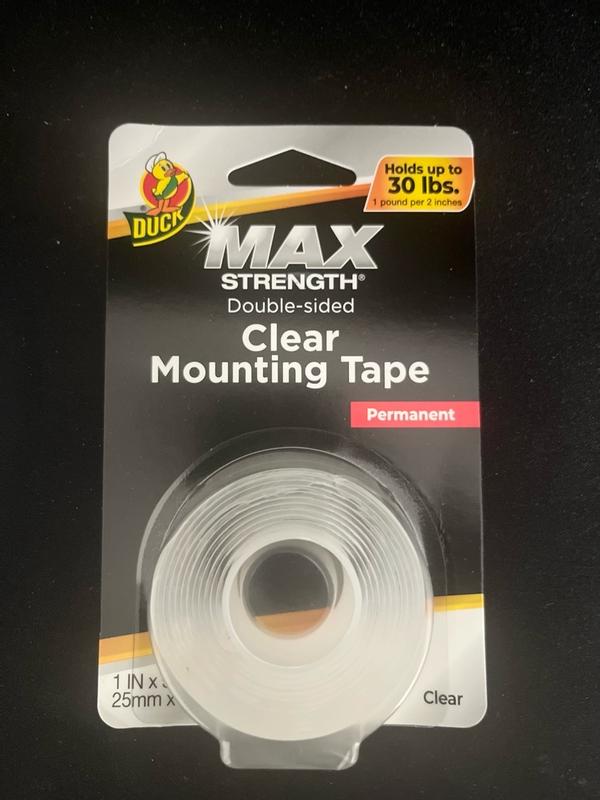
There are several types of mounting tapes. Double-sided tape has adhesive on both sides for strong bonding. Foam tape is thick and adds cushioning. VHB (Very High Bond) tape is extra strong and used for heavy objects.
Adhesive Properties
The adhesive in mounting tape sticks tightly to surfaces. It is weather-resistant and stays sticky in rain, sun, and cold. Some adhesives are designed to peel off cleanly, while others may leave residue or pull paint.
Common Uses
People use mounting tape to fix signs, lights, and decorations outside. It works well for quick, no-drill installations. The tape holds objects firmly and prevents movement caused by wind or vibration.
Factors Affecting Paint Damage
Using exterior mounting tape can sometimes harm paint on walls or surfaces. Paint damage depends on several factors. Understanding these helps protect your painted surfaces better. Here are the main factors that affect paint damage from tape.
Paint Type And Age
Different paints hold tape differently. Oil-based paints are stronger and resist peeling better. Water-based paints can be softer and peel easier. Older paint tends to be fragile. It can crack or come off with tape removal. New paint that is not fully dry may also get damaged.
Surface Preparation
Clean and dry surfaces help tape stick well. Dirt, dust, or moisture can weaken tape hold. Poor surface preparation can cause uneven tape adhesion. This raises the chance of paint peeling when tape is removed. Smooth surfaces help reduce the risk of damage.
Tape Removal Technique
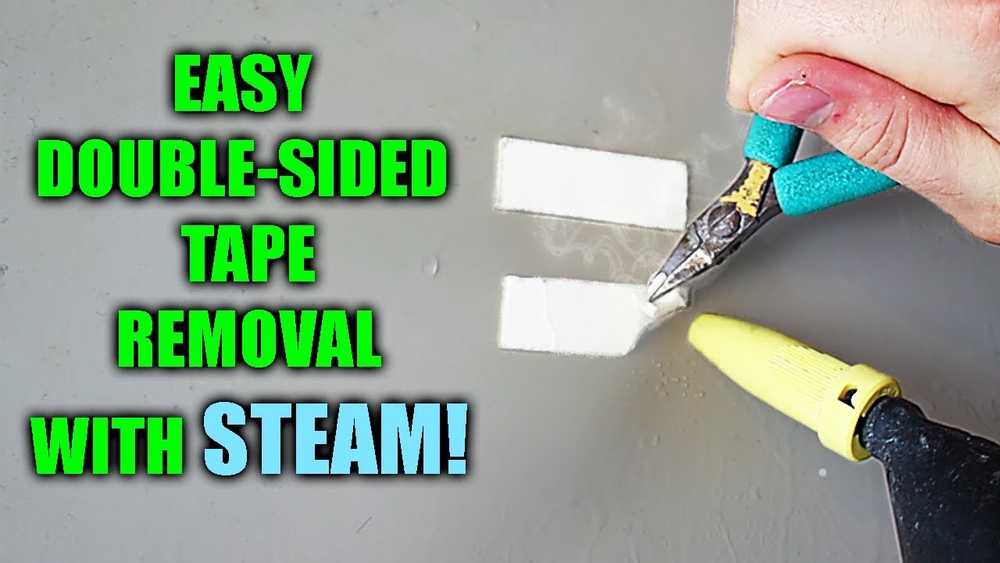
How you remove tape affects paint safety. Pulling tape quickly can strip paint layers. Removing tape slowly and at a low angle is safer. Use heat or a hairdryer to soften tape adhesive. This makes removal gentler on paint and lowers damage risk.
Real Risks Of Paint Stripping
Exterior mounting tape is popular for quick, strong bonds on walls and surfaces. Yet, some worry about paint damage when removing the tape. The risk of paint stripping is real but depends on many factors. Understanding these risks helps protect your walls and surfaces.
Conditions That Cause Peeling
Peeling happens mostly on weak or old paint. Paint that is already cracked or loose may come off easily. Surfaces with poor paint adhesion are more at risk. Harsh weather, like sun and rain, can weaken paint layers over time. Removing tape from such surfaces can pull paint away.
Using very strong adhesive tape also increases risk. The stronger the glue, the harder it sticks to paint. Pulling off the tape quickly or at a sharp angle can lift paint too. Surfaces not cleaned before taping might hold dirt, which reduces tape grip but can cause paint to peel.
Examples From User Experiences
One user applied exterior tape to a painted wood fence. After a few months, removing the tape stripped paint in several spots. The paint was old and flaky, making it easy to peel. Another person used the tape on a metal door with fresh paint. Removing the tape carefully caused no damage.
A third user stuck tape on a stucco wall. Removing it peeled off small paint patches because the surface was rough and paint was thin. These stories show that paint stripping depends on surface type, paint condition, and tape strength.
Credit: www.reddit.com
Preventing Paint Damage
Preventing paint damage is key when using exterior mounting tape. The wrong tape or poor handling can strip or peel paint easily. Careful choices and methods keep your walls safe and looking good. Follow these simple steps to protect your paint.
Choosing The Right Tape
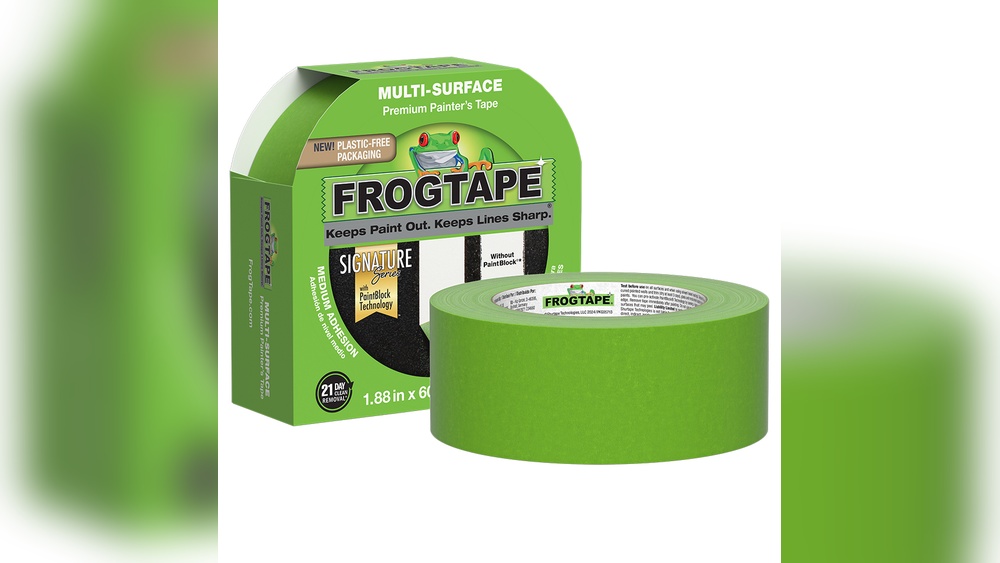
Select tape designed for exterior use and delicate surfaces. Look for tapes labeled as paint-safe or removable. Avoid tapes with very strong adhesives that can pull paint off. Testing a small hidden spot first helps. This shows how the tape sticks and comes off.
Safe Application Tips
Clean the surface well before applying tape. Dust or dirt reduces tape adhesion and can cause damage. Apply tape on dry, cool surfaces for better grip. Press tape firmly but avoid stretching it. Stretching can cause the tape to lift paint later.
Proper Removal Methods
Remove tape slowly and at a sharp angle. Pulling too fast can peel paint. Warm the tape slightly with a hairdryer to soften the adhesive. Use a gentle, steady pull to take off the tape. If paint starts to come off, stop and try again later.
Alternatives To Mounting Tape
Mounting tape can sometimes damage paint, especially on delicate surfaces. Many people seek other options to avoid this problem. Alternatives to mounting tape offer ways to hang or attach items without risking paint damage.
These options are useful for renters, homeowners, or anyone wanting to protect walls and surfaces. Below are two common alternatives that are easy to use and safe for most surfaces.
Non-damaging Adhesives
Non-damaging adhesives stick well without harming paint or walls. They come in strips, dots, or hooks. These adhesives are easy to remove and leave no residue.
Many brands offer products designed for lightweight items. They work great for pictures, decorations, and small signs. These adhesives hold firmly but peel off cleanly.
Use them on smooth, clean surfaces for best results. Avoid rough or textured walls, which reduce adhesive strength. Always follow product instructions to protect your paint.
Mechanical Fasteners
Mechanical fasteners include nails, screws, and hooks. They create a strong hold without sticky substances. Small nails or picture hooks cause minimal paint damage.
Use anchors for heavier items to prevent wall damage. Mechanical fasteners work well on drywall, wood, and plaster. They offer a reliable way to hang things securely.
This method may leave tiny holes, but these are easy to fix. Paint chips are less likely if you use the right fastener size. Mechanical fasteners suit those who want a secure hold.
Credit: www.duckbrand.com
Frequently Asked Questions
Does Exterior Mounting Tape Damage Paint Surfaces?
Exterior mounting tape can strip paint if removed improperly. Always peel slowly and at a low angle to minimize damage. Using heat or adhesive removers helps reduce paint stripping risks on delicate surfaces.
How To Prevent Paint Peeling From Mounting Tape?
To prevent peeling, test tape on a small area first. Use tape designed for exterior use with low adhesive strength. Removing tape gently and applying heat can protect paint from stripping.
Can Mounting Tape Stick To Painted Exterior Walls?
Yes, mounting tape can stick to painted exterior walls. However, paint quality and surface texture affect adhesion. Proper surface preparation ensures better grip and reduces paint damage risk.
Is Exterior Mounting Tape Safe For All Paint Types?
Exterior mounting tape is generally safe for most paint types. Still, sensitive or old paint may peel off. Always check manufacturer recommendations and test before full application.
Conclusion
Exterior mounting tape can sometimes strip paint if not used carefully. Choose tape designed for delicate surfaces to reduce risk. Always test a small hidden spot before full use. Remove tape slowly and gently to protect your paint. Proper surface cleaning also helps the tape stick better without damage.
Use these tips to keep your walls safe and looking good.