Are you tired of staring at a dark screen while working on your Word documents? Switching to Light Mode can make your screen easier on the eyes and boost your focus.
You’ll learn exactly how to change your Word settings quickly and effortlessly. Whether you’re new to Word or just haven’t explored this feature yet, this simple guide will help you brighten up your workspace in no time. Keep reading to discover the step-by-step process and enjoy a more comfortable writing experience!
Why Choose Light Mode
Choosing light mode in Word offers a clear and bright interface. It helps reduce strain on your eyes during long work hours. Light mode also makes text and icons easier to see. This mode suits many types of lighting conditions. The choice to switch to light mode can improve your overall experience while using Word.
Benefits For Eye Comfort
Light mode reduces glare on the screen. It helps your eyes feel less tired after hours of work. The white background with dark text is easier for many people to read. This mode can prevent headaches caused by screen brightness. Eye comfort is important for long writing or editing sessions.
Improved Visibility
Text stands out clearly against the light background. It is easier to spot mistakes and read details. Icons and menus become more distinct and easy to find. Light mode works well in bright rooms or daylight. Visibility improves your ability to work faster and with fewer errors.
Impact On Productivity
Better eye comfort helps you stay focused longer. Clear visibility reduces time spent searching for tools. Light mode supports a clean, distraction-free workspace. This can lead to faster document creation and editing. Productivity increases with less eye strain and clearer visuals.
Accessing Word Settings
Accessing Word settings is the first step to switch to Light Mode. The settings area controls many features in Word. Finding the right menu helps you change the theme quickly. This guide shows how to access these settings easily. Follow these simple steps to get started.
Navigating To Options
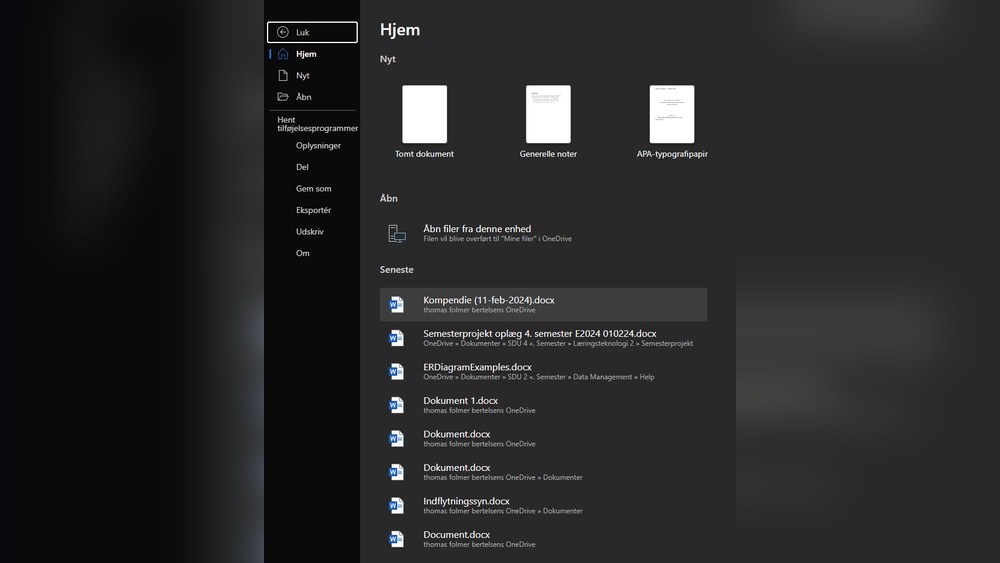
Open Microsoft Word on your computer. Look at the top left corner for the File tab. Click on File to open a new menu. Scroll down and find the Options button. Click Options to open the Word settings window. This window holds many customization features.
Locating The Theme Settings
Inside the Options window, focus on the General section. This section includes appearance settings for Word. Scroll down until you see the “Personalize your copy of Microsoft Office” area. Here, find the “Office Theme” drop-down menu. Click the menu to see theme choices. Select “White” to set Light Mode. Click OK to save your changes. Word will now display in Light Mode.
Switching To Light Mode
Switching to Light Mode in Word changes the look of your workspace. It makes the background bright and easy on the eyes during the day. Many users prefer Light Mode for better visibility and comfort. This section guides you through the simple steps to switch your Word interface to Light Mode.
Selecting The Light Theme
Open Word and go to the File menu. Choose Options at the bottom of the list. In the Options window, find the General tab. Look for the section called Personalize your copy of Microsoft Office. Click the drop-down menu next to Office Theme. Select the Light theme from the choices available.
Applying Changes
After selecting Light, click OK to save your settings. Word will change the interface to the light color scheme. Your documents will now have a bright background. You can switch back anytime by following the same steps. This quick change helps reduce eye strain in bright environments.

Credit: softwareg.com.au
Customizing Light Mode
Customizing Light Mode in Word lets you create a comfortable workspace. You can change how your document looks. This helps reduce eye strain and makes reading easier.
Light Mode is not just about brightness. You can adjust colors to suit your style. Small changes can improve your focus and productivity.
Adjusting Background Colors
Changing the background color in Light Mode is simple. Choose a soft shade to avoid glare. Light gray or cream colors work well. These colors keep the screen bright but gentle on your eyes. You can find this option in the Word settings under ‘Background.’ Pick the color that feels best for long work hours.
Changing Text Colors
Text color plays a big role in readability. Dark colors on a light background are best. Black or dark blue text stands out clearly. Avoid bright colors that strain your eyes. Word lets you select text color easily. Just highlight the text and choose a color from the toolbar. Consistent text color helps keep your document neat and easy to read.
Troubleshooting Common Issues
Troubleshooting common issues helps you enjoy Light Mode smoothly. Some users find settings not applying or resetting after updates. These problems can be fixed with simple steps. Let’s explore easy solutions to keep Light Mode working well.
Light Mode Not Applying
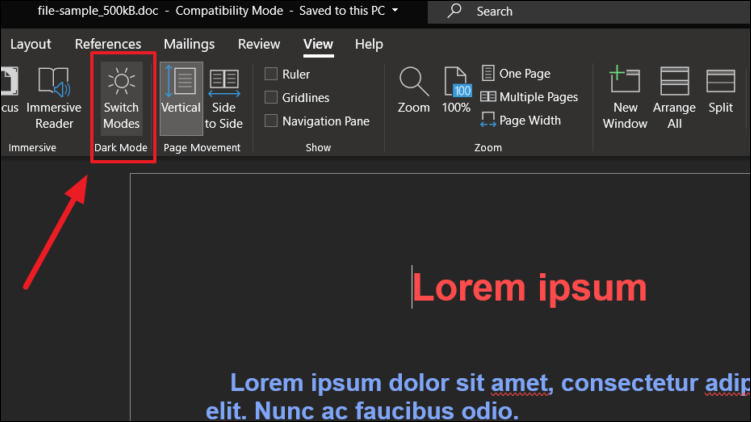
Sometimes Light Mode does not turn on even after selecting it. First, check if Word is updated to the latest version. Updates fix bugs that stop Light Mode from working. Next, restart Word to refresh the settings. If it still stays in dark mode, try changing the theme from Word options again. Also, ensure Windows or Mac system themes support Light Mode, as Word follows system settings. If problems continue, repairing Office from the Control Panel can help.
Theme Reset After Updates
Word updates may reset your theme back to default. This means Light Mode can switch off without notice. To fix this, open Word settings after each update. Reapply Light Mode and save the changes. Keeping Word updated is important, but checking theme settings after updates keeps your preference. Backing up your settings before updates can save time. This way, you quickly restore Light Mode if it resets.

Credit: softwareg.com.au
Alternatives To Light Mode
Light mode is not the only way to change Word’s appearance. Some users want different looks or better visibility. Alternatives to light mode offer fresh options that suit various needs. These choices can make reading and writing easier on the eyes.
Using High Contrast Themes
High contrast themes change colors to improve text clarity. They make text stand out against the background. This option helps users with vision challenges or bright screens. You can find high contrast themes in Windows settings or Word’s accessibility options. These themes reduce eye strain and improve focus during long work sessions.
Third-party Add-ins
Third-party add-ins bring extra features to Word’s interface. Some add-ins offer custom color schemes beyond light and dark modes. Others provide tools to adjust brightness and contrast quickly. Installing these add-ins is simple through Microsoft Office’s store. They help users tailor Word’s look to their preferences and needs.
Credit: allthings.how
Frequently Asked Questions
How Do I Enable Light Mode In Microsoft Word?
To enable light mode, open Word, go to File > Options > General. Under “Personalize your copy,” select “White” or “Colorful” in Office Theme. Click OK to apply changes and switch to light mode instantly.
Can I Switch From Dark Mode To Light Mode Easily?
Yes, switching is simple. Navigate to Word’s File menu, select Options, then General. Change the Office Theme to “White” or “Colorful” and confirm. This toggles your interface from dark to light mode quickly.
Does Light Mode Affect Document Readability In Word?
Light mode improves readability in bright environments by reducing eye strain. It provides a clean, bright background that enhances contrast with text, making reading and editing documents more comfortable for many users.
Is Light Mode Available On Word For Mac And Windows?
Yes, light mode is available on both Word for Mac and Windows. The steps to enable it are similar: access Preferences or Options, then select the light Office Theme from the personalization settings.
Conclusion
Switching to light mode on Word is quick and simple. You can change the look anytime to suit your comfort. This mode helps reduce eye strain in bright places. Just follow the steps carefully, and you will get it done.
Enjoy a cleaner, brighter workspace that feels fresh. Keep your work easy on the eyes all day long. Try it out and see how it improves your typing experience. Small changes like this make a big difference in daily tasks.