Have you ever flipped a light switch, only to find nothing happens? It’s frustrating and can leave you wondering if the switch itself is broken or if there’s another problem.
Knowing how to spot a bad light switch can save you time, money, and hassle. You’ll learn simple signs to watch for and easy steps to check if your light switch needs replacing. Keep reading to avoid electrical headaches and get your lights working smoothly again.
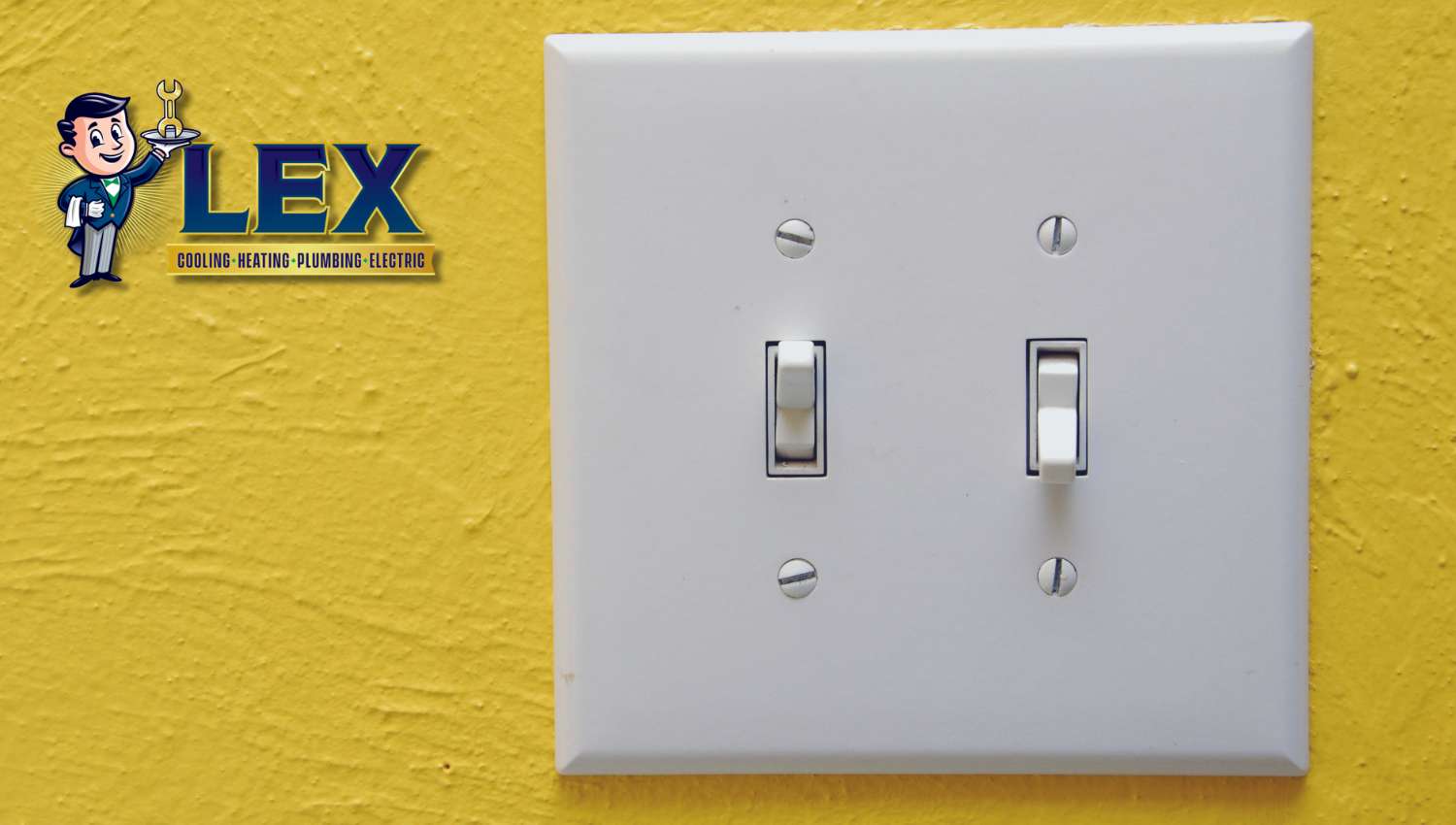
Credit: www.lexairconditioning.com
Common Signs Of A Faulty Light Switch
Identifying a faulty light switch early can prevent bigger problems. Faulty switches show clear signs that anyone can notice. Paying attention to these signs helps keep your home safe.
Watch out for unusual behavior in your light switch. These common signs point to a switch that may need repair or replacement.
Switch Feels Hot To Touch
A light switch that feels warm or hot is a warning sign. Heat means there might be a wiring problem. It can cause damage or even start a fire.
Flickering Or Intermittent Lighting
Lights that flicker or go on and off suddenly may mean a bad switch. This happens when the switch does not make a steady connection. It can be annoying and unsafe.
Switch Does Not Click Properly
A normal switch makes a clear clicking sound when flipped. If the switch feels loose or silent, it may be broken inside. This affects the switch’s ability to work correctly.
Burn Marks Or Discoloration
Look closely at the switch plate and surrounding wall. Dark marks or discoloration show signs of overheating or electrical shorts. This is a serious issue that needs fixing fast.
Lights Won’t Turn On Or Off
If the lights stay on or off no matter what, the switch may be faulty. This shows the switch cannot control the electrical flow. It needs to be checked or replaced.
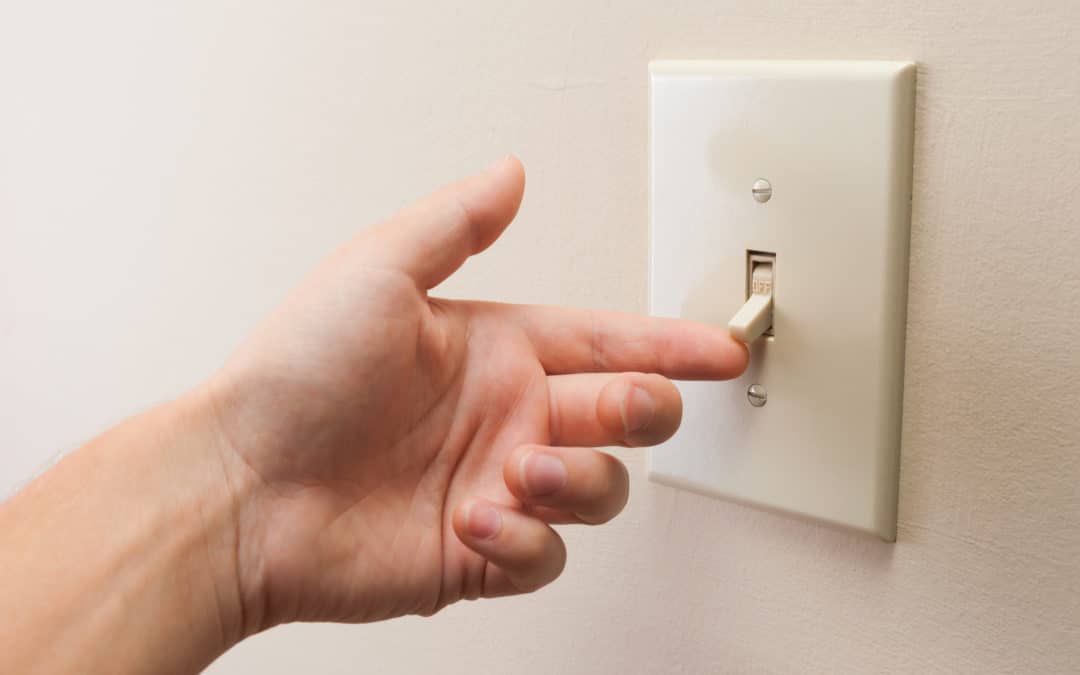
Credit: shockleyelectric.com
Tools Needed For Testing A Switch
Testing a light switch requires some basic tools. These tools help find out if the switch works or if it is bad. Having the right tools makes the task safer and easier. Each tool has a specific job in checking the switch’s condition.
Multimeter Or Voltage Tester
A multimeter or voltage tester checks if electricity flows through the switch. It measures voltage, current, and resistance. This tool tells if the switch is getting power. It also shows if the switch breaks the circuit as it should.
Screwdrivers
Screwdrivers remove the switch cover and hold the switch in place. Both flathead and Phillips screwdrivers are useful. They help access the wiring inside the switch box safely. Using the right screwdriver avoids damage to screws and the switch.
Wire Strippers
Wire strippers remove insulation from electrical wires. This tool exposes the wire for testing or connection. It cuts cleanly without harming the wire inside. Wire strippers make it easier to check or replace switch wiring.
Flashlight
A flashlight lights up dark areas around the switch box. It helps see wires and screws clearly. Good lighting is important to avoid mistakes. A small, bright flashlight fits well in tight spaces.
How To Safely Test A Light Switch
Testing a light switch safely is important to avoid electric shock or damage. Follow these steps carefully to check if the switch is working or bad. Always take safety first. Use the right tools and be patient.
Turn Off Power At The Circuit Breaker
Find the circuit breaker that controls the light switch. Switch it off to cut power. Double-check that the lights do not turn on. This step keeps you safe from electric shock while working.
Remove The Switch Cover Plate
Use a screwdriver to take off the cover plate. Be gentle to avoid breaking it. Removing the plate exposes the switch and wiring. Check for any visible damage or loose wires.
Check For Voltage Using A Tester
Use a voltage tester to check if power is still flowing. Touch the tester to the switch terminals carefully. No voltage means the power is off. If the tester shows power, turn off the breaker again.
Test Continuity With A Multimeter
Set your multimeter to the continuity mode. Place the probes on the switch terminals. Press the switch on and off. The multimeter should beep or show a reading when the switch is on. No beep means the switch might be bad.
Simple Fixes For A Bad Light Switch
Simple fixes can often solve problems with a bad light switch. These solutions save time and money. Many issues come from loose wires, dirt, or a worn-out switch. Trying these steps can bring your switch back to life quickly. Safety is key. Always turn off power before working on switches.
Tightening Loose Wires
Loose wires cause flickering or no light at all. Remove the switch cover and check the wires. Use a screwdriver to tighten any loose screws. Make sure wires are secure but do not overtighten. Loose connections can cause sparks or switch failure.
Cleaning Switch Contacts
Dirt and grime build up inside the switch over time. Turn off power and remove the switch from the wall. Use a small brush or cloth to clean the contacts. Avoid using water or liquids. Dirt-free contacts improve switch function and reduce flickering.
Replacing The Switch
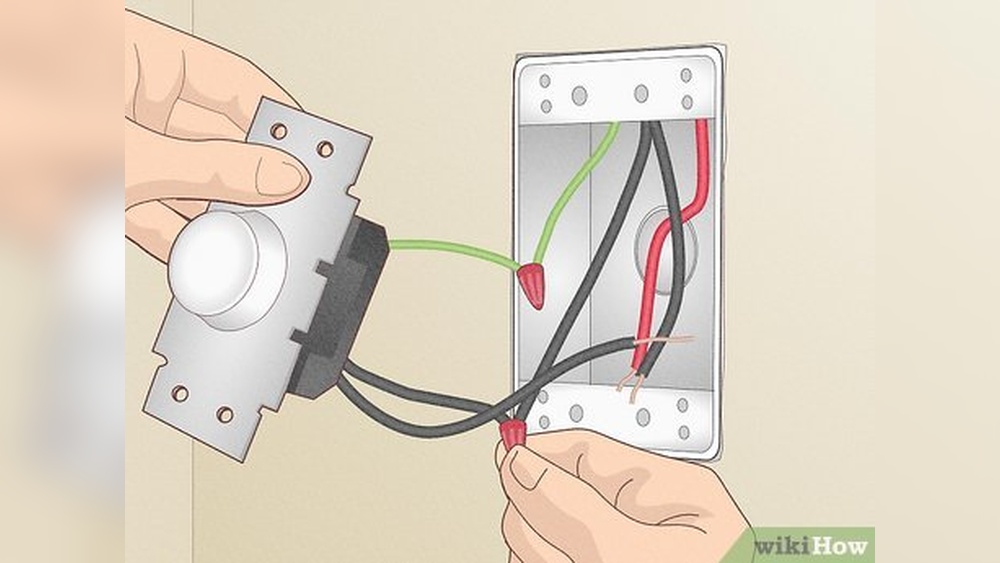
Sometimes a switch is too damaged to fix. Buy a new switch of the same type and rating. Turn off power and remove the old switch carefully. Connect the wires to the new switch in the same order. Secure it in the wall box and test the switch.
When To Call An Electrician
Knowing when to call an electrician is important for safety and proper repair. Some problems with light switches are simple to fix. Others need a professional’s knowledge and tools.
Calling an electrician helps avoid risks like shocks or fires. It also ensures the switch and wiring work correctly. Here are signs that show it is time to call an expert.
Complex Wiring Issues
Wiring inside walls can be tricky and dangerous. If the switch wiring looks tangled or old, do not try to fix it yourself. Complex wiring needs a trained electrician. They know how to handle wires safely and follow electrical codes.
Repeated Switch Failures
Switches that break again and again can mean a bigger problem. Replacing the switch many times does not solve the root cause. An electrician can find the real issue and fix it for good. This stops constant repairs and saves money.
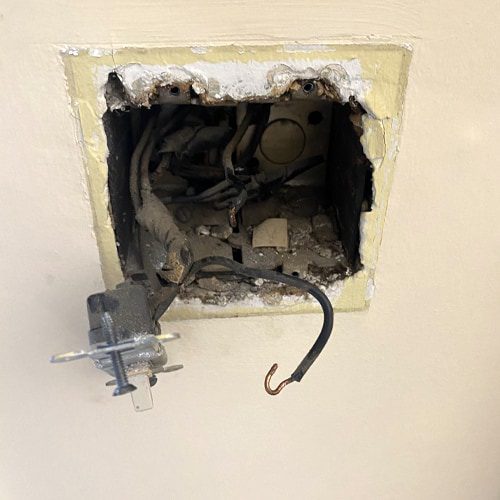
Signs Of Electrical Damage
Burn marks, melting plastic, or a burning smell near the switch are dangerous. These signs mean electrical damage that needs quick attention. Faulty wiring or a bad switch can cause fire hazards. Call an electrician right away to check and fix the problem.
Credit: rytecelectric.com
Preventing Future Switch Problems
Preventing future switch problems starts with good habits. Taking simple steps can stop many issues before they begin. These actions help keep your switches working well and safe.
Regular Inspection
Check your light switches often. Look for cracks, loose parts, or flickering lights. Small problems can turn into big ones fast. Catching issues early saves time and money. It also protects your home from electrical hazards.
Avoid Overloading Circuits
Do not plug too many devices into one outlet. Overloading causes switches to wear out quickly. It can also cause sparks or fires. Use power strips with built-in circuit breakers. Spread devices across different outlets for safety.
Use Quality Switches
Choose switches made by trusted brands. Cheap switches may break or fail soon. Good switches last longer and work better. They reduce the risk of electrical problems. Installing quality switches protects your home’s wiring and your family.
Frequently Asked Questions
How Can I Tell If A Light Switch Is Faulty?
A faulty light switch may cause flickering, no light, or a burning smell. Test by toggling the switch. If the light doesn’t respond or behaves erratically, the switch might be bad.
What Are Common Signs Of A Bad Light Switch?
Common signs include flickering lights, switch feels warm, sparks, or a buzzing sound. These indicate electrical issues and suggest the switch needs replacement.
Can A Multimeter Detect A Bad Light Switch?
Yes, a multimeter can test continuity. Turn off power, remove switch cover, and check for voltage and continuity. Lack of continuity indicates a bad switch.
Is It Safe To Use A Faulty Light Switch Temporarily?
No, using a faulty switch risks electrical shock or fire. It’s best to replace or repair it promptly to ensure safety.
Conclusion
A bad light switch can cause many problems at home. Signs like flickering lights or no power are clear warnings. Testing the switch with simple tools helps find the issue. Replacing a faulty switch keeps your home safe and working well.
Always check your switches if lights act strange. Taking quick action saves time and avoids bigger repairs. Trust your senses and tools to spot a bad switch fast. Safety first, and your home stays bright and comfortable.