Are your light switches looking dirty, but you’re worried about getting shocked while cleaning them? You’re not alone.
Light switches are touched every day, making them a hotspot for germs and grime. But cleaning them safely can feel tricky if you don’t know the right steps. You’ll discover simple, effective ways to clean your light switches without risking an electric shock.
Keep reading to protect your home and your health with ease!
Safety First
Always turn off the power before cleaning light switches to avoid electric shocks. Use a dry or slightly damp cloth for safe cleaning. Avoid spraying water or cleaning liquids directly on the switch.
Turn Off Power At Circuit Breaker
Always switch off the power before cleaning light switches. Find your circuit breaker box and turn off the switch for the room you will work in. This stops electricity from flowing to the switch. It is the safest way to avoid shocks. Double-check by flipping the light switch to see if the light stays off.
Use Insulated Tools
Use tools with insulated handles to protect yourself from electric shock. These tools have a rubber or plastic cover that stops electricity from passing through. Avoid using metal tools without insulation. They can carry electricity and cause injury if the power is still on.
Wear Rubber Gloves
Put on rubber gloves before cleaning the switch. Rubber does not conduct electricity well. These gloves add an extra layer of safety. They help protect your hands from accidental electric shocks and dirt. Make sure the gloves are dry and free of holes.
Credit: lepaystchad.com
Gathering Cleaning Supplies
Cleaning light switches requires careful preparation. The right supplies keep you safe and protect the switch. Gather everything before you start. This way, you avoid rushing and reduce risks. Focus on items that do not conduct electricity.
Non-conductive Cleaning Solutions
Choose cleaning liquids that do not carry electricity. Rubbing alcohol or a mild soap solution works well. Avoid water or strong chemicals that might cause shocks. These safe options clean dirt and germs without damage.
Soft Cloths And Brushes
Use soft, lint-free cloths to wipe the switch. Soft brushes help reach small crevices. Avoid rough materials that may scratch the surface. Gentle cleaning tools protect the switch and keep it looking new.
Cotton Swabs
Cotton swabs are perfect for tight spaces around the switch. They help remove dust and grime carefully. Dip them lightly in the cleaning solution. Wring out excess liquid to prevent moisture buildup.
Preparing The Area
Preparing the area is the first step to clean light switches safely. This step helps prevent electric shocks and damage. Taking time to prepare makes the cleaning process easier and safer.
Remove Switch Plate Cover
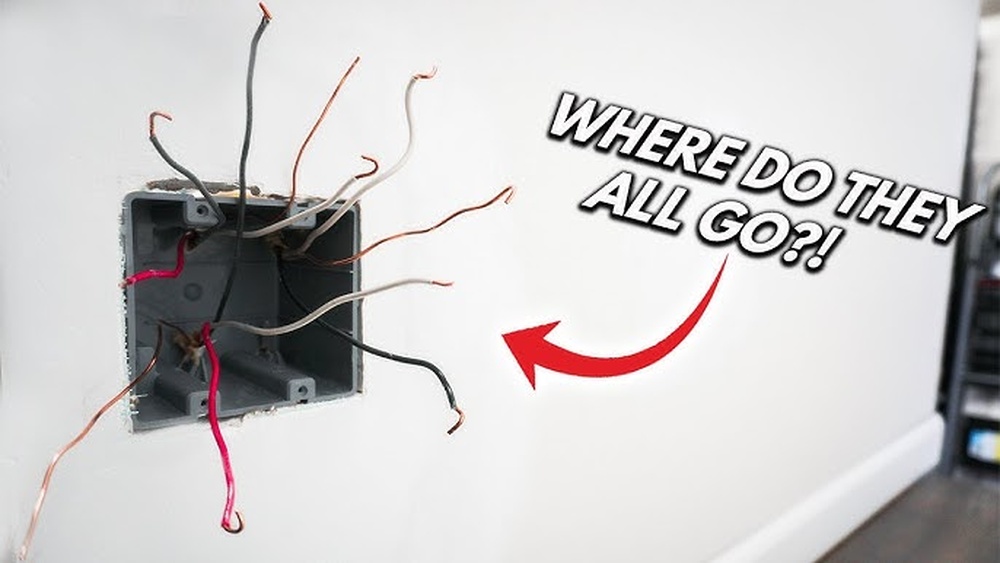
Start by turning off the power at the circuit breaker. This stops electricity from flowing to the switch. Use a screwdriver to remove the screws holding the switch plate cover. Gently pull the cover away from the wall. Set the cover and screws aside in a safe place. Avoid touching any wires or metal parts inside.
Check For Moisture Or Damage
Look inside the switch box for signs of moisture or water. Moisture can cause electric shocks and damage the switch. Also, check for cracks or damage on the switch and wiring. If you see any issues, do not clean the switch yourself. Call a professional electrician for help. Dry and intact switches are safe to clean.
Credit: www.wmhendersoninc.com
Cleaning Process
Cleaning light switches is simple and safe with the right steps. Follow this process to keep switches clean without risk. Focus on gentle wiping, detailed edge cleaning, and thorough drying. This helps avoid damage and electric shock.
Wipe Switch Surface Gently
Turn off the power before cleaning. Use a soft cloth slightly dampened with mild soap water. Wipe the switch surface carefully to remove dirt and fingerprints. Avoid soaking the cloth or applying water directly on the switch. Gentle wiping prevents moisture from entering the switch.
Clean Around Edges And Crevices
Use a dry cotton swab or soft brush for tight spaces. Clean around the edges where dust and grime collect. Avoid pushing dirt inside the switch. This step helps keep the switch clean without moisture risks.
Dry Thoroughly Before Reassembly
Make sure the switch and surrounding area are fully dry. Use a dry cloth to remove any moisture. Wait a few minutes if needed. Drying prevents electrical hazards and ensures the switch works well. Only turn the power back on after complete drying.
Reassembling And Testing
After cleaning your light switches, it is important to reassemble and test them carefully. This step ensures safety and proper function. Take time to put everything back in place correctly. Follow these simple steps to finish the job safely and efficiently.
Secure Switch Plate Cover
Place the switch plate cover back over the switch. Align the screw holes carefully. Use a screwdriver to tighten the screws gently. Do not overtighten as it can crack the plate. Make sure the cover fits snugly and evenly.
Restore Power Safely
Turn the power back on at the circuit breaker. Check that all switches are off before restoring power. This step prevents accidental shocks. Stand clear of the switch panel while turning power on. Confirm the area is dry and safe.
Test Switch Functionality
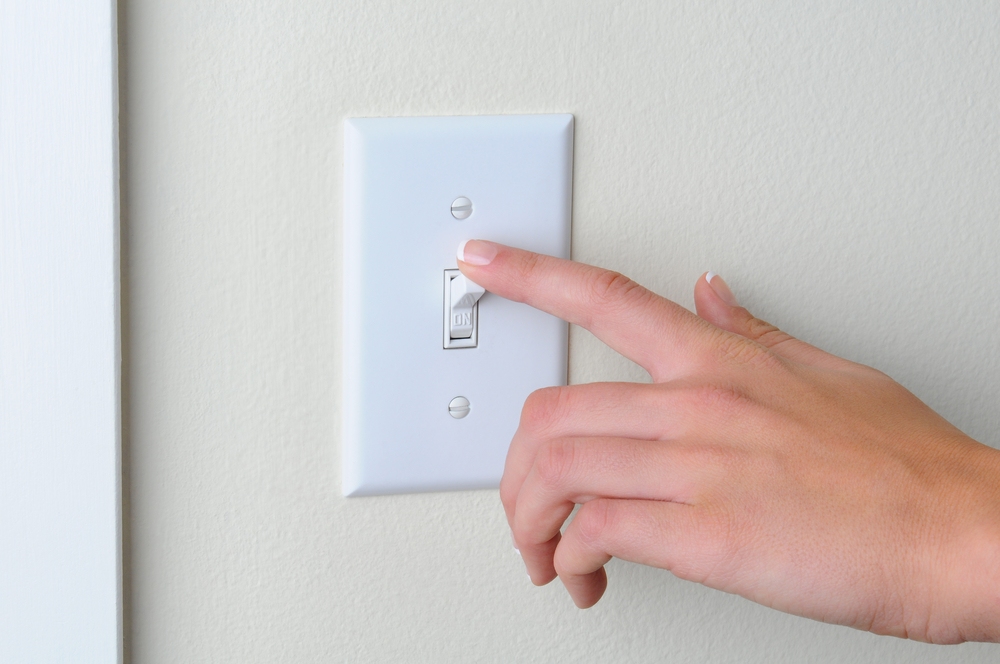
Flip the switch up and down to test it. Look for smooth movement without resistance. Check if the connected light turns on and off. If the switch feels loose or does not work, turn off power again. Inspect the installation or call a professional for help.
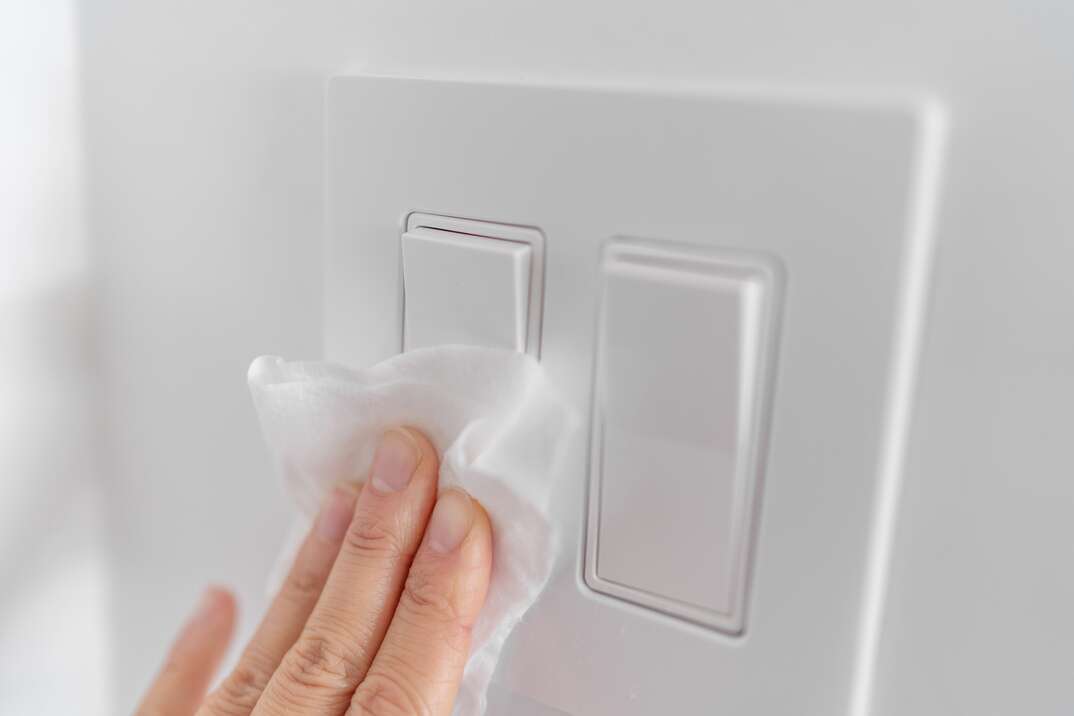
Credit: www.homeserve.com
Additional Safety Tips
Cleaning light switches needs care to keep you safe. Simple steps can stop electric shocks. Follow these extra safety tips to protect yourself while cleaning.
Avoid Using Water Directly
Water and electricity do not mix well. Do not spray water on light switches. Use a damp cloth instead, not soaking wet. This reduces the risk of electric shock. Wring out the cloth before wiping the switch. Always be gentle to avoid damage.
Regular Maintenance Schedule
Clean light switches often to prevent dirt buildup. A quick wipe every few weeks keeps them clean. Check for any cracks or loose parts during cleaning. Regular care helps avoid bigger problems later. Keep cleaning tools separate for electrical parts only.
When To Call A Professional
Notice sparks, burning smells, or switch not working? Stop cleaning and call an electrician. Do not try to fix electrical issues yourself. Professionals have tools and knowledge to handle risks. Safety is more important than saving money.
Frequently Asked Questions
How Can I Safely Clean Light Switches?
Turn off the power at the breaker before cleaning. Use a dry or slightly damp cloth with mild cleaner. Avoid excess moisture to prevent shocks and damage.
What Materials Are Best For Cleaning Switches?
Use a microfiber cloth or cotton swab with gentle cleaners. Avoid abrasive materials or harsh chemicals that can harm the switch surface.
Can I Clean Light Switches Without Turning Off Power?
No, always switch off the power first. Cleaning with the power on risks electric shock or short circuits.
How Often Should Light Switches Be Cleaned?
Clean light switches monthly or as needed. Frequent cleaning reduces germs and keeps switches looking new and functional.
Conclusion
Cleaning light switches safely matters a lot. Turn off the power before you start. Use a dry cloth or a slightly damp one. Avoid spraying liquids directly on the switch. Take your time and be gentle. Safe cleaning keeps your home fresh and accident-free.
Small steps make a big difference in safety. Keep these tips in mind every time you clean. Your switches will look good without any risk. Safety first, always.