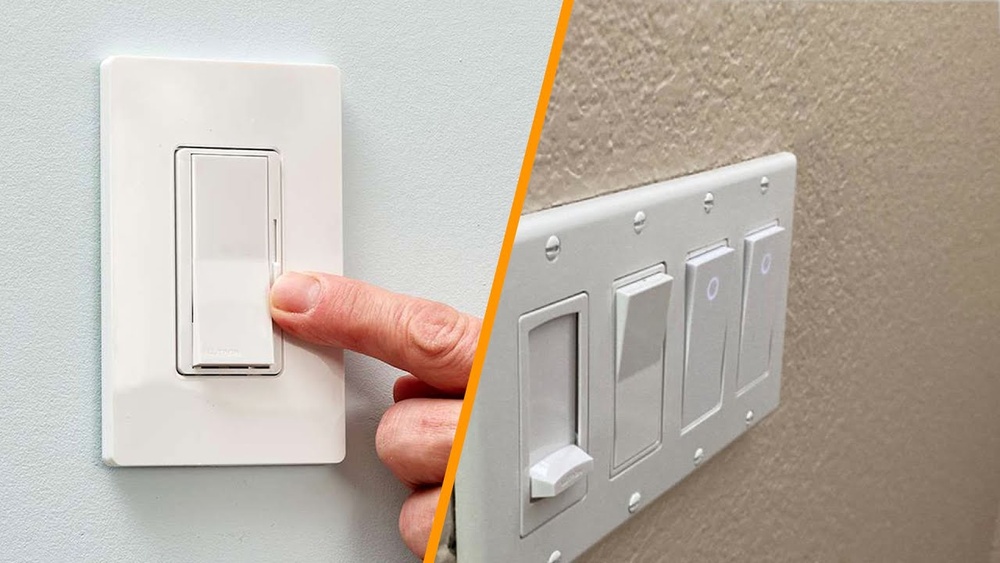
Have you ever wondered how high your light switch should be installed? It might seem like a small detail, but the height of your light switch can make a big difference in comfort and convenience every day.
Whether you’re renovating your home or just curious about standard practices, knowing the right height can save you from awkward reaches and future hassle. You’ll discover the ideal light switch height, why it matters, and tips to get it just right for you and your space.
Keep reading to make sure your switches are perfectly placed for your lifestyle.
:max_bytes(150000):strip_icc()/measuring-electrical-outlet-height-1821556-06-b960a41f86664f03b648797767b113af.jpg)
Credit: www.thespruce.com
Standard Light Switch Height
The height of a light switch matters for comfort and safety. Standard heights make switches easy to reach for most people. Builders follow specific rules to set the switch height. This keeps homes uniform and user-friendly.
Typical Measurements
Most light switches are installed about 48 inches from the floor. This height is measured to the center of the switch plate. Sometimes, switches range between 44 and 48 inches. This range suits adults and older children well. Consistency helps visitors find switches quickly in any room.
Reasons For Standard Heights
Standard heights help people of all ages use switches easily. They also follow building codes for safety and accessibility. Electricians find it easier to work with standard heights. This avoids mistakes and saves time during installation. Uniform switch height also helps when replacing or adding switches later.
Building Code Requirements
Building code requirements set clear rules for installing light switches. These rules help ensure safety and ease of use in homes and buildings. Following the codes prevents electrical hazards and makes switches reachable for most people. Different codes cover height and placement standards to meet safety and accessibility needs.
National Electrical Code Guidelines
The National Electrical Code (NEC) sets the standard height for light switches. It usually requires switches to be installed between 42 and 48 inches from the floor. This height range is safe and practical for most users. The NEC also requires switches to be firmly mounted and easy to operate. Proper installation reduces the risk of electric shock and fire.
Accessibility Standards
Accessibility standards ensure light switches can be used by everyone. The Americans with Disabilities Act (ADA) recommends switch heights between 15 and 48 inches. This range helps people in wheelchairs or with limited reach. Switches should not require tight grasping or twisting. These rules make homes and public places more inclusive and comfortable.
Height Adjustments For Different Rooms
Light switch height varies by room type. Different rooms need different heights for comfort and safety. Setting the right height helps people reach switches easily. It also meets building codes and suits the room’s use.
Living Areas And Bedrooms
Light switches in living rooms and bedrooms are usually set at 48 inches from the floor. This height suits most adults and children. It allows easy access when entering or leaving the room. The height also fits furniture placement and wall decorations well.
Kitchens And Bathrooms
Switches in kitchens and bathrooms are often installed at 44 inches high. This lower height helps people reach switches even when carrying items. Wet hands can reach without stretching too much. It also reduces the chance of accidental water contact with the switch.
Basements And Garages
Basements and garages may require switches at 42 to 48 inches. These spaces often have workbenches or storage areas nearby. Setting the switch lower helps when hands are full or dirty. It also makes the switch easier to find in dim lighting.
Considerations For Accessibility
Accessibility is key when placing light switches in any space. It ensures everyone can use them easily. Thoughtful placement helps people with different needs reach switches without trouble. This improves comfort and safety for all users.
Ada Compliance
The Americans with Disabilities Act (ADA) sets rules for light switch height. Switches should be between 15 and 48 inches from the floor. This range helps people using wheelchairs or with limited reach. Following ADA rules makes spaces more inclusive and easier to navigate.
Switch Placement For Children And Elderly
Children need switches placed lower for easy access. Around 36 inches from the floor works well. Older adults may prefer switches at a comfortable height to reduce bending or stretching. Placing switches within easy reach helps prevent accidents and frustration.
Types Of Light Switches And Their Placement
Light switches come in different types and styles. Each type has a specific place in a home or office. The height and location of a switch depend on its kind and use. Proper placement helps everyone use switches easily and safely.
Understanding types of switches helps in choosing the right one. It also guides where to place them on the wall. This section explains common types and their typical placement.
Toggle And Rocker Switches
Toggle switches are the classic on/off switches. They have a small lever that moves up or down. They usually sit about 48 inches from the floor. This height suits most adults and children.
Rocker switches are flat and easy to press. They work like toggle switches but have a modern look. Rocker switches also go around 48 inches high. This height lets users find and use them without trouble.
Dimmer And Smart Switches
Dimmer switches control light brightness. They often have a knob or slider. Dimmer switches usually go at the same height as toggle switches. This allows easy reach for adjusting light levels.
Smart switches connect to phones or voice assistants. They may look like regular switches or have touch controls. Placement is similar to other switches. Smart switches need to stay in reach for manual use.
Tips For Measuring And Installing Switches
Measuring and installing light switches can seem tricky at first. Correct height and placement ensure easy use and safety. Following simple tips helps avoid common errors and saves time. Preparation is key before starting the job.
Tools Needed
Gather basic tools for a smooth installation. A tape measure helps check the switch height precisely. A screwdriver is necessary to remove and fix switch plates. Voltage tester ensures power is off before work. A pencil marks measurement points clearly. Wire strippers prepare wires for connection. Having these ready makes the process easier and safer.
Common Installation Mistakes
Many people install switches too high or too low. Standard switch height is usually 48 inches from the floor. Not turning off power risks electric shock. Forgetting to use a voltage tester is dangerous. Loose wiring can cause shorts or switch failure. Marking wrong spots leads to uneven placement. Taking time to measure and double-check avoids these problems.
Customizing Switch Height For Unique Spaces
Customizing the height of light switches can make a big difference in unique spaces. Standard switch heights may not fit all rooms or needs. Adjusting switch placement helps improve comfort and accessibility. It also adds a personal touch to your home design. Below, we explore how to set switch heights in special rooms.
High Ceilings And Vaulted Rooms
Rooms with high ceilings or vaulted designs often need switches placed differently. A typical switch height may feel too low or awkward. Raising the switch closer to eye level makes it easier to reach. This reduces the need to bend or stretch. It also fits the room’s tall, open feeling better. Consider the room’s use and who will control the lights. This way, you place switches where they are most practical.
Furniture And Fixture Considerations
Furniture placement affects switch height choices. Large furniture near the wall can block access to low switches. Raising the switch above furniture height keeps it visible and easy to reach. Fixtures like wainscoting or chair rails also impact switch placement. Position switches above these features for neat, clean lines. Planning switch height with furniture in mind avoids future adjustments.

Credit: www.reddit.com

Credit: www.reddit.com
Frequently Asked Questions
How High Should A Light Switch Be Installed?
A light switch is typically installed 48 inches from the floor. This height is ergonomic and meets most building codes. It ensures easy reach for adults while maintaining a standard look in homes and offices.
Why Is 48 Inches The Standard Switch Height?
The 48-inch height is chosen for comfort and accessibility. It fits the average adult’s reach without bending or stretching. This standard is widely adopted in residential and commercial buildings for consistency and convenience.
Can Light Switch Height Vary By Room Type?
Yes, light switch height can vary by room and purpose. For example, switches in bathrooms may be slightly higher for moisture safety. However, 48 inches remains the common baseline for most interior spaces.
Are There Regulations For Light Switch Height?
Building codes like the ADA set guidelines for switch height to ensure accessibility. The recommended height is usually between 44 and 48 inches. Following these rules helps with safety and legal compliance.
Conclusion
Light switch height matters for comfort and safety. Most switches sit about 48 inches from the floor. This height works well for most people. It helps reach easily without bending or stretching. Places like homes and offices follow this rule.
Adjustments can be made for kids or special needs. Keeping switches at the right height makes life easier. Remember, simple changes can improve daily tasks. Now, you know how high to place your light switch. Small details make a big difference in your space.