Have you ever wondered how many amps a light switch actually uses? Understanding this simple yet important detail can help you keep your home safe and avoid electrical problems.
Whether you’re planning a DIY project or just curious about your household wiring, knowing the right amperage for your light switch is key. Keep reading to discover the facts that could save you time, money, and even prevent accidents in your home.
Credit: www.homedepot.com
Amps And Light Switch Basics
Understanding amps and light switches helps you know how electricity flows in your home. Amps measure electric current, which powers your lights and devices. Light switches control this flow safely and easily. Let’s explore these basic concepts to see how they work together.
What Is An Amp
An amp, short for ampere, measures electric current. It shows how much electricity moves through a wire. Higher amps mean more electric power flows. Electric devices need a certain number of amps to work. Too many amps can cause problems like overheating or fires. Knowing amps helps you choose the right switch and wiring.
Light Switch Role In Circuits
A light switch controls the flow of electricity to a light. It opens or closes the circuit to turn lights on or off. When the switch is off, the circuit breaks and stops the current. When on, it completes the circuit and lets current flow. Switches are designed to handle specific amps safely. Using the correct switch prevents electrical issues and keeps your home safe.
Common Light Switch Amp Ratings
Light switches come in different amp ratings. These ratings tell you the maximum current the switch can handle safely. Choosing the right amp rating keeps your home or office safe from electrical issues.
The amp rating depends on where the switch is used. Residential and commercial settings often need different switch ratings. Knowing these ratings helps you pick the correct switch for your needs.
Standard Residential Switch Ratings
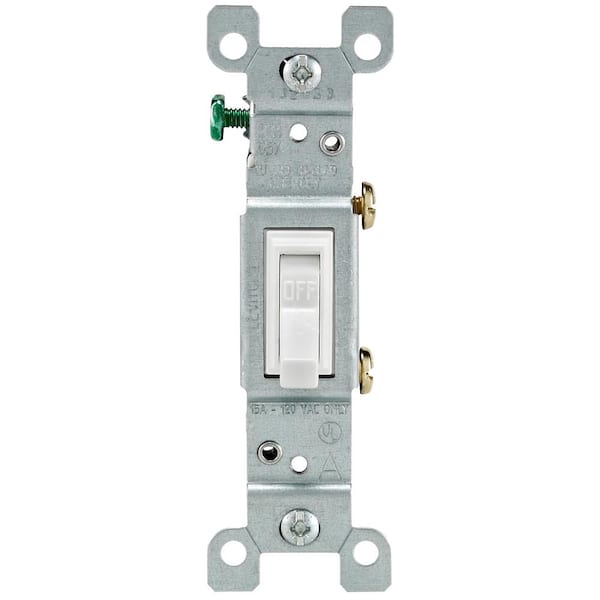
Most home light switches are rated for 15 or 20 amps. These ratings suit typical household wiring and lighting loads. A 15-amp switch works well for small rooms and simple lighting.
For larger rooms or heavier lighting, a 20-amp switch is better. It supports more current without overheating. Residential switches often have a voltage rating of 120 volts, matching standard home wiring.
Commercial Switch Ratings
Commercial buildings use switches with higher amp ratings. Common commercial switches range from 20 to 30 amps. These switches handle more power and heavier electrical loads.
Many commercial switches support 277 volts, common in office and industrial lighting. Higher amp ratings prevent switch failure and improve safety. Choosing the right commercial switch is crucial for reliable lighting control.
Choosing The Right Amp Rating
Choosing the right amp rating for a light switch is important for safety and performance. The amp rating tells you how much electrical current the switch can handle. Using the wrong amp rating can cause problems like overheating or electrical failure. This section explains how to pick the correct amp rating for your switch.
Matching Switch To Circuit Load
Each circuit has a specific load measured in amps. The light switch must match or exceed this load. For example, a 15-amp circuit needs a switch rated for at least 15 amps. Using a switch with a lower amp rating risks damage and fire hazards. Always check the circuit’s load before choosing the switch.
Factors Affecting Amp Requirements
Several factors affect the amp rating needed for a switch. The type of light fixture and number of bulbs matter. LED lights use less current than incandescent bulbs. Wiring length and condition also impact amp needs. Higher voltage or longer wires may require higher amp switches. Think about these factors to ensure safe, reliable switch operation.
Safety Concerns And Risks
Understanding the safety concerns about light switch amps is very important. Using the wrong amp rating can cause serious problems. These problems may affect your home’s electrical system and your safety. Knowing the risks helps you choose the right switch and avoid accidents.
Overloading Switches
Switches have a limit on how much current they can handle. This limit is called the amp rating. Using a switch with a lower amp rating than needed can cause overloading. Overloaded switches get hot and may melt or break. This can lead to electrical fires. Overloading also damages the switch and wiring. It is unsafe to use switches that cannot handle the electrical load.
Consequences Of Incorrect Amp Rating
Choosing a switch with the wrong amp rating brings many risks. A switch rated too low can fail quickly. This failure can cause sparks or short circuits. Sparks can start fires in walls or ceilings. A switch with too high an amp rating might not protect the circuit well. It may allow too much current, damaging other devices. Wrong amp ratings also increase repair costs. Always match the switch amp rating to the circuit load for safety.
Installation Tips For Safe Usage
Installing a light switch involves more than just connecting wires. Safety should always be the top priority. Proper installation helps avoid electrical hazards and ensures the switch works well.
Follow basic safety steps during installation. Use the right tools and materials. Turn off the power supply before starting any work. These simple actions prevent accidents and damage.
Proper Wiring Practices
Use wires that match the switch’s amp rating. Connect wires tightly to avoid loose contacts. Loose wires can cause sparks or short circuits. Keep wire colors consistent: black for hot, white for neutral, and green or bare for ground. Check connections twice before closing the switch box.
Using Circuit Breakers
Install a circuit breaker to protect the light switch. It stops electricity flow during an overload or short circuit. Choose a breaker with the correct amp rating for the switch. Test the breaker regularly to ensure it works properly. Circuit breakers reduce fire risks and damage to electrical parts.

Credit: www.youtube.com
Upgrading Light Switches
Upgrading light switches can improve safety and performance in your home. Old switches may not handle modern electrical loads well. New switches offer better durability and often support higher amperage. This helps prevent electrical problems and reduces fire risks.
Choosing the right switch amperage is key. It must match the electrical demand of your lighting setup. Upgrading provides peace of mind and ensures your system works smoothly.
When To Upgrade
Upgrade switches if they show wear or damage. Flickering lights or switches that feel hot are warning signs. Also, change switches when adding more lights or appliances. Old switches might not support the increased load safely. Upgrading helps avoid electrical hazards and power interruptions.
Choosing Higher Amp Switches Safely
Select switches with amperage ratings that match your circuit. Do not use a switch with a lower amp rating than needed. Check your home’s electrical panel for maximum current limits. Always buy switches from trusted brands that meet safety standards. If unsure, consult a licensed electrician to help choose and install switches correctly.
Specialty Switches And Amp Ratings
Specialty switches control different types of lighting and devices. Each switch has an amp rating. This rating shows the maximum current the switch can handle safely. Choosing the right amp rating prevents electrical problems and damage.
Specialty switches include dimmer switches and smart switches. They often require specific amp ratings. Understanding these ratings helps keep your home safe and your devices working well.
Dimmer Switches
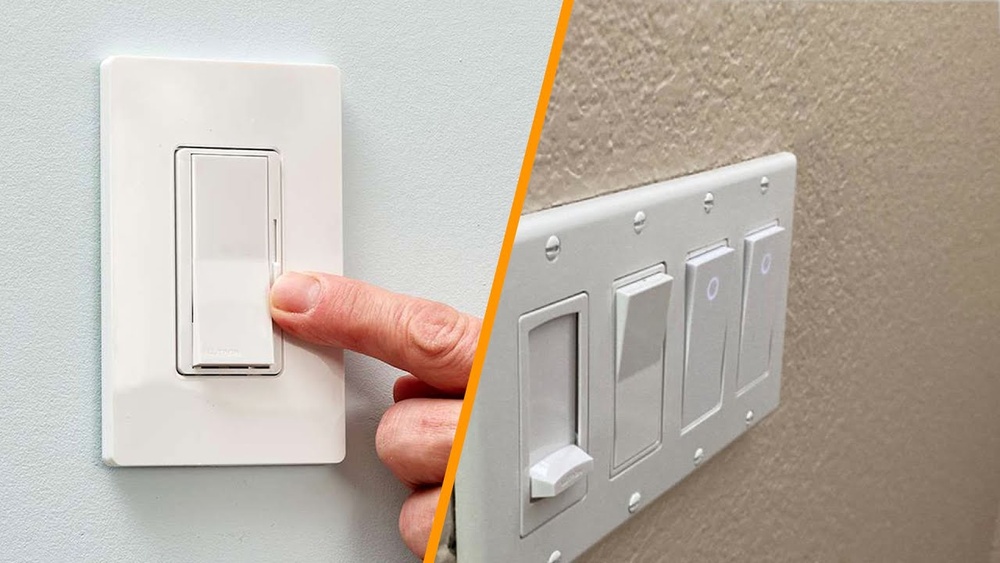
Dimmer switches adjust light brightness. They reduce or increase the power to the bulb. Most dimmer switches have amp ratings between 300 and 600 watts. This usually equals 2.5 to 5 amps. Using a dimmer with the wrong amp rating can cause overheating. It might also shorten the switch’s life. Always check the wattage and amp rating before installing a dimmer switch.
Smart Switches
Smart switches connect to Wi-Fi or other networks. They let you control lights remotely. These switches often have built-in electronics that need power. Their amp ratings vary, but most support 10 to 15 amps. This rating suits typical home lighting circuits. Some smart switches support higher amps for heavy-duty devices. Installing a smart switch with the correct amp rating ensures safe operation and reliable performance.

Credit: www.reddit.com
Common Myths About Switch Amps
Many people have wrong ideas about light switch amps. These myths cause confusion and wrong choices. Understanding the truth helps you pick the right switch safely. Let’s clear up some common myths about switch amps.
Higher Amps Mean Better Performance
Some believe switches with higher amps work better. The truth is amps show the maximum current a switch can handle. A higher amp rating does not make a switch faster or stronger. Using a switch with too high amps is not always safe. It is best to match the switch rating with the load needs.
Any Switch Works For Any Load
People think any switch can control any electrical load. This is not true. Switches have limits on amps and voltage. Using the wrong switch can cause damage or fire risks. Always check the switch rating before installation. Proper matching keeps your home safe and devices working well.
Frequently Asked Questions
How Many Amps Does A Typical Light Switch Handle?
A standard light switch usually handles 15 to 20 amps. This rating fits most residential lighting circuits safely. Always check the switch specifications to ensure it matches your circuit amperage.
Can A Light Switch Control High-amp Appliances?
No, typical light switches are not designed for high-amp appliances. High-amp devices require switches rated specifically for heavy loads or dedicated circuits.
Why Is Amp Rating Important For Light Switches?
Amp rating ensures the switch can safely handle electrical current. Using a switch with a lower amp rating risks overheating and electrical hazards.
What Happens If A Light Switch Exceeds Its Amp Rating?
Exceeding the amp rating can cause the switch to overheat. This may lead to switch failure, electrical fires, or damage to the circuit.
Conclusion
Choosing the right amp rating for your light switch matters. It keeps your home safe and your lights working well. Most switches handle 10 to 15 amps. Check your switch’s label to be sure. Using the wrong amp can cause problems or hazards.
Simple steps help avoid these issues. Always match your switch to your electrical needs. This small detail makes a big difference in your home’s safety. Remember, a proper switch keeps everything running smoothly and safely.