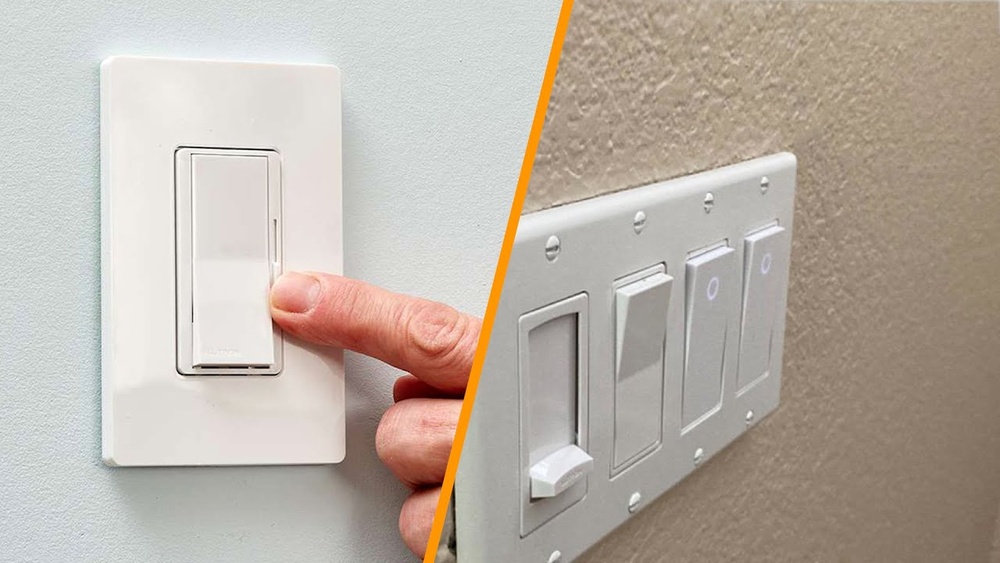
Have you ever wondered how many amps a light switch can handle? Knowing this simple fact can save you from costly mistakes and keep your home safe.
Whether you’re fixing a switch yourself or just curious about your electrical system, understanding the amp rating is key. You’ll discover exactly what amps mean for your light switch and why it matters to you. Keep reading to get the clear, easy answers you need.

Credit: www.youtube.com
Amp Ratings Of Light Switches
Light switches control electrical power to lights and devices. Each switch has an amp rating. This rating shows the maximum electrical current it can safely handle. Understanding amp ratings helps prevent electrical problems. It also ensures safe and effective use of switches in your home or office.
Common Amp Values
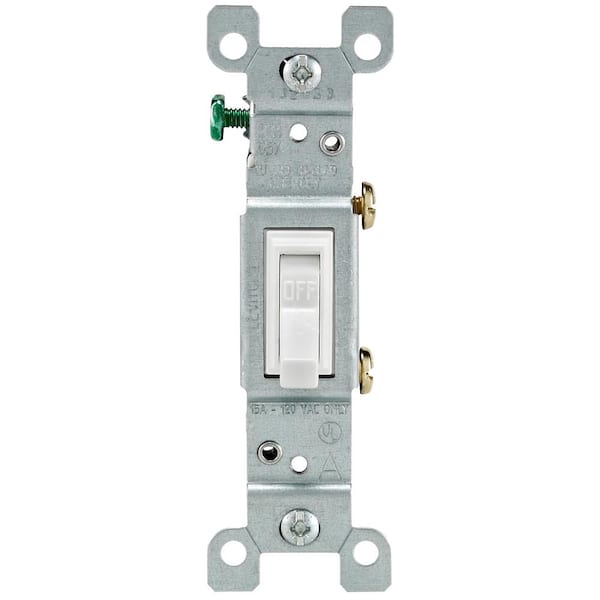
Most light switches have amp ratings between 10 and 20 amps. The 15-amp switch is the most common type found in homes. Some switches handle 20 amps for heavier electrical loads. Lower amp switches exist but are rare in residential settings. Choosing the right amp rating depends on the circuit and device requirements.
Switch Types And Their Amps
Single-pole switches usually carry 15 amps. They control one light or fixture from one location. Three-way switches also support 15 amps but control lights from two locations. Specialty switches, like dimmers, may have lower amp ratings, often around 10 amps. Heavy-duty switches for appliances can handle 20 amps or more. Matching the switch type and amp rating is key to safety.
Credit: www.homedepot.com
Factors Affecting Switch Amps
Several factors affect how many amps a light switch can handle. Understanding these helps pick the right switch for your electrical setup. The amps a switch carries depend on what it controls and how it is wired. Knowing these details can prevent electrical problems and ensure safety.
Load Types
The type of load connected to the switch greatly affects its amp rating. Different devices use different amounts of current. For example, incandescent bulbs use less current than large motors or heaters. Switches for heavy loads must support higher amps. Using a low-amp switch for a heavy load can cause overheating or failure.
Lighting loads usually draw small current, so standard switches work well. For appliances or machines, switches need to match the higher current needs. This keeps the electrical system stable and safe.
Wiring And Circuit Considerations
The wiring and circuit setup also influence the switch’s amp capacity. The wire gauge limits the current that can safely flow. Thicker wires carry more amps without overheating. Switches must match the wire size and circuit breaker rating.
Proper circuit design ensures the switch and wiring handle the current together. Poor wiring or mismatched components can lead to electrical hazards. Always check wiring and circuit details before choosing a switch.
Choosing The Right Light Switch
Choosing the right light switch is key to a safe and effective electrical setup. A proper switch handles the electrical load without risk. This protects your home and keeps your lights working well. Picking the correct amp rating matters for safety and performance.
Matching Switch Amps To Circuit
Every circuit in your home has a specific amp rating. Light switches must match or exceed this rating. For example, a 15-amp circuit needs a 15-amp switch. Using a switch with lower amps can cause overheating. A switch with too high amps is safe but may cost more. Always check the circuit’s amp before buying a switch.
Safety Standards And Codes
Switches must meet local safety codes and standards. These rules protect against electrical fires and shocks. Look for switches tested by recognized labs, like UL or CE. Installing a switch that meets codes keeps your home safe. Follow local electrical codes during installation for best results.
Consequences Of Incorrect Amp Usage
Using the wrong amp rating for a light switch can cause many problems. It affects the safety and function of your electrical system. Choosing the correct amp rating is very important to avoid risks.
Overloading Risks
Light switches have a limit on how much current they can handle. Too many amps cause overheating. This can lead to electrical fires. Overloading also damages the wiring and other parts. Safety hazards increase with wrong amp use. Always match the switch amp to the circuit load.
Switch Damage And Failure
Using a switch with too low an amp rating causes quick wear. The switch parts can melt or burn out. This leads to switch failure and loss of control. Faulty switches may cause flickering or power loss. Proper amp rating keeps the switch working well for a long time.
Upgrading And Replacing Switches
Upgrading and replacing light switches is a common task in home improvement. It helps improve safety and functionality. Old switches may not handle modern electrical demands well. New switches often support higher amps and have better designs. Knowing when and how to upgrade ensures a smooth process and safer home wiring.
When To Upgrade
Switches should be upgraded if they feel warm or spark. Flickering lights can also signal a problem. Old switches with 10-amp ratings might not suit new appliances. Upgrading to 15 or 20 amps can support more electrical load. Replace switches if they are cracked or damaged. Better switches offer stronger connections and longer life.
Installation Tips
Turn off power before starting any switch work. Use a voltage tester to confirm the power is off. Match the new switch’s amp rating with your circuit needs. Connect wires tightly to avoid loose contacts. Use wire nuts and secure grounding for safety. Test the switch after installation to ensure proper function. If unsure, consult a licensed electrician for help.

Credit: www.agrisales-inc.com
Frequently Asked Questions
How Many Amps Does A Standard Light Switch Handle?
A standard light switch typically handles 15 to 20 amps. This rating suits most residential lighting circuits safely and efficiently.
Can A Light Switch Control High-amp Appliances?
No, regular light switches aren’t designed for high-amp appliances. Specialized switches are needed for heavy electrical loads to prevent damage.
What Happens If A Light Switch Is Overloaded?
Overloading a light switch can cause overheating, damage, or fire hazards. Always match the switch amp rating with the circuit load.
Are All Light Switches Rated For The Same Amps?
No, light switches vary in amp ratings. Check the switch label for specific amp capacity before installation.
Conclusion
Light switches usually handle around 10 to 15 amps of current. This amount is enough for most home lighting needs. Choosing the right switch ensures safety and proper function. Always check the switch rating before installation. Using the wrong switch can cause problems or damage.
Simple knowledge about amps helps you make better choices. Keep your home safe by understanding basic electrical facts. Remember, light switches control current flow to your lights. Knowing their amp rating matters for every homeowner. Stay informed and take care with electrical devices.