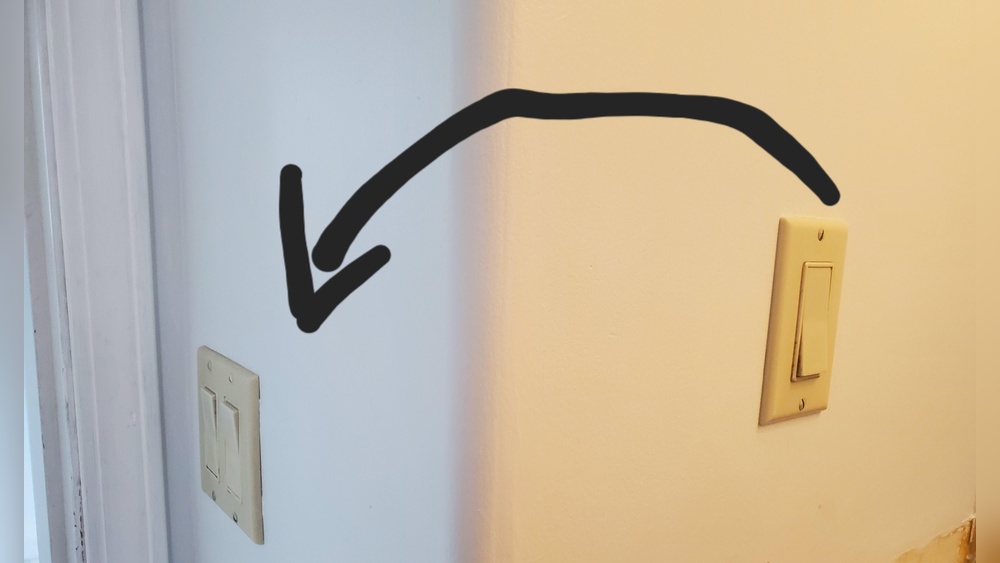
Are you planning to move a light switch in your home but unsure how much it will cost? Knowing the price upfront can save you from unexpected expenses and headaches.
Whether you want to improve your room’s layout or fix a tricky wiring issue, understanding the costs involved will help you make smarter decisions. You’ll discover the key factors that affect the price and how to get the best value for your money.
Keep reading to find out exactly how much you should expect to spend when moving a light switch.

Credit: www.reddit.com
Factors Affecting Light Switch Moving Costs
Several factors influence the cost of moving a light switch. Understanding these can help you plan your budget better. The price depends on the job’s difficulty, materials used, and local service charges. Each project is unique and affects the final cost differently.
Distance And Complexity
The farther you move a light switch, the higher the cost. Longer distances need extra wiring and more labor. Complex moves require cutting walls or rerouting circuits. These tasks take more time and increase expenses.
Type Of Switch
Simple switches cost less to move than advanced ones. Dimmer switches or smart switches have more parts. Moving these requires extra care and skill. This raises the price compared to standard switches.
Electrical Wiring Condition
Old or damaged wiring can increase moving costs. Electricians may need to replace or upgrade wires. Good wiring makes the job faster and cheaper. Checking wiring before the move avoids surprises later.
Labor Rates In Your Area
Labor costs vary by location and company. Urban areas usually charge more than rural ones. Skilled electricians often cost more than general handymen. Knowing local rates helps estimate your total cost.
Typical Price Ranges For Moving A Light Switch
Moving a light switch involves different costs based on the job’s difficulty. Knowing typical price ranges helps plan your budget. Costs vary by the type of relocation and the work needed inside walls.
Basic Switch Relocation Costs
Simple moves usually cost between $100 and $200. This includes moving the switch within the same room. Electricians charge for labor and materials like wiring and boxes. Basic jobs take about one to two hours to finish.
Costs For Complex Installations
Complex jobs cost more, ranging from $200 to $400 or more. These include moving switches across rooms or floors. Extra wiring, wall repairs, or finding studs adds time. Older homes might need upgrades, raising the price.
Additional Expenses To Expect
Expect extra charges for permits or inspections in some areas. Wall patching and painting after the move can add $50 to $150. Using high-end switches or smart controls increases material costs. Always ask for a full estimate before work starts.
Diy Vs Professional Help
Deciding whether to move a light switch yourself or hire a professional is important. Both options have benefits and risks. Knowing the differences helps you choose the best path for your needs.
Pros And Cons Of Diy
Doing it yourself can save money. You only pay for materials, not labor. You learn a new skill and feel proud. But, mistakes can cause electrical problems or injury. It takes time to research and prepare. Without experience, you might spend more fixing errors later.
When To Hire An Electrician
Call a professional if the wiring is old or complex. If you don’t understand electrical systems, an expert can prevent hazards. Large projects often need permits and inspections. Professionals have tools and knowledge to do the job quickly. Hiring an electrician gives peace of mind and safety.
Safety Considerations
Electric work is risky. Turn off power before starting any project. Use insulated tools and wear safety gear. Avoid working in wet areas or on live circuits. Know your limits. Always follow local codes and rules. When unsure, stop and get help from a pro.
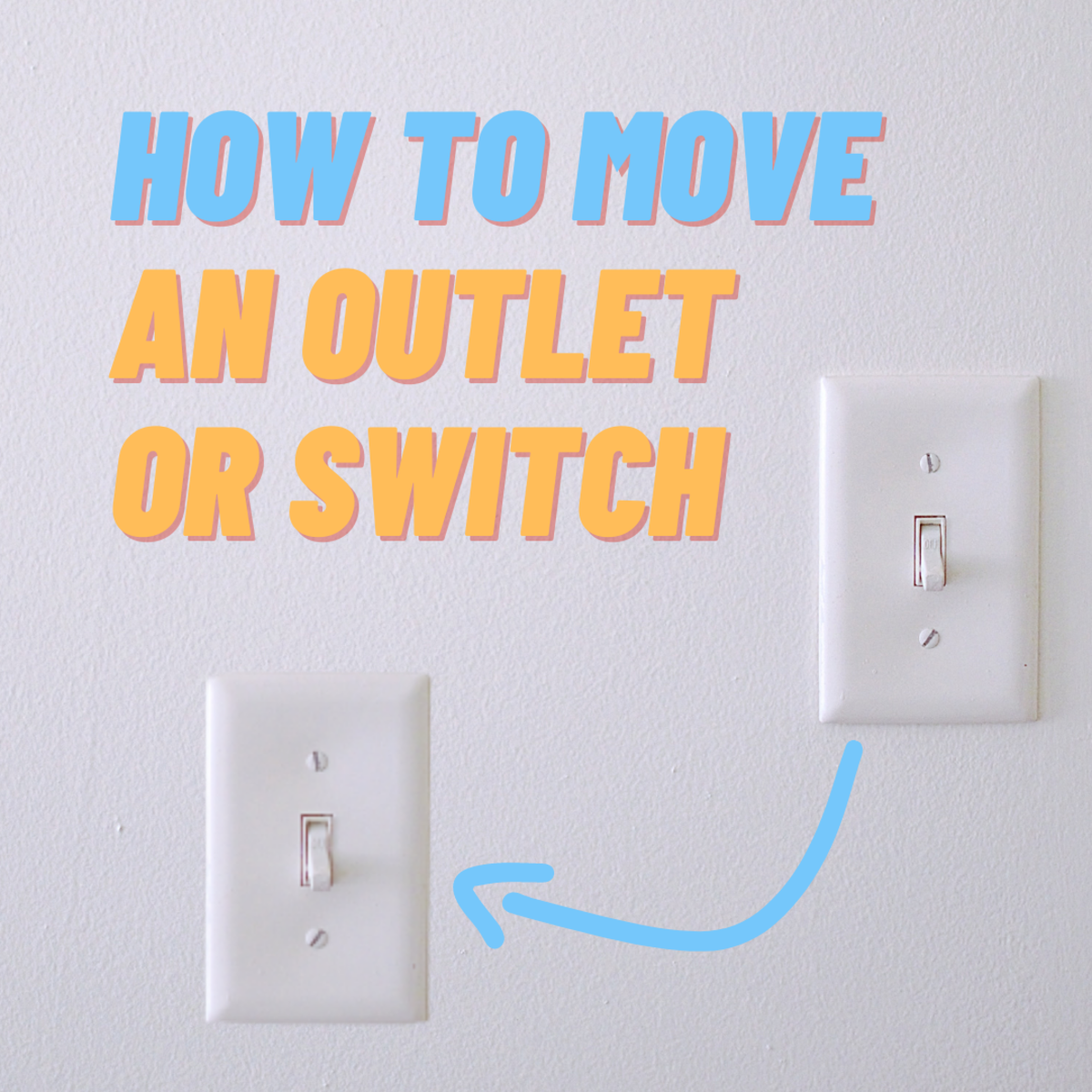
Credit: discover.hubpages.com
Ways To Save On Light Switch Moving
Moving a light switch can be costly, but there are smart ways to save money. Simple steps can reduce the overall expense. Planning and strategy help lower costs without sacrificing quality.
Bundling Electrical Projects
Combine moving the light switch with other electrical tasks. Doing many jobs at once saves labor costs. Electricians often give discounts for bigger projects. This approach reduces the time and money spent on multiple visits.
Choosing The Right Time For Repairs
Pick a time when electricians have fewer jobs. Off-season or weekdays often have lower rates. Scheduling work during these times can cut costs. Avoid urgent requests, which usually cost more.
Getting Multiple Quotes
Request quotes from several electricians before deciding. Compare prices and services carefully. This step helps find the best deal for your budget. Don’t choose the cheapest blindly; consider quality too.
Tools And Materials Needed
Moving a light switch requires the right tools and materials to ensure safety and success. Having everything ready before starting saves time and avoids mistakes. Knowing what you need helps plan the budget too.
Essential Tools For The Job
Start with a voltage tester to check power is off. Use a flathead and a Phillips screwdriver for removing and installing screws. Wire strippers help prepare wires without damage. Needle-nose pliers bend and hold wires securely. A tape measure ensures accurate placement of the new switch. Finally, electrical tape insulates wire connections for safety.
Material Costs Breakdown
A standard single-pole light switch costs between $2 and $5. Electrical boxes range from $3 to $10 depending on type. Wire costs vary but expect about $10 for a basic roll. Other small items like wire nuts and electrical tape add around $5. Total material costs usually stay under $30 for most moves.
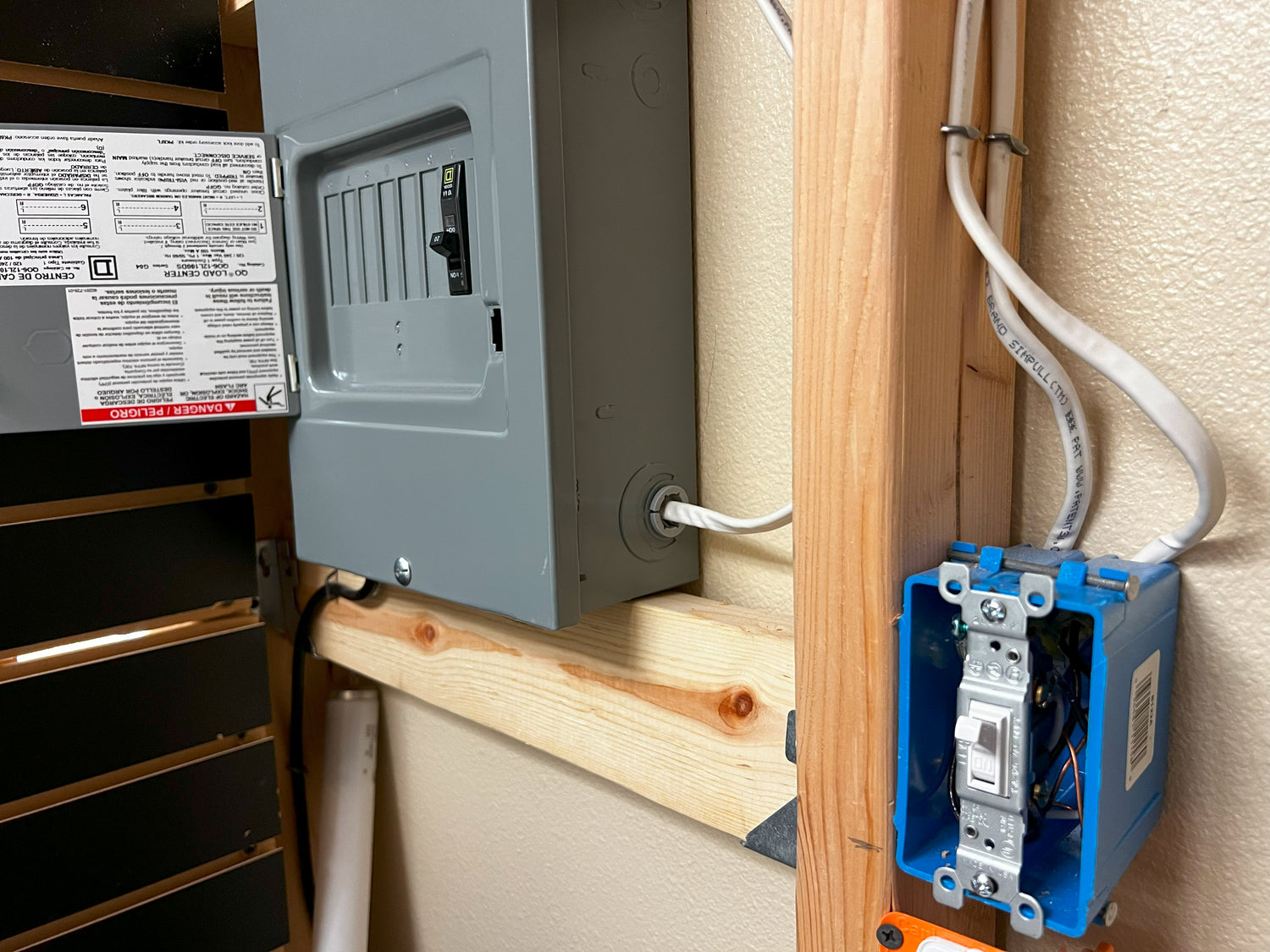
Credit: runlesswire.com
Permits And Code Requirements
Moving a light switch might seem simple, but permits and codes play a key role. Following local rules keeps your home safe. It also avoids fines and extra costs. Understanding these rules helps you plan the job right.
Local Regulations
Each city or town has its own rules for electrical work. These rules protect people and property. They cover how to install or move light switches safely. Check your local building department for specific guidelines. This ensures your project meets all legal standards.
When Permits Are Required
Permits are often needed for electrical changes. Moving a light switch usually requires one. This depends on the job size and location. Permits ensure a qualified person checks the work. They help avoid problems during home sales or inspections.
Ensuring Code Compliance
Electrical codes set the standards for safe work. Following these codes reduces fire and shock risks. Use proper wiring, boxes, and switch types. If unsure, hire a licensed electrician. They know how to meet code requirements correctly.
Common Challenges And Solutions
Moving a light switch involves some challenges that affect the cost and effort. Knowing common problems helps you plan better and avoid surprises. Here are key challenges and ways to handle them effectively.
Dealing With Old Wiring
Old wiring can cause safety risks and extra work. It may not meet current codes or be fragile. Electricians often need to replace or repair wires before moving the switch.
This adds to the cost but ensures safety. Testing the wiring early prevents delays during the move.
Access Issues
Accessing the switch’s new location can be tricky. Walls may need opening or rewiring through tight spaces. This takes more time and skill.
Planning the route for wires helps reduce damage and cost. Sometimes, new holes or channels are required for proper installation.
Unexpected Costs
Hidden problems can increase the budget. Examples include damaged drywall, outdated electrical boxes, or extra wiring length.
Setting aside extra funds covers these surprises. Clear communication with your electrician helps avoid unexpected bills.
Preparing For The Move
Preparing to move a light switch is an important step for a safe and smooth project. Proper preparation helps avoid mistakes and keeps you safe. It also saves time and effort during the move. Follow these simple steps to get ready.
Planning The Switch Location
Choose a spot that is easy to reach and fits your room layout. Check the wall space and avoid areas with pipes or wires. Think about the height and convenience for daily use. Mark the new location clearly before starting work.
Turning Off Power Safely
Always switch off the power at the main circuit breaker. Double-check the power is off by testing the switch or using a voltage tester. Never work on electrical parts with live power. Safety is the top priority to avoid shocks or accidents.
Gathering Necessary Tools
Collect all tools before you start. You will need a screwdriver, wire stripper, voltage tester, and electrical tape. Having tools ready saves time and helps you work better. Use tools in good condition for safe handling.
Frequently Asked Questions
How Much Does It Cost To Move A Light Switch?
Moving a light switch typically costs between $100 and $300. The price varies based on wall type and wiring complexity.
Can I Move A Light Switch Myself Safely?
Yes, if you have basic electrical knowledge and follow safety rules. Otherwise, hire a professional electrician.
What Factors Affect Light Switch Relocation Cost?
Costs depend on wall material, wiring difficulty, switch type, and local labor rates. Complex jobs cost more.
How Long Does It Take To Move A Light Switch?
A professional electrician usually completes the job in 1 to 2 hours, depending on complexity.
Conclusion
Moving a light switch costs depend on several factors. Distance, wall type, and electrician fees all matter. On average, expect to pay between $100 and $300. Doing it yourself can save money but may risk safety. Always check local codes before starting any electrical work.
Getting a professional ensures the job is done right. Planning helps avoid unexpected expenses and delays. Think about how the new switch location will fit your needs. Careful choices lead to better results and safer homes.