Have you ever wondered what really happens inside your light switch when you flip it on or off? Understanding how light switches work can help you feel more confident around your home’s wiring and even save you money on repairs.
You’ll discover a clear, easy-to-follow diagram that breaks down the inner workings of a light switch step by step. By the end, you’ll see just how simple it is—and you might even impress friends with your new knowledge. Ready to shed some light on this everyday mystery?
Let’s dive in.
:strip_icc()/illustration-light-wiring-68fbf7c0-bcacb28c3bdc4eed8bda3204ffee82c4.jpg)
Credit: www.bhg.com
Basic Components
Understanding how light switches work starts with knowing their basic components. These parts work together to control the flow of electricity. Each component plays a role in turning lights on or off. Let’s explore the main parts involved in a light switch system.
Switch Types
There are several types of light switches used in homes and buildings. The most common is the single-pole switch. It controls one light or set of lights from one location. Another type is the three-way switch. It controls lights from two different places. Dimmer switches adjust the light brightness. Each switch type changes the flow of electricity differently.
Electrical Circuit Elements
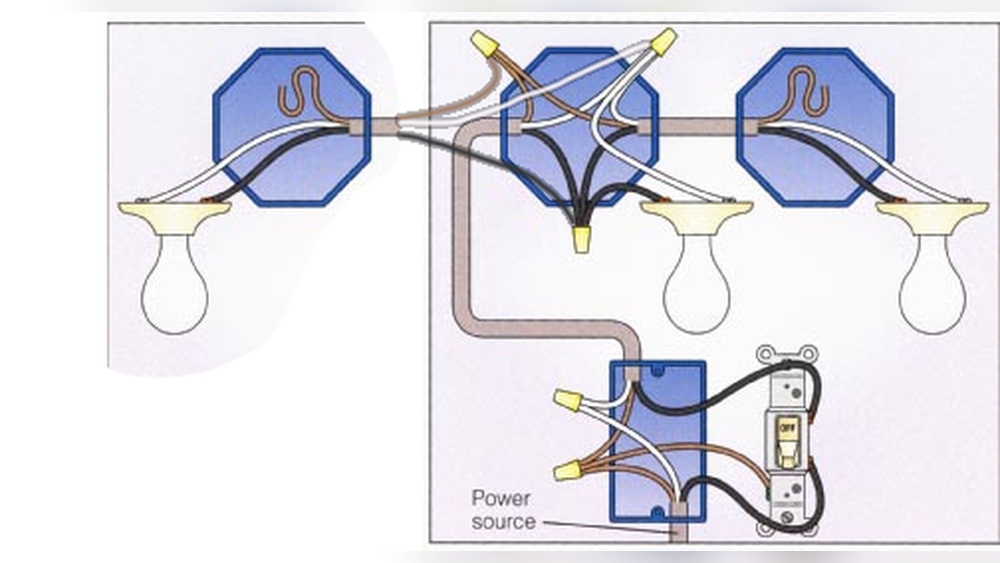
A light switch is part of a simple electrical circuit. The key elements include the power source, wires, switch, and light bulb. The power source provides electricity. Wires carry the electric current to the switch and bulb. The switch opens or closes the circuit to stop or allow electricity. The light bulb uses electricity to produce light. All parts must work together for the light to function.
Circuit Flow
The circuit flow inside a light switch is simple yet important. It controls how electricity moves to power a light bulb. Understanding this flow helps you see how the switch turns a light on or off.
Current Path
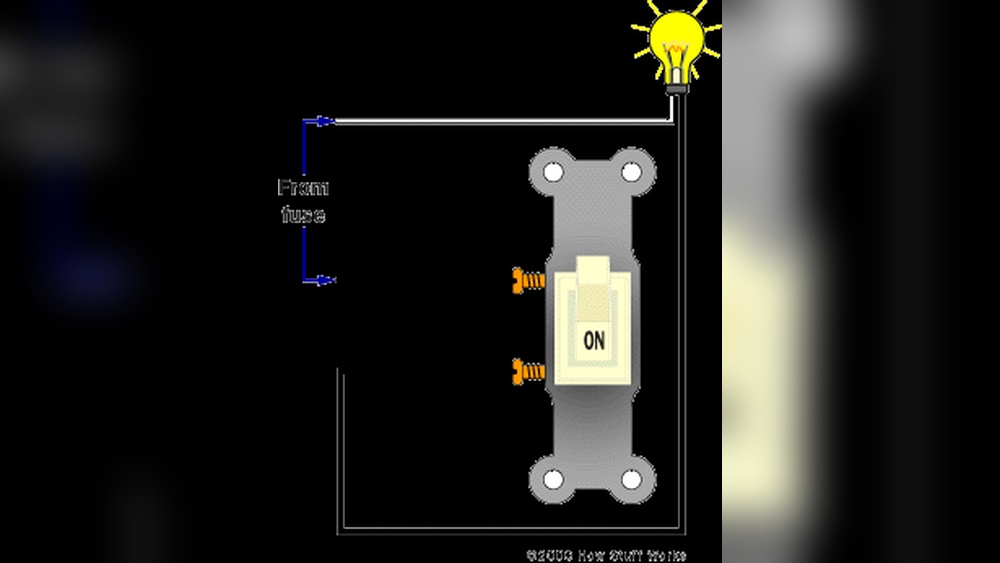
Electricity flows through wires in a loop called a circuit. The current travels from the power source to the light bulb. It passes through the switch along the way. When the switch is on, the path is complete. This lets electricity reach the bulb and light it up. If the switch is off, the path breaks. The current stops, and the light stays off.
Switch Operation
The switch acts like a gate for the current. It opens or closes the circuit. When you flip the switch on, the gate closes. This lets electricity flow freely. Flipping it off opens the gate and stops the flow. Inside the switch, metal contacts move apart or together. Their position decides if the current can pass or not. This simple action controls the light’s power.
Wiring Diagrams
Wiring diagrams show how electrical parts connect inside a light switch. They help you understand the flow of electricity. These diagrams use simple lines and symbols to represent wires and components. Knowing how to read them makes installing or fixing switches easier.
Single-pole Switch
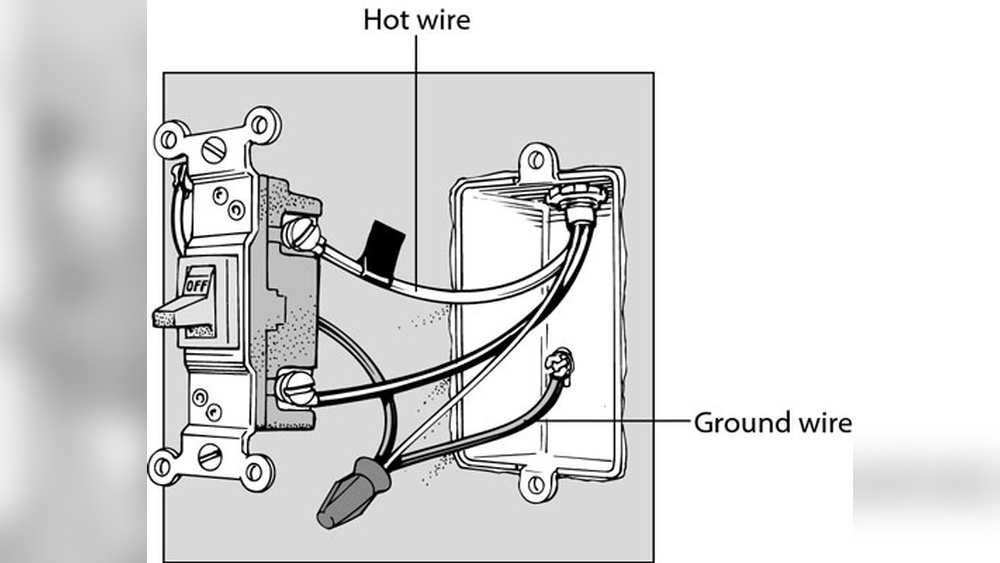
A single-pole switch controls one light from one place. The wiring diagram shows two main wires. One wire brings power into the switch, called the “line.” The other wire carries electricity to the light, called the “load.” The switch opens or closes the circuit, turning the light on or off. A ground wire is also included for safety. This setup is simple and common in most homes.
Three-way Switch
A three-way switch controls one light from two places. The wiring diagram has more wires than the single-pole. It uses two switches connected by traveler wires. One wire brings power in, and another sends power to the light. The traveler wires carry current between switches. This lets you turn the light on or off from either switch. The ground wire protects the system. This setup is useful for hallways or large rooms.
:max_bytes(150000):strip_icc()/how-light-switches-work-2175162-2-V1-c86fba8610b14f178ad09d7ef8d3184c.jpg)
Credit: www.thespruce.com
Common Issues
Light switches can stop working properly for several reasons. Understanding common issues helps in quick fixes. Most problems come from wiring or the switch itself. Knowing these issues saves time and effort.
Faulty Wiring
Wiring problems cause many switch failures. Loose connections can make the switch flicker or not work. Old wires may break inside the wall. This stops electricity from flowing correctly. Faulty wiring also creates safety risks like short circuits. Checking the wires carefully is important. Fixing or replacing bad wiring solves the problem.
Switch Wear
Switches wear out after years of use. The internal parts can get damaged or dirty. This causes the switch to feel stiff or not click. Sometimes the switch works only sometimes. Dust and dirt build-up also block the mechanism. Replacing the old switch with a new one often helps. Regular use wears switches down over time.
Safety Tips
Safety is very important when working with light switches. Following safety tips helps avoid accidents and damage. Understanding how to handle and install switches correctly protects you and your home.
Proper Installation
Always turn off the power before starting any installation. Use a voltage tester to confirm the power is off. Follow the wiring diagram carefully to connect wires correctly. Tighten screws firmly but do not overtighten. Use insulated tools to reduce the risk of electric shock. If unsure, ask a professional electrician to install the switch.
Handling Precautions
Do not touch wires with wet hands. Keep switches and wiring away from water sources. Avoid forcing parts during installation or repair. Use gloves to protect your hands from sharp edges. Check for damaged wires or parts before handling. Replace any faulty components immediately to prevent hazards.

Credit: www.youtube.com
Frequently Asked Questions
How Do Light Switches Control Electrical Flow?
Light switches control electrical flow by opening or closing a circuit. When switched on, they complete the circuit, allowing electricity to flow to the light. When off, the circuit breaks, stopping the flow and turning the light off. This simple action controls the light’s operation effectively.
What Types Of Light Switches Are Commonly Used?
Common types include single-pole, three-way, and dimmer switches. Single-pole switches control one light from one location. Three-way switches allow control from two locations. Dimmer switches adjust light brightness. Each type serves different functions in home lighting systems.
How Does A Single-pole Light Switch Work?
A single-pole switch has two terminals and controls one light or fixture. Flipping the switch completes or breaks the circuit. This allows current to flow or stops it. It is the most common light switch type in homes.
Can Light Switches Work With Smart Home Systems?
Yes, smart switches replace traditional ones and connect to Wi-Fi. They allow remote control via apps or voice assistants. Smart switches also offer scheduling and energy monitoring features. Integration enhances convenience and energy efficiency in modern homes.
Conclusion
Understanding how light switches work helps with basic home repairs. The simple diagram shows the flow of electricity clearly. Switches connect or break the electric circuit to turn lights on or off. Knowing this can save time and money on small fixes.
It also makes you more confident around electrical devices. Keep this knowledge handy for future use. Learning a bit about wiring is always useful. Light switches might seem small, but they play a big role in daily life.