Are you planning to install a floating shelf but unsure about the right bracket size? Choosing the perfect bracket is key to making sure your shelf stays strong and looks great.
If the bracket is too small, your shelf could sag or even fall. Too big, and it might look bulky or be hard to install. You’ll discover exactly what size bracket works best for your floating shelf, no matter the weight or length.
Keep reading to find out how to pick the right bracket that matches your needs and gives your space a clean, stylish finish.

Credit: www.amazon.com
Choosing Bracket Size
Choosing the right size bracket is key for a strong floating shelf. The bracket must support the shelf and its contents safely. Picking the wrong size can cause the shelf to tilt or fall. Understanding what affects bracket size helps you make the right choice.
Several factors play a role in selecting the proper bracket size. These include the shelf’s dimensions, the weight it will carry, and the wall type. Each factor influences the strength and length of the bracket needed.
Factors Affecting Size
Bracket size depends on how much weight the shelf will hold. Heavier items need longer and thicker brackets. The shelf’s depth also matters. A deeper shelf requires a bracket that reaches farther to support it well. Brackets come in different lengths and thicknesses to match these needs.
Shelf Dimensions And Weight
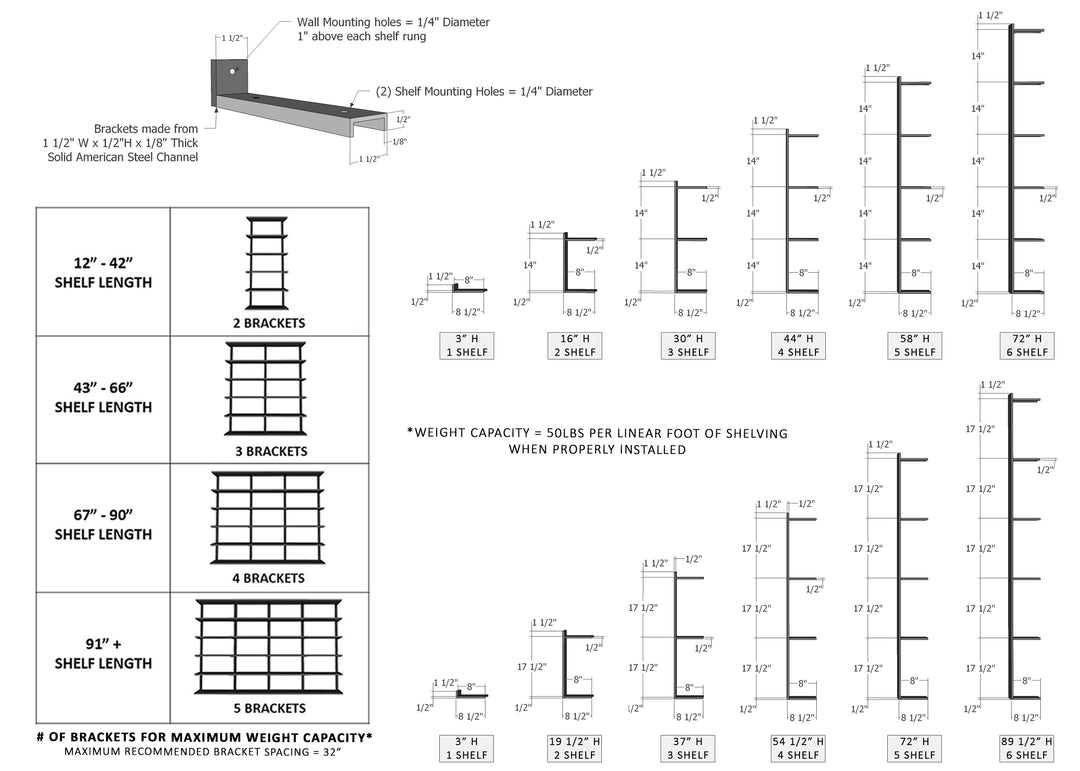
Measure the shelf length and depth before choosing a bracket. Longer shelves often need two or more brackets for balance. Consider the weight of items placed on the shelf. Books, plants, or electronics add weight. Heavy loads require sturdy brackets that can hold more weight without bending.
Wall Material Considerations
Wall type affects bracket choice too. Drywall needs special anchors for strong support. Concrete or brick walls allow for heavy brackets with strong screws. Wood studs offer the best support. Find the studs and attach the bracket directly for maximum strength. Knowing your wall material ensures the shelf stays secure.
Credit: vaultfurniture.com
Types Of Brackets
Choosing the right bracket is key for a floating shelf. Brackets hold the shelf and keep it steady. Different shelves need different brackets. Knowing bracket types helps you pick the best size and style.
Standard Floating Brackets
Standard brackets are the most common type. They fit inside the shelf and attach to the wall. These brackets work well for light to medium loads. Simple and strong, they suit most rooms. Sizes vary, so choose one that fits your shelf depth.
Heavy-duty Options
Heavy-duty brackets support heavier shelves and items. Made from thick metal or steel, they offer extra strength. Use these for books, plants, or heavy decor. They can be larger and may show more than standard types. Pick the right size to hold your shelf safely.
Invisible Brackets
Invisible brackets create a clean, floating look. They hide inside the shelf and wall, unseen from outside. These brackets give a modern and sleek style. Perfect for minimalist spaces or art displays. Size depends on shelf thickness and weight to ensure safety.
Measuring For Perfect Fit
Measuring for the perfect fit ensures your floating shelf looks great and stays strong. Proper measurements help you choose the right bracket size. This keeps the shelf stable and supports your items safely. Follow these steps to get the best results for your shelf installation.
Determining Shelf Depth
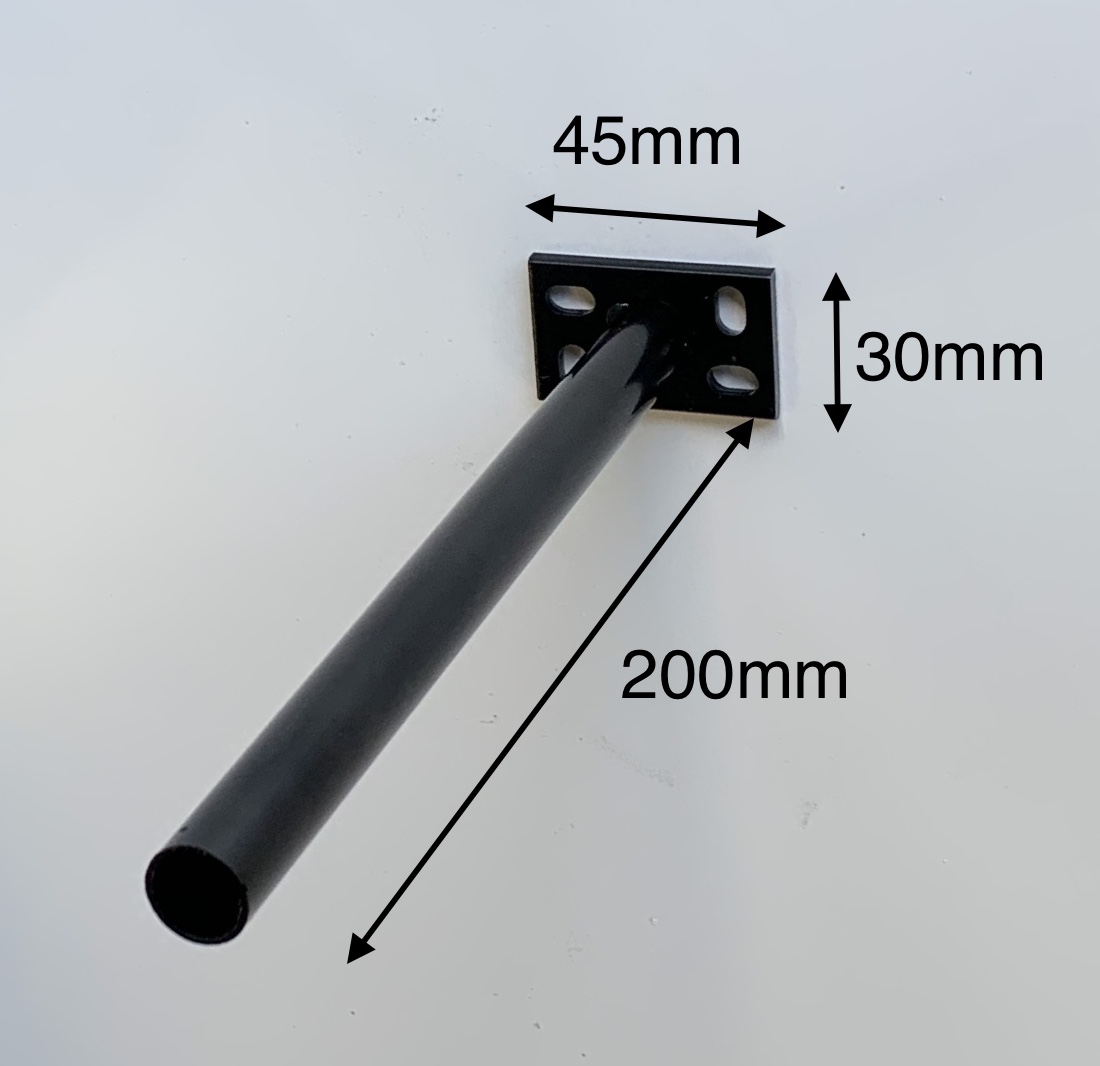
Measure the distance from the wall to the shelf front. This is the shelf depth. Choose brackets that match or slightly exceed this depth. Brackets too short won’t support the shelf properly. Brackets too long may stick out and look odd.
Calculating Load Capacity
Estimate the weight your shelf will hold. Include books, decor, or other items. Check the bracket’s maximum load rating. Pick brackets with a higher load capacity than your estimate. This prevents sagging and keeps your shelf safe over time.
Spacing Between Brackets
Measure the shelf length to decide bracket spacing. For heavy loads, place brackets closer together. For lighter shelves, spacing can be wider. Usually, space brackets 16 to 24 inches apart. Proper spacing gives good support and balance.
Installation Tips
Installing floating shelves needs careful attention. Proper installation ensures shelves hold weight and look good. Follow these simple tips for a strong and neat setup.
Locating Wall Studs
Find wall studs using a stud finder or knock on the wall. Studs are usually 16 to 24 inches apart. Mark the stud positions with a pencil. Always attach brackets to studs for better support.
Using Anchors And Screws
Choose anchors and screws that fit your wall type and shelf weight. Use heavy-duty anchors for drywall if no stud is available. Drive screws firmly but avoid over-tightening. This keeps the shelf steady and secure.
Leveling And Securing The Shelf
Use a level tool to keep your shelf straight. Check the level before tightening screws fully. Secure the shelf brackets tightly to avoid wobbling. Double-check stability by gently pressing on the shelf.
Common Mistakes To Avoid
Choosing the right bracket for a floating shelf might seem simple. Many people make mistakes that weaken the shelf or cause it to fall. Avoiding common errors helps keep your shelf strong and safe. Here are some frequent mistakes to watch out for.
Choosing Incorrect Bracket Size
Using a bracket too small can cause the shelf to tilt or collapse. Brackets must match the shelf’s length and weight capacity. Oversized brackets can look bulky and ruin the shelf’s sleek look. Measure your shelf carefully before buying brackets.
Ignoring Wall Strength
Not all walls hold weight the same. Drywall alone cannot support heavy shelves well. Always check if the wall has studs or solid backing. Use anchors designed for your wall type to avoid accidents. Weak walls need extra support for floating shelves.
Overloading The Shelf
Placing too many heavy items stresses the bracket and wall. Each shelf has a weight limit, which must be respected. Spread items evenly across the shelf to balance weight. Overloading can cause damage to your wall and shelf.
Maintenance And Safety
Maintaining floating shelves and ensuring safety is key for lasting use. Proper care avoids damage and accidents. Regular checks and adjustments keep shelves sturdy and secure.
Regular Inspections
Check brackets and shelves every few months. Look for loose screws or cracks in the wall. Tighten any loose parts to keep shelves stable. Early fixes prevent bigger problems later.
Adjusting Bracket Support
Sometimes brackets may need small adjustments. Make sure they hold the shelf level and strong. Use a level tool to check balance. Reposition brackets if the shelf tilts or feels weak.
Preventing Shelf Sagging
Shelf sagging happens when weight is too much or brackets are weak. Choose the right bracket size for your shelf and load. Spread weight evenly on the shelf. Avoid placing heavy items on one side.
Credit: mastershelf.co.uk
Frequently Asked Questions
What Size Bracket Supports A 12-inch Floating Shelf?
A 12-inch floating shelf typically requires a bracket at least 10 to 12 inches long. This size ensures adequate support and stability for the shelf and its contents.
How To Choose The Right Bracket Size For Heavy Shelves?
Select a bracket that matches the shelf length and supports the shelf weight. Longer brackets with thicker metal provide better strength for heavy loads.
Can Small Brackets Hold Large Floating Shelves Securely?
Small brackets can be used only for light loads on large shelves. For secure support, match bracket size closely with shelf length and weight capacity.
What Bracket Size Is Best For Deep Floating Shelves?
For deep shelves (over 12 inches), use brackets at least 75% of shelf depth. This prevents sagging and increases load-bearing capacity.
Conclusion
Choosing the right bracket size keeps your floating shelf steady and safe. Small brackets may not hold heavy items well. Large brackets offer better support but might look bulky. Measure your shelf and consider the weight it will carry. Strong brackets make shelves last longer and look neat.
Remember, balance between size and strength matters most. With the right bracket, your shelf will stay secure and stylish. Simple steps lead to a perfect floating shelf setup.