Are you wondering what size bracket you need for your shelf? Choosing the right bracket might seem simple, but it’s actually key to keeping your shelf strong and safe.
Pick a bracket that’s too small, and your shelf could sag or even fall. Go too big, and you might waste space or money. You’ll discover exactly how to find the perfect bracket size for your shelf—so you can hang your items with confidence and avoid costly mistakes.
Keep reading to get the easy, practical tips you need!
Choosing Shelf Bracket Sizes
Choosing the right size for shelf brackets is important. It affects how much weight the shelf can hold. It also affects the look of the shelf. The size depends on the shelf length and what you want to put on it.
Brackets that are too small can bend or break. Too large brackets can look odd and take up too much space. Finding the right balance helps keep shelves safe and attractive.
Factors Influencing Bracket Size
The length of the shelf is a key factor. Longer shelves need bigger brackets for support. The weight of the items on the shelf also matters. Heavy items require stronger and larger brackets.
The material of the shelf plays a role too. Wood or glass shelves might need different bracket sizes. Wall type is important. Drywall, brick, or concrete walls hold brackets differently.
Look at the style of the shelf. Some designs need brackets that match their shape and size. Measure everything carefully before choosing brackets.
Standard Bracket Dimensions
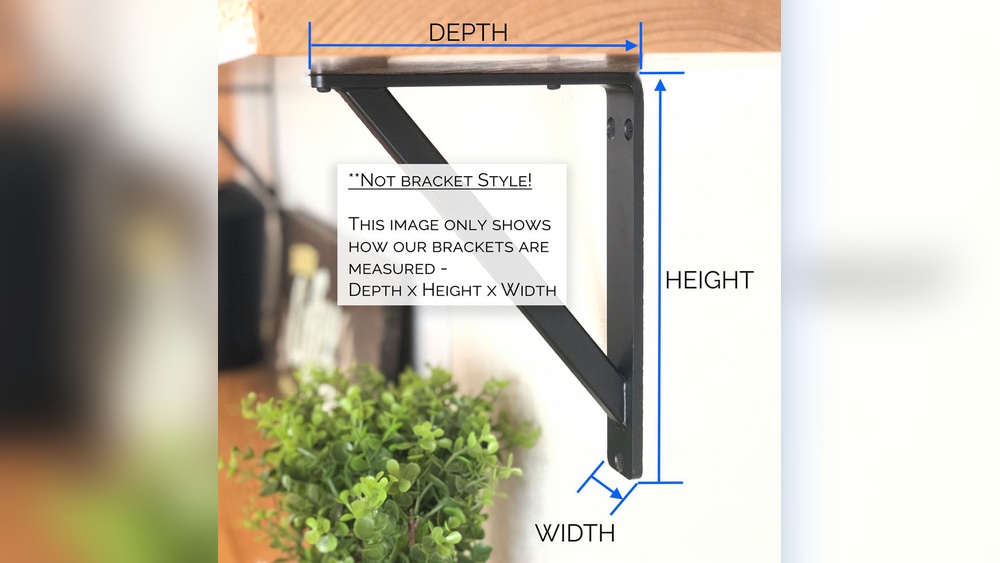
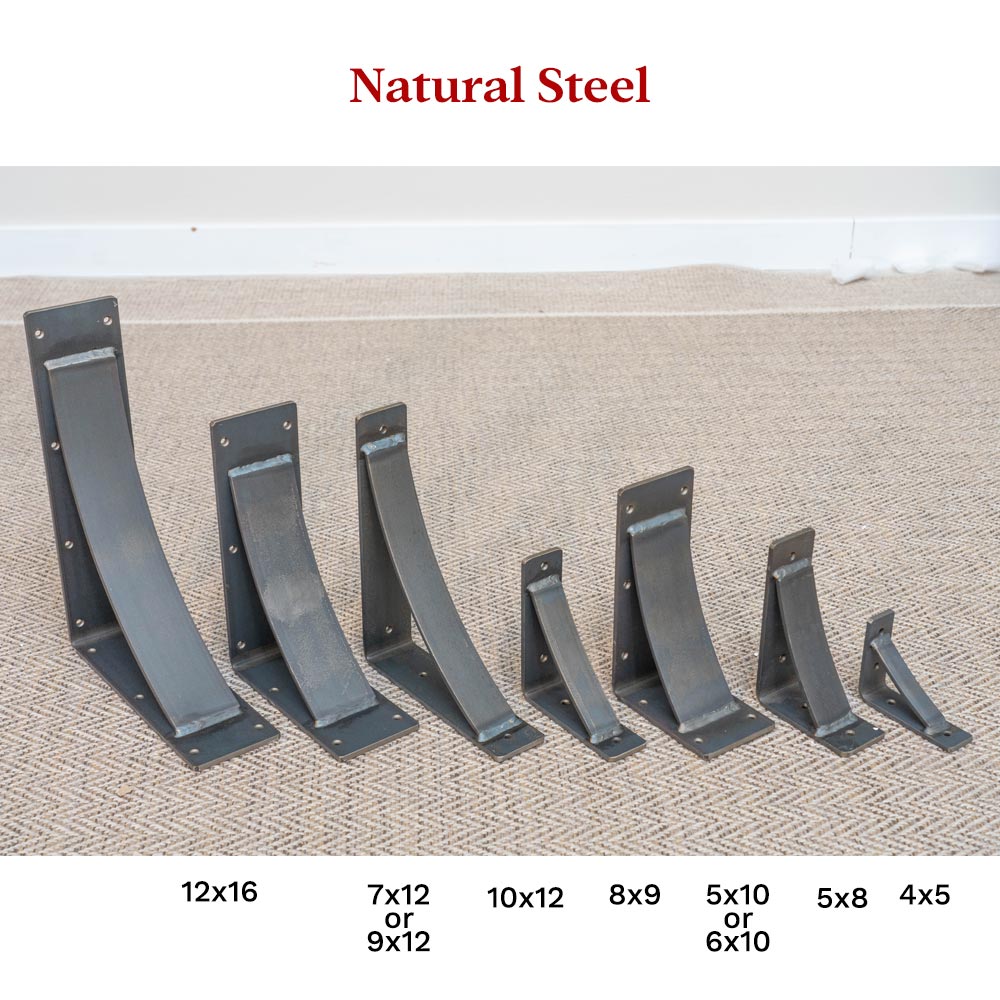
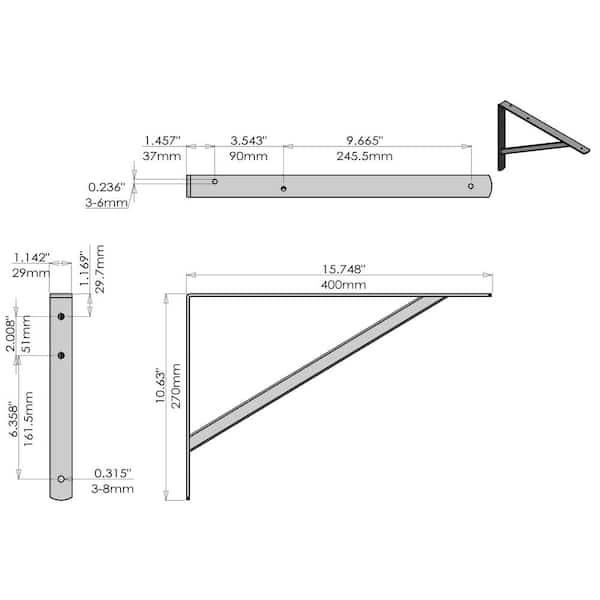
Common bracket sizes range from 6 to 14 inches in length. Brackets around 6 to 8 inches suit small shelves. Medium shelves often use 8 to 10 inch brackets.
Large shelves usually require brackets 12 inches or longer. The width of the bracket arm is usually about 1 to 2 inches. Thicker brackets can hold more weight.
Standard thickness ranges from 1/8 to 1/4 inch. Choose size based on shelf length and expected load. Always check bracket weight limits before buying.
Credit: rusticreddoor.com
Weight Capacity And Shelf Length
The weight capacity and shelf length are key factors when choosing the right bracket for a shelf. Shelves must hold items safely without bending or falling. The bracket size affects how much weight the shelf can support. A longer shelf needs stronger or more brackets to stay stable. Understanding these points helps pick the correct bracket size for your shelf.
Calculating Load Requirements
Start by estimating the total weight the shelf will carry. Add the weight of all items you plan to put on it. Include heavy objects like books or tools. Also, consider the shelf’s own weight. Divide the total weight by the number of brackets to find the load per bracket. Choose brackets that can support this load or more. This prevents damage or accidents.
Matching Bracket Size To Shelf Length
Bracket size depends on shelf length and weight. Longer shelves need larger or more brackets for support. Small brackets suit short shelves with light loads. Large brackets work best for long, heavy shelves. Place brackets evenly along the shelf to spread the weight. This keeps the shelf steady and safe.
Material Types And Their Impact
Choosing the right material for shelf brackets affects both style and strength. Different materials offer unique benefits. Understanding these helps select the best bracket size and type for your shelf needs.
Wood Vs Metal Brackets
Wood brackets bring a warm, classic look to shelves. They suit lighter loads and decorative purposes. Wood is easy to paint or stain to match room decor.
Metal brackets provide a modern, industrial feel. They handle heavier weights and last longer in tough conditions. Metal brackets often have sleek designs for minimalism.
Durability And Support Considerations
Metal brackets generally support more weight than wood. They resist bending and damage from moisture better. Wood brackets may crack or warp under heavy loads.
Consider the shelf size and what it will hold. Heavy items need stronger brackets, often metal with a larger size. Lighter shelves can use smaller wood brackets for style.
Credit: www.homedepot.com
Installation Tips For Stability
Installing shelf brackets correctly keeps your shelf steady and safe. Small mistakes can cause shelves to fall or tilt. Follow these tips to make sure your shelf stays strong and balanced.
Focus on the right tools and methods for a secure fit. Proper installation helps hold the weight of your items without damage.
Proper Wall Anchoring
Use anchors that match your wall type. Drywall needs special anchors to hold weight. For brick or concrete walls, use masonry anchors. Screw brackets tightly but avoid over-tightening. This stops damage to walls and brackets.
Find wall studs with a stud finder. Screwing directly into studs gives extra support. Anchors work only if installed correctly and in the right spots.
Spacing Between Brackets
Place brackets evenly under the shelf. Too far apart causes sagging or breaking. Measure the shelf length and divide by the number of brackets plus one. This spacing spreads the weight well.
For heavy loads, add more brackets closer together. Small shelves need at least two brackets. Larger shelves may need three or more for better stability.
Special Shelf Bracket Designs
Shelf brackets are not just support tools. They can also enhance your room’s style. Special shelf bracket designs offer both beauty and strength. Choosing the right design depends on your needs and shelf size.
Decorative Vs Functional Brackets
Decorative brackets add charm and character to shelves. They come in various shapes like scrolls, leaves, or geometric patterns. These brackets focus on style but still support light to medium weight shelves. Functional brackets prioritize strength and durability. They often have simple, clean lines and are made from strong materials like steel. They suit heavier shelves holding books or tools. Choose decorative brackets for style. Pick functional ones for heavy loads.
Adjustable And Folding Options
Adjustable brackets let you change shelf height easily. This flexibility helps when shelf needs change over time. Folding brackets fold flat against the wall. They save space in small rooms or workshops. These brackets are useful for temporary shelves or work surfaces. Both adjustable and folding types combine convenience with support. Ideal for multi-use spaces or evolving storage needs.

Credit: vadania.de
Frequently Asked Questions
What Size Bracket Supports A 12-inch Shelf?
A 12-inch shelf typically requires brackets that are 10 to 12 inches long. This length supports the shelf’s depth securely. Using brackets smaller than the shelf depth can cause instability. Always match bracket size closely to shelf size for best support.
How To Choose Bracket Size For Heavy Shelves?
For heavy shelves, select brackets longer than the shelf depth. Opt for brackets made from strong materials like steel. Larger brackets distribute weight evenly and prevent sagging. Check the weight rating on brackets before purchase to ensure safety.
Can Small Brackets Hold Large Shelves Safely?
Small brackets can hold large shelves only if the load is light. However, they often provide less stability and risk shelf sagging. It’s best to use brackets at least 75% the shelf depth to maintain safety and durability.
Do Bracket Sizes Vary By Shelf Material?
Yes, bracket size depends on shelf material weight and strength. Heavier materials like wood require larger or stronger brackets. Lighter materials may only need smaller brackets. Always consider shelf material when choosing bracket size for optimal support.
Conclusion
Choosing the right bracket size keeps your shelf strong and steady. Measure the shelf depth and weight before picking brackets. Bigger shelves need larger, stronger brackets for support. Small shelves work well with smaller brackets. Always check the bracket material and wall type.
Proper brackets help avoid accidents and damage. A good fit means your shelf holds items safely. Take your time to select brackets that suit your needs. This simple step makes your shelf last longer and look better.