Are you struggling to find the right screw for your shelf bracket? Choosing the correct screw can make all the difference between a sturdy shelf and one that wobbles or falls.
You’ll discover exactly which screws work best for different types of shelf brackets and walls. By the end, you’ll feel confident installing your shelves securely, saving you time and avoiding costly mistakes. Keep reading to get the simple answers you need for a safe and strong shelf setup.
Credit: www.homedepot.com
Choosing The Right Screw Type
Choosing the right screw type for shelf brackets is key to a strong and safe installation. Different screws suit different wall materials and bracket types. Picking the wrong screw can cause the shelf to fall or damage the wall. This guide explains common screw types and their best uses.
Wood Screws
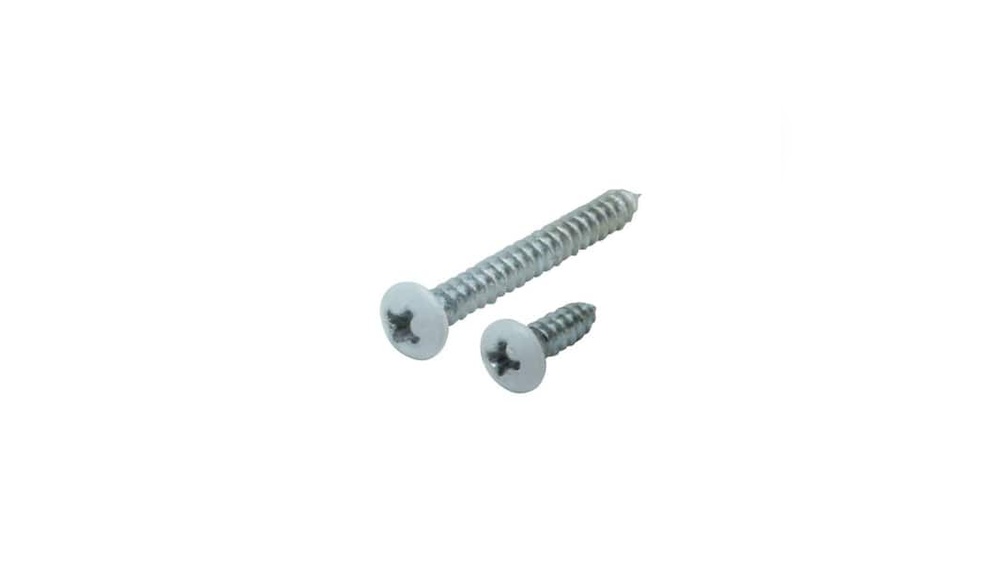
Wood screws are perfect for wooden studs or shelves. They have sharp points and coarse threads that grip wood tightly. These screws come in many lengths and thicknesses. Choose a screw long enough to go through the bracket and into the wood stud securely.
Drywall Screws
Drywall screws work well for attaching brackets to drywall panels. They have thin, sharp threads that hold in drywall without cracking it. These screws often have a bugle-shaped head for a flush finish. Use drywall anchors with these screws for added strength.
Masonry Screws
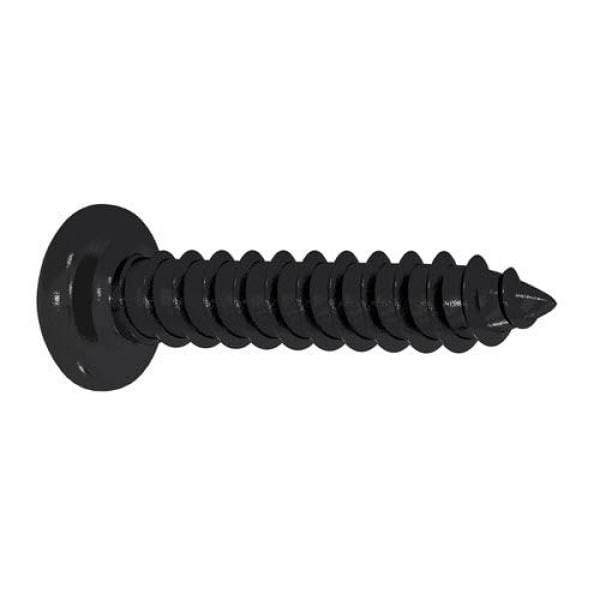
Masonry screws are designed for brick, concrete, or stone walls. They have hardened steel and sharp threads to cut into hard surfaces. Pre-drilling a hole is necessary before inserting masonry screws. This ensures a tight hold and prevents wall damage.
Sheet Metal Screws
Sheet metal screws fasten metal brackets or attach brackets to metal studs. They have sharp threads to pierce thin metal easily. These screws come with different heads, like pan or hex, for various tools. Choose corrosion-resistant screws for outdoor or humid areas.
Determining Screw Size And Length
Choosing the right screw size and length is key for shelf brackets. The screws must hold the shelf firmly without damaging the wall or bracket. This section helps you pick the correct screw size and length for strong, safe shelves.
Screw Diameter Considerations
Screw diameter affects how well the screw holds the bracket. Thicker screws offer more grip and support. Thin screws may bend or break under weight. Check the bracket holes size to match the screw diameter. Usually, 8 or 10 screws work well for most brackets.
Optimal Screw Length For Support
Screw length must be enough to go through the bracket and into the wall stud. Short screws may not hold the bracket tightly. Too long screws can damage pipes or wires inside walls. A length of 1.5 to 2.5 inches is common. Measure wall thickness and bracket size before choosing screw length.
Balancing Strength And Aesthetics
Long screws provide strong support but may stick out if too long. Use screws that fit flush with the bracket surface. Choose screw heads that match the bracket style. Smooth, neat screws keep the shelf looking clean. This balance keeps shelves safe and visually pleasing.
Material Compatibility
Choosing the right screw for a shelf bracket depends on the wall material. Different walls need different screws for a strong hold. Using the wrong screw can make the shelf unstable or cause damage.
Understanding material compatibility helps pick screws that fit the wall type. This guide explains which screws work best for wooden walls, drywall, concrete, brick, and metal surfaces.
Screws For Wooden Walls
Wood walls require screws with deep threads. These threads grip the wood fibers tightly. Use wood screws with sharp points for easy entry. Avoid screws that are too short; they won’t hold well. Choose screws made from steel or brass for durability.
Screws For Drywall
Drywall alone cannot hold heavy shelves. Use drywall anchors along with screws for strength. Screws should be long enough to go through drywall into studs. Look for coarse threads to grip drywall anchors firmly. Use screws with corrosion resistance for longer life.
Screws For Concrete And Brick
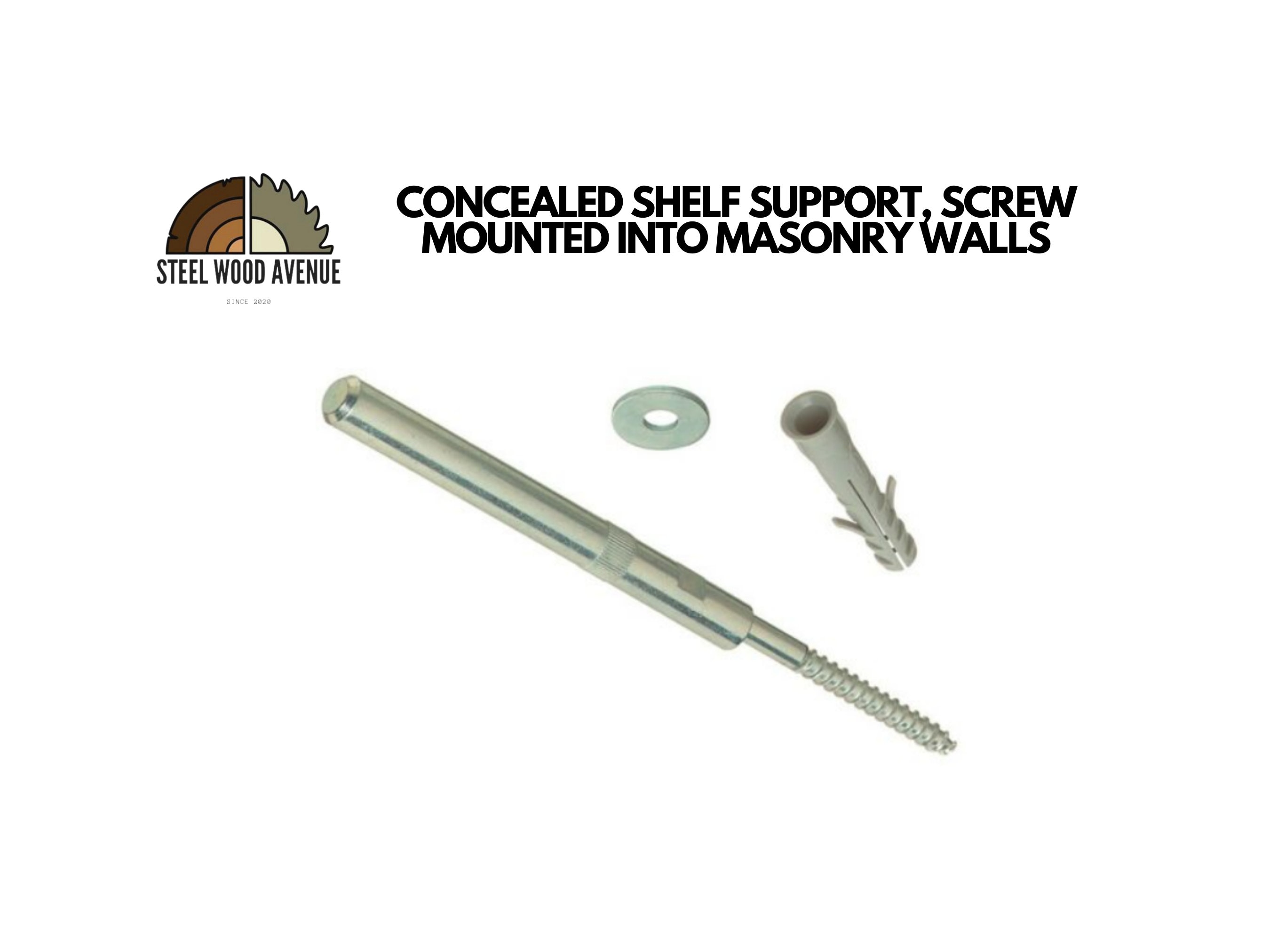
Concrete and brick walls need special screws called masonry screws. These screws are hard and have strong threads to bite into stone. Pre-drill holes with a hammer drill before inserting screws. Use anchors designed for masonry to improve hold. Stainless steel screws resist rust in these tough materials.
Screws For Metal Surfaces
Metal walls require self-tapping screws that cut threads into the metal. These screws have pointed tips and sharp threads. Use screws made from stainless steel to prevent rust. Choose screws with washers to spread the load evenly. Avoid screws that may strip the metal surface.
Credit: www.etsy.com
Types Of Shelf Brackets And Screw Needs
Choosing the right shelf bracket is important for safety and style. Each type of bracket needs specific screws for strong support. Knowing the right screws helps the shelf hold weight and stay steady. This guide explains common types of shelf brackets and their screw needs.
Heavy-duty Brackets
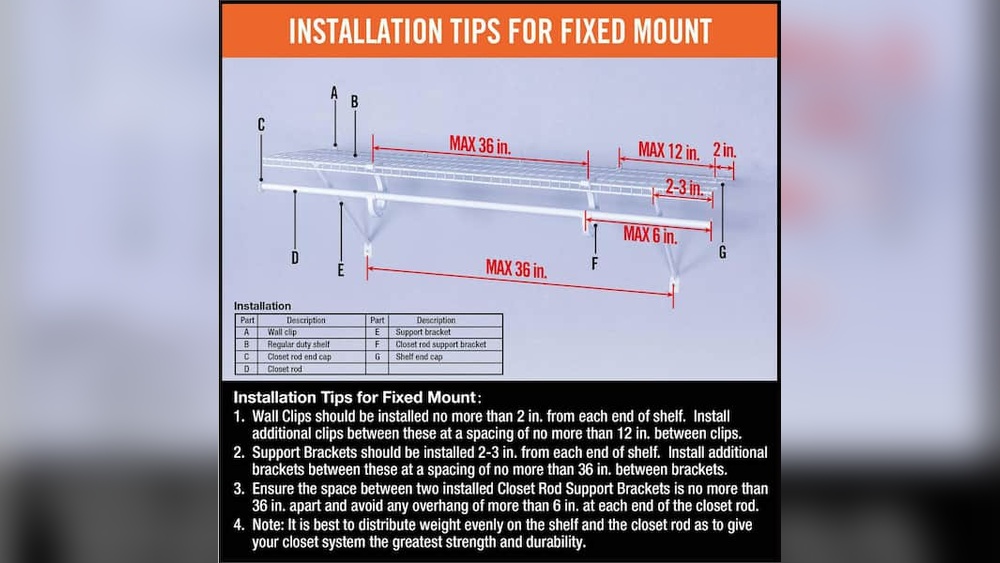
Heavy-duty brackets hold heavy items like books and tools. They are thick and made from strong metal. These brackets need large screws, usually 3 to 4 inches long. Screws must go deep into wall studs for strong support. Use screws with wide threads for wood or anchors for drywall.
Decorative Brackets
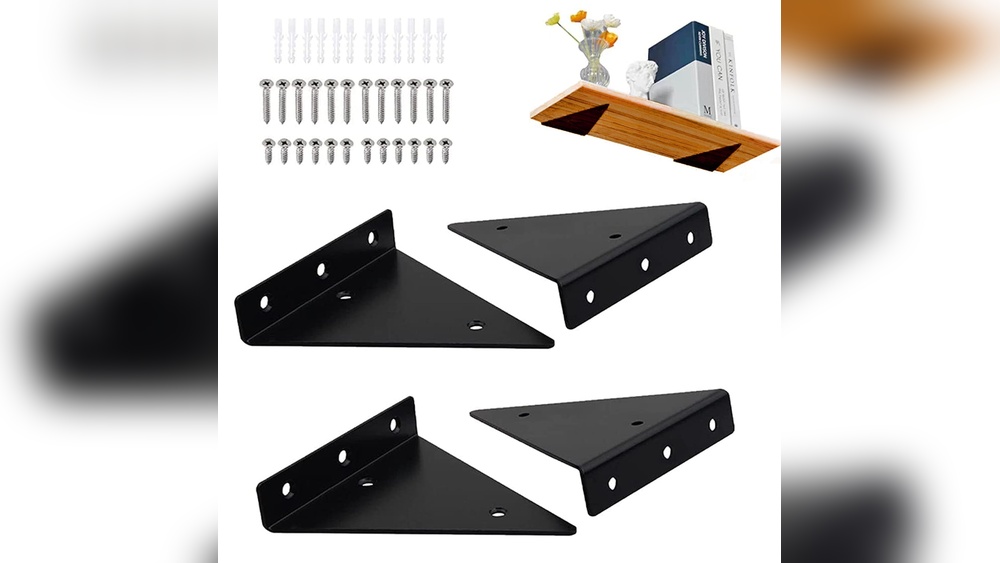
Decorative brackets add style to shelves. They come in many shapes and designs, made of metal or wood. Screws for these brackets are smaller, often 1 to 2 inches long. Choose screws that match bracket holes and wall type. Use wall anchors if no studs are available for better grip.
Floating Shelf Brackets
Floating shelf brackets hide under the shelf for a clean look. They are usually metal rods or plates. Screws must be strong and fit the bracket’s holes exactly. Use long screws, 2 to 3 inches, to secure brackets to wall studs. Proper screws keep the shelf steady and safe.
Tools For Installing Shelf Bracket Screws
Installing shelf bracket screws requires the right tools to ensure a secure and stable fit. Using proper tools makes the job easier and prevents damage to walls or shelves. Below are essential tools needed for a smooth installation process.
Drills And Drivers
Drills help create holes for the screws in walls. Drivers are used to fasten screws tightly. A cordless drill with adjustable speed works best. Choose the right drill bit size for your screws. This ensures a perfect fit and strong hold.
Anchors And Wall Plugs
Anchors and wall plugs provide extra support in drywall or hollow walls. They prevent screws from pulling out under weight. Select anchors based on wall type and shelf load. Insert them before screwing in the brackets for safety.
Measuring And Leveling Tools
Measure carefully to place brackets evenly. Use a tape measure for accurate distances. A level tool ensures shelves sit straight and balanced. Correct placement avoids tilted or unstable shelves.
Tips For Secure Installation
Installing shelf brackets securely is key to holding weight safely. Proper steps make the shelf strong and long-lasting. Follow these tips for a secure fit.
Pre-drilling Holes
Pre-drilling holes helps guide the screws into the wall. It stops wood or drywall from splitting. Use a drill bit slightly smaller than the screw size. Drill straight and steady to keep holes clean. This step makes screw insertion easier and more secure.
Using Wall Anchors
Wall anchors add strength, especially in drywall or hollow walls. Choose anchors that fit the screw size and wall type. Insert the anchor fully before screwing in. Anchors prevent screws from pulling out under weight. They are vital for holding heavy shelves safely.
Avoiding Common Mistakes
Never skip measuring the bracket placement before drilling. Avoid using screws that are too short or thin. Do not overtighten screws; it can damage the wall or bracket. Avoid using the wrong wall anchors for the surface. Correct tools and careful steps prevent damage and ensure safety.
Troubleshooting Screw And Bracket Issues
Dealing with screw and bracket problems can be frustrating during shelf installation. These issues affect shelf stability and safety. Identifying the exact problem helps fix it quickly. This section explains common problems and simple fixes for each.
Loose Brackets
Loose brackets cause shelves to wobble or fall. Usually, screws are not tight enough. Check screws with a screwdriver and tighten them firmly. Sometimes, the wall material is weak. Use wall anchors to improve grip and support.
Stripped Screw Holes
Stripped holes occur when screws spin without holding. This happens in soft wood or drywall. Remove the screw and fill the hole with wood filler or toothpicks dipped in glue. Let it dry, then reinsert the screw. Use a larger screw if needed for better hold.
Weight Capacity Problems
Exceeding the shelf’s weight limit causes bending or falling. Know the bracket and screw weight capacity before loading. Spread heavy items evenly across the shelf. Use stronger brackets or add extra supports for heavy loads.

Credit: www.essentialwoodwork.co.uk
Frequently Asked Questions
What Type Of Screw Is Best For Shelf Brackets?
Wood screws are best for shelf brackets as they offer strong grip. Choose screws with a flat head for flush mounting. The screw length should be at least 1. 5 inches to ensure stability. Use screws compatible with the bracket material for optimal hold.
How To Choose Screw Size For Shelf Brackets?
Select screw size based on bracket hole diameter and wall type. Typically, 8 or 10 screws are ideal for most brackets. Screw length depends on the wall material; use longer screws for drywall anchors. Always check manufacturer recommendations for precise sizing.
Can Drywall Screws Hold Shelf Brackets Securely?
Drywall screws alone are not ideal for shelf brackets; they lack strength. Use drywall anchors or toggle bolts with screws to support shelf weight. For heavy shelves, opt for screws directly into wall studs. This ensures a safe and durable installation.
Should I Use Metal Or Wood Screws For Brackets?
Use wood screws for wooden studs or drywall with anchors. Metal screws are suitable for metal studs or brackets made from metal. Matching the screw type to the bracket and wall material improves stability and durability. Always verify screw compatibility before installation.
Conclusion
Choosing the right screw for your shelf bracket matters a lot. It keeps your shelves strong and safe. Wood screws work well for wooden walls. For concrete or brick, use masonry screws or anchors. Make sure the screw is long and thick enough to hold weight.
Tighten screws properly, but don’t overdo it. Strong brackets with proper screws make your shelves last longer. Always check the wall type before buying screws. This simple step saves time and keeps things steady. Your shelves will stay put, holding all your items safely.