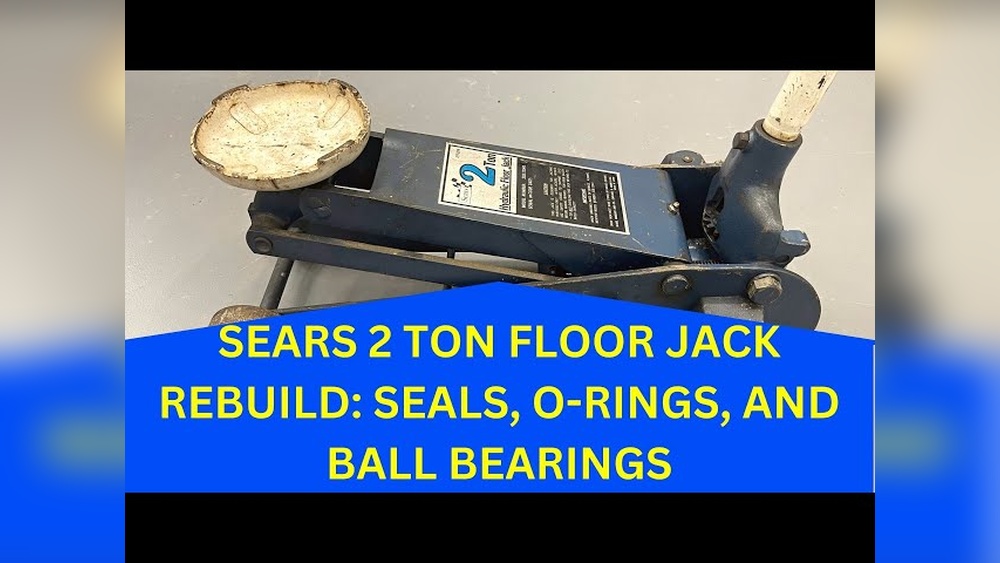
If you use a floor jack regularly, you know how important it is to keep it in perfect working condition. One key part of maintenance is filling your floor jack with the right hydraulic oil.
But maybe you’re unsure how to do it safely and correctly. Don’t worry—this guide will walk you through every step, so you can avoid mistakes that might damage your jack or put you at risk. By the end, you’ll feel confident handling your floor jack like a pro.
Keep reading to learn exactly how to fill your floor jack with hydraulic oil the right way.
Choosing The Right Hydraulic Oil
Choosing the right hydraulic oil is key to keeping your floor jack working well. The right oil helps your jack lift smoothly and last longer. Using the wrong oil can cause damage and reduce the jack’s performance. This guide explains how to pick the best hydraulic oil for your floor jack.
Types Of Hydraulic Oil
Hydraulic oils come in several types. Mineral-based oils are common and work well for most jacks. Synthetic oils last longer and handle extreme temperatures better. Biodegradable oils are eco-friendly but may cost more. Pick the type that fits your jack’s needs and your budget.
Viscosity And Specifications
Viscosity means how thick or thin the oil is. Floor jacks usually need medium viscosity oil. Check the jack’s manual for the right viscosity grade. Look for oils that meet industry standards like ISO or DIN. Correct viscosity ensures smooth movement and protects the jack parts.
Where To Buy Quality Oil
Buy hydraulic oil from trusted stores or online shops. Auto parts stores often have the right oil for floor jacks. Check product labels and reviews before buying. Avoid very cheap oils, as they may damage your jack. Quality oil keeps your floor jack safe and working well.

Credit: www.wikihow.com
Preparing Your Floor Jack
Preparing your floor jack is the first step before filling it with hydraulic oil. Proper preparation helps the jack work smoothly and last longer. It also keeps you safe while handling the oil and tools. Follow these steps carefully to get your jack ready for maintenance.
Take your time. A clean and well-prepared jack ensures better performance and safety.
Cleaning The Jack
Remove dirt, dust, and grease from the jack’s surface. Use a clean cloth and some mild detergent if needed. Dirt can block the oil fill plug or enter the hydraulic system. Make sure the jack is dry before proceeding. Clean tools and a clear workspace help prevent mistakes.
Locating The Oil Fill Plug
Find the oil fill plug on your floor jack. Usually, it is a small screw or cap near the jack’s body. Check your jack’s manual if you have trouble finding it. The fill plug must be easy to access for adding oil. Keep it open only while filling the oil to avoid dirt getting inside.
Safety Precautions
Wear gloves and protective glasses to avoid contact with oil. Work in a well-ventilated area to prevent breathing harmful fumes. Keep the jack on a flat, stable surface to stop it from moving. Do not overfill the jack with oil. Follow the recommended oil type and amount to avoid damage.
Draining Old Hydraulic Oil
Draining old hydraulic oil from a floor jack is important for its smooth operation. Over time, the oil can get dirty and lose its strength. Removing the old oil makes room for fresh oil. This keeps the jack working well and prevents damage. Follow safe steps to drain the oil carefully.
Tools Needed For Draining
- Wrench or socket set to open drain plug
- Drain pan to catch old oil
- Clean cloth to wipe spills
- Gloves to protect your hands
- Funnel for refilling oil
- Safety glasses to protect eyes
Steps To Remove Old Oil
- Place the floor jack on a flat surface.
- Put the drain pan under the drain plug.
- Use the wrench to loosen and remove the plug.
- Allow the oil to drain completely into the pan.
- Wipe the drain area clean with a cloth.
- Replace and tighten the drain plug securely.
Disposal Of Used Oil
Used hydraulic oil is harmful to the environment. Do not pour it down drains or on the ground. Store the oil in a sealed container. Take it to a recycling center or auto shop that accepts used oil. Proper disposal helps keep nature safe and clean.

Credit: www.youtube.com
Filling The Floor Jack With Oil
Filling the floor jack with hydraulic oil is essential for its smooth operation. Proper oil levels help the jack lift safely and efficiently. Without the right amount of oil, the jack may fail or work unevenly. This section guides you through the filling process clearly and simply.
Recommended Oil Amount
Check the floor jack manual for the exact oil amount. Most jacks need between 16 to 24 ounces of hydraulic oil. Using too much or too little oil can cause problems. Use only the type of oil suggested by the manufacturer. This keeps the jack working well and avoids damage.
Filling Process Step-by-step
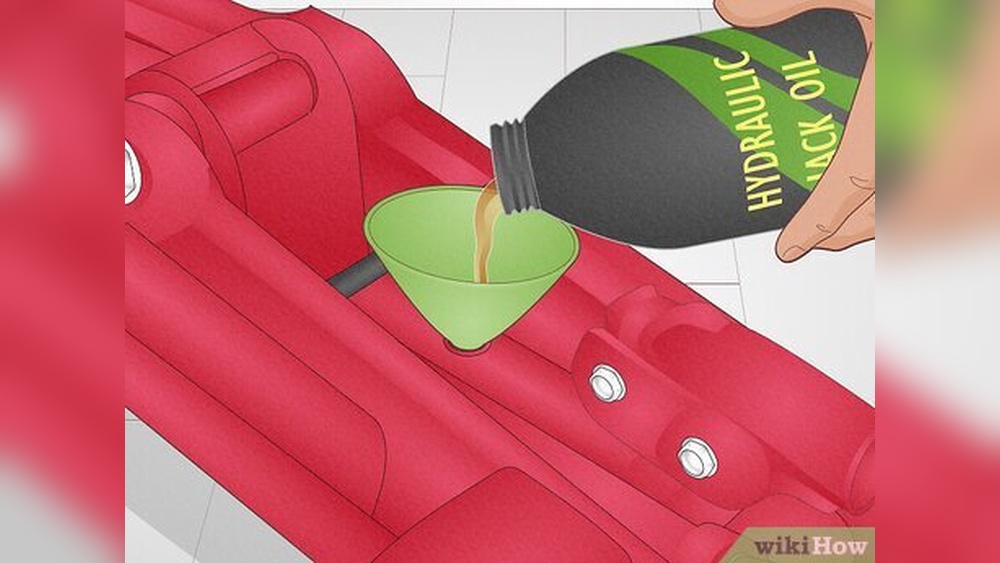
Start by placing the jack on a flat surface. Open the oil fill plug carefully. Use a clean funnel to pour the oil slowly. Fill the reservoir until the oil reaches just below the fill hole. Avoid spilling oil on the jack’s surface. After filling, close the plug tightly to prevent leaks.
Avoiding Common Mistakes
Never use engine oil or other fluids in your jack. These can harm the hydraulic system. Do not overfill the oil reservoir. Overfilling can cause leaks and poor performance. Check for air bubbles by pumping the jack slowly. Remove air by opening the release valve briefly if needed.
Bleeding Air From The Hydraulic System
Bleeding air from the hydraulic system is a key step after filling a floor jack with hydraulic oil. Air trapped inside the system can cause the jack to work poorly or fail to lift properly. Removing this air ensures smooth operation and safety during use. This process might seem tricky but is quite simple with the right steps.
Why Air Bleeding Matters
Air in the hydraulic system creates bubbles that reduce pressure. This lowers the jack’s lifting power. The jack may feel spongy or weak during use. Air also causes uneven movement and noise. Clearing the air helps the oil flow smoothly. This improves the jack’s strength and control.
Simple Bleeding Techniques
Start by locating the release valve on the jack. Open it slightly to allow trapped air to escape. Pump the jack handle slowly several times. This pushes air bubbles out with the oil. Keep the release valve open until no more bubbles appear. Then close the valve tightly to seal the system. Repeat if the jack still feels weak.
Signs Of Successful Bleeding
The jack lifts smoothly without resistance. The handle moves firmly, not spongy. No air bubbles come out of the release valve. The jack holds pressure without dropping. These signs show the system is free of air. Your floor jack is now ready for safe use.
Testing And Maintenance Tips
Testing and maintaining your floor jack ensures it works safely and lasts longer. Regular checks help avoid sudden problems. Taking time to care for your jack keeps it ready for any job.
Checking Jack Performance
Test your jack before use. Pump the handle and watch the lift. It should raise smoothly without strange noises. If it moves slowly or feels stuck, oil levels might be low. Check for leaks around seals and hoses. Ensure the jack holds weight without dropping.
Regular Maintenance Schedule
Clean the jack after each use. Wipe off dirt and dust. Check the hydraulic oil level monthly. Change the oil every year or as the manual suggests. Tighten loose bolts and screws regularly. Store the jack in a dry place to prevent rust.
Troubleshooting Common Issues
If the jack won’t lift, check for air in the hydraulic system. Bleed the jack by opening the release valve slightly. Listen for hissing sounds indicating trapped air. Slow lifting can mean low oil. Add hydraulic oil carefully to the fill port. Leaks need immediate attention to avoid failure. Replace worn seals or parts as needed.

Credit: www.youtube.com
Frequently Asked Questions
How Do I Fill A Floor Jack With Hydraulic Oil?
First, locate the oil fill plug on the jack. Remove the plug carefully. Use a funnel to pour the hydraulic oil slowly. Fill until the oil reaches the recommended level. Replace the plug securely to prevent leaks.
What Type Of Hydraulic Oil Is Best For Floor Jacks?
Use high-quality hydraulic jack oil or 10W non-detergent oil. Avoid using motor oil or brake fluid, as they can damage the jack. Always check the manufacturer’s manual for the recommended oil type.
How Often Should I Change Hydraulic Oil In A Floor Jack?
Change the hydraulic oil every 12 months or after heavy use. Regular oil changes keep the jack operating smoothly and prevent corrosion. Inspect oil condition frequently for contamination or discoloration.
Can I Use Any Hydraulic Oil For My Floor Jack?
No, use only the hydraulic oil specified by the jack manufacturer. Using incorrect oil can reduce performance and cause damage. Always follow the user manual guidelines for oil type.
Conclusion
Filling a floor jack with hydraulic oil keeps it working smoothly. Always use the right oil type for your jack model. Clean the area before opening the reservoir to avoid dirt inside. Pour oil slowly to prevent spills and overfilling.
Check for leaks after filling. Regular oil changes help extend the jack’s life. Keep your tools ready for safe and easy repairs. Taking these simple steps saves time and money. Your floor jack will stay strong and reliable for years.
Easy maintenance makes lifting safer and more efficient.