Are your floors feeling uneven or sagging in your double wide home? You’re not alone, and the good news is, you can fix this yourself.
Knowing how to jack up floors in a double wide home can save you money and prevent further damage. In this guide, you’ll learn simple, step-by-step tips to lift your floors safely and effectively. By the end, you’ll feel confident tackling this project and making your home more solid and comfortable.
Keep reading—you’re closer than you think to a stronger foundation.
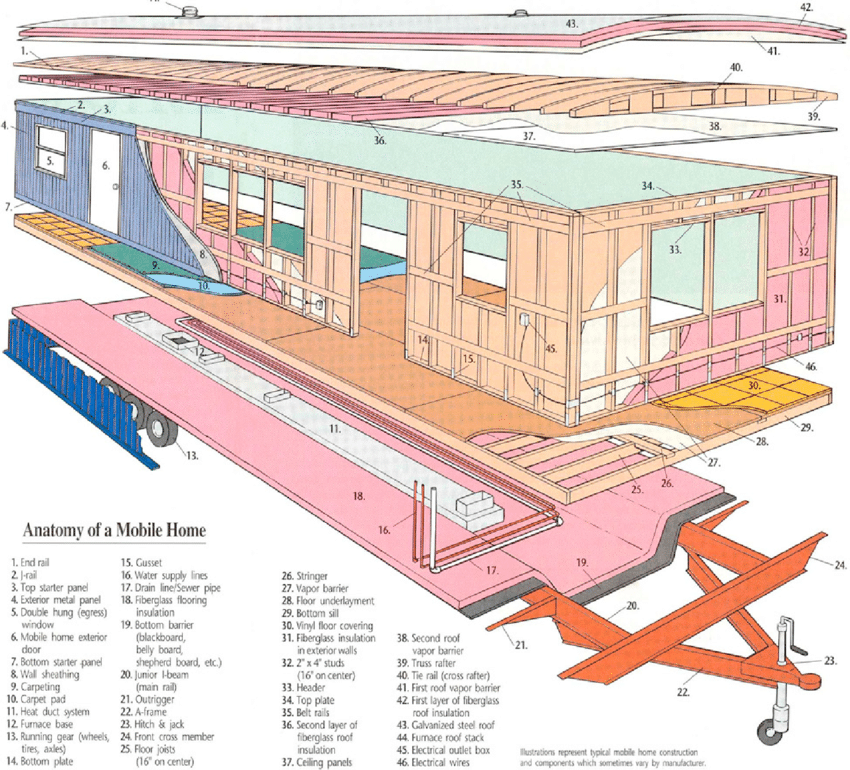
Credit: www.thehomesdirect.com
Preparing For The Job
Preparing to jack up floors in a double wide home takes careful planning. This step ensures safety and efficiency. Proper preparation helps avoid damage and makes the job smoother. Follow these key tasks before starting the work.
Gathering Necessary Tools
Collect all tools needed for the job. Essential items include hydraulic jacks, wooden blocks, a level, and safety gear. Having tools ready saves time and prevents interruptions. Check each tool for damage or wear. Working with good equipment reduces risks.
Assessing Floor Damage
Inspect the floor to find weak spots and damage. Look for cracks, sagging, or uneven areas. Note any signs of water damage or rot. Understanding the floor’s condition helps plan the jacking process. Mark areas that need extra support or repair.
Clearing The Work Area
Remove furniture and obstacles from the floor. A clear space allows easy movement and tool placement. Sweep or vacuum the area for safety. Clear surroundings reduce the chance of accidents. Make sure lighting is good to see all work details.

Credit: www.youtube.com
Locating Floor Joists
Finding the floor joists is the first step to jack up floors in a double wide home. Joists are the wooden beams that support the floor. Knowing their exact position helps place jacks safely and evenly. This prevents damage and ensures a stable lift.
Joists usually run parallel across the floor. They are spaced evenly, often 16 or 24 inches apart. Spotting them can be tricky without the right method. Use simple tools and techniques to identify their location clearly.
Identifying Joist Positions
Look for visible signs of joists under the floor. Check inside closets or under cabinets where the floor is exposed. A stud finder can help detect joists through the floor surface. Move the tool slowly and mark the spots where it beeps or signals.
Tapping the floor can also help. A hollow sound means no joist below. A solid sound means the joist is underneath. Measure and mark these solid points along the floor. This step is key for safe lifting.
Marking Support Points
Once joists are found, mark their center points clearly. Use chalk or a pencil to draw lines on the floor. These marks show where the jacks will be placed.
Place marks at regular intervals along each joist. This spacing helps balance the weight during lifting. Make sure marks are visible and accurate. Proper marking ensures a smooth and safe jack up process.
Setting Up Support Equipment
Setting up support equipment is a key step to jack up floors in a double wide home. Proper setup keeps the structure safe and stable. It also helps avoid damage during the lifting process.
Choosing the right tools and placing them correctly ensures success. This section covers how to select jacks and position temporary supports properly.
Choosing The Right Jacks
Use strong jacks made for heavy loads. Bottle jacks and hydraulic jacks work well for double wide homes. Check the weight capacity of each jack before use. Choose jacks with at least 10,000 pounds capacity for safety. Avoid cheap or worn-out jacks. They can fail under pressure and cause accidents.
Make sure jacks have a wide base for stability. Rubber pads under the base help prevent slipping. Always inspect jacks for oil leaks or damage before starting work.
Positioning Temporary Supports
Place temporary supports close to the jacks. Use strong wooden beams or steel posts as supports. Supports must be level and secure. Avoid placing supports on soft or uneven ground. Use plywood sheets under supports to distribute weight.
Check that supports hold the home firmly without shifting. Space the supports evenly along the floor joists. This helps spread the load and prevents sagging. Recheck support positions during the lifting process to ensure safety.
Jacking Up The Floor
Jacking up the floor in a double wide home needs care and patience. This process helps fix uneven floors and prevents damage. It is important to lift the floor slowly and evenly to avoid problems. Watching the floor level and checking safety protects your home structure. Follow these steps to jack up your floor safely and effectively.
Lifting Slowly And Evenly
Use hydraulic jacks to lift the floor. Place the jacks under strong support beams. Lift the floor a little at a time. Move from one jack to another in small steps. This keeps pressure even and stops damage. Avoid lifting one side too fast or too high.
Monitoring Floor Level
Check the floor level often during lifting. Use a level tool or laser level to measure. Look for any tilting or uneven spots. Stop lifting if the floor moves too much on one side. Adjust the jacks to balance the floor again. Keeping the floor level prevents cracks and breaks.
Ensuring Structural Safety
Support beams and joists must stay strong during lifting. Inspect all wood and metal parts before jacking up. Replace any weak or rotten supports. Keep the area under the floor clear for safety. Never rush the process to avoid harming your home’s structure.
Reinforcing The Floor Structure
Reinforcing the floor structure is a key step in jacking up floors in a double wide home. It makes the floor stronger and safer. Weak floors can cause problems later. Proper reinforcement helps avoid sagging and damage. It also supports the weight during lifting.
Focus on adding extra support to the joists and adding braces. This spreads the load and keeps the floor steady. Doing this right helps keep your home stable during repairs.
Adding Sister Joists
Sister joists are extra joists placed next to the old ones. They add strength to the floor frame. Cut new joists to match the length of the old ones. Nail or screw them tightly side by side. This doubles the support under weak spots.
Make sure the sister joists fit snugly. They should line up with the existing joists. Use strong wood that matches the size of the current joists. This helps the floor hold more weight safely.
Installing Blocking And Bracing
Blocking means adding short pieces of wood between joists. These blocks keep joists from twisting. Place blocks every few feet along the joists. Secure them tightly with nails or screws.
Bracing connects joists diagonally or across the floor frame. It prevents side-to-side movement. Use strong wood strips for bracing. Attach them firmly at angles to hold the floor steady.
Both blocking and bracing improve the floor’s stability. They make the structure more rigid. This reduces bounce and keeps everything aligned during the lift.

Credit: www.youtube.com
Lowering And Securing The Floor
Lowering and securing the floor is a critical step in jacking up floors in a double wide home. This step ensures the floor remains stable and safe after lifting. Careful handling prevents damage and keeps the structure strong. Follow these key actions to complete the process safely.
Gradual Release Of Jacks
Slowly lower the jacks to avoid sudden shifts. Release each jack a little at a time. This balances the pressure on the floor. Watch for any movement or uneven settling. Stop if the floor shifts too much. Lowering slowly protects the home’s frame.
Final Checks And Adjustments
Check the floor level with a spirit level. Adjust supports to keep the floor even. Tighten any bolts or screws holding the frame. Inspect all jacks and braces for stability. Ensure no gaps or loose parts remain. Secure the floor firmly before removing tools.
Post-repair Maintenance
After jacking up floors in a double wide home, maintenance is key. Keeping the repaired areas stable prevents new problems. Regular care saves money and effort in the long run.
Inspecting For Future Issues
Check the floor and support posts often. Look for any signs of cracks or movement. Notice if floors feel uneven or creak. Early spotting of trouble helps fix it fast. Use a level tool to test flatness. Keep an eye on moisture or water leaks near the repaired area. These can weaken your fix quickly.
Preventative Measures
Keep the area dry and well-ventilated. Use a dehumidifier if needed. Avoid heavy furniture on the repaired spots for some months. Tighten bolts and screws regularly to keep supports firm. Add extra support beams if the floor shows stress. Clean the crawl space to prevent pests and mold. These steps help your floor stay strong and safe.
Frequently Asked Questions
How Do You Safely Jack Up Floors In A Double Wide Home?
Use strong steel jacks placed under floor beams. Clear the area and lift slowly. Ensure support blocks are stable to prevent accidents. Always work with a partner for safety.
What Tools Are Needed To Jack Up Floors In Double Wides?
You need steel jacks, wooden support blocks, a level, and safety gloves. A pry bar and hammer can help adjust floor beams. Proper tools ensure a safe, efficient job.
How Much Can A Floor Jack Lift In A Double Wide Home?
Most floor jacks lift between 6,000 to 12,000 pounds. Choose a jack rated above your floor’s weight for safety. Check manufacturer specs before starting work.
When Should You Jack Up Floors In A Double Wide Home?
Jack up floors to fix sagging, uneven surfaces, or structural damage. Early intervention prevents further damage and costly repairs. Inspect floors regularly for signs of weakness.
Conclusion
Jacking up floors in a double wide home takes care and patience. Use the right tools and work step by step. Check for safety often to avoid accidents. Small lifts make the job easier and safer. Keep the floor level and steady as you go.
With careful effort, you can fix uneven floors. This helps keep your home strong and comfortable. Remember, taking your time leads to better results. You can do this with the right plan and focus.