Have you ever found yourself locked out of your own home with no key in sight? It’s a frustrating situation that can happen to anyone.
What if you could unlock a deadbolt lock using simple household items you already have? You’ll discover easy, practical methods to pick a deadbolt lock without needing special tools. Keep reading, because learning these tricks could save you time, money, and a lot of stress when you’re stuck outside your door.

Credit: www.youtube.com
Types Of Deadbolt Locks
Deadbolt locks come in different types. Each type offers a unique way to secure your door. Knowing these types helps you understand how to pick a deadbolt lock with household items.
Single Cylinder Deadbolts
Single cylinder deadbolts have a keyhole on the outside. Inside, they use a thumb turn to lock or unlock. These locks are common on most home doors. They are easy to use and install. Single cylinder deadbolts work well for doors with no glass nearby.
Double Cylinder Deadbolts
Double cylinder deadbolts need a key on both sides. They provide extra security for doors with glass panels. This type stops someone from breaking the glass and opening the lock from inside. Double cylinder deadbolts can be tricky during emergencies. Always keep a key nearby for quick exit.
Keyless Deadbolts
Keyless deadbolts use codes or buttons instead of keys. You enter a number to unlock the door. These locks are convenient and quick to use. They reduce the risk of losing keys. Keyless deadbolts often have backup keys in case batteries die.

Credit: www.wikihow.com
Tools Needed At Home
Picking a deadbolt lock at home requires a few simple tools. Many tools can be found around the house. Knowing what to use helps make the task easier and faster. This section explains the basic tools needed to pick a deadbolt lock using household items.
Common Household Items
Several everyday items can serve as tools for picking a deadbolt. Paper clips are one of the most popular options. They are thin, flexible, and easy to shape. Another useful item is a bobby pin. It is strong and can fit into the lock’s keyhole.
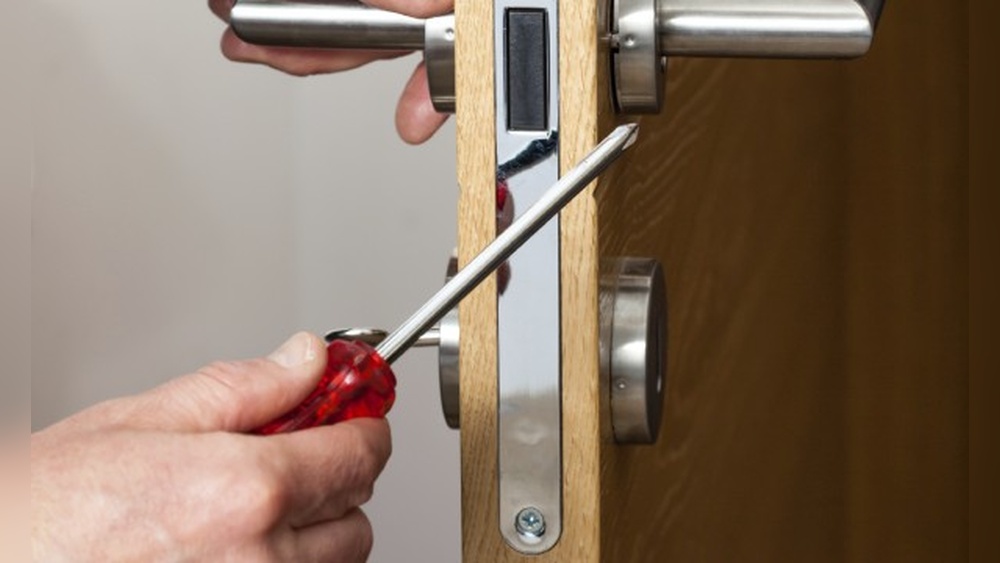
Small flathead screwdrivers can also work well. They can lift the lock’s pins gently. A sturdy plastic card, like an old credit card, may help in some cases. These items are easy to find in most homes.
Improvised Lock-picking Tools
You can create simple lock-picking tools from household items. Straighten a paper clip fully to make a pick tool. Bend another paper clip to create a tension wrench. The tension wrench applies pressure inside the lock.
Use a small flathead screwdriver as a pick or tension wrench. A metal hairpin can also be bent and shaped for this purpose. These improvised tools work best on standard deadbolt locks. Practice careful and gentle movements to avoid damage.
Basic Lock Mechanism
The basic lock mechanism is the heart of any deadbolt lock. Understanding how it works helps to know how to pick it with household items. A deadbolt lock uses a set of pins and a cylinder to secure doors. The pins block the cylinder from turning until the correct key lifts them. This simple design keeps homes safe and secure.
Learning the basic mechanism is the first step in understanding lock picking. It shows why certain tools can mimic a key’s action inside the lock. Even common objects can move the pins to open the lock without a key.
How Deadbolts Work
Deadbolt locks use a solid metal bolt to secure the door. This bolt slides into the door frame and holds it tightly. The bolt moves when the lock cylinder turns. Turning the cylinder requires lifting pins inside to the right height. If the pins are not aligned, the cylinder will not move. This prevents the bolt from sliding and keeps the door locked.
Pin Tumbler System
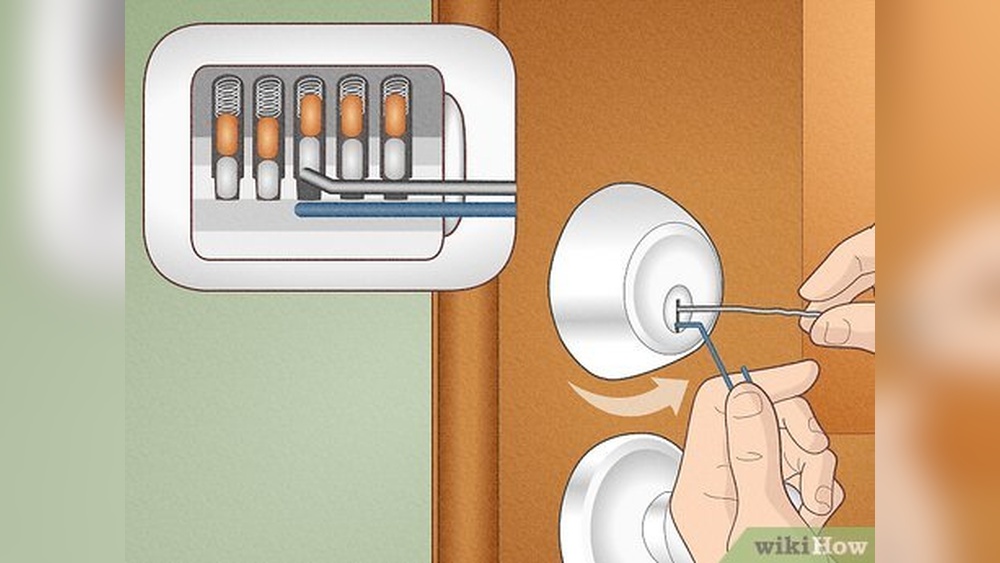
The pin tumbler system is the most common lock design. It has small pins arranged in pairs inside the cylinder. Each pair includes a key pin and a driver pin. The key pins touch the key when inserted. The driver pins sit above the key pins and spring down. The correct key lifts all key pins to the shear line. This line is where the cylinder can turn freely. Without the right key, the pins block the cylinder from turning.
Simple Diy Picking Methods
Simple DIY picking methods help open deadbolt locks using common household items. These tricks use everyday tools that many have at home. They can work in a pinch and do not need special skills.
These methods show basic ways to try picking a lock. They teach patience and careful hand movements. Each method uses a different item but follows a similar process.
Using Bobby Pins
Bobby pins are thin and flexible, making them good for lock picking. First, straighten one pin to use as a pick. Bend another pin into an L shape to act as a tension wrench.
Insert the tension wrench into the bottom of the keyhole. Apply light pressure to turn the lock slightly. Use the pick to push up each pin inside the lock. Move the pins one by one until they set in place.
Using Paper Clips
Paper clips can replace bobby pins for lock picking. Straighten one clip for the pick. Bend another clip into an L shape for the tension wrench.
Place the tension wrench in the lock and apply gentle pressure. Use the pick to lift the pins inside. Push pins up carefully until the lock clicks. This method needs slow and steady movements.
Using Credit Cards
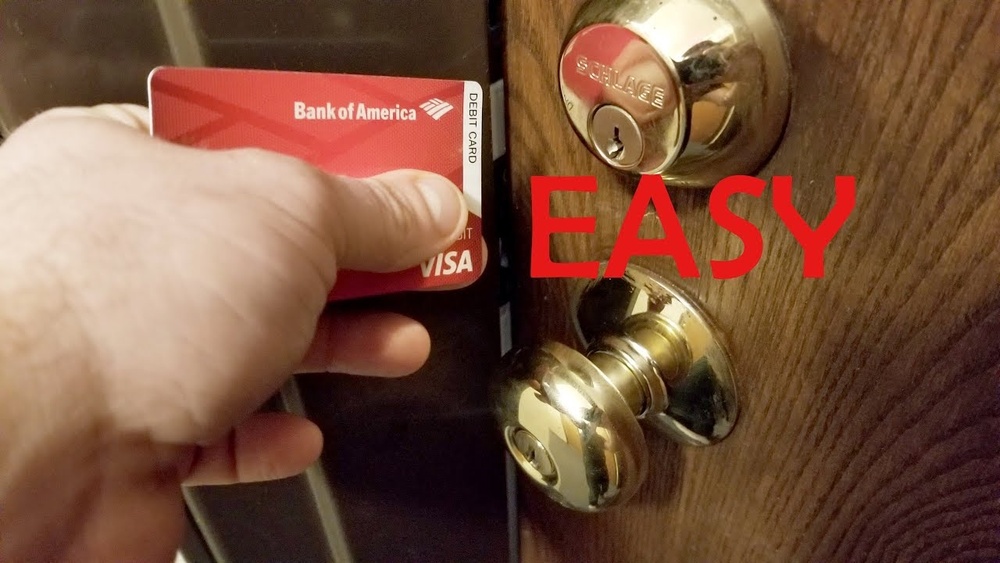
Credit cards work well on spring bolt locks but can help with some deadbolts. Choose a card you do not mind damaging. Slide the card between the door and frame near the latch.
Wiggle the card while pushing it deeper. Try to force the latch back into the door. This method works best with older locks and weaker deadbolts.
Step-by-step Picking Process
The step-by-step picking process breaks down the task into simple actions. Each part helps you handle the lock carefully. Follow these steps to try picking a deadbolt lock using household items.
Preparing Your Tools
Start by gathering two thin, sturdy items. A paperclip and a bobby pin work well. Straighten the paperclip for the pick. Bend the bobby pin to make a tension wrench.
Make sure your tools are clean and smooth. Rough edges can damage the lock. Keep your workspace bright and quiet.
Manipulating The Pins
Insert the tension wrench into the bottom of the keyhole. Apply slight pressure in the direction the key turns. Use the paperclip to lift the pins one by one.
Feel for pins that move differently. Push each pin up gently until it clicks. This means the pin is set in place.
Turning The Lock
Maintain steady pressure with the tension wrench. After setting all pins, the lock will turn easily. Slowly rotate the wrench to open the deadbolt.
Do not rush the turning. Too much force can reset the pins. Practice patience and gentle movements.
Safety And Legal Considerations
Picking a deadbolt lock with household items can be helpful in emergencies. Still, it is important to think about safety and legal rules. Understanding these points keeps you out of trouble and protects your property.
When It’s Legal To Pick Locks
Picking locks is legal in certain situations. You can do it on your own property or with permission from the owner. Using this skill on locks that do not belong to you is illegal. It can lead to fines or even jail time. Always check local laws before trying to pick any lock. Use this skill only for emergencies or learning purposes.
Avoiding Damage To Locks
Household items are not made for lock picking. Using them may cause damage to your deadbolt. Bent or broken parts can make the lock useless. This can lead to expensive repairs or replacements. Be gentle and patient when working with locks. Avoid forcing tools inside the lock. If unsure, call a professional locksmith instead.
Alternatives To Picking
Sometimes picking a deadbolt lock is not the best or safest choice. There are other ways to open a locked door without picking. These methods can be easier and less risky. Knowing these alternatives can save time and trouble.
Using Spare Keys
Spare keys are the easiest way to open a locked door. Check if you or someone you trust has a spare key. Keep spare keys in safe places outside your home. Friends or family members might also have copies. This avoids damage to the lock or door.
Calling A Locksmith
A locksmith is a professional who opens locks safely. They have the right tools and skills. Calling a locksmith can save you stress and damage. They can also fix or replace the lock if needed. This service is reliable and fast.
Lock Bumping Techniques
Lock bumping uses a special key to open some locks. It involves tapping the key to move the pins inside the lock. This technique requires practice and the right key type. Not all locks can be bumped open. It is less damaging than picking but still tricky to try.

Credit: www.homedit.com
Frequently Asked Questions
How Can I Pick A Deadbolt With Household Items?
You can use items like a credit card or paperclip to try picking a deadbolt. These tools help manipulate the lock’s pins or latch. However, success depends on the lock type and your skill level. Always use this knowledge responsibly and legally.
Is Picking A Deadbolt Lock With Household Items Legal?
Picking your own deadbolt lock is generally legal for personal use. Picking locks you don’t own or have permission to open is illegal. Always check local laws before attempting to pick any lock to avoid legal trouble.
What Household Tools Work Best For Picking Deadbolt Locks?
Common tools include a plastic card, paperclip, and hairpin. These items can be shaped to manipulate the lock mechanism. Their effectiveness varies with lock complexity. Practice and patience improve success when using household tools.
Can I Damage My Lock Picking It With Household Items?
Yes, improper lock picking can damage the lock mechanism. Using excessive force or wrong tools may break internal parts. Always proceed carefully and consider professional help if unsure to avoid costly repairs.
Conclusion
Picking a deadbolt lock with household items takes patience and care. It is not always easy, but practice helps. Use simple tools like paper clips or bobby pins with steady hands. Always respect others’ property and only try this on your own locks.
Safety comes first. This skill can save time during emergencies. Keep trying, and you will improve. Remember, stay calm and focused throughout the process. It’s a useful trick to know for unexpected situations.