If you need to lift your car safely and quickly, knowing how to operate a scissor floor jack is essential. Whether you’re changing a tire or doing basic maintenance, this simple tool can make your job much easier.
But using it the wrong way can be risky and cause damage. In this guide, you’ll learn step-by-step how to handle your scissor floor jack with confidence and keep yourself safe. Ready to take control and save time on your next car project?
Keep reading—your next lift will be smooth and secure.
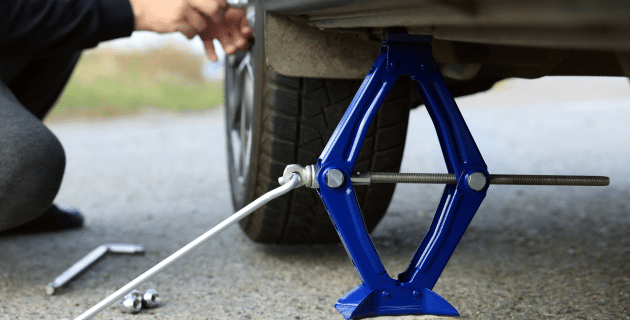
Credit: mycalcas.com
Choosing The Right Jack
Choosing the right scissor floor jack is key to safe and easy lifting. The right jack matches your vehicle and working surface. It also supports the weight safely. Picking the correct jack helps avoid accidents and damage.
Weight Capacity
Check the weight of your vehicle before buying a jack. The jack must hold more than your vehicle’s weight. Choose a jack with at least 25% higher capacity. This extra strength adds safety and durability. Never use a jack that is too weak.
Jack Types
Scissor jacks come in different styles. Some use a crank handle, others have a ratchet system. Manual jacks are common and easy to operate. Electric or hydraulic options offer faster lifting. Choose a type that fits your comfort and needs.
Surface Compatibility
Consider where you will use the jack. Flat, hard surfaces are best for stability. Soft or uneven ground may cause the jack to sink or tip. Use a jack with a wide base for better support. You can also place a solid board under the jack for safety.
Preparing The Vehicle
Preparing the vehicle is the first step to operate a scissor floor jack safely. It helps keep the car steady and avoids accidents. Taking time to prepare protects you and your vehicle.
Parking On Level Ground
Always park the vehicle on flat, level ground. Uneven surfaces can cause the jack to slip. Find a stable spot before starting any work. This makes lifting easier and safer.
Engaging Parking Brake
Set the parking brake firmly. It stops the car from rolling during lifting. Double-check that the brake holds the vehicle in place. This simple step adds extra security.
Chocking Wheels
Place wheel chocks on the wheels that stay on the ground. This prevents the car from moving. Use blocks or wedges to keep the wheels steady. Chocking is important for safety.
Positioning The Jack
Positioning the scissor floor jack correctly is key for safe and effective lifting. The jack must sit firmly under the vehicle to avoid slipping or damage. Taking time to place the jack right helps protect you and your car during the lift.
Locating Jack Points
Find the vehicle’s jack points first. These spots are made to hold the weight safely. Check your owner’s manual for exact locations. Jack points are often near the wheels or under the frame. Using the right point stops damage to the car’s body.
Aligning The Jack
Place the jack under the chosen point carefully. Make sure the jack’s lifting pad lines up with the jack point. The jack must sit flat on the ground for good balance. Adjust the jack so it does not tilt or lean. Proper alignment keeps the lift stable and safe.
Avoiding Unsafe Areas
Never place the jack on soft or uneven ground. Avoid areas like the bumper, exhaust, or fuel tank. These parts can break or cause accidents. Clear the area around the jack from tools or debris. Safety depends on steady ground and the correct lift spot.
Operating The Jack
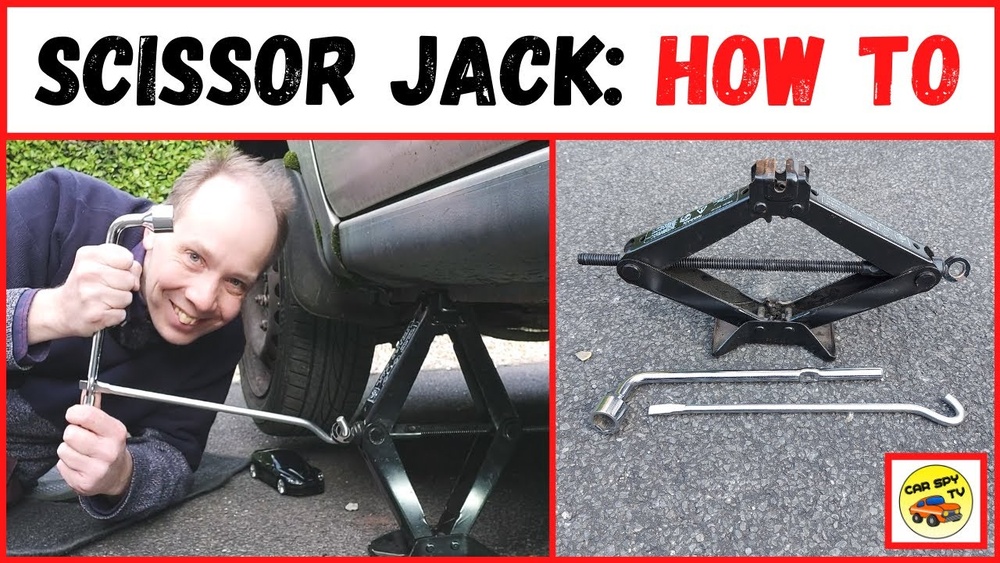
Operating a scissor floor jack requires care and attention. Follow clear steps to lift your vehicle safely. This section explains how to operate the jack properly. It covers raising the vehicle, checking stability, and using safety stands. Understanding these steps helps prevent accidents and damage. Keep your workspace clean and flat before starting.
Raising The Vehicle
Place the jack under the vehicle’s lifting point. Turn the handle clockwise to raise the jack. Raise the vehicle slowly and steadily. Stop if you feel resistance or hear strange sounds. Lift the vehicle just enough for your task. Avoid raising it too high to keep it stable.
Monitoring Stability
Check the jack’s position often while lifting. Make sure the jack stays steady and does not slip. Look for any tilting or shifting of the vehicle. Stop raising if the vehicle moves. Adjust the jack or the vehicle position if needed. Safety depends on keeping the jack stable.
Using Safety Stands
Place safety stands under the vehicle after raising it. Lower the vehicle slowly onto the stands by turning the handle counterclockwise. Never work under a vehicle supported only by the jack. Safety stands hold the vehicle securely in place. Double-check the stands before starting any work. This step protects you from sudden drops.
Lowering The Vehicle
Lowering a vehicle safely using a scissor floor jack is important. This step must be done carefully to avoid damage or injury. Take your time and follow each step clearly. This will help you bring the vehicle down smoothly and safely.
Releasing Pressure Slowly
Turn the release valve gently to lower the vehicle. Do it very slowly to control the descent. Quick release can cause the vehicle to drop suddenly. Keep your hand steady on the jack handle. This prevents sudden movements and helps keep the vehicle stable.
Ensuring Clear Area
Check around the vehicle before lowering it fully. Make sure no people or objects are in the way. Clear space ensures no one gets hurt. Watch for pets, children, or tools near the jack. Safety is the top priority during this step.
Final Vehicle Checks
Once the vehicle is on the ground, check its stability. Make sure the tires are fully touching the floor. Remove the jack carefully without pushing the vehicle. Test the vehicle by gently rocking it. This confirms the vehicle is safely lowered and secure.
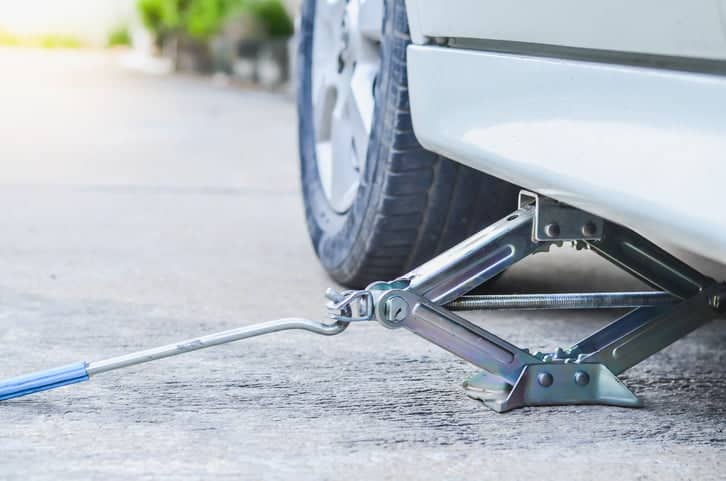
Credit: www.holtsauto.com
Maintenance Tips
Proper maintenance keeps your scissor floor jack safe and working well. It helps avoid damage and extends the jack’s life. Simple care steps make a big difference in performance.
Cleaning The Jack
Remove dirt and dust after each use. Wipe the surfaces with a clean cloth. Use mild soap and water for tough grime. Avoid soaking the jack to prevent rust. Dry all parts carefully before storing.
Lubrication Points
Oil the moving parts regularly to keep smooth action. Focus on pivot joints and screws. Use light machine oil or grease made for tools. Apply a small amount and wipe off extra oil. Regular lubrication reduces wear and noise.
Storage Recommendations
Store the jack in a dry, cool place. Keep it off damp floors to stop rust. Lower the jack fully before storage. Cover it with a cloth or plastic to block dust. Check the jack monthly for any signs of damage.
Common Mistakes To Avoid
Using a scissor floor jack can be simple and safe. Avoiding common mistakes helps keep you and your vehicle safe. These errors can cause damage or accidents. Learn key points to operate your jack correctly.
Overloading The Jack
Never lift more weight than the jack’s limit. Overloading can break the jack or cause it to fail. Check your vehicle’s weight before lifting. Always use a jack that matches your vehicle’s size.
Ignoring Safety Stands
Do not rely on the jack alone to hold the vehicle. Always place safety stands under the car after lifting. Safety stands provide extra support. They prevent accidents if the jack slips or lowers.
Improper Jack Placement
Place the jack under the correct lifting points on the vehicle. Wrong placement can damage your car or cause the jack to slip. Find the manufacturer’s recommended spots. Always ensure the jack sits on a flat, solid surface.

Credit: www.youtube.com
Frequently Asked Questions
How Do You Safely Position A Scissor Floor Jack?
Place the jack on a flat, stable surface. Align the jack under the vehicle’s recommended lifting point. Ensure the vehicle is in park and the parking brake is engaged before lifting. This prevents slipping and ensures safe operation.
What Is The Correct Way To Lift A Vehicle Using A Scissor Jack?
Turn the jack handle clockwise to raise the vehicle. Lift slowly until the tire is off the ground. Never go under the vehicle without proper support stands. Always follow the vehicle manufacturer’s instructions for lifting.
How Do You Lower A Vehicle With A Scissor Floor Jack?
Turn the jack handle counterclockwise slowly to lower the vehicle. Ensure the area is clear and the vehicle is stable. Lower the vehicle smoothly to avoid sudden drops or damage.
Can I Use A Scissor Floor Jack On Uneven Surfaces?
No, always use a scissor jack on a level, solid surface. Uneven ground can cause instability and accidents. Use a sturdy base or platform if the ground is soft or uneven.
Conclusion
Operating a scissor floor jack is simple with the right steps. Always place the jack on a flat, stable surface. Position it correctly under the vehicle’s lifting point. Turn the handle steadily to raise the vehicle. Lower it slowly and carefully after work.
Regular checks keep the jack safe and effective. Practice these steps to lift with confidence. Safety and attention make the process smooth. Use the jack only for its intended purpose. This tool can make vehicle maintenance easier and safer.