Are you ready to hang shelves, pictures, or hooks but don’t have a drill handy? Installing plastic wall anchors without a drill might sound tricky, but it’s easier than you think.
You don’t need fancy tools or a lot of time to get the job done right. In this guide, you’ll discover simple, step-by-step methods that anyone can follow. Keep reading, and you’ll learn how to secure your items safely and quickly—no drill required.
Your walls will thank you!
Credit: mottogroupbuilders.com.au
Choosing The Right Wall Anchors
Choosing the right wall anchors is key for a secure hold. Not all anchors work the same on every wall. Picking the correct type saves time and effort. It also prevents damage to your walls and keeps items safely mounted.
Types Of Plastic Wall Anchors
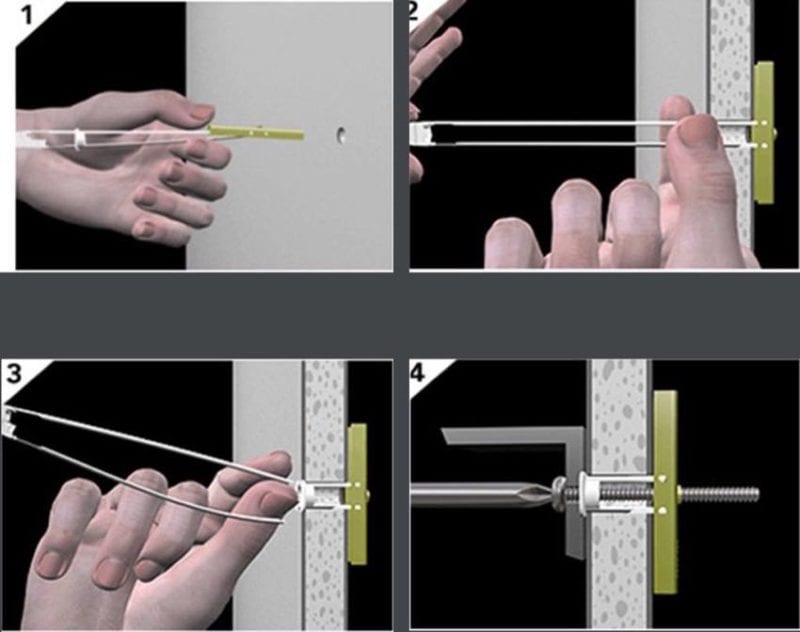
Plastic wall anchors come in several types. Expansion anchors spread inside the wall for grip. They work well in drywall and plaster. Screw-in anchors twist directly into the wall. They offer a strong hold in softer materials. Hollow wall anchors expand behind the wall. These are good for thin walls or panels. Choose the type that fits your wall and item weight.
Selecting Anchors For Different Wall Materials
Drywall needs light to medium anchors. Expansion anchors often work best here. For plaster walls, use anchors that spread wide. They grip better in brittle surfaces. Concrete or brick walls need heavy-duty anchors. Plastic anchors may not hold well in hard materials. Use anchors designed for masonry. Match anchor size to hole and screw size. This ensures a tight and secure fit.
Tools Needed Without A Drill
Installing plastic wall anchors without a drill is simple with the right tools. You do not need fancy equipment. Just a few common household items can help you complete the task effectively. These tools help you make holes and secure anchors safely. Understanding what you need makes the job easier and faster.
Common Household Tools
A hammer is essential for tapping the anchor into the wall. A nail or a small screwdriver can create a pilot hole for the anchor. A measuring tape helps mark the exact spot for installation. A pencil or marker is useful to mark where the anchor will go. These tools are often found in most homes.
Optional Tools To Make Installation Easier
A manual hand drill or a small awl can help create a clean hole. Needle-nose pliers assist in holding anchors steady while inserting them. A level ensures your installation is straight and aligned. A utility knife can trim anchors if needed. These tools are not necessary but improve accuracy and ease.
Preparing The Wall Surface
Preparing the wall surface is the first step to install plastic wall anchors without a drill. A clean and smooth area helps the anchor stay strong. It also makes the installation easier and safer. Take your time to prepare the wall well for the best results.
Marking The Anchor Spot
Start by choosing the exact spot for the anchor. Use a pencil to mark the wall lightly. Make sure the mark is clear but easy to erase if needed. Check the spot twice to avoid mistakes. This step guides where you will place the anchor.
Cleaning And Smoothing The Area
Remove dust and dirt from the marked spot. Use a soft cloth or brush to clean the wall surface. A smooth surface helps the anchor grip better. If the wall has bumps or paint chips, gently sand the area. This makes the surface even and ready for the anchor.
Manual Methods To Insert Wall Anchors
Installing plastic wall anchors without a drill is possible using simple manual methods. These techniques help you create space for the anchor and secure it firmly. You need basic tools and some patience. The process is easy to follow and works well for light to medium loads.
Manual methods let you prepare the wall and insert anchors safely. This avoids damage and keeps your walls intact. Below are three effective ways to insert plastic wall anchors without a drill.
Using A Screwdriver For Pilot Holes
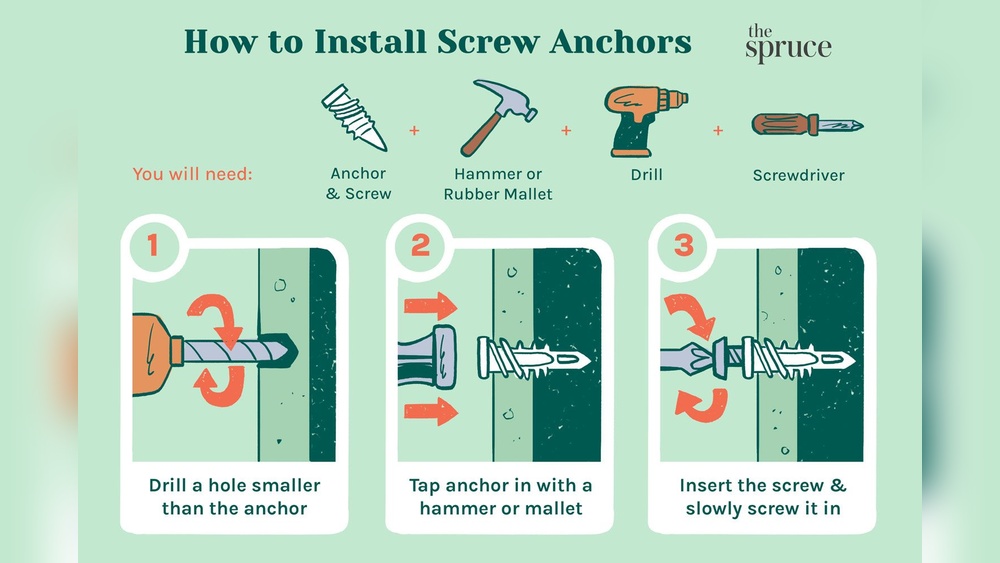
Start by marking the spot on the wall. Use a flathead or Phillips screwdriver as a makeshift drill. Press the screwdriver tip into the wall and twist it slowly. This action creates a small pilot hole for the anchor. Apply steady pressure to avoid slipping. Keep turning until the hole is deep enough for the anchor.
Tapping Anchors With A Hammer
Place the plastic anchor against the wall at the marked spot. Hold it steady with your fingers. Gently tap the anchor with a hammer to push it inside. Use light taps to prevent cracking the anchor or wall. Keep tapping until the anchor sits flush with the wall surface. This method works well for drywall and plaster.
Twisting Anchors By Hand
Some plastic anchors are designed to be twisted in by hand. Align the anchor with the pilot hole or soft wall. Hold the anchor firmly and twist it clockwise. Push gently as you turn to help it slide in. Continue twisting until the anchor is flush with the wall. This method secures the anchor without extra tools.
Securing The Anchor Firmly
Securing the anchor firmly is key to a strong hold on the wall. A loose anchor can cause your item to fall or damage the wall. You need to make sure the anchor fits tight and holds well without moving. This step ensures safety and durability for hanging objects without using a drill.
Checking Anchor Stability
After inserting the plastic anchor, test its stability by gently pulling it. It should not wiggle or slide out easily. Press the anchor with your finger to check if it is flush against the wall. If it moves, push it deeper or adjust the hole size slightly. The anchor must stay firm before you screw in any fastener.
Tips To Avoid Wall Damage
Use a small nail or push pin to make the hole first. This prevents cracking or splitting the wall surface. Insert the anchor slowly and carefully without forcing it. Stop if you feel too much resistance. Avoid over-tightening screws in the anchor to keep the wall from breaking. Take your time to keep the wall safe and the anchor strong.

Credit: www.reddit.com
Installing Screws Into Anchors
Installing screws into plastic wall anchors is a key step for strong support. The screw must fit well with the anchor to hold items securely on the wall. Proper technique prevents damage to the wall or anchor. This section explains how to choose the right screw size and insert it correctly.
Choosing The Right Screw Size
Select a screw that matches the anchor size. The screw should be thick enough to expand the anchor without breaking it. Too thin screws won’t hold the anchor firmly. Too thick screws can crack the plastic anchor or wall. Check the anchor package for recommended screw sizes. Use a screw length that goes deep enough into the anchor and wall for good grip.
Proper Screw Insertion Techniques
Start screwing slowly by hand to avoid slipping or damaging the anchor. Use a screwdriver with a tip that fits the screw head well. Turn the screw gently until you feel resistance. Stop tightening once the screw is snug. Over-tightening can strip the anchor or wall. The screw should hold the anchor tight without cracking or moving. This careful process ensures a strong hold and protects your wall.
Troubleshooting Common Issues
Troubleshooting is key when installing plastic wall anchors without a drill. Small problems can stop the anchor from holding properly. Fixing these issues quickly saves time and effort. Below are common problems and how to solve them.
Anchor Slippage
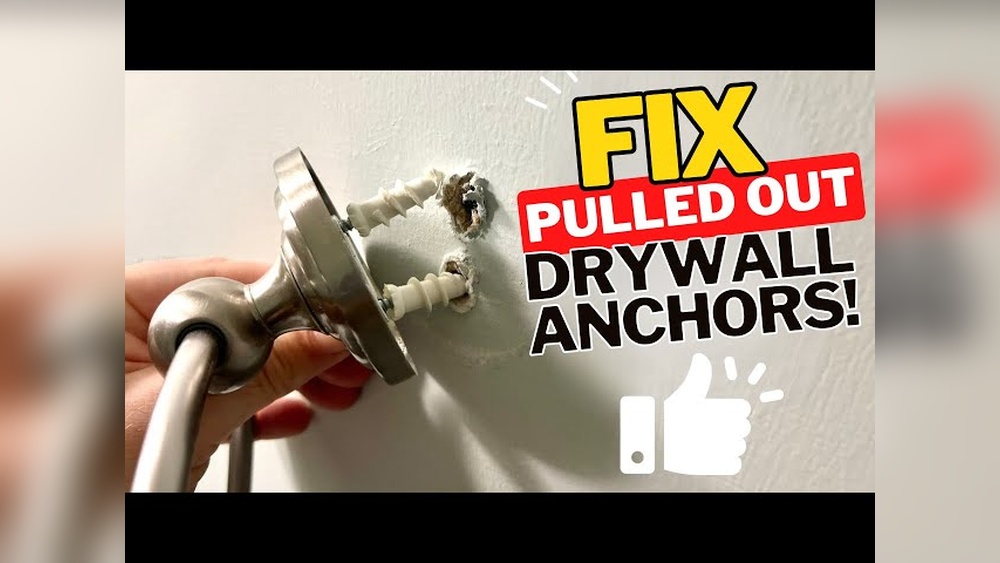
Anchor slippage happens when the anchor moves inside the wall. This reduces its grip and strength. To stop this, make the hole tight by pushing the anchor firmly. Use a hammer gently to tap the anchor in place. If the hole is too big, try a bigger anchor size.
Wall Cracking Or Splitting
Cracks or splits appear if you force the anchor too hard. Pressing the anchor slowly helps prevent damage. Choose anchors made for your wall type to avoid splitting. If the wall cracks, patch the area before trying again. Use light taps rather than strong hits.
Loose Screws
Loose screws do not hold the item securely. This often means the anchor is too large or not set deep enough. Tighten the screw slowly and watch the anchor. If it spins or wiggles, remove the anchor and try a smaller size. Always check the anchor fits snugly before inserting the screw.

Credit: www.youtube.com
Safety Tips For Diy Installation
Safety is very important when installing plastic wall anchors without a drill. Taking simple steps helps avoid accidents and injuries. Follow these safety tips to complete your DIY project safely and confidently.
Protective Gear Recommendations
Always wear safety glasses to protect your eyes from dust and debris. Use gloves to keep your hands safe from sharp edges. A dust mask helps prevent inhaling small particles. Wear closed-toe shoes to protect your feet from falling tools or materials.
Safe Handling Of Tools
Use tools carefully and correctly to avoid injuries. Hold screwdrivers and other hand tools firmly. Keep your work area clean and free of clutter. Store sharp tools away from children and pets. Check tools for damage before use to ensure they work properly.
Frequently Asked Questions
Can Plastic Wall Anchors Be Installed Without A Drill?
Yes, plastic wall anchors can be installed without a drill. Use a hammer to gently tap the anchor into a pre-punched hole or directly into drywall. This method works well for light to medium loads and avoids using power tools.
What Tools Do I Need To Install Anchors Without Drilling?
To install plastic wall anchors without a drill, you need a hammer, a nail or screwdriver for making a starter hole, and the anchors themselves. These simple tools help create space for the anchor and secure it firmly in place.
Are Wall Anchors Reliable Without Drilling A Pilot Hole?
Wall anchors can be reliable without drilling a pilot hole if you use a nail or screwdriver to create a small starter hole. This prevents wall damage and ensures the anchor fits securely, providing good support for lightweight fixtures.
How Much Weight Can Plastic Anchors Hold Without Drilling?
Plastic anchors installed without drilling typically hold up to 10-25 pounds, depending on wall type and anchor size. For heavier loads, drilling a pilot hole is recommended to ensure proper anchor grip and wall stability.
Conclusion
Installing plastic wall anchors without a drill is simple and effective. You only need basic tools like a hammer and a screwdriver. This method saves time and avoids noise. It works well for light to medium loads. Always measure and mark the spot clearly.
Take your time to insert the anchor straight. With patience, you can hang items securely on your walls. No drill needed. Give it a try and see how easy it is. Small steps lead to big results.