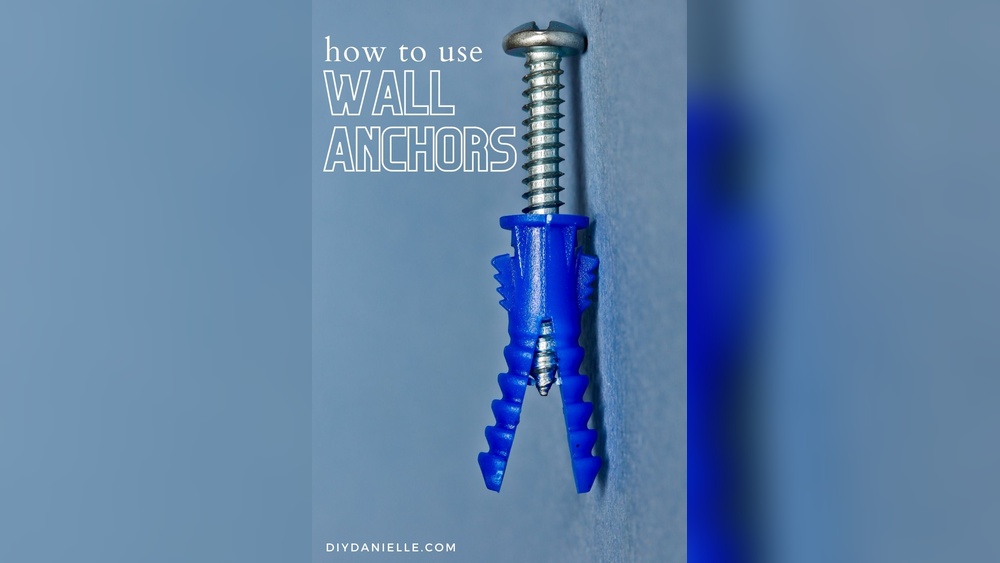
Are you struggling to hang shelves, pictures, or hooks securely on your walls? Using plastic wall anchors can make all the difference, but only if you screw them in correctly.
If you’ve ever dealt with loose anchors or walls that just won’t hold, you’re not alone—and the good news is, it’s easier to fix than you think. In this guide, you’ll learn exactly how to screw plastic wall anchors the right way, so your items stay put and your walls stay strong.
Keep reading, and you’ll gain the confidence to tackle your next project with ease.

Credit: www.fmwfasteners.com
Choosing The Right Anchor
Choosing the right plastic wall anchor is key to a strong hold. The wrong anchor can cause your items to fall or damage the wall. Understand the types and match them to your wall and weight needs. This guide helps you pick the best anchor for your project.
Types Of Plastic Wall Anchors
Plastic wall anchors come in several types. The most common are expansion anchors, which spread as you screw them in. Another type is the self-drilling anchor, which cuts its own hole. There are also toggle anchors with wings that open inside the wall. Each type suits different tasks and walls.
Matching Anchors To Wall Materials
Different walls need different anchors. Drywall requires lighter anchors like expansion or self-drilling types. For plaster or hollow walls, toggle anchors give better support. Concrete and brick walls need stronger anchors that can hold firm under pressure. Match the anchor to the wall for best results.
Weight Capacity Considerations
Check how much weight the anchor can hold. Light anchors support small pictures and decorations. Heavier anchors handle shelves, mirrors, or TVs. Always pick an anchor that supports more weight than your item needs. This prevents accidents and wall damage.
Tools Needed For Installation
Installing plastic wall anchors requires some basic tools. These tools make the job easier and help secure the anchors properly. Using the right tools ensures strong support for screws and prevents damage to your wall.
Drill And Drill Bits
A drill is essential for making holes in the wall. Choose a drill bit that matches the size of your wall anchor. Too big or too small can cause problems. A proper hole allows the anchor to fit snugly. This keeps the anchor secure and ready for the screw.
Screwdrivers And Screws
Use a screwdriver that fits your screws perfectly. A tight fit helps turn screws smoothly without slipping. Choose screws made for plastic anchors. These screws grip well and hold the anchor in place. A good screwdriver and screws prevent damage and ensure a firm hold.
Measuring And Marking Tools
Measuring tools like a tape measure or ruler help find the right spot on the wall. Marking tools such as a pencil make clear marks for drilling. Accurate marks guide the drill and keep holes straight. This step helps avoid mistakes and keeps your project neat.
Preparing The Wall
Preparing the wall is an important step before screwing plastic wall anchors. This process ensures the anchors hold securely and your items stay mounted. Proper preparation also helps avoid damage to the wall.
Locating The Studs
Use a stud finder to locate wooden studs behind the drywall. Studs provide strong support for heavy items. Mark their positions lightly with a pencil. Avoid placing anchors directly on studs unless needed. Anchors work best in drywall where no studs are present.
Marking The Anchor Points
Decide where you want to place the anchors. Use a pencil to mark exact spots on the wall. Measure carefully to keep marks even and level. Clear, visible marks guide your drilling and prevent mistakes.
Drilling The Pilot Hole
Select a drill bit slightly smaller than the anchor size. Drill straight into the marked points with steady pressure. Keep the hole clean from dust and debris. A precise pilot hole helps the anchor fit snugly and hold tight.
Installing Plastic Anchors
Installing plastic wall anchors makes hanging items easier and safer. These anchors hold screws tightly in drywall or plaster. Correct installation is key to strong support and avoiding damage. Follow simple steps to insert anchors properly.
Inserting The Anchor
Start by drilling a hole slightly smaller than the anchor’s body. Push the plastic anchor into the hole with your fingers. Tap gently with a hammer if needed. The anchor should slide in without bending or cracking.
Ensuring A Flush Fit
The anchor must sit flush with the wall surface. Use a flat tool to press the anchor if it sticks out. A flush fit helps the screw hold better. It also prevents damage to the wall and anchor.
Common Installation Mistakes
Using the wrong drill bit size is a common error. Too big a hole makes the anchor loose. Too small a hole can crack the anchor. Not pushing the anchor fully in causes poor grip. Over-tightening the screw can break the anchor inside the wall.
Screwing Into Anchors
Screwing into plastic wall anchors is a key step to secure items on walls safely. Proper screwing makes sure the anchor holds tight and prevents damage. It needs care and the right tools to avoid stripping or loosening the anchor. Follow simple steps for the best results and strong support.
Selecting The Right Screw Size
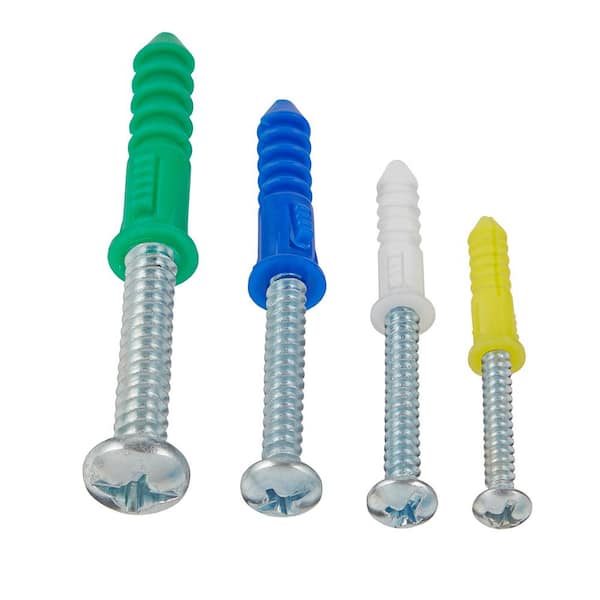
Choose a screw that matches the anchor size perfectly. Too small a screw won’t hold well and may slip. Too large a screw can crack or break the anchor. Check the anchor package for screw size recommendations. Use a screw that fits snugly inside the anchor without forcing it.
Proper Screw Driving Techniques
Start screwing slowly and keep the drill or screwdriver straight. Twisting at an angle can damage the anchor or wall. Drive the screw until it is flush with the item you hang. Avoid over-tightening, which can strip the anchor’s grip inside the wall. Use steady pressure and steady speed for best control.
Avoiding Anchor Damage
Do not force the screw if it feels stuck. Remove it and check if the screw size is correct. Using power tools on high speed may heat and weaken the plastic. Use a manual screwdriver or low drill speed for delicate work. Keep the anchor clean from dust or debris before screwing.

Credit: www.amazon.com
Testing And Securing The Fixing
Testing and securing the fixing is an important step after screwing plastic wall anchors. It ensures the anchor holds tightly and the object is safe on the wall. Without this step, the anchor may loosen or fail over time.
Check the anchor’s grip and stability before hanging any heavy items. Small adjustments can improve the hold and prevent damage to the wall. Follow these simple steps to confirm the fixing is secure and reliable.
Checking Stability
Gently pull or push the object attached to the anchor. It should not move or wiggle. Slight movement means the anchor may not be fully secure. Test the wall around the anchor for cracks or looseness. Stability means the anchor holds firmly in place.
Adjusting For Loose Anchors
If the anchor feels loose, remove the screw carefully. Push the anchor deeper into the hole if possible. Use a larger anchor or drill a new hole if needed. Tighten the screw slowly, checking the hold often. Avoid overtightening to prevent damage.
Best Practices For Long-term Hold
Choose the right size anchor for the weight and wall type. Use a drill bit that matches the anchor size. Avoid overloading the anchor beyond its weight limit. Periodically check the fixing for signs of wear or loosening. Proper installation keeps your items safe and secure.
Troubleshooting Problems
Troubleshooting problems with plastic wall anchors is common. Small mistakes can cause issues that stop the anchor from holding well. Understanding these problems helps fix them quickly and keeps your project on track.
Some problems happen because of wall damage or wrong anchor use. Others occur if the screw or anchor is damaged during installation. Knowing how to handle these issues saves time and prevents frustration.
Dealing With Cracked Walls
Cracks in walls weaken anchor grip. Avoid using anchors in large cracks. The anchor may not hold and could cause more damage.
Fill small cracks with a suitable filler before inserting anchors. Let it dry fully to create a solid base. This step improves anchor stability and prevents failure.
Replacing Stripped Anchors
Stripped anchors happen when screws spin without tightening. This stops the anchor from holding firmly. Remove the damaged anchor carefully to avoid wall damage.
Choose a new anchor of the right size and type. Insert it gently to avoid stripping again. Use a drill bit that matches anchor size for a snug fit.
When To Use Alternative Fixings
Plastic anchors are not always the best choice. Heavy items or hollow walls may need stronger fixings. Use metal anchors or toggle bolts for better support.
Alternative fixings provide more strength in weak or hollow walls. Match the fixing type to the wall and weight for safety. This ensures your items stay secure over time.
Credit: www.homedepot.com
Frequently Asked Questions
How Do You Install Plastic Wall Anchors Correctly?
To install plastic wall anchors, first drill a hole matching the anchor size. Insert the anchor flush with the wall. Then, screw into the anchor slowly, ensuring it expands and grips firmly. Avoid overtightening to prevent damage.
What Tools Are Needed For Screwing Plastic Wall Anchors?
You need a drill, a screwdriver or drill driver, and a matching drill bit. A hammer might help to gently tap the anchor into the hole if needed. These tools ensure proper installation and secure holding.
Can Plastic Wall Anchors Hold Heavy Items Securely?
Plastic wall anchors support light to medium loads well. For heavy items, use metal anchors or toggle bolts. Always check the anchor’s weight rating to match your item’s weight for safety.
Why Does A Plastic Wall Anchor Spin In The Hole?
Spinning occurs if the hole is too large or the anchor is damaged. Use the correct drill bit size and a new anchor to avoid this. Proper sizing ensures a tight fit and strong hold.
Conclusion
Screwing plastic wall anchors is simple with the right steps. Start by choosing the correct anchor size. Drill a hole that fits the anchor snugly. Insert the anchor gently, avoiding cracks. Screw in slowly to keep the anchor secure. This method holds your items firmly on the wall.
Practice a few times to gain confidence. Now, hanging shelves or pictures feels easier. Small efforts make big differences in your home. Keep tools ready and take your time. You will get strong, lasting results every time.