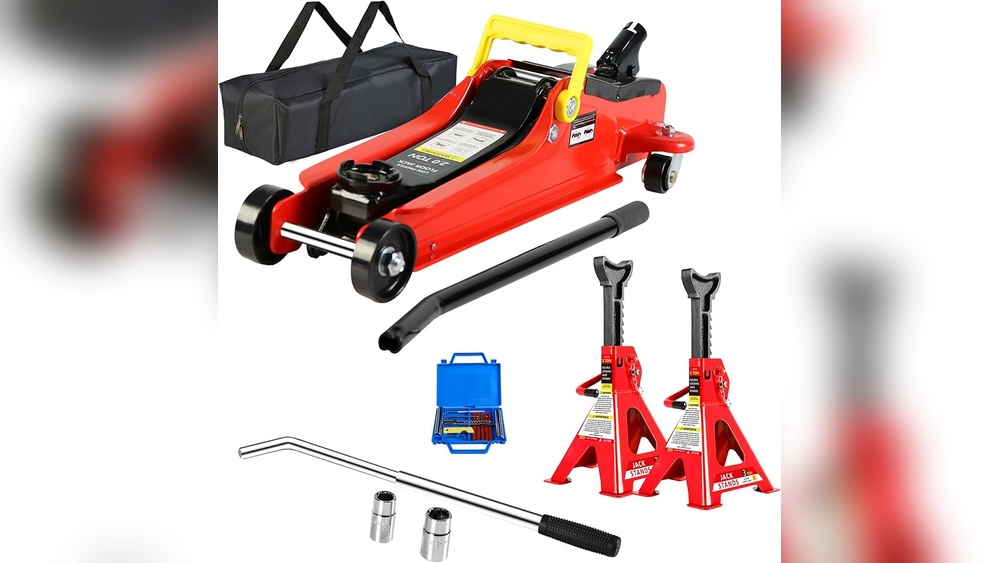
Have you ever been stuck with a heavy-duty floor jack that won’t unlock? It can be frustrating and even dangerous if you don’t know the right steps to take.
But don’t worry—unlocking your floor jack doesn’t have to be a mystery. In this guide, you’ll learn simple, clear methods to get your jack working smoothly again. Keep reading, and you’ll gain the confidence to handle your floor jack safely and quickly every time.

Credit: torinjacks.com
Common Reasons For A Locked Floor Jack
Heavy duty floor jacks sometimes get stuck or locked. This can stop you from lowering or raising your vehicle safely. Knowing why a floor jack locks helps fix it faster. Common causes include hydraulic, valve, or mechanical problems. Each can prevent smooth movement.
Hydraulic Pressure Issues
Hydraulic systems control the lifting power in floor jacks. If pressure builds up too much, the jack may lock. This happens when fluid leaks or air enters the system. Low hydraulic fluid levels also cause pressure problems. Without proper pressure, the jack cannot move freely.
Release Valve Problems
The release valve controls the flow of hydraulic fluid. If this valve gets stuck or blocked, the jack stays locked. Dirt or rust often causes the valve to jam. Sometimes the valve is not fully opened or closed. This stops fluid from moving, making the jack hard to operate.
Mechanical Blockages
Mechanical parts can wear out or break over time. Bent or damaged components can stop the jack from working. Dirt, rust, or debris can also cause blockages. These blockages stop the jack’s movement. Regular cleaning and inspection prevent mechanical problems.
Safety Precautions Before Unlocking
Before unlocking a heavy duty floor jack, safety must come first. This tool lifts heavy loads, so small mistakes can cause big problems. Taking simple steps keeps you safe and protects your equipment. Read these safety tips carefully before starting.
Wear Protective Gear
Always wear gloves to protect your hands. Safety glasses guard your eyes from dust and debris. Steel-toed boots protect your feet from heavy objects. Dress properly to avoid loose clothes that can get caught.
Ensure Stable Positioning
Place the jack on a flat, solid surface. Uneven ground can cause the jack to tip over. Check that the vehicle or object is steady before lifting. Use wheel chocks to stop movement during the process.
Avoid Overloading
Check the jack’s weight limit before use. Do not lift loads heavier than the jack’s capacity. Overloading risks breaking the jack or dropping the load. Lift only within the safe weight range shown on the tool.
Tools Needed For Unlocking
To free a heavy duty floor jack, you need a few simple tools. These tools help loosen stuck parts and clean dirt or rust. Having the right tools makes the process easier and safer. Here are the main tools needed for unlocking your floor jack.
Wrench Or Adjustable Spanner
A wrench or adjustable spanner fits nuts and bolts on the jack. It helps turn and loosen parts that may be stuck. Choose a size that fits well to avoid slipping or damage.
Lubricant Spray
Lubricant spray reduces friction and rust on moving parts. Spray it on joints and screws to make turning smoother. It helps parts move freely and prevents future sticking.
Clean Cloth
A clean cloth wipes away dirt, grease, and old lubricant. Cleaning parts before working makes tools grip better. Keep the cloth handy to keep the jack clean during the process.

Credit: stonedesignbysantos.com
Step-by-step Unlocking Process
Unlocking a heavy duty floor jack requires care and patience. Follow these clear steps to ensure safe and smooth operation. Each step helps prepare the jack for proper use and prevents damage.
Take your time. Doing it right keeps the jack in good shape. Let’s begin the step-by-step unlocking process.
Locate The Release Valve
Find the release valve on the jack. It is usually near the handle or base. This valve controls the pressure inside the jack. Knowing its position is the first step to unlocking the jack safely.
Apply Lubricant To Moving Parts
Use a light oil or spray lubricant on the moving parts. Focus on the release valve and joints. This helps parts move smoothly and prevents rust. Clean parts unlock without extra force.
Turn The Release Valve Slowly
Turn the valve slowly counterclockwise. Do this in small steps. This lets the hydraulic pressure release gently. Avoid turning it too fast to prevent sudden drops or damage.
Check For Hydraulic Fluid Levels
Look at the fluid reservoir. Ensure the hydraulic fluid level is correct. Low fluid can cause the jack to stick or fail. Add fluid if needed to keep the system working well.
Test The Jack Movement
After releasing pressure, test the jack by moving the handle. It should lift and lower smoothly. If movement is stiff, repeat lubrication and pressure release steps. Confirm the jack works before use.
Troubleshooting Stubborn Locks
Stubborn locks on a heavy-duty floor jack can stop your work fast. These locks keep the jack from moving but sometimes get stuck. Fixing these issues helps keep your jack safe and working well. Simple checks and fixes can save time and money.
Bleeding Air From The System
Air trapped inside the jack can cause it to lock up. Start by lowering the jack completely. Open the release valve slowly to let air escape. Pump the handle a few times to push air out. Close the valve and test the jack again. This process often frees the lock and smooths movement.
Inspecting For Damaged Seals
Seals stop oil leaks and keep pressure steady. Look for cracks or leaks around seals. Damaged seals let air in or oil out, causing locks. Replace any worn or cracked seals quickly. Use the right parts for your jack model. Good seals keep the jack running smoothly and safely.
When To Seek Professional Help
Some lock problems need expert attention. If bleeding air and checking seals do not work, call a pro. Heavy-duty jacks have complex parts that need special tools. Trying to fix big problems without skill can cause more damage. Professionals ensure your jack is safe and reliable for heavy jobs.

Credit: www.cart2india.com
Maintenance Tips To Prevent Future Locks
Heavy duty floor jacks need care to work well. Regular maintenance stops them from locking up. Simple steps keep the jack safe and ready for use. Follow these tips to avoid future problems and save time.
Regular Cleaning And Lubrication
Dirt and dust cause jacks to stick or lock. Clean the jack after each use. Wipe off mud, grease, and grime. Use a cloth and mild cleaner. Then, apply lubricant to moving parts. Oil the hinges, wheels, and release valve. Lubrication helps parts move smoothly and last longer.
Proper Storage Techniques
Store the jack in a dry, clean place. Avoid wet or dusty areas. Moisture can cause rust and damage. Keep the jack in a lowered position to reduce pressure. Use a cover to protect it from dirt. Proper storage prevents wear and keeps the jack ready.
Periodic Hydraulic Fluid Replacement
Hydraulic fluid wears out over time. Old fluid reduces jack performance and may cause locking. Check the fluid level regularly. Replace the hydraulic fluid as recommended by the manufacturer. Use the correct type of fluid for your jack. Fresh fluid ensures smooth lifting and lowering actions.
Frequently Asked Questions
How Do I Unlock A Heavy-duty Floor Jack Safely?
To unlock a heavy-duty floor jack, locate the release valve or lever. Turn it slowly counterclockwise to lower the jack gently. Always ensure the load is secure before unlocking to avoid accidents.
What Causes A Heavy-duty Floor Jack To Get Stuck?
A floor jack can get stuck due to hydraulic fluid leaks, air trapped in the system, or damaged seals. Regular maintenance and proper use prevent these issues and keep the jack functioning smoothly.
Can I Unlock A Floor Jack Without Tools?
Yes, most heavy-duty floor jacks have a built-in release valve or lever that can be operated by hand. Avoid using excessive force or tools to prevent damage.
How Often Should I Maintain My Heavy-duty Floor Jack?
Maintain your floor jack every 6 to 12 months. Check hydraulic fluid levels, inspect seals, and lubricate moving parts. Proper maintenance ensures smooth unlocking and long jack life.
Conclusion
Unlocking a heavy-duty floor jack is easier than it seems. Follow the right steps carefully and stay safe. Always check the jack for damage before use. Use the release valve slowly to avoid sudden drops. Keep tools and workspace clean for better control.
Practice often to feel more confident handling the jack. This helps you work faster and prevents accidents. Remember, safety is the top priority in every task. Trust your skills and take your time. You will get better with each use.