Are you struggling with a deadbolt that just won’t latch properly? Sometimes, the problem isn’t the lock itself but the strike plate on your door frame.
Moving a deadbolt strike plate might sound tricky, but with the right steps, you can fix it quickly and make your door secure again. In this guide, you’ll learn exactly how to adjust your strike plate so your deadbolt fits perfectly every time.
Keep reading—you’re just a few simple moves away from a smoother, safer lock.
Tools And Materials Needed
Moving a deadbolt strike plate requires specific tools and materials. Using the right items makes the job easier and cleaner. Prepare all tools before starting to avoid interruptions.
Essential Tools
You will need a screwdriver, usually a Phillips head, to remove and install screws. A tape measure helps to mark the new strike plate position accurately. A pencil or marker is necessary for marking spots. A chisel and hammer help adjust the door frame if the new strike plate does not fit perfectly. A drill with a bit is useful for making new screw holes if needed. Safety glasses protect your eyes during chiseling or drilling. A utility knife can help clean up edges or paint around the strike plate area.
Choosing The Right Strike Plate
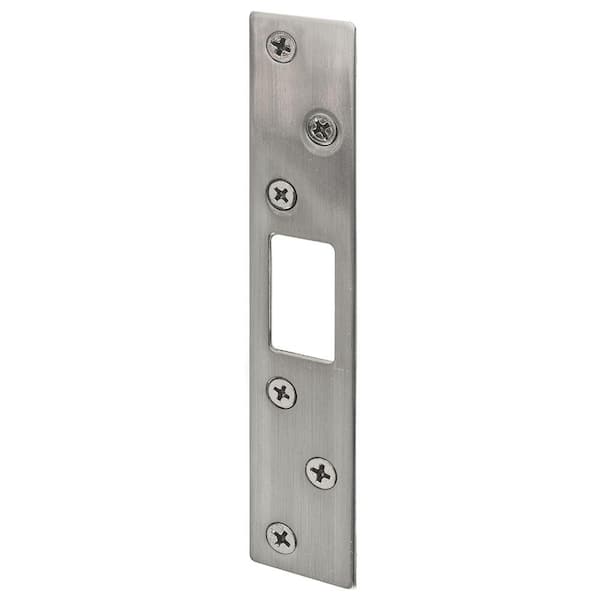
Select a strike plate matching your deadbolt’s size and style. Measure the old strike plate before buying a new one. Some strike plates are reinforced with metal for extra security. Choose one that fits your door frame thickness. Look for plates with longer screws to secure the strike plate firmly. A good fit ensures smooth locking and better protection. Avoid plates that are too big or small for your door frame.

Credit: www.reddit.com
Assessing Your Current Door Setup
Before moving a deadbolt strike plate, understanding your door setup is key. This helps ensure the new position works well with your door’s frame and lock. Take time to study the current strike plate and the door frame. This will make the process smoother and avoid mistakes.
Knowing these details guides you in making the right adjustments. It also helps prevent damage to the door or frame during installation.
Check Strike Plate Position
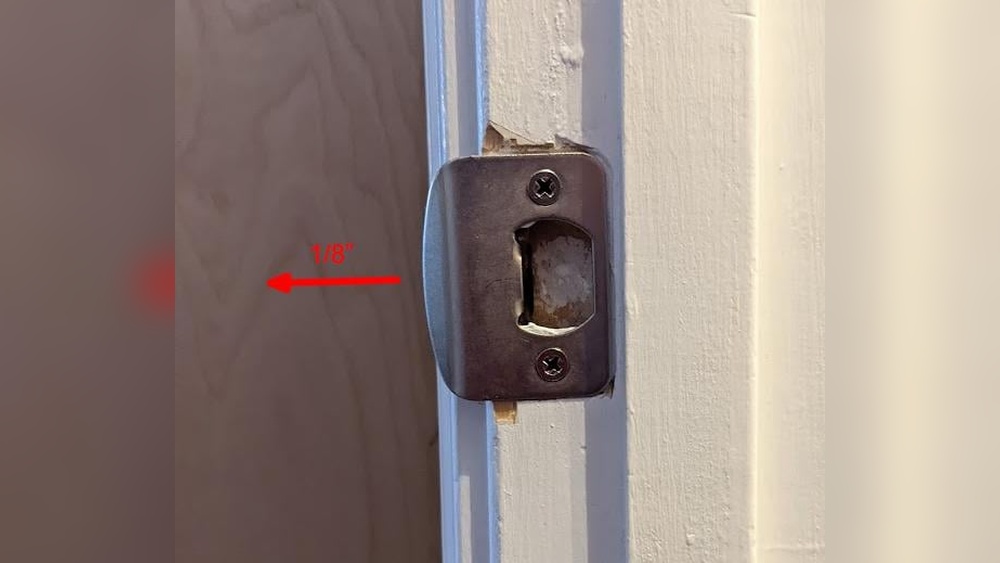
Look closely at where the strike plate sits on the door frame. Note its height and how far it extends into the frame. Check if the deadbolt fully fits into the strike plate hole. See if the plate is level and straight. These points tell you if the strike plate needs moving and by how much.
Identify Door Frame Material
Find out what material the door frame is made from. Common types include wood, metal, or composite. Each material requires different tools and screws for moving the strike plate. Wood frames are easier to adjust but need care to avoid splitting. Metal frames need special drill bits and screws for a secure fit.
Marking The New Strike Plate Location
Marking the new strike plate location is a key step in moving a deadbolt strike plate. This step ensures the deadbolt fits perfectly into the door frame. It also prevents future problems with locking and unlocking the door. Taking time to mark the right spot helps avoid mistakes and saves effort.
Aligning The Deadbolt
First, close the door and check where the deadbolt hits the frame. The bolt should line up with the current strike plate hole. Use the deadbolt as a guide to find the new location. Hold the strike plate against the frame at the desired spot. Make sure the plate sits flat and straight. Good alignment means the door will lock smoothly.
Measuring And Marking
Use a pencil to mark the edges of the strike plate on the door frame. Measure the distance from the door edge to the strike plate. This measurement helps place the plate in the right position. Mark the exact outline of the strike plate carefully. Double-check the marks before drilling or chiseling. Clear and precise marks prevent errors during installation.
Removing The Old Strike Plate
Removing the old strike plate is the first step in moving it. This process requires care to avoid damage to the door frame. Taking your time ensures a smooth installation of the new strike plate.
Unscrewing Carefully
Start by locating the screws holding the strike plate. Use the correct screwdriver to avoid stripping the screws. Turn the screws slowly and steady until they come out. Keep the screws safe if you plan to reuse them.
Do not force the screws. If they resist, try a different screwdriver size. Avoid slipping, which can scratch the door frame or damage the plate.
Preparing The Door Frame
After removing the strike plate, clean the door frame surface. Remove any dirt, old paint, or wood splinters. A smooth surface helps the new strike plate fit properly.
Check the frame for any damage from the old plate. Fill small holes or cracks with wood filler. Let the filler dry before installing the new strike plate.
Adjusting The Door Frame
Adjusting the door frame is a key step when moving a deadbolt strike plate. The frame must fit the new strike plate position perfectly. This ensures the deadbolt locks smoothly and securely. Small changes in the frame can make a big difference in the lock’s function. Careful adjustments prevent damage to the door and improve security.
Chiseling For New Position
Start by marking the new strike plate location on the door frame. Use a pencil for clear marks. Next, use a chisel to remove wood from the marked area. Work slowly to avoid removing too much wood. Keep the chisel flat and steady. The goal is to create a shallow, even recess for the strike plate. Check the fit often by placing the strike plate in the recess. Adjust the depth as needed until the plate fits flush with the frame.
Smoothing Edges
After chiseling, the edges of the recess may be rough. Use sandpaper or a sanding block to smooth these edges. Smooth edges help the strike plate sit flush without gaps. They also prevent splinters or wood damage. Sand gently and evenly around the entire recess. Test the strike plate fit again to confirm it sits well. This step ensures a clean, professional look and a strong lock installation.

Credit: www.thisoldhouse.com
Installing The New Strike Plate
Installing the new strike plate is a key step in moving a deadbolt strike plate. This part holds the bolt in place and keeps your door secure. Proper installation ensures the lock works smoothly and the door closes tightly. Follow these simple steps for a strong and secure fit.
Securing With Screws
Place the new strike plate in the correct spot. Use the holes on the plate as a guide for screws. Choose screws that are long and strong. Drive the screws in straight to avoid damage. Tighten them firmly but do not over-tighten. This keeps the plate stable and secure.
Ensuring Proper Alignment
Check the strike plate aligns with the deadbolt. The bolt should slide easily into the plate’s hole. Close the door slowly to test the fit. Adjust the plate slightly if the bolt catches or sticks. Proper alignment prevents lock jamming and door damage. Make small adjustments until the bolt moves smoothly.
Testing The Deadbolt Operation
Testing the deadbolt operation is an important step after moving the strike plate. It ensures the lock works smoothly and secures your door properly. This process helps spot any problems early. You can fix issues before finishing the job.
Locking And Unlocking
Start by locking the deadbolt slowly. Turn the key or thumb turn to extend the bolt. Check if the bolt slides easily into the strike plate. Try unlocking the deadbolt the same way. Make sure the bolt retracts without resistance.
Test the lock several times. Listen for unusual sounds like scraping or grinding. Feel for any sticking or jamming. These signs mean the strike plate may need more adjustment.
Making Final Adjustments
Adjust the strike plate position if the deadbolt does not work smoothly. Loosen the screws slightly and move the plate up, down, left, or right. Tighten the screws again and test the lock.
Repeat these steps until the deadbolt locks and unlocks easily. Ensure the bolt fully extends into the strike plate hole. A well-adjusted strike plate improves security and door function.
Tips For Enhanced Security
Improving the security of your deadbolt strike plate is a smart step. Small changes can make your door much stronger. These tips help protect your home better against forced entry.
Focus on the parts that hold the strike plate and the door frame. Stronger hardware means better safety. Here are two easy ways to enhance your door’s security.
Using Longer Screws
Replace short screws with longer ones. Screws at least 3 inches long reach deeper into the wall frame. This holds the strike plate firmly in place.
Long screws make it harder to break the door by force. They support the door frame, not just the surface. Use screws that fit your door and frame well.
Reinforcing The Door Frame
Check the door frame for weak spots. Reinforce it with metal plates or strong wood pieces. This strengthens the area around the strike plate.
A solid door frame stops the door from bending or breaking. Secure the reinforcement with long screws for better hold. A strong frame works with the strike plate to keep your home safe.
Credit: www.homedepot.com
Frequently Asked Questions
How Do You Move A Deadbolt Strike Plate?
To move a deadbolt strike plate, unscrew the existing plate first. Mark the new position aligned with the bolt. Drill new holes if needed, then screw the plate securely in place. Ensure the bolt fits snugly into the new strike plate position.
What Tools Are Needed To Move A Strike Plate?
You need a screwdriver, drill, pencil, chisel, and measuring tape. These tools help remove the old plate, mark the new location, and secure the plate correctly. A chisel may be necessary to adjust the door frame for a flush fit.
Can Moving A Strike Plate Improve Door Security?
Yes, moving a strike plate can improve security. Proper alignment ensures the deadbolt locks fully and resists forced entry. Using longer screws when reinstalling also strengthens the door frame against break-ins.
How Do You Align The Deadbolt With The Strike Plate?
Close the door and mark where the bolt touches the frame. Adjust the strike plate position to match this mark. Test the deadbolt to ensure smooth locking without resistance or gaps.
Conclusion
Moving a deadbolt strike plate can improve your door’s security and fit. Follow the steps carefully to avoid mistakes. Measure and mark the new spot before drilling. Use the right tools for a smooth job. Take your time and check alignment often.
This simple task can make your lock work better. Stay safe and keep your home secure. Practice makes perfect, so don’t rush. Small changes can have a big impact on door strength.