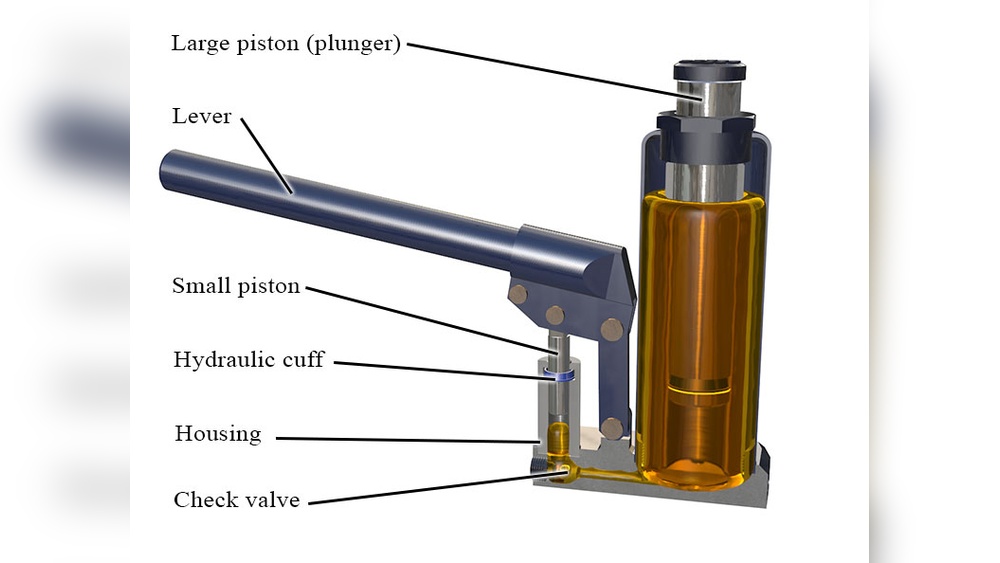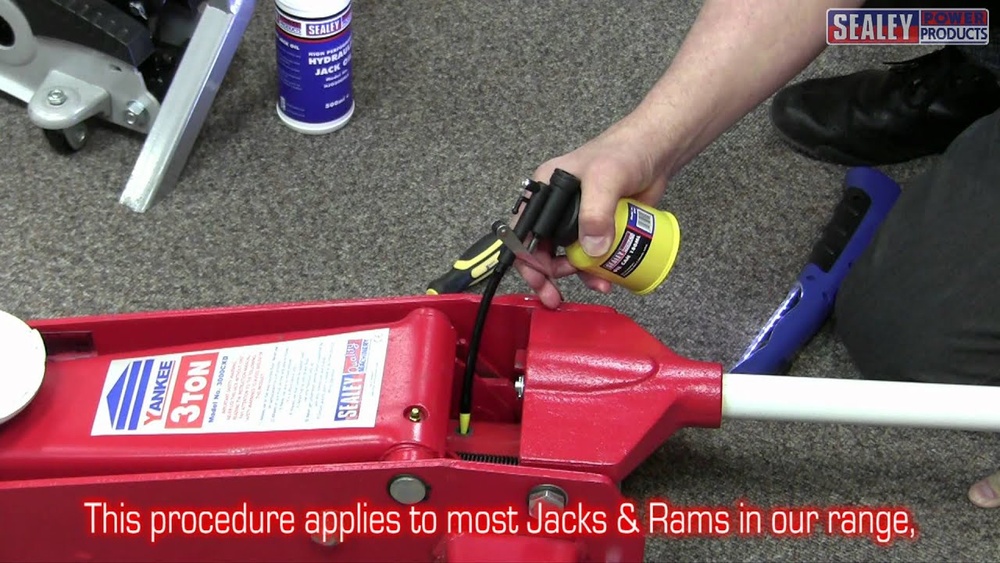
If you own a floor jack, you know how important it is to keep it in top shape. One key task is filling the oil correctly.
Doing this right ensures your jack works smoothly and lasts longer. But how exactly do you fill oil in a floor jack without making a mess or causing damage? In this guide, you’ll learn simple, step-by-step instructions that anyone can follow.
By the end, you’ll feel confident maintaining your floor jack like a pro—saving time, money, and hassle. Keep reading to find out how easy it really is!

Credit: www.wikihow.com
Choosing The Right Oil
Choosing the right oil for your floor jack is very important. The oil keeps the jack working smoothly. It also protects the parts inside the jack. Using the wrong oil can cause damage and make your jack unsafe. Here, we explain how to pick the best oil for your floor jack.
Types Of Hydraulic Oil
Floor jacks use hydraulic oil to lift heavy loads. There are several types of hydraulic oil. Mineral oil is common and works well for many jacks. Synthetic oil lasts longer and handles heat better. Some oils have additives to reduce wear and tear. Always check your jack’s manual to see which type fits best.
Oil Viscosity And Specifications
Viscosity means how thick or thin the oil is. Floor jacks need oil with the right viscosity to work well. Oil that is too thick can slow the jack. Oil that is too thin may not protect parts properly. Look for oil with specifications matching your jack’s needs. These details are often found on the jack label or manual.

Credit: www.youtube.com
Preparing Your Floor Jack
Preparing your floor jack before filling oil is important for its long life. It helps the jack work smoothly and safely. A few simple steps can make a big difference. Follow these steps carefully to get the best results.
Start by making sure the jack is stable and clean. Then, check for any damage. These steps keep you safe and protect your jack from harm. Proper preparation makes oil filling easier and more effective.
Safety Precautions
Always wear gloves to protect your hands from oil and dirt. Work in a well-ventilated area to avoid breathing in fumes. Keep the jack on a flat surface to stop it from moving. Never use a damaged jack. Check the user manual for any safety advice. These precautions keep you safe while working.
Cleaning The Jack
Remove dirt and grease from the jack’s surface with a clean cloth. Use a brush for hard-to-reach spots. Clean the oil fill area to avoid contaminating the oil. Wipe off dust around the release valve and pump. Clean parts help the jack work better and last longer. A clean jack also makes filling oil easier.
Locating The Oil Fill Port
Locating the oil fill port is the first step to maintaining your floor jack. This port allows you to add the right type of hydraulic oil. Proper oil levels keep the jack working smoothly and safely. Knowing where to find it prevents spills and damage.
Every floor jack model has a different design. The oil fill port is usually easy to access but can be hidden under covers or parts. Take time to find it before starting any oil changes or top-ups.
Common Locations
The oil fill port often sits near the base of the jack. Look around the main body where the hydraulic cylinder connects. Some models have the port on the side or top of the reservoir tank.
Check for a small round cap or plug that looks different from other parts. The port may also be under a plastic or metal cover. Use a flashlight to see in dark or tight spots.
Identifying The Fill Plug
The fill plug is usually a screw cap or bolt. It may have a symbol or word like “oil” or “fill” on it. The plug often has a rubber or plastic seal to prevent leaks.
Turn the plug counterclockwise to open it. Do not force it if it feels stuck. Use the correct tools to avoid damage. Removing this plug gives access to the oil reservoir inside the jack.
Draining Old Oil
Draining old oil from your floor jack is an important step before adding fresh oil. Old oil can lose its ability to lubricate and protect the jack’s parts. Removing it helps maintain smooth operation and extends the life of the jack.
To drain the oil, first place a container beneath the drain plug. Unscrew the plug carefully and let the oil flow out completely. This process removes dirt and debris trapped in the old oil. Make sure to clean the drain plug before reattaching it.
Proper Disposal Methods
Used oil is harmful to the environment. Never pour it down drains or on the ground. Collect the oil in a sealable container. Take it to a local recycling center or hazardous waste facility. Many auto shops accept used oil for recycling. Proper disposal keeps soil and water clean.
Signs Of Contaminated Oil
Check the old oil for signs of contamination before draining. Dark, thick, or gritty oil means dirt and metal particles are present. A sour or burnt smell also indicates bad oil. Contaminated oil can damage the jack’s seals and cylinders. Changing the oil promptly prevents costly repairs.
Filling The Floor Jack With Oil
Filling the floor jack with oil is a key step in keeping it working well. The oil helps the jack lift heavy loads smoothly and safely. Using the right amount of oil and the proper tools is important for a good job. Follow these simple steps to fill your floor jack with oil correctly.
Recommended Oil Amount
Check the user manual for the exact oil amount. Most floor jacks need about 0.5 to 1 cup of hydraulic oil. Using too little oil can cause poor lifting. Too much oil can damage the jack. Pour the right amount slowly to avoid spills.
Using A Funnel Or Syringe
A funnel or syringe helps pour oil without making a mess. Place the funnel into the oil fill port. Pour the oil gently through the funnel. If using a syringe, draw the oil first. Then inject it carefully into the jack. This keeps oil inside and prevents dirt from entering.
Bleeding Air From The Jack
Bleeding air from a floor jack is a key step after filling it with oil. Air trapped inside the jack’s hydraulic system can cause poor performance. The jack may feel soft or fail to lift properly. Removing air restores full pressure and smooth operation. This process helps the jack work safely and efficiently.
Why Bleeding Is Important
Air inside the jack stops oil from moving well. This makes lifting harder and less stable. Air bubbles reduce the jack’s power. They can also cause jerky or uneven movement. Bleeding removes trapped air for consistent pressure. It protects the jack from damage over time. Proper bleeding ensures the jack lifts heavy loads safely.
Step-by-step Bleeding Process
First, place the jack on a flat surface. Open the release valve slowly to lower the jack fully. Close the release valve tightly. Pump the handle several times to build pressure. Next, open the oil fill plug to let air escape. Pump the handle again to push out trapped air. Repeat this cycle until no air bubbles appear. Finally, close the oil fill plug securely. Test the jack to confirm smooth lifting action.
Testing The Floor Jack
Testing the floor jack after filling it with oil ensures it works safely and correctly. This step helps find any problems early. It also confirms the oil is in the right place and the jack lifts smoothly. Proper testing prevents accidents and saves time during use.
Checking For Smooth Operation
Start by pumping the jack handle slowly. The jack should lift without jerks or noises. The lifting arm must move up and down smoothly. Check if the jack holds the weight steadily when raised. Watch for any oil leaks around the seals or body. Smooth operation means the oil is filling the system properly.
Troubleshooting Common Issues
If the jack moves slowly or won’t lift, air might be trapped inside. Release the air by opening the release valve slightly. Listen for unusual sounds like hissing or grinding. These can mean worn parts or low oil levels. Tighten any loose bolts and add oil if needed. Repeat testing until the jack works smoothly.
Maintenance Tips
Proper maintenance keeps your floor jack working well and safe. Simple steps help avoid damage and extend its life. Regular care saves money and time on repairs.
Regular Oil Checks
Check the oil level often. Low oil can cause the jack to fail. Use the right type of oil for your model. Look for signs of dirty or thick oil. Change the oil if it looks dark or gritty. Clean oil helps the jack move smoothly and safely.
Storage Recommendations
Store the floor jack in a dry place. Avoid wet or dusty areas to stop rust. Keep the jack lowered to release pressure on parts. Cover it with a cloth or plastic to protect from dirt. Good storage keeps the oil clean and parts healthy.

Credit: www.wikihow.com
Frequently Asked Questions
How Often Should I Refill Oil In A Floor Jack?
Refill your floor jack oil every 6 to 12 months or when lifting efficiency drops. Regular checks prevent damage and ensure smooth operation.
What Type Of Oil Is Best For Floor Jacks?
Use high-quality hydraulic jack oil or SAE 10W hydraulic oil. Avoid motor oils or automatic transmission fluids, as they can harm seals.
How Do I Check The Oil Level In A Floor Jack?
Locate the oil fill plug on the jack’s body. Remove the plug, check the oil level, and add oil until it reaches the fill hole.
Can I Use Motor Oil Instead Of Hydraulic Oil?
No, motor oil is not suitable for floor jacks. It can damage seals and affect jack performance. Always use recommended hydraulic oil.
Conclusion
Filling oil in a floor jack keeps it working smoothly. Always use the right oil type for your model. Clean the jack before adding oil to avoid dirt inside. Check oil levels regularly to prevent damage. A well-maintained jack lifts safely and lasts longer.
Follow these steps to keep your floor jack in good shape. Simple care saves time and money over time. Remember, a little oil goes a long way in jack maintenance.