Are you struggling to hang something on your plaster wall without it falling down? You’re not alone.
Plaster walls can be tricky, and using the wrong anchors might damage your wall or leave your items unsecured. But don’t worry—this guide will show you simple, effective ways to anchor into plaster walls safely. By the end, you’ll know exactly what tools to use and how to get a strong hold every time.
Keep reading to make your walls work for you, not against you.
Types Of Plaster Walls
Plaster walls come in different types. Each type needs a different way to hold anchors. Knowing the type helps you choose the right anchor for a strong hold.
Lath And Plaster
Lath and plaster walls are old-style walls. They have thin wooden strips called laths. Plaster is spread over these laths in layers. These walls are thick but brittle.
Anchors must avoid cracking the plaster. Use anchors that spread the load over a larger area. Hollow wall anchors or toggle bolts work well here.
Modern Plasterboard
Modern plasterboard walls are common in new homes. They have a gypsum core covered by paper sheets. These walls are thinner and less strong than lath and plaster.
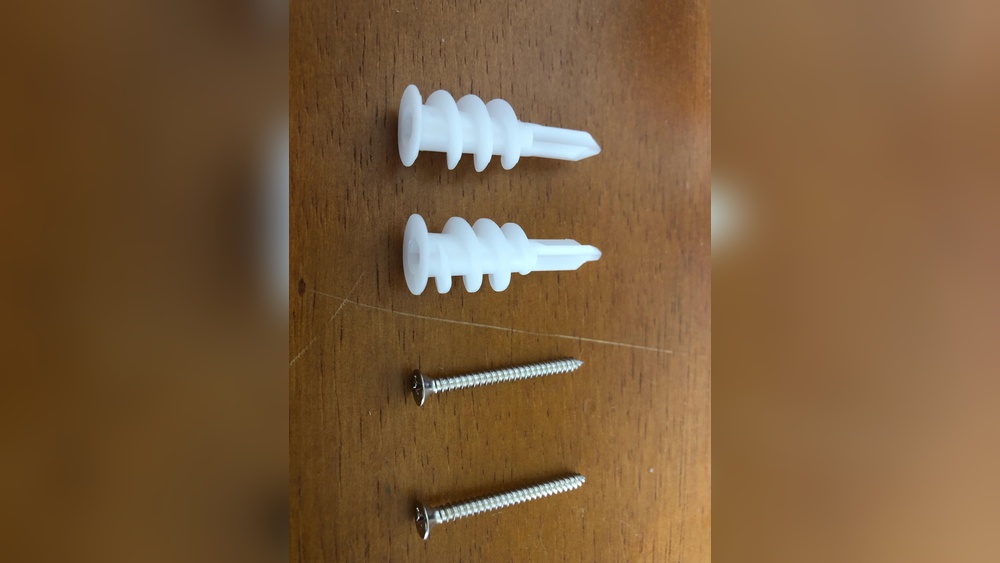
Drywall anchors or self-drilling anchors are best for plasterboard. They hold well without breaking the surface. Choose anchors made for lightweight walls to avoid damage.

Credit: www.youtube.com
Choosing The Right Anchor
Choosing the right anchor is key for a strong hold in plaster walls. Different anchors suit different weights and wall types. Using the wrong anchor can cause damage or fail to support the item. This guide explains three common anchors to help you decide.
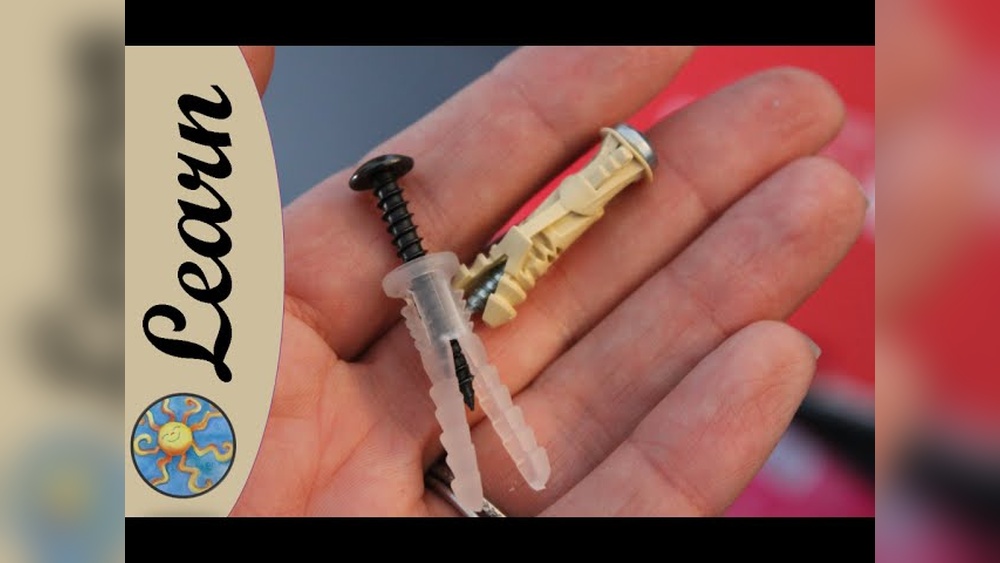
Plastic Expansion Anchors
Plastic expansion anchors are good for light loads. They work by expanding inside the hole when a screw is inserted. These anchors fit well in solid plaster walls. They are easy to install and cost-effective. Use them for hanging small pictures or light shelves.
Molly Bolts
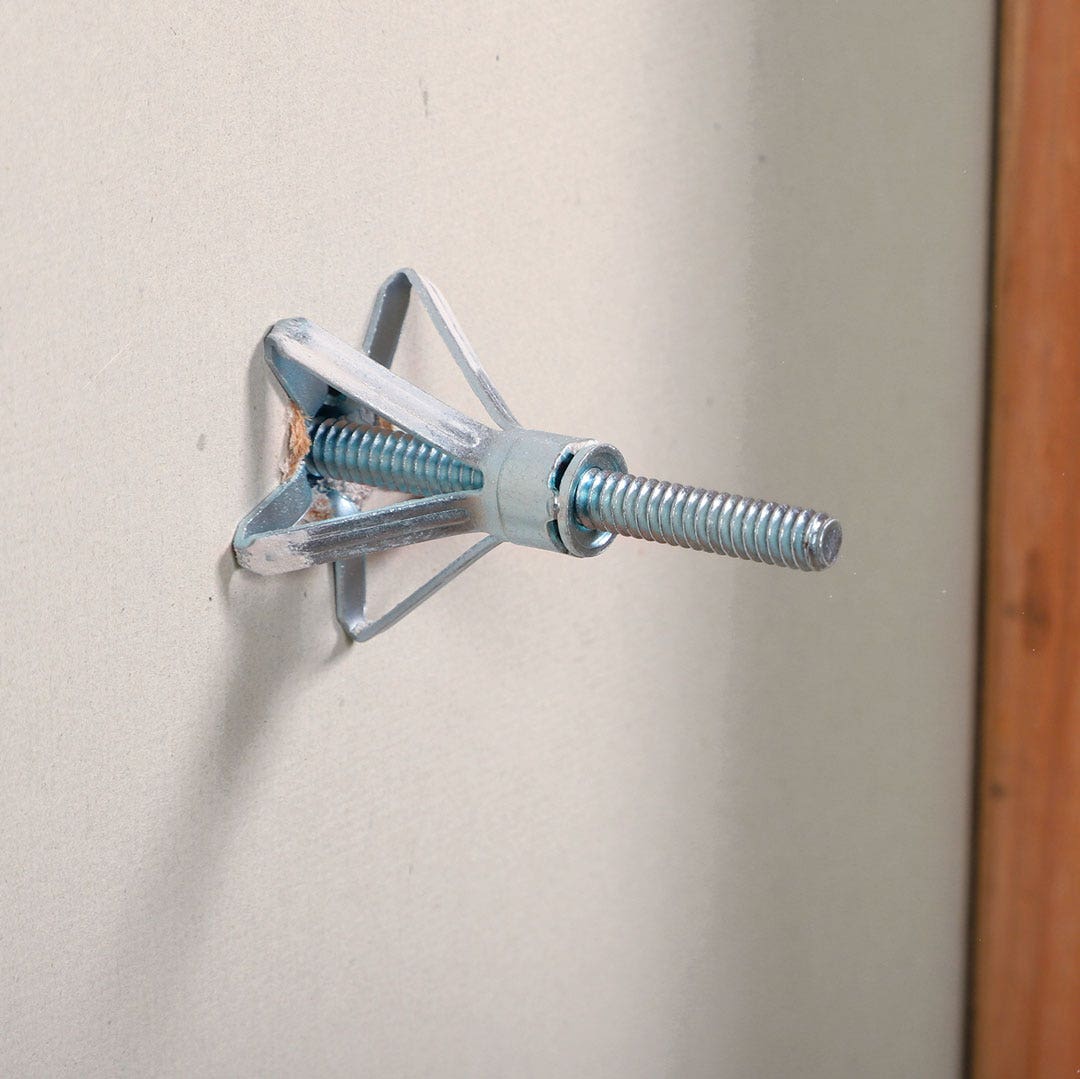
Molly bolts are metal anchors that expand behind the wall. They create a strong grip in hollow plaster walls. These bolts hold medium-weight items securely. Installation requires drilling a hole and tightening the bolt. Ideal for mounting curtain rods or mirrors.
Toggle Bolts
Toggle bolts offer the strongest hold in plaster walls. They have wings that open inside the wall cavity. These anchors support heavy objects like large shelves or TVs. Installation needs a larger hole and careful placement. Best choice for heavy-duty wall mounting jobs.
Tools Needed For Anchoring
Anchoring to a plaster wall needs the right tools for a safe and strong hold. Using proper tools helps avoid damage and makes the job easier. Prepare these tools before starting your project.
Drill And Bits
A drill is essential for making holes in plaster walls. Choose a drill with variable speed for better control. Use masonry or multi-purpose drill bits to avoid cracking the plaster. Start with a small bit to make a pilot hole. This prevents plaster from breaking.
Screwdriver
A screwdriver is needed to drive screws into the anchors. Use a manual or electric screwdriver for better grip and control. Match the screwdriver tip to the screw head type. This avoids stripping screws and ensures a tight fit.
Level And Measuring Tape
A level helps keep your anchor points straight and even. Use a measuring tape to mark exact spots on the wall. Accurate measuring prevents uneven hanging and mistakes. Take your time with these tools for the best results.

Credit: abutterflyhouse.com
Preparing The Wall Surface
Preparing the wall surface is the first step to secure anchors in plaster walls. A smooth and clean surface helps the anchor hold better. It also prevents damage to the plaster.
Proper preparation saves time and effort during installation. It makes the anchor more stable and safe for hanging objects.
Locating Studs
Studs are wooden or metal supports behind the plaster wall. Anchoring directly into a stud gives the strongest hold. Use a stud finder tool to locate them. Move the tool slowly across the wall. Mark the spots where the finder signals a stud.
If you do not have a stud finder, tap the wall lightly with a hammer. A solid sound means a stud is behind. A hollow sound means no stud there. Mark the stud locations clearly for reference.
Marking Anchor Points
After finding studs, decide where to place anchors. Use a pencil to mark exact anchor points on the plaster. Measure carefully to keep marks level and spaced correctly. Double-check measurements before drilling.
Clear, visible marks ensure accurate drilling. They reduce mistakes that can crack or damage plaster. Take your time marking points for a neat, strong installation.
Drilling Into Plaster Walls
Drilling into plaster walls requires care and the right tools. Plaster is fragile and can crack easily. Using the correct drill bit and proper drilling techniques helps avoid damage. It also ensures the anchor holds firmly. Understanding these steps makes the job easier and safer.
Selecting Drill Bit Size
Choose a drill bit that matches your anchor size. Too large a bit makes the hole loose. Too small makes it hard to insert the anchor. Measure your anchor’s diameter carefully. Use a masonry bit for plaster walls. This bit can handle the hardness without cracking plaster. Avoid using wood or metal bits for plaster.
Drilling Techniques
Start drilling slowly to avoid cracking plaster. Use a low drill speed and gentle pressure. Let the drill do the work. Do not force it. Stop if you feel resistance or hear cracking sounds. Clear dust from the hole often. This helps the drill cut smoothly. Drill straight into the wall for a clean hole. A crooked hole weakens the anchor hold. Keep your hand steady throughout the process.
Installing Different Anchors
Installing anchors in plaster walls requires choosing the right type of anchor. Different anchors work best for different wall conditions and weight needs. Understanding how to install each type helps secure items safely. Below are common anchors and how to set them up properly.
Plastic Anchor Installation
Plastic anchors are simple and work well for light loads. First, drill a hole slightly smaller than the anchor. Push the plastic anchor into the hole until it is flush with the wall. Insert the screw into the anchor and tighten it slowly. The anchor expands inside the hole, holding firmly in place.
Molly Bolt Setup
Molly bolts are good for medium-weight items. Drill a hole to fit the bolt size. Insert the molly bolt into the hole. Use a screwdriver to tighten the screw, which opens the metal wings behind the wall. The wings spread wide and lock the bolt securely. Remove the screw to hang your object, then replace the screw.
Toggle Bolt Placement
Toggle bolts hold heavy items on plaster walls. Drill a large hole for the toggle wings. Thread the screw through the object to hang, then attach the toggle wings. Fold the wings and push them through the hole. The wings open behind the wall and grip tightly. Pull the screw gently while tightening to secure the bolt.
Testing Anchor Strength
Testing the strength of anchors in plaster walls is crucial. It ensures safety and durability. Without testing, anchors may fail and cause damage or injury. This section explains how to check anchor strength effectively.
Load Testing Methods
Load testing checks how much weight an anchor can hold. Use a spring scale or a weight set. Pull or hang weight slowly to see if the anchor holds. Keep adding weight carefully until the anchor moves or fails. Record the maximum load it supports. This helps decide if the anchor is strong enough for your needs.
Signs Of Weak Anchors
Weak anchors show clear signs before failing. Look for cracks around the anchor hole. Notice if the anchor wiggles or shifts under light pressure. Plaster dust or crumbling near the anchor signals weakness. Loose anchors or those that pull out easily need replacement. Spotting these signs early prevents accidents and damage.
Credit: www.ashanging.com
Common Mistakes To Avoid
Anchoring to plaster walls can be tricky. Many people make simple errors that weaken the hold. Avoiding common mistakes ensures your anchors stay secure and your walls stay intact.
Understanding what not to do helps you save time and effort. Keep your wall strong and your fixtures safe by learning these key points.
Overdrilling
Drilling too deep can damage the plaster behind the wall. It creates large holes that reduce anchor grip. Stop drilling as soon as you feel less resistance. Use a drill stop or tape to control depth.
Ignoring Wall Type
Not all plaster walls are the same. Some have lath, others have drywall behind. Choose anchors that match your wall’s structure. Using the wrong type can cause anchors to fail or damage walls.
Using Wrong Anchors
Plastic anchors may not hold well in plaster walls. Metal or toggle anchors offer better support. Check anchor weight limits before buying. Using anchors that don’t suit your wall weakens the hold.
Tips For Long-lasting Support
Securing anchors in plaster walls needs care to last long. Proper support helps avoid damage and keeps fixtures steady. Follow simple tips to maintain strong hold over time.
Regular Inspections
Check anchors often for any signs of wear or looseness. Tighten screws if they feel loose. Look for cracks or crumbling plaster near the anchor. Early fixes prevent bigger problems later. Make inspections part of your routine home care.
Proper Weight Distribution
Spread weight evenly across multiple anchors. Avoid placing heavy items on a single anchor. Use anchors rated for the item’s weight. Balanced loads reduce stress on plaster. This keeps the wall and anchor secure for years.
Frequently Asked Questions
What Tools Are Needed To Anchor To Plaster Walls?
You need a drill, plaster anchors, screws, a screwdriver, and a level. These tools ensure secure anchoring without damaging the plaster.
How Do You Choose The Right Anchor For Plaster Walls?
Select anchors designed for plaster, like toggle bolts or molly bolts. Match anchor size to the weight of the item you hang.
Can You Anchor Heavy Items On Plaster Walls Safely?
Yes, use heavy-duty anchors like toggle bolts. Make sure the anchor is rated for the item’s weight to avoid damage.
How Do You Prevent Plaster Wall Damage When Anchoring?
Drill pilot holes carefully and use the correct anchor type. Avoid overtightening screws to prevent cracking or crumbling.
Conclusion
Anchoring to plaster walls can seem tricky at first. With the right tools and care, it becomes simple. Choose the correct anchor type for your wall’s strength. Drill carefully to avoid cracks or damage. Secure your items firmly without pushing too hard.
This ensures safety and long-lasting support. Practice patience and take your time. Soon, hanging things on plaster walls will feel easy and natural. Try these steps on your next project and see the difference.