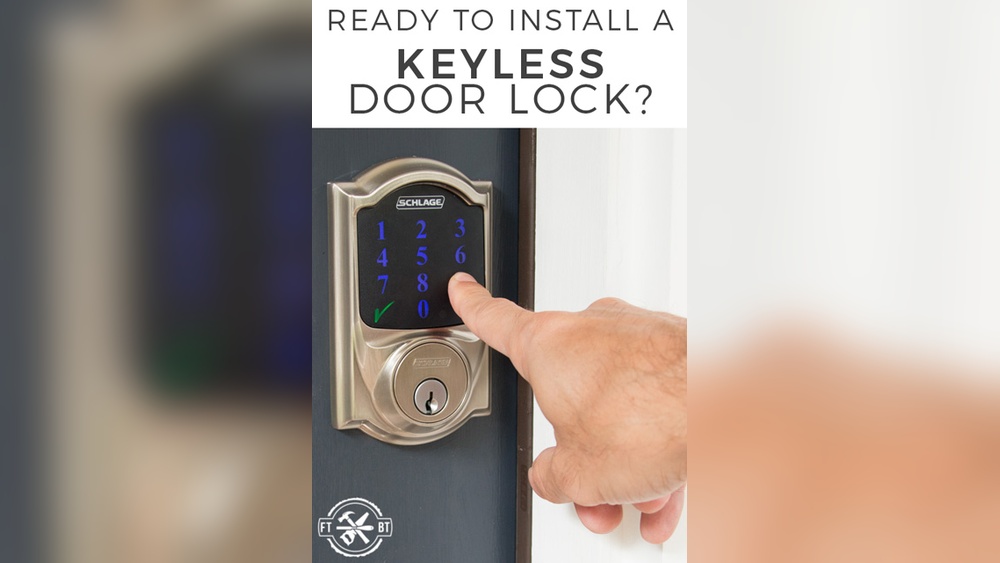
Are you tired of fumbling with keys every time you come home? Installing a keyless entry deadbolt can make your life easier and your home more secure.
Imagine unlocking your door with just a simple code or a tap—no more lost keys or hidden spare keys under the mat. In this guide, you’ll learn exactly how to install a keyless entry deadbolt step-by-step, even if you’re not a DIY expert.
Keep reading, and by the end, you’ll have the confidence to upgrade your door with this smart, convenient lock.

Credit: www.youtube.com
Benefits Of Keyless Deadbolts
Keyless deadbolts offer many benefits for home security and ease of use. They improve safety, provide quick access, and work well with modern technology. These features make keyless deadbolts a smart choice for any home.
Understanding these benefits helps you see why installing a keyless deadbolt is worth the effort.
Enhanced Security Features
Keyless deadbolts reduce the risk of lost or stolen keys. They use codes or biometric data for entry. This makes it harder for intruders to break in. Some models lock automatically after a set time. Alerts can notify you of any suspicious activity. These features boost home protection significantly.
Convenience And Accessibility
No need to carry keys or hide spare ones outside. Simply enter a code or use a fingerprint. This saves time and prevents lockouts. Multiple users can have unique access codes. You can change codes anytime without changing locks. Perfect for families, guests, or service workers.
Integration With Smart Home Systems
Many keyless deadbolts connect to smart home hubs. Control your door lock with a smartphone or voice commands. Receive real-time status updates and lock remotely. Integration allows syncing with security cameras and alarms. Enhances overall home automation and safety.
Tools And Materials Needed
Installing a keyless entry deadbolt needs the right tools and materials. Having everything ready makes the process faster and easier. This section explains the tools and materials you need for a smooth installation.
Essential Installation Tools
Gather these tools before starting:
- Screwdriver (Phillips and flat-head)
- Drill with drill bits
- Measuring tape
- Chisel
- Pencil for marking
- Level
- Safety glasses
These tools help you fit the deadbolt securely and accurately.
Choosing The Right Deadbolt Model
Select a deadbolt that fits your door thickness and style. Check if the lock suits your door’s material. Some models work better with metal or wooden doors. Pick one with clear instructions and good reviews. This helps avoid fitting problems later.
Battery Requirements
Most keyless deadbolts need batteries to work. Check the type and number of batteries needed. Use fresh batteries for reliable operation. Keep spare batteries on hand for quick replacement. This ensures the lock stays powered at all times.
Preparing The Door
Preparing the door is the first step to install a keyless entry deadbolt. It ensures the lock fits well and works properly. Taking time to prepare helps avoid problems later. Follow these simple steps before starting the installation.
Measuring And Marking
Measure the door thickness to match the deadbolt size. Most doors are 1 3/4 inches thick. Mark the spots for the lock and latch carefully. Use a pencil and a measuring tape for accuracy. Check the height of your old deadbolt and match it.
Removing Old Hardware
Remove the old deadbolt and door handle using a screwdriver. Keep screws in a safe place in case you need them. Clean the door surface to remove dust and dirt. Make sure the hole is clear and smooth for the new lock.
Checking Door Compatibility
Check if the door edge is flat and wide enough for the latch. Verify the door frame fits the new lock’s strike plate. Ensure the door swings and closes smoothly without gaps. If the door is damaged, fix it before installing the deadbolt.

Credit: www.youtube.com
Installing The Deadbolt
Installing the deadbolt is the key step in adding security to your door. This process involves careful drilling, fitting the keypad outside, and securing the lock mechanism inside. Each part must align perfectly for smooth operation.
Drilling And Aligning Components
Start by marking the drill points on your door. Use the template provided with the deadbolt kit. Drill holes carefully, following the correct size. Check the alignment by placing the latch in the hole. Adjust as needed to ensure the latch fits snugly.
Mounting The Exterior Keypad
Place the exterior keypad against the door. Make sure the keypad wires pass through the drilled hole. Attach the keypad firmly with screws. Avoid overtightening to prevent damage. Test the keypad buttons for easy pressing before moving on.
Securing The Interior Mechanism
Connect the interior lock mechanism to the keypad wires. Position the interior plate over the latch and keypad. Secure it with screws provided in the kit. Check the deadbolt moves smoothly by turning the thumb turn. Tighten all screws evenly for a solid fit.
Setting Up The Keyless Entry
Setting up the keyless entry deadbolt is the next step after installation. This process ensures your lock works securely and fits your needs. It involves adding access codes, connecting the lock to your home network, and testing its functions.
Programming Access Codes
Start by creating access codes for family members or trusted friends. Use the lock’s keypad to enter new codes. Follow the instructions in the manual to save each code. Keep codes simple but not easy to guess. Change them regularly to maintain security.
Connecting To Home Networks
Many keyless deadbolts connect to Wi-Fi or smart home systems. Use the lock’s app or control panel to link to your home network. This allows remote control and alerts on your phone. Ensure your Wi-Fi signal is strong at the door location. Secure your network to prevent unauthorized access.
Testing Lock Functionality
Check if the lock opens and closes smoothly with each code. Test remote locking and unlocking features if available. Listen for any unusual sounds during operation. Make sure the battery level is sufficient. Confirm that all functions work before finishing setup.

Credit: www.amazon.com
Maintenance Tips
Maintaining your keyless entry deadbolt helps it work smoothly and last longer. Simple care keeps your lock reliable and secure. Follow easy steps to avoid common problems and extend battery life.
Battery Replacement Schedule
Replace the battery every six months or as the manual suggests. Some locks warn you when the battery is low. Do not wait until the lock stops working. Use fresh, high-quality batteries for best results.
Troubleshooting Common Issues
Check the battery first if the lock does not respond. Clean the keypad gently if buttons stick or feel unresponsive. Reset the lock according to the instructions if it malfunctions. Contact support if problems continue after basic fixes.
Keeping The Lock Clean And Secure
Wipe the lock with a soft, damp cloth regularly. Avoid harsh chemicals that could damage the finish. Make sure the lock is tight and screws are secure. Test the lock often to ensure it works smoothly.
Frequently Asked Questions
How Do I Install A Keyless Entry Deadbolt?
First, remove the old lock. Align the new deadbolt with the door holes. Secure it with screws. Follow the manufacturer’s instructions for programming.
What Tools Are Needed To Install A Deadbolt Lock?
You will need a screwdriver, drill, tape measure, pencil, and chisel. These tools help in removing old locks and fitting the new deadbolt accurately.
How Long Does It Take To Install A Keyless Deadbolt?
Installation usually takes 30 to 60 minutes. It depends on your experience and door type. Reading the instructions carefully speeds up the process.
Can I Install A Keyless Deadbolt Myself?
Yes, most keyless deadbolts are DIY-friendly. Basic tools and following the manual are enough. If unsure, consult a professional locksmith.
Conclusion
Installing a keyless entry deadbolt can improve your home’s security. Follow each step carefully for best results. Test the lock several times to ensure it works smoothly. Keep your code safe and share it only with trusted people. Regular maintenance will help the lock last longer.
With a little effort, you can enjoy easier and safer access to your home. Simple, smart, and secure.