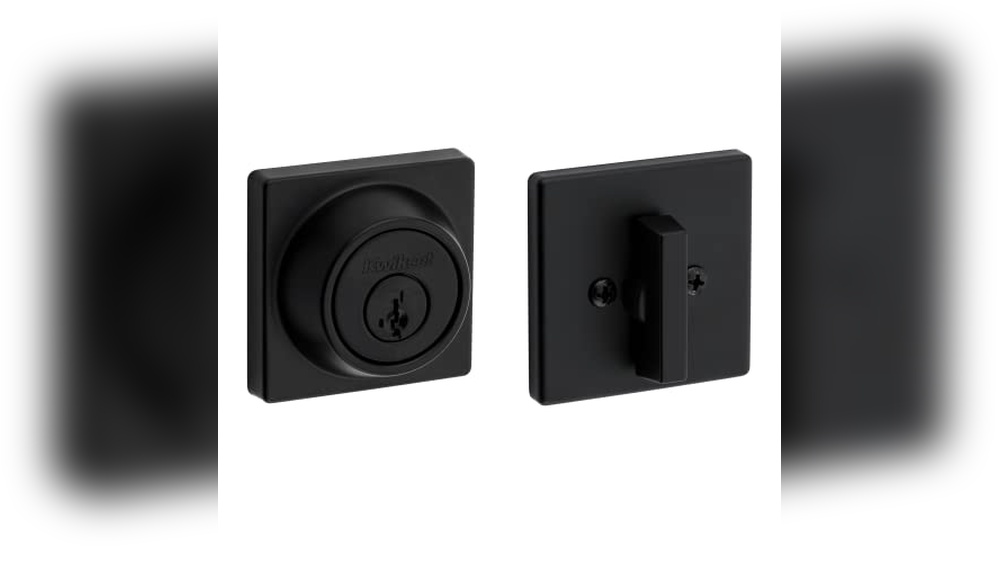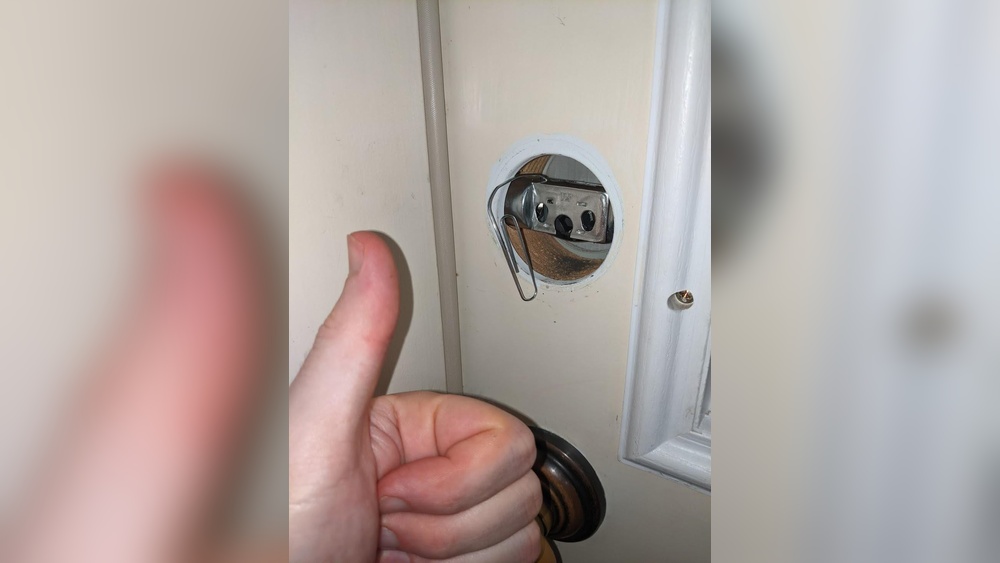
Have you ever found yourself locked out or stuck because of a stubborn deadbolt? Knowing how to get a deadbolt off a door can save you time, money, and stress.
Whether you need to replace an old lock, fix a jam, or simply upgrade your security, this guide will walk you through easy steps you can follow right now. By the end, you’ll feel confident handling your deadbolt like a pro—no locksmith needed.
Keep reading to unlock the secrets to freeing your door quickly and safely.

Credit: www.reddit.com
Tools Needed
Removing a deadbolt from a door needs the right tools. Having these tools ready makes the job easier and faster. You do not need many tools, but each one has a clear role.
Phillips Screwdriver
This tool helps remove screws holding the deadbolt in place. Most deadbolts use Phillips screws. A screwdriver with a good grip works best.
Flathead Screwdriver
A flathead screwdriver can pry off parts gently. It helps to remove covers or plates. Use it carefully to avoid damage.
Allen Wrench
Some deadbolts have small hex screws. An Allen wrench fits these screws perfectly. Keep a set of different sizes ready.
Needle-nose Pliers
These pliers grab small pieces or pins inside the lock. They help pull out stubborn parts. Their slim shape fits tight spaces.
Lubricant Spray
Lock mechanisms may be stiff or rusty. A spray lubricant loosens parts for easy removal. Apply a small amount before starting.
Identify Deadbolt Type
Identifying the type of deadbolt is the first step to remove it safely. Deadbolts come in several styles and designs. Knowing the exact type helps you choose the right tools and method. It prevents damage to your door and lock.
Look closely at the deadbolt on your door. Note its shape, size, and how it operates. Some deadbolts have visible screws, while others hide them. This affects how you take them off.
Single Cylinder Deadbolt
This type uses a key on the outside and a thumb turn inside. It is the most common deadbolt. You usually see a round knob or lever on the inside. Removing it often requires unscrewing the inside part.
Double Cylinder Deadbolt
This deadbolt uses a key on both sides of the door. It does not have a thumb turn inside. It is useful for doors with glass near the lock. Removing it needs a key and careful handling of both sides.
Keyless Deadbolt
Keyless deadbolts have a keypad or combination lock. They use buttons or a code to unlock. Some models have batteries and electronic parts. Removing these requires extra care to avoid damaging wires.
Vertical Deadbolt
This deadbolt locks by moving a bolt up or down. It often has a long, narrow bolt. It looks different from the usual horizontal deadbolt. Removing it may need special tools for the vertical bolt.
Remove Interior Thumb Turn
Removing the interior thumb turn is the first step to take off a deadbolt lock. This small piece controls the lock from inside the door. Taking it off allows access to the screws that hold the deadbolt in place.
Handle this part carefully. It can be fragile and easy to damage. Use the right tools to avoid problems.
Locate The Thumb Turn
Look closely at the inside of the door. The thumb turn is usually a round knob or lever. It sits in the center of the lock on the door’s interior side.
Remove The Screws
Use a screwdriver that fits the screws on the thumb turn. Unscrew them gently. Keep the screws safe for later use.
Pull The Thumb Turn Off
After removing the screws, pull the thumb turn straight out. It should come off easily. If it sticks, wiggle it gently.
Check For Hidden Fasteners
Some thumb turns have small pins or clips. Look carefully around the edges. Remove any extra fasteners before pulling it off.
Unscrew Exterior Plate
The first step to remove a deadbolt from a door is to unscrew the exterior plate. This plate covers the outer part of the lock and holds it in place. Removing it helps access the inner parts of the deadbolt. It also allows the lock to come off easily.
Unscrewing the exterior plate is simple but needs care. Use the right tools and follow the steps carefully. This prevents damage to the door and lock parts.
Gather Necessary Tools
Start by collecting a screwdriver. Most deadbolts need a Phillips head screwdriver. Check the screws on the exterior plate to pick the correct tool. Having the right screwdriver makes the job faster and safer.
Locate The Screws On The Exterior Plate
Look closely at the exterior plate. You will see two or more screws. They are usually on the faceplate around the keyhole. These screws keep the plate attached firmly to the door.
Unscrew The Exterior Plate Carefully
Place the screwdriver on the first screw. Turn it counterclockwise slowly. Keep steady pressure to avoid stripping the screw head. Remove each screw fully and place them somewhere safe.
Remove The Exterior Plate From The Door
After all screws are out, gently pull the exterior plate away from the door. It should come off without much force. If stuck, wiggle it slightly but avoid bending or breaking the plate.
Extract Deadbolt Mechanism
Extracting the deadbolt mechanism is a key step in removing a deadbolt from a door. This part controls the locking and unlocking action. Taking it out carefully helps avoid damage to the door or lock.
Prepare your tools and follow each step slowly. This will make the process easier and safer. Understanding how the mechanism fits inside the door is helpful.
Remove The Deadbolt Faceplate
Start by opening the door. Locate the deadbolt faceplate on the edge of the door. Use a screwdriver to remove the screws holding the faceplate. Gently pull the faceplate away from the door. Set the faceplate and screws aside for later.
Slide Out The Deadbolt Mechanism
With the faceplate off, find the deadbolt mechanism inside the door. Push or pull the deadbolt out carefully. It may slide out easily or need a little force. If stuck, wiggle it gently to loosen.
Check For Hidden Screws Or Clips
Sometimes, screws or clips hold the deadbolt in place. Look inside the door cavity for any fasteners. Remove any screws or release clips before pulling the mechanism out. Missing this step can cause damage.
Handle The Deadbolt With Care
Once removed, place the deadbolt mechanism on a flat surface. Avoid dropping or bending parts. This helps if you plan to reuse or replace the mechanism. Keep all parts organized for easy reassembly.

Credit: www.aspire-doors.co.uk
Handle Stuck Or Jammed Deadbolts
A deadbolt handle can get stuck or jammed for many reasons. Dirt, rust, or worn parts often cause it. This problem stops the door from opening or closing smoothly. Fixing a stuck deadbolt handle needs care and the right steps.
Knowing how to free a jammed handle helps avoid damage. It saves time and money on repairs. The following sections explain simple ways to deal with stuck deadbolts.
Identifying The Cause Of A Jammed Deadbolt Handle
First, check if dirt or rust blocks the handle. Look closely around the lock and keyhole. Dust can build up and stop parts from moving. Rust can seize the metal pieces. Worn or broken parts inside the lock also cause jamming.
Using Lubricant To Free The Handle
Spray a small amount of lubricant into the keyhole. Use a graphite or silicone-based spray. Avoid oil-based lubricants, as they attract dirt. Move the handle gently back and forth. Repeat spraying and moving until the handle feels smooth.
Removing The Deadbolt Handle Carefully
If lubrication does not work, remove the handle. Find the screws on the door’s inside part. Unscrew them with a screwdriver. Pull the handle and plate off the door gently. Do not force it to avoid damage. Inspect the lock mechanism for broken parts.
Replace Or Repair Deadbolt
Deciding whether to replace or repair a deadbolt depends on the lock’s condition. A damaged or old deadbolt may not work well or keep your home safe. Repairing can fix small issues, but replacement ensures better security and smooth operation.
Assess the deadbolt carefully. Check for rust, broken parts, or difficulty turning the key. These signs show if repair is not enough. Choose the best option based on the deadbolt’s wear and your safety needs.
Assessing Deadbolt Damage
Look at the lock for visible damage or rust. Test the key to see if it turns smoothly. Check the bolt to ensure it slides in and out easily. Small problems can be fixed, but severe damage needs replacement.
When To Repair A Deadbolt
Repair the deadbolt if the issue is minor. Tighten loose screws or oil the lock mechanism. Replace worn-out springs or broken parts. Simple fixes can restore function and save money.
When To Replace A Deadbolt
Replace the deadbolt if it is old or badly damaged. Choose a new lock with strong materials and good security features. A new deadbolt offers better protection and peace of mind.
Choosing The Right Deadbolt
Pick a deadbolt that fits your door and needs. Look for a lock with a solid metal bolt and good reviews. Consider a lock with a keyed entry on both sides for extra security.
Safety Tips During Removal
Removing a deadbolt from a door can be tricky. Safety is very important during this task. Taking simple safety steps prevents injuries and damage.
Always prepare your workspace before starting. Clear the area of anything that might cause tripping or falling. Keep tools within reach to avoid accidents.
Wear Protective Gear
Use safety glasses to protect your eyes from dust and metal shards. Gloves help protect your hands from sharp edges and splinters. Wear sturdy shoes to avoid foot injuries.
Use The Right Tools
Choose tools made for lock removal, like screwdrivers and pliers. Avoid using damaged or worn tools. Proper tools reduce the chance of slipping and hurting yourself.
Work Slowly And Carefully
Take your time to avoid mistakes. Rushing can cause slips and broken parts. Focus on each step and check your progress often.
Keep Children And Pets Away
Lock removal is not safe for kids or pets. Keep them out of the work area. This prevents distractions and possible accidents.
Disconnect Power If Needed
Some deadbolts have electronic parts. Turn off power to avoid electric shock. Check the lock’s manual for specific instructions.

Credit: www.youtube.com
Frequently Asked Questions
How Do I Remove A Deadbolt From A Door Quickly?
To remove a deadbolt quickly, first unscrew the interior plate. Then, carefully pull out the bolt mechanism. Use a screwdriver to remove the faceplate screws. Finally, slide the deadbolt out of the door edge. This method avoids damage and saves time.
What Tools Are Needed To Take Off A Deadbolt?
You need a Phillips screwdriver, flathead screwdriver, and sometimes a drill. A putty knife may help to pry off the faceplate. Having the right tools ensures smooth deadbolt removal without damaging the door or lock.
Can I Remove A Deadbolt Without The Key?
Yes, you can remove a deadbolt without the key by unscrewing the interior side. If screws are stripped, use a drill carefully. Always ensure the door is unlocked or you have permission before removal.
Is It Safe To Remove A Deadbolt Myself?
Yes, it is safe if you follow instructions and use proper tools. Removing a deadbolt yourself saves money and time. However, be cautious to avoid damaging the door or lock mechanism.
Conclusion
Removing a deadbolt from a door is easier than it seems. With the right tools and steps, anyone can do it. Take your time and follow each step carefully. This helps avoid damage to your door or lock. Remember, safety first—always use the proper tools.
Practice patience, and the job will get done smoothly. Now, you can confidently handle deadbolt removal on your own. Simple, clear, and effective.