If you use a floor jack regularly, you know how important it is to keep it in top shape. But do you know how to fill your floor jack properly?
Getting this right can save you time, prevent damage, and keep you safe while working. In this guide, you’ll discover simple steps to fill your floor jack quickly and correctly. By the end, you’ll feel confident handling this essential tool like a pro.
Keep reading to learn how to make your floor jack work better and last longer.
Types Of Floor Jacks
Floor jacks help lift heavy vehicles safely for repairs or maintenance. Different types of floor jacks serve different needs. Knowing each type helps you choose the right one. Each type works differently and requires specific care when filling or maintaining.
Hydraulic Floor Jacks
Hydraulic floor jacks use fluid to lift heavy loads smoothly. They have a reservoir filled with hydraulic oil. This oil creates pressure to raise the jack arm. To fill, open the oil fill plug carefully. Use the correct hydraulic oil to avoid damage. Check oil levels regularly to keep the jack working well.
Mechanical Floor Jacks
Mechanical floor jacks use gears and screw mechanisms for lifting. They do not use fluids like hydraulic jacks. Filling is not needed for mechanical types. Instead, keep their moving parts clean and lubricated. Use grease or oil to reduce friction. This helps the jack work smoothly and last longer.
Bottle Jacks
Bottle jacks are compact hydraulic jacks shaped like a bottle. They also use hydraulic oil to lift heavy weights. Filling is similar to hydraulic floor jacks. Open the fill plug and add hydraulic oil slowly. Avoid overfilling to prevent leaks. Regularly check the oil level for safe use.

Credit: www.wikihow.com
When To Fill A Floor Jack
Knowing when to fill a floor jack is important for its safe and smooth operation. Without enough hydraulic fluid, the jack may not lift properly or could become damaged. Regular checks keep the jack ready for use and extend its life.
Signs Of Low Hydraulic Fluid
The most common sign is the jack lifting slowly or not at all. You might hear strange noises when pumping the handle. Sometimes the jack feels spongy or soft instead of firm. Oil leaks around the jack base also signal low fluid. Check these signs before each use to avoid surprises.
Maintenance Schedule
Follow the manufacturer’s advice for filling the floor jack. Usually, checking fluid levels every few months works well. For heavy use, check more often. Always refill with the correct hydraulic oil. Keep a log to track fluid changes and inspections. Consistent maintenance prevents problems and keeps the jack working safely.
Tools And Materials Needed
Filling a floor jack with the right tools and materials makes the task easier. Having everything ready helps avoid mistakes and saves time. This section lists the essential items needed to fill a floor jack correctly.
Hydraulic Fluid Types
Choose the correct hydraulic fluid for your floor jack. Most jacks use specific oil types. Check the owner’s manual for the recommended fluid. Common fluids include mineral-based and synthetic oils. Avoid using engine oil or brake fluid. Using the wrong fluid can damage the jack and reduce performance.
Funnel And Wrenches
A funnel helps pour fluid without spilling. Pick a small funnel that fits the fill hole. Wrenches are needed to open and close the fill plug. Usually, a socket wrench or adjustable wrench works well. Keep a clean cloth nearby to wipe any spills. Proper tools keep the job clean and safe.

Credit: www.wikihow.com
Preparing The Jack For Filling
Preparing the floor jack for filling is an important step. It ensures the jack works well and lasts longer. Taking time to prepare the jack can prevent damage and keep it safe to use.
Cleaning The Jack
Start by wiping the jack clean. Dirt and debris can cause problems inside. Use a clean cloth to remove dust, oil, and grime. Pay attention to the filling area. Make sure it is free of any particles before opening.
Positioning The Jack Safely
Place the jack on a flat, stable surface. This stops it from tipping over during filling. Keep the jack away from moving vehicles. Make sure the area is well-lit to see clearly. Safety first, always.
Step-by-step Filling Process
Filling a floor jack with hydraulic fluid is an important task. It keeps the jack working safely and smoothly. Follow these simple steps to fill your floor jack correctly. Each step helps you avoid damage and ensures the jack lifts well.
Locating The Fill Valve
Start by finding the fill valve on your floor jack. It is usually near the hydraulic cylinder. Look for a small screw or plug. Clean the area around the valve to stop dirt from entering. Use a flashlight if needed to see clearly.
Draining Old Fluid
Remove the fill valve carefully. Place a container under the jack to catch old fluid. Tilt the jack to let the fluid flow out. Dispose of the old fluid safely. This step helps remove dirt and old fluid that reduce performance.
Adding New Hydraulic Fluid
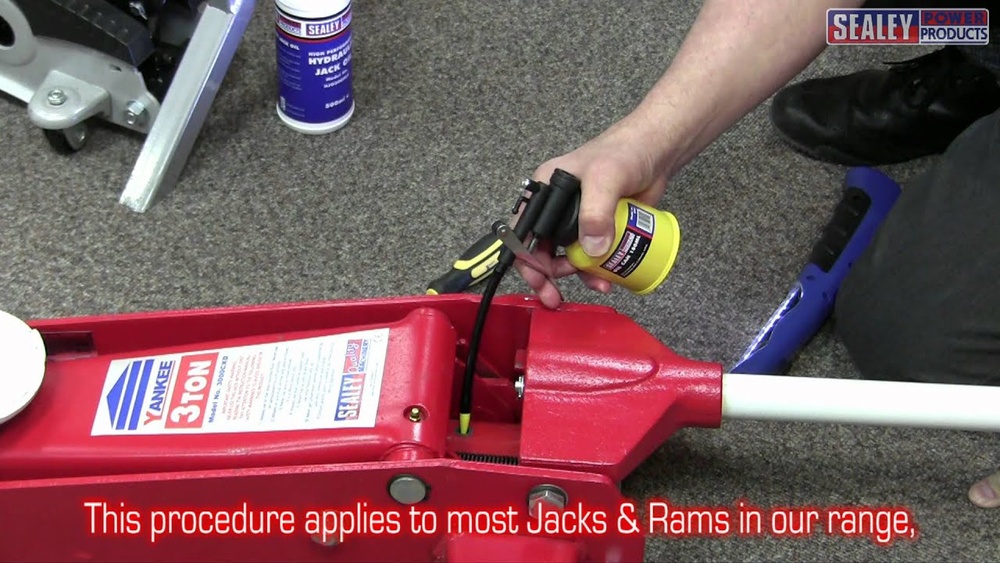
Use the hydraulic fluid recommended by the jack’s manufacturer. Pour the fluid slowly into the fill valve. Fill until the fluid reaches the right level. Avoid overfilling to prevent leaks and damage. Check the fluid level with a clean tool if needed.
Bleeding Air From The System
Air trapped inside the hydraulic system can cause lifting problems. Open the release valve to let air escape. Pump the jack handle slowly a few times. Watch for bubbles in the fluid. Close the release valve once no more air comes out.

Credit: www.youtube.com
Testing The Floor Jack
Testing the floor jack after filling it is a vital step. It ensures the jack works safely and efficiently. Without testing, you might face problems during use. This section explains how to check the jack properly.
Checking For Proper Lift
Start by placing the floor jack under a sturdy object. Pump the handle slowly to raise the load. Watch how high the jack lifts the object. The lift should be smooth and steady.
If the jack struggles or feels weak, it may need more fluid or repairs. The jack should hold the load without dropping. Lower the jack carefully after testing.
Inspecting For Leaks
Look closely around the jack for any signs of fluid leaks. Check near the hydraulic cylinder and seals. Fluid drops or wet spots mean a leak exists.
Leaks reduce the jack’s performance and can cause failure. Clean any spills and monitor the jack during use. Fix leaks promptly to keep the jack safe and reliable.
Tips For Maintaining Floor Jacks
Keeping your floor jack in good shape helps it work safely and last longer. Simple maintenance steps can prevent damage and costly repairs. Focus on two main areas: checking the fluid and storing the jack properly. These tips are easy to follow and keep your floor jack ready for use.
Regular Fluid Checks
Check the hydraulic fluid often. Low fluid can make the jack fail to lift properly. Use the type of fluid the manufacturer suggests. Always clean the area around the fill plug before opening it. This stops dirt from entering the system. If the fluid looks dark or dirty, replace it. Regular fluid checks keep the jack lifting smoothly.
Storage Best Practices
Store the floor jack in a dry, clean place. Avoid damp spots to stop rust and corrosion. Keep the jack lowered when not in use. This reduces stress on its parts. Cover it with a cloth or plastic to keep dust away. Proper storage protects the jack and extends its life.
Frequently Asked Questions
How Do I Refill Hydraulic Fluid In A Floor Jack?
To refill hydraulic fluid, locate the fill plug on the jack. Remove it carefully, add the recommended jack oil until full, then replace the plug securely. Avoid overfilling to prevent leaks or damage.
What Type Of Fluid Is Best For Floor Jacks?
Use high-quality hydraulic jack oil or automatic transmission fluid. Avoid using brake fluid or motor oil, as they can damage seals and reduce jack performance.
How Often Should I Check And Refill Floor Jack Fluid?
Inspect the hydraulic fluid every 6 months or before heavy use. Regular checks ensure proper lifting and avoid potential jack failure or safety hazards.
Can I Use Water Instead Of Hydraulic Fluid In A Floor Jack?
No, water can cause corrosion and damage the jack’s internal parts. Always use proper hydraulic fluid to maintain smooth operation and longevity.
Conclusion
Filling a floor jack is simple and important for safety. Always use the right fluid and follow the steps carefully. Check for leaks and keep the jack clean. Regular maintenance helps the jack work well longer. Take your time and do it right.
Your floor jack will lift smoothly and safely every time. Stay safe and keep your tools ready for any job.