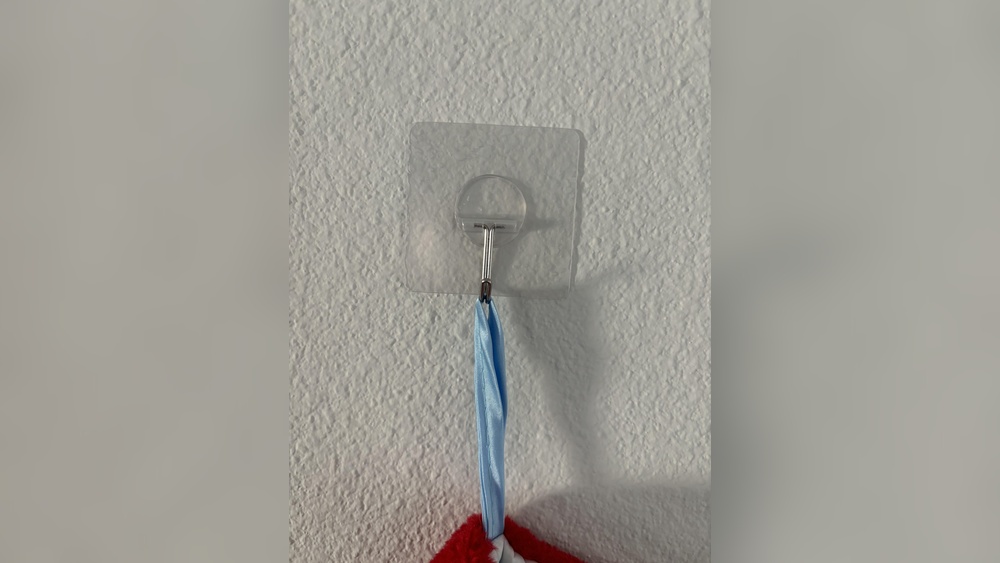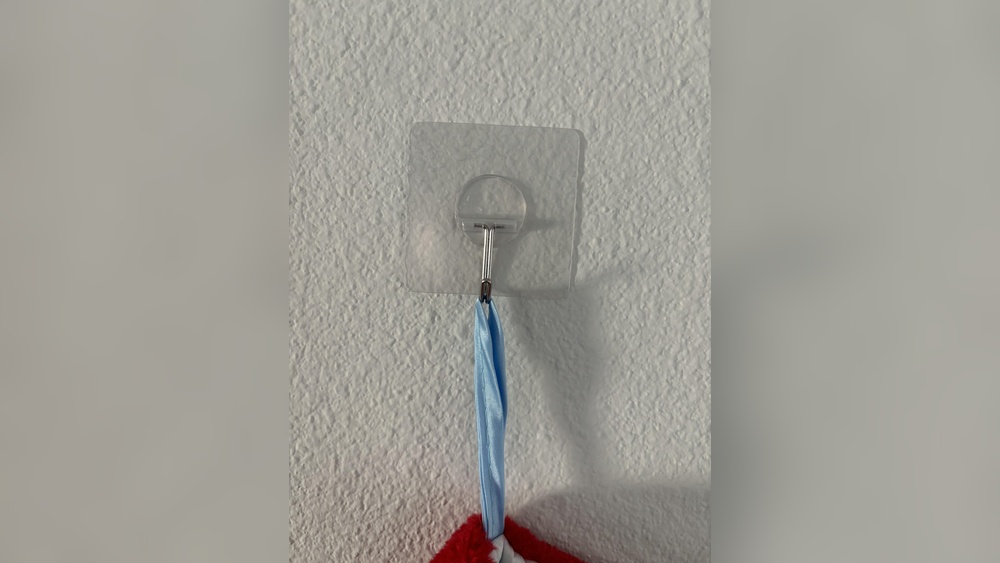
Are you struggling to decide how high to hang your wall hooks? Getting the height just right can make a big difference in both the look and function of your space.
Hang them too low or too high, and you might find your hooks awkward to use or your walls looking unbalanced. But don’t worry—this guide will help you find the perfect height for your wall hooks, so they’re easy to reach and look great every time.
Keep reading to discover simple tips that will transform your walls and make your daily routine smoother.
Choosing Hook Height
Choosing the right height for wall hooks makes a big difference in their use. Hooks that are too high or too low can be hard to reach or look odd on the wall. Setting the perfect height helps keep your space tidy and functional.
Consider Hook Purpose
Think about what the hooks will hold. For coats and jackets, place hooks higher than for bags or hats. Hooks for kids’ items should be lower for easy access. The purpose guides the best height choice.
Account For User Height
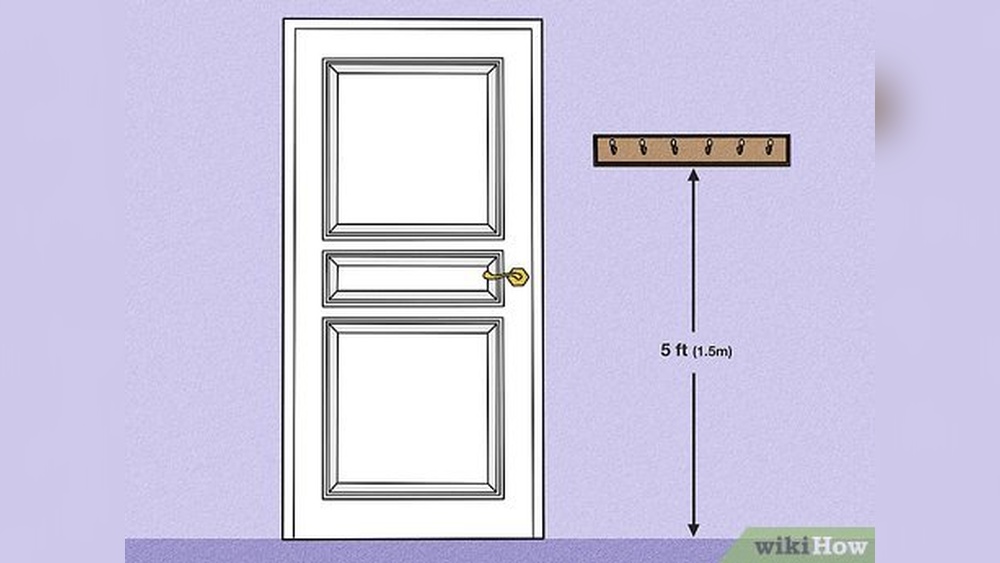
Measure the height of people who will use the hooks. Adults need hooks at about 5 to 6 feet tall. For children, lower the hooks to their eye level or reach. This keeps hooks usable for everyone.
Evaluate Wall Space
Look at the available wall area before hanging hooks. Avoid placing hooks too close to corners or furniture. Leave enough space between hooks for items to hang freely. Proper spacing improves both use and look.

Credit: www.liftingitalia.com
Standard Hook Heights
Choosing the right height to hang wall hooks improves both function and style. Standard hook heights help keep your space organized and easy to use. Different items need hooks placed at different levels for the best access and comfort. Let’s explore common heights for popular hooks around the home.
Hooks For Coats And Jackets
Hooks for coats and jackets usually hang at about 60 to 66 inches from the floor. This height fits most adults comfortably. It keeps coats off the ground and easy to reach. For homes with children, consider adding lower hooks around 48 inches. This allows kids to hang their own jackets independently.
Hooks For Keys And Accessories
Hooks for keys and small accessories should be placed between 48 and 52 inches high. This height is easy to reach when entering or leaving your home. Hooks here prevent misplacing important items like keys or sunglasses. Keep these hooks near doors or entryways for convenience.
Hooks For Towels And Bathroom Use
Towel hooks work best at 48 to 52 inches high. This height lets most people grab towels without bending or stretching. Hooks for robes can be a bit higher, around 66 inches. Place hooks away from water sources to avoid wet walls and keep towels dry longer.
Measuring For Placement
Measuring for placement is a key step in hanging wall hooks. It ensures hooks go in the right spot and at the right height. Careful measuring avoids mistakes and keeps your wall looking neat. This section breaks down the process into easy steps.
Using A Tape Measure
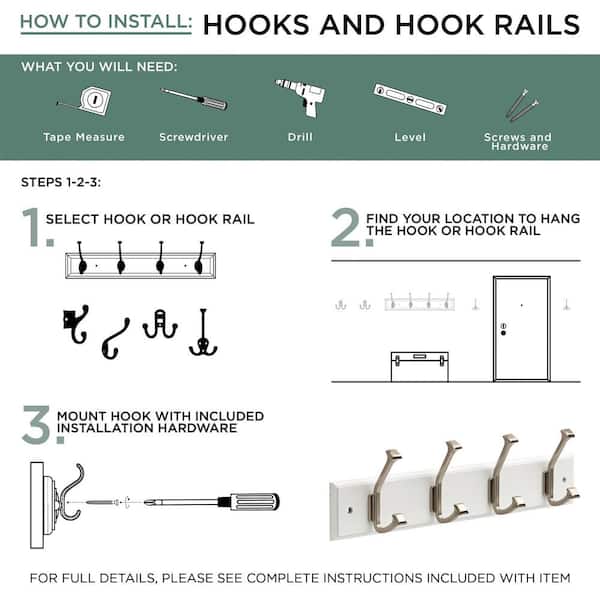
Start by grabbing a tape measure. Measure from the floor to the desired hook height. Common heights range from 60 to 72 inches, but choose what fits your space. Note the measurement clearly on paper or in your phone.
Measure width too. Space hooks evenly based on what you plan to hang. Mark distances between hooks to keep balance.
Marking The Wall
Use a pencil to mark spots on the wall. Make small, light marks so they erase easily later. Mark the exact height and horizontal placement. Double-check each mark before drilling or nailing.
Marking carefully prevents uneven hooks and wasted holes. It also helps visualize the final look before installation.
Leveling Your Hooks
Use a level tool to check if marks are straight. Hold the level horizontally on each mark. Adjust marks until the bubble centers perfectly.
Level hooks make hanging items easier and improve room appearance. Skipping this step can cause crooked hooks and frustration.
Credit: fundacioninbursa.org
Spacing Multiple Hooks
Spacing multiple wall hooks properly makes your space neat and functional. It helps keep items organized and easy to reach. The right spacing also improves the look of your wall. Too close or too far apart hooks can look odd and be less useful.
Determining Distance Between Hooks
Measure the size of the items you want to hang. Leave enough space so items do not overlap. For coats or bags, 6 to 8 inches between hooks works well. For smaller items, 3 to 5 inches can be enough. Keep in mind the hook size too. Larger hooks need more space.
Arranging Hooks For Aesthetics
Align hooks in a straight line for a clean look. You can also stagger hooks for a creative style. Keep the height even for balance. Use the same style and color for all hooks. This creates a unified and pleasing appearance.
Avoiding Overcrowding
Do not place hooks too close together. Overcrowding makes it hard to hang and remove items. It also damages walls over time. Leave enough space to use each hook easily. Space out hooks to allow air flow around items. This keeps things fresh and dry.
Hook Types And Their Impact
Choosing the right type of wall hook affects both style and function. Different hooks serve different needs and spaces. Understanding these differences helps you hang hooks at the best height. This makes your space look neat and stay organized.
Hook types vary by design and purpose. Some hooks hold more weight, while others focus on decoration. Knowing these types guides your decision on where and how high to place them.
Single Vs. Double Hooks
Single hooks hold one item at a time. They are simple and take less wall space. These hooks work well for light items like hats or keys.
Double hooks hold two items on one fixture. They save wall space and keep items close. Double hooks are good for coats and bags together.
Height choice depends on hook type. Double hooks need enough space for both items to hang freely. Single hooks can be lower if only small items are used.
Decorative Vs. Functional Hooks
Decorative hooks add style to your room. They often have unique shapes or colors. These hooks may hold light items like scarves or jewelry.
Functional hooks focus on strength and utility. They hold heavier items like coats or tools. Functional hooks usually have a simple design for durability.
Decorative hooks can hang a bit higher for better visibility. Functional hooks should be at practical heights for easy reach and support.
Credit: furnica.com
Special Considerations
Special considerations matter when hanging wall hooks. Different rooms and spaces need different heights and placements. Think about who will use the hooks and what they will hold. This helps keep the space safe and functional. Below are key tips for specific areas in your home.
Hooks In Children’s Rooms
Hang hooks low in children’s rooms. Kids need easy access to their coats and bags. Place hooks about 3 to 4 feet from the floor. This height fits most children under 10 years old. Avoid sharp edges and strong hooks that could hurt them.
Hooks In Entryways
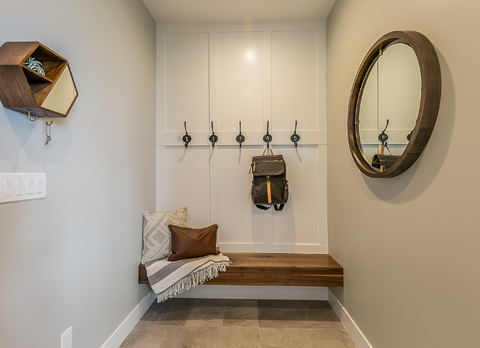
Entryway hooks should be at adult eye level. This means about 5 to 6 feet from the floor. It makes hanging coats and bags quick and simple. Leave enough space between hooks to avoid crowding. Sturdy hooks work best for heavy items like winter coats.
Hooks In Small Spaces
Small spaces need smart hook placement. Use vertical space by hanging hooks higher on walls. Around 5 feet works well to save floor space. Choose slim, low-profile hooks to avoid bulkiness. Group hooks closely for more hanging options in tight areas.
Installation Tips
Proper installation of wall hooks ensures they hold securely and last long. This section shares simple tips to hang hooks safely and correctly. Follow these steps to avoid damage and keep your walls neat.
Choosing The Right Hardware
Select hardware based on the hook’s weight and wall type. Light items need simple nails or adhesive hooks. Heavier items require screws or anchors. Plastic anchors work well for drywall. Metal anchors provide extra strength. Always check the package for weight limits.
Securing Hooks To Drywall
Drywall alone cannot hold heavy weight. Use wall anchors or toggle bolts for better support. Drill a small pilot hole first. Insert the anchor before placing the screw. Tighten screws gently to avoid cracking drywall. Test the hook’s hold before hanging items.
Using Studs For Heavy Items
Studs are the strongest part of a wall. Use a stud finder to locate them. Mark the stud position clearly. Drive screws directly into the stud for maximum support. Hooks attached to studs can hold heavy coats or tools safely. Always double-check the stud location before drilling.
Frequently Asked Questions
What Is The Ideal Height To Hang Wall Hooks?
The ideal height for wall hooks is usually 5 to 6 feet from the floor. This range suits most adults for easy access. Adjust based on the hook’s use and user height for optimal convenience.
How Do I Choose The Right Height For Wall Hooks?
Choose hook height based on the item’s size and user’s comfort. For coats, hang hooks around eye level. For kids, lower hooks to their reach. This ensures functionality and user-friendliness.
Can I Hang Wall Hooks Higher Than Eye Level?
Yes, you can hang wall hooks higher for decorative purposes or storage. Just ensure items remain accessible or use a step stool. High placement suits seldom-used or oversized items.
Should Wall Hooks Be Spaced Evenly Or Grouped?
Spacing depends on use; even spacing works well for multiple hooks. Grouping hooks suits clustered items like keys or bags. Proper spacing prevents overcrowding and maintains wall aesthetics.
Conclusion
Choosing the right height for wall hooks makes a big difference. It helps keep your space neat and easy to use. Think about what you will hang and who will use the hooks. Measure carefully and mark the spot before you drill.
Use a level to keep hooks straight and balanced. With the right height, your hooks will look good and work well. Small details like this improve your home’s style and function. Try it yourself and see how simple changes bring big comfort.