Is your hydraulic floor jack leaking and causing you frustration? A leaking jack can be dangerous and stop you from getting your work done.
But don’t worry—you can fix it yourself with some simple steps. You’ll learn exactly how to spot the problem and repair your jack quickly. Keep reading, and you’ll save money, avoid costly replacements, and get your jack working like new again.
Credit: www.youtube.com
Common Causes Of Leaks
Leaks in a hydraulic floor jack often cause frustration and reduce the tool’s effectiveness. Understanding what causes these leaks helps fix the problem quickly. Several common issues lead to leaks in hydraulic jacks. Identifying the cause is the first step to a lasting repair.
Worn Seals And O-rings
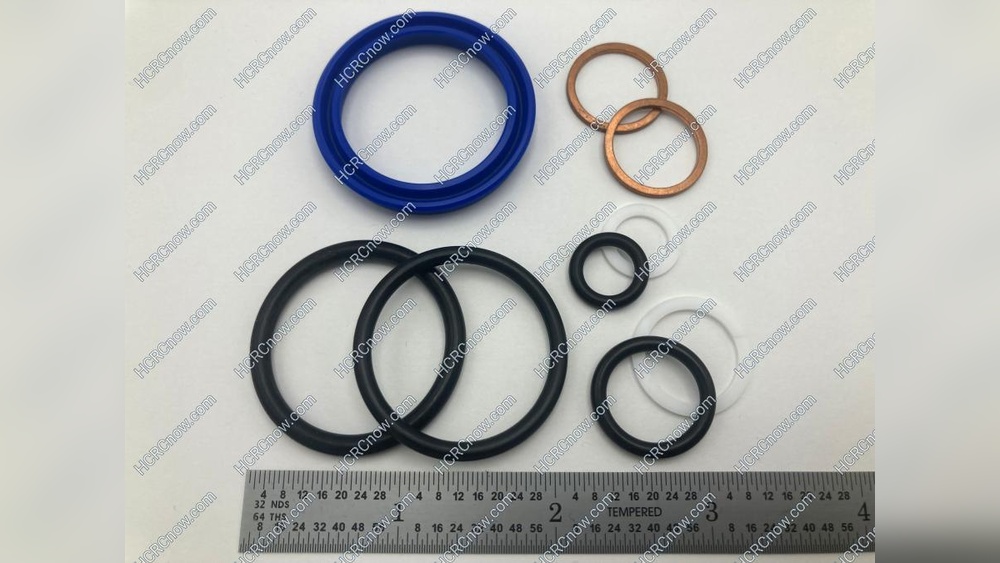
Seals and O-rings keep the hydraulic fluid inside the jack. Over time, these parts wear out or crack. Worn seals fail to hold the pressure, causing fluid to leak. Dirt and grime can also damage these seals. Replacing old seals and O-rings often stops leaks.
Damaged Hydraulic Cylinder
The hydraulic cylinder moves fluid to lift heavy loads. Scratches or dents on the cylinder surface cause fluid to escape. Corrosion can weaken the cylinder walls and lead to leaks. Repairing or replacing a damaged cylinder restores the jack’s strength.
Loose Fittings And Connections
Fittings and connections join different parts of the jack. Over time, vibrations can loosen these joints. Loose fittings allow hydraulic fluid to drip out. Checking and tightening all connections often stops leaks fast. Use proper tools to avoid damaging fittings.
Tools And Materials Needed
Fixing a leaking hydraulic floor jack needs the right tools and materials. Having these ready makes the repair easier and faster. It also helps avoid mistakes and saves time.
This section lists the basic tools, replacement parts, and safety gear required. Knowing these items prepares you for the job ahead.
Basic Repair Tools
- Wrenches to loosen and tighten bolts
- Screwdrivers for removing screws
- Socket set to reach deep bolts
- Rubber mallet for gentle tapping
- Drain pan to catch leaking fluid
- Clean rags to wipe spills
- Funnel to refill hydraulic fluid
Replacement Parts
- Hydraulic seals to stop leaks
- O-rings matching your jack model
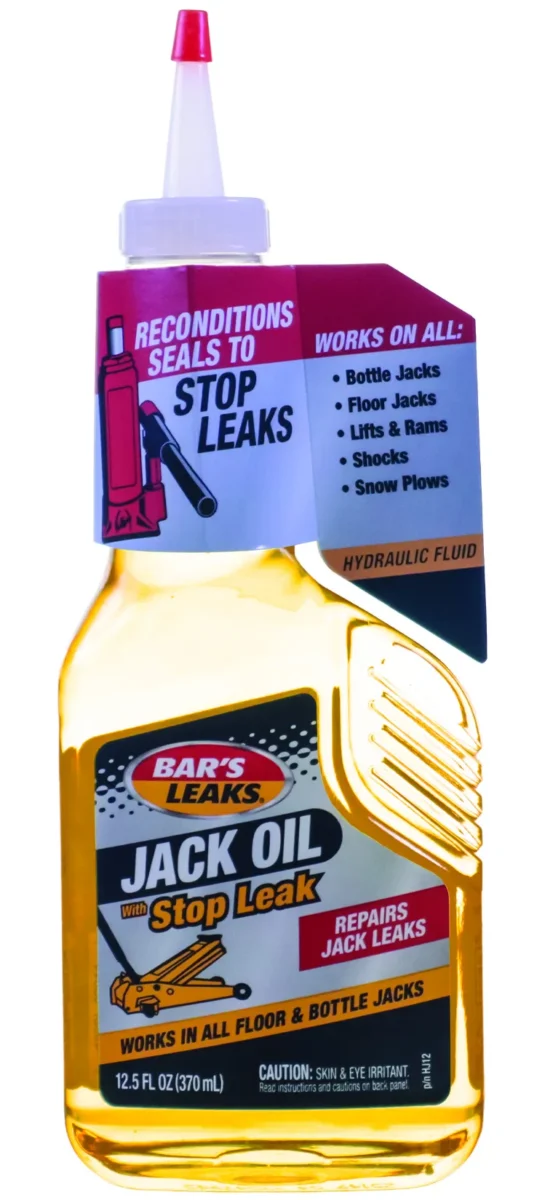
- Hydraulic fluid recommended by the manufacturer
- New pump or release valve if needed
Safety Equipment
- Protective gloves to keep hands clean
- Safety glasses to shield your eyes
- Work apron to protect your clothes
- Good lighting to see clearly
- Flat, stable surface for repair work
Preparing The Floor Jack
Preparing your hydraulic floor jack before fixing a leak is very important. It sets the stage for a smooth repair process. You must work on a clean and safe surface. This helps you see the problem clearly. Also, it prevents dirt from entering the jack. Follow these steps carefully to get ready.
Cleaning The Jack
Start by wiping the jack with a clean cloth. Remove all dust, grease, and dirt from the surface. Pay close attention to the hydraulic cylinder area. Clean parts prevent dirt from mixing with the hydraulic fluid. Use a mild cleaner if needed, but avoid harsh chemicals. Dry the jack completely before moving to the next step.
Draining Hydraulic Fluid
Place a container under the jack to catch old fluid. Open the release valve slowly to drain the hydraulic fluid. This makes it easier to check inside for leaks. Dispose of old fluid according to local rules. Never pour it down drains or on the ground. Draining the fluid also helps prevent spills while you work.
Inspecting Components
Look closely at all parts of the jack. Check seals, hoses, and the hydraulic cylinder for cracks or damage. Tighten any loose bolts or screws. Replace any worn or broken parts before refilling fluid. Proper inspection stops leaks from happening again. Use a flashlight to see hard-to-reach areas clearly.

Credit: www.reddit.com
Fixing The Leak
Fixing a leak in a hydraulic floor jack is important for safety and performance. Leaks cause loss of pressure, making the jack unsafe and less effective. This section explains simple steps to stop the leak and keep your jack working well.
Replacing Seals And O-rings
Seals and O-rings wear out over time and cause leaks. Start by removing the jack’s main parts carefully. Check the seals and O-rings for cracks or damage. Replace them with new ones that match the size and type. Clean the area before installing new seals. This stops fluid from escaping and keeps pressure steady.
Repairing Or Replacing The Cylinder
The cylinder holds hydraulic fluid and moves the jack. Damage or rust can cause leaks here. Inspect the cylinder for dents, cracks, or rust spots. Small damage might be fixed by cleaning and using a seal kit. If the cylinder is badly damaged, replace it completely. A good cylinder is key to a leak-free jack.
Tightening Connections
Loose connections cause many leaks in hydraulic jacks. Check all bolts, nuts, and fittings. Use a wrench to tighten them but avoid overtightening. Make sure the hydraulic hose is secure and not cracked. Tight connections keep the fluid inside and the jack working well.
Refilling And Testing
Refilling and testing your hydraulic floor jack is key to fixing leaks. This step helps restore the jack’s strength and ensures it works safely. Follow simple actions to add fluid, remove trapped air, and check for new leaks. Proper care here will extend your jack’s life and keep it reliable.
Adding Hydraulic Fluid
Start by locating the fluid fill plug on your jack. Use the correct hydraulic fluid recommended by the manufacturer. Slowly pour the fluid into the reservoir, avoiding overfilling. Stop when the fluid reaches the fill line or is just below the top. Replace the fill plug securely to prevent dirt entry.
Bleeding Air From The System
Air trapped inside the hydraulic system causes poor lifting. To remove air, open the release valve slowly. Pump the handle several times to push air out. Keep the fluid level checked during this process and add more if needed. Close the valve tightly after bleeding air to maintain pressure.
Checking For Further Leaks
After refilling and bleeding, test your jack under load. Look closely at seals and connections for any fluid drips. Operate the jack several times to confirm no new leaks appear. If leaks persist, inspect seals or call a professional for repair. A dry jack means the repair was successful.
Credit: barsleaks.com
Maintenance Tips To Prevent Leaks
Preventing leaks in your hydraulic floor jack saves time and money. Proper maintenance keeps the jack working well and extends its life. Follow simple tips regularly to avoid common problems like fluid leaks.
Regular Inspections
Check the jack often for signs of wear or damage. Look for cracks, rust, or fluid spots around seals and joints. Early detection helps fix small issues before they become bigger leaks. Inspect the hydraulic fluid level and condition too. Clean dirt and debris from the jack to prevent damage.
Proper Storage
Store the floor jack in a dry, clean place. Avoid damp areas that can cause rust or corrosion. Keep the jack lowered when not in use to reduce pressure on seals. Use a cover or case to protect it from dust and moisture. Proper storage helps keep seals tight and fluid inside.
Using Recommended Fluids
Always use the hydraulic fluid type suggested by the manufacturer. Using wrong fluids can damage seals and cause leaks. Check fluid levels regularly and refill when needed. Clean fluid prevents dirt buildup and keeps the system working smoothly. Change the fluid according to the maintenance schedule.
Frequently Asked Questions
How Do I Identify A Leaking Hydraulic Floor Jack?
Check for oil spots under the jack and loss of lifting power. Inspect seals and pistons for visible damage or wear. Early detection helps prevent further damage and ensures safety during use.
What Tools Are Needed To Fix A Leaking Floor Jack?
You’ll need wrenches, screwdrivers, replacement seals, hydraulic oil, and cleaning materials. Having the right tools ensures a smooth and efficient repair process.
Can I Repair A Hydraulic Floor Jack Leak Myself?
Yes, with basic mechanical skills, you can replace seals and refill oil. Follow safety precautions and manufacturer guidelines for effective and safe repairs.
How Often Should I Maintain My Hydraulic Floor Jack?
Regular maintenance every 6 months or after heavy use is ideal. Check oil levels, seals, and clean parts to prevent leaks and ensure longevity.
Conclusion
Fixing a leaking hydraulic floor jack helps keep it safe and strong. Check seals and oil levels often. Replace worn parts to stop leaks fast. Regular care makes your jack last longer. A working jack lifts safely every time. Simple steps save money and avoid big repairs.
Keep your tools ready for any job. Small fixes can prevent big problems ahead. Take action now to keep your floor jack leak-free.