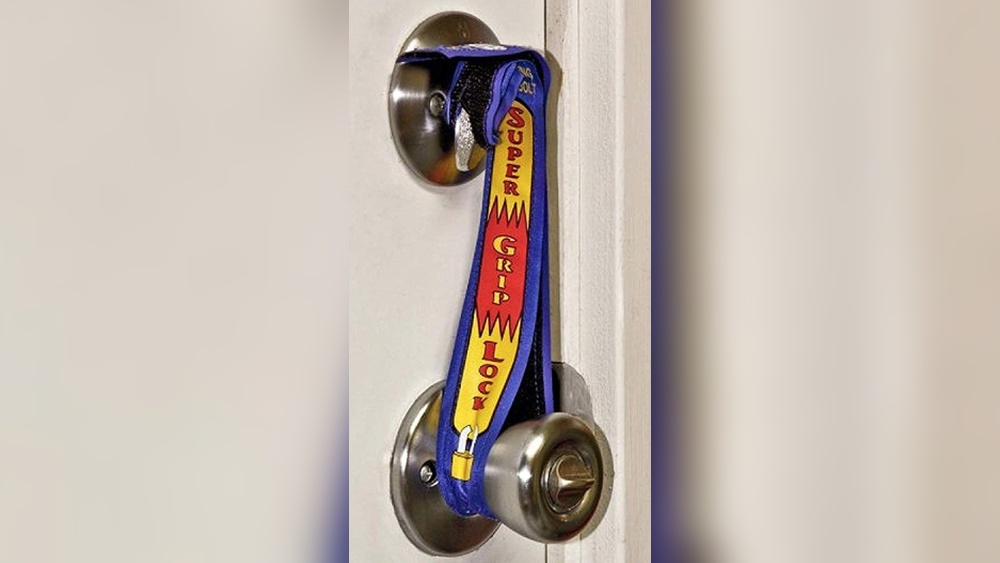
Are you staring at a stubborn deadbolt that just won’t budge? Knowing how to drill out a deadbolt hole can save you time, money, and frustration when you’re locked out or need to replace your lock quickly.
This guide will walk you through simple, step-by-step instructions to get the job done right — even if you’ve never used a drill before. Keep reading, and you’ll gain the confidence to tackle this task safely and efficiently.

Credit: www.youtube.com
Tools Needed
Drilling out a deadbolt hole requires the right tools for a smooth job. Choosing proper tools helps avoid damage to the door and makes the process faster. Below are the essential tools you need to get started.
Drill Types
A power drill is necessary to drill out a deadbolt hole. Corded drills offer constant power for heavy work. Cordless drills provide better mobility but may lose power. Choose a drill with variable speed for better control.
Drill Bits
Use high-speed steel (HSS) bits for metal parts of the deadbolt. Start with a small bit to create a pilot hole. Then, use a larger bit to widen the hole carefully. A spade bit or hole saw can help with wood parts of the door.
Safety Gear
Wear safety glasses to protect your eyes from metal shavings and dust. Use gloves to protect your hands from sharp edges. A dust mask helps avoid breathing in fine particles. Safety first keeps the job safe and smooth.
Prepare The Work Area
Preparing the work area is a key step before drilling out a deadbolt hole. It helps keep the process safe and clean. A well-prepared space allows you to work faster and avoid damage. Taking time to set up properly reduces stress and mistakes.
Clear Surroundings
Remove all objects near the door. Clear furniture, rugs, and decorations. This gives you space to move freely. It also prevents accidental damage or tripping. Keep pets and children away from the work zone.
Good lighting helps you see the deadbolt clearly. Use a portable lamp if needed. A bright area improves accuracy and safety.
Protect Door Surface
Cover the door surface around the deadbolt hole. Use painter’s tape or a thin cloth. This protects the finish from drill scratches and metal shavings. Secure the covering well so it does not move during drilling.
Place a small piece of wood behind the door if possible. It supports the door and stops splintering. Protecting the surface saves repair time later.
Remove Door Hardware
Removing the door hardware is the first step in drilling out a deadbolt hole. This step clears the way and makes the process easier and safer. Take your time and handle each part carefully.
Start by removing the visible parts of the lock. This will help you access the deadbolt and prepare the door for drilling.
Unscrew Deadbolt
Use a screwdriver to remove the screws holding the deadbolt. These screws are usually on the inside face of the door. Keep the screws safe for reuse or disposal.
Once the screws are out, gently pull the deadbolt assembly away from the door. Avoid forcing it to prevent damage to the door surface.
Take Off Strike Plate
The strike plate is the metal piece on the door frame that holds the bolt. Remove its screws with a screwdriver. This will allow easier access to the bolt hole.
Pull the strike plate away from the frame. Keep it aside with the screws. Now, the door and frame are ready for the next drilling steps.
Mark Drill Points
Marking drill points is a key step before drilling out a deadbolt hole. It helps ensure accuracy and prevents damage to the door. Careful marking saves time and effort later.
Clear marks guide the drill to the exact spots needed. This precision makes the process smoother and safer. Follow each step carefully to mark the drill points correctly.
Locate Deadbolt Cylinder
First, find the deadbolt cylinder on the door. This is the round part where the key goes. Check both sides of the door to spot it clearly. Use a flashlight if needed to see small details.
Measure the cylinder’s position from the door edges. Note the center point carefully. This point will guide where you start drilling. Mark it lightly with a pencil.
Identify Drill Start Spot
Next, identify the exact spot to begin drilling. This spot is usually at the cylinder’s center. Confirm this spot matches the lock’s internal mechanism location. Mark this drill start spot with a dot.
Use a small nail or center punch to make a dent on the mark. This dent helps prevent the drill from slipping. It keeps the drill bit steady during the process.
Drill Out The Deadbolt
Drilling out a deadbolt is a practical skill for removing old or broken locks. This method helps access the lock mechanism without special tools. Careful drilling can save time and avoid damage to your door. Follow the steps below to drill out a deadbolt safely and effectively.
Start With Pilot Hole
Begin by drilling a small pilot hole in the center of the deadbolt. Use a drill bit about 1/8 inch wide. This hole guides larger bits and keeps them from slipping. Make sure to hold the drill steady and straight for accuracy.
Use Larger Bits Gradually
After the pilot hole, switch to a bigger bit. Increase the size step-by-step to widen the hole. This prevents damage to the door and drill. Stop and check your progress often. Change bits until the hole is big enough to remove the lock parts.
Apply Steady Pressure
Push the drill gently but firmly. Too much force can break the drill bit or harm the door. Keep the drill steady and at the right angle. Let the bit do the work. Take breaks to avoid overheating the drill or metal.
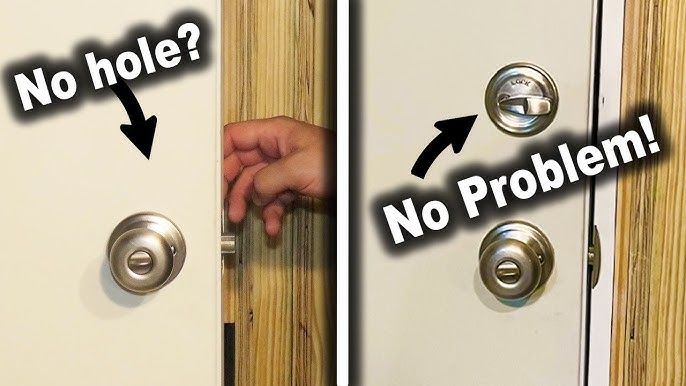
Credit: www.youtube.com
Clear Debris
Clearing debris from the drilled hole is a crucial step in the process. It helps ensure the hole is ready for the new deadbolt installation. Small metal pieces and dust can block the hole. These bits can cause trouble when fitting the lock. Taking time to clean the hole makes the job easier and safer.
Remove Metal Shavings
Metal shavings appear after drilling the hole. These sharp bits can cause injury. Use a brush or a vacuum to remove them. A small wire brush works well to sweep out the shavings. Make sure to clear all loose metal pieces from the hole. This step prevents damage to the new lock parts.
Check Hole Cleanliness
After removing metal shavings, check the hole carefully. Look inside for any leftover dust or debris. Use a flashlight to see clearly. Blow air into the hole to clear small particles. The hole should be clean and smooth. A clean hole makes installing the deadbolt easier and secure.
Install New Hardware
After drilling out the deadbolt hole, the next step is to install new hardware. This step ensures your door is secure again. Proper installation keeps your home safe and the lock working smoothly. Follow clear steps to choose the right replacement and fit it well.
Choose Replacement Deadbolt
Select a deadbolt that fits the size of your door hole. Measure the hole diameter before buying the lock. Pick a lock with strong materials for better security. Look for simple designs that match your door style. Avoid locks that need extra tools or parts.
Fit New Lock Properly
Insert the new deadbolt into the hole carefully. Check that it fits snugly without forcing it. Align the lock’s bolt with the door frame strike plate. Tighten screws evenly to keep the lock stable. Test the lock by turning the key or knob. Make sure it locks and unlocks smoothly every time.
Safety Tips
Drilling out a deadbolt hole can be tricky and risky. Safety should be your top priority. Taking the right precautions protects you and your door. Follow these tips to stay safe and avoid damage.
Avoid Door Damage
Use painter’s tape on the door around the deadbolt. This prevents scratches and dents from the drill. Drill slowly and steadily to keep control. Stop if you feel the drill slipping. Use the correct drill bit size. Too large a bit can ruin the door frame.
Wear Protective Gear
Always wear safety goggles to protect your eyes from metal shavings. Use gloves to protect your hands from sharp edges. Wear a dust mask to avoid breathing in dust. Long sleeves help prevent skin scratches. Safety gear keeps you safe during the process.

Credit: www.parkavenuelocks.com
Frequently Asked Questions
How Do You Safely Drill Out A Deadbolt Hole?
Use a drill with a metal bit suitable for locks. Start slowly to avoid damage. Wear safety glasses and clear debris frequently.
What Tools Are Needed To Drill Out A Deadbolt?
You need a power drill, metal drill bits, safety glasses, and possibly a screwdriver to remove the lock.
Can Drilling Out A Deadbolt Damage The Door?
Yes, drilling improperly can cause door damage. Use the right tools and techniques to minimize harm.
How Long Does It Take To Drill Out A Deadbolt?
It typically takes 10 to 20 minutes with the right tools and experience.
Conclusion
Drilling out a deadbolt hole takes patience and the right tools. Follow each step carefully for the best results. Take your time and stay safe during the process. With practice, this task becomes easier and less stressful. Remember, a properly drilled hole helps you install a new lock smoothly.
Keep your workspace clean and organized to avoid mistakes. Now, you can handle a stuck deadbolt with confidence and ease.