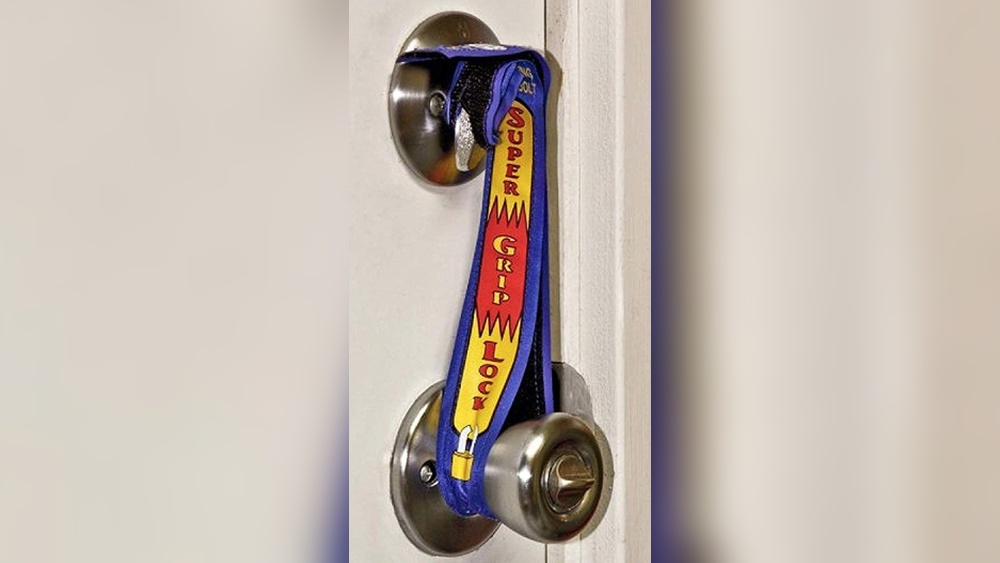
Have you ever worried that your deadbolt might unlock when it shouldn’t? Whether it’s a safety concern or just peace of mind, keeping your deadbolt secure is crucial.
You’ll discover simple, effective ways to stop your deadbolt from unlocking on its own. By the time you finish reading, you’ll feel confident that your door will stay locked exactly when you want it to. Keep reading to protect your home and your peace of mind.
Common Causes Of Deadbolt Failures
Deadbolt locks sometimes fail to work properly. This can cause safety problems for your home. Understanding common causes helps you keep your deadbolt secure and reliable. Several issues can make a deadbolt unlock on its own or become hard to lock.
Wear And Tear Issues
Deadbolts face constant use, leading to wear and tear. Springs inside the lock can weaken over time. This causes the bolt to slip or not stay in place. Metal parts may rust or corrode, making the lock sticky. Dirt and dust build-up also block smooth movement. Regular cleaning and lubrication help prevent these problems.
Misalignment Problems
Deadbolts need perfect alignment between the bolt and strike plate. Doors can sag or shift with time. This causes the bolt to miss the strike plate hole. The deadbolt then won’t lock fully or may unlock easily. Tightening hinges or adjusting the strike plate often fixes this. Check door frames and hinges for any changes.
Lock Picking Vulnerabilities
Some deadbolts are easier to pick than others. Simple lock designs can be opened with basic tools. This creates security risks if someone tries to break in. High-quality locks with complex pins resist picking attempts. Adding extra security features like reinforced plates also helps. Choosing the right deadbolt reduces the chance of picking.
Choosing The Right Deadbolt
Choosing the right deadbolt is key to keeping your door secure. The right lock stops unwanted entry and keeps your home safe. Different deadbolts offer various levels of protection and convenience. Understanding these options helps you pick a lock that fits your needs.
Single Vs Double Cylinder
Single cylinder deadbolts have a keyhole outside and a thumb turn inside. They are easy to use but can be risky if there is glass near the door. Double cylinder deadbolts need a key on both sides. They add extra security but can slow down escape during emergencies.
Grade Ratings Explained
Deadbolts have grades from 1 to 3. Grade 1 is the strongest and used by professionals. Grade 2 offers good security for most homes. Grade 3 is basic and best for interior doors. Choose a grade based on your security needs and budget.
Smart Deadbolt Options
Smart deadbolts use technology to lock and unlock doors. You can control them with a phone or keypad. Some models offer alerts if someone tries to tamper with the lock. They add convenience but need batteries and Wi-Fi to work.
Proper Installation Techniques
Proper installation is key to keeping a deadbolt secure. Small mistakes can make the lock easy to force open. Follow simple steps to install the deadbolt firmly. This stops the lock from loosening or unlocking by itself.
Positioning The Deadbolt
Place the deadbolt at a strong spot on the door. Usually, it should be 6 to 12 inches above the door handle. Make sure the bolt slides fully into the door frame. Check the alignment carefully before drilling holes. Proper positioning prevents the bolt from jamming or slipping.
Reinforcing Door And Frame
Strengthen the door and frame around the lock. Use a metal strike plate with long screws. These screws must reach the wall studs behind the frame. Reinforced wood or metal makes the lock harder to break. This extra support keeps the door from bending or breaking under pressure.
Using Quality Hardware
Choose a deadbolt and hardware made from strong materials. Steel or brass parts resist rust and damage better than cheap metals. Pick locks with solid bolts at least one inch long. Good hardware lasts longer and provides a tighter fit. It reduces the chance of the lock failing or unlocking unexpectedly.
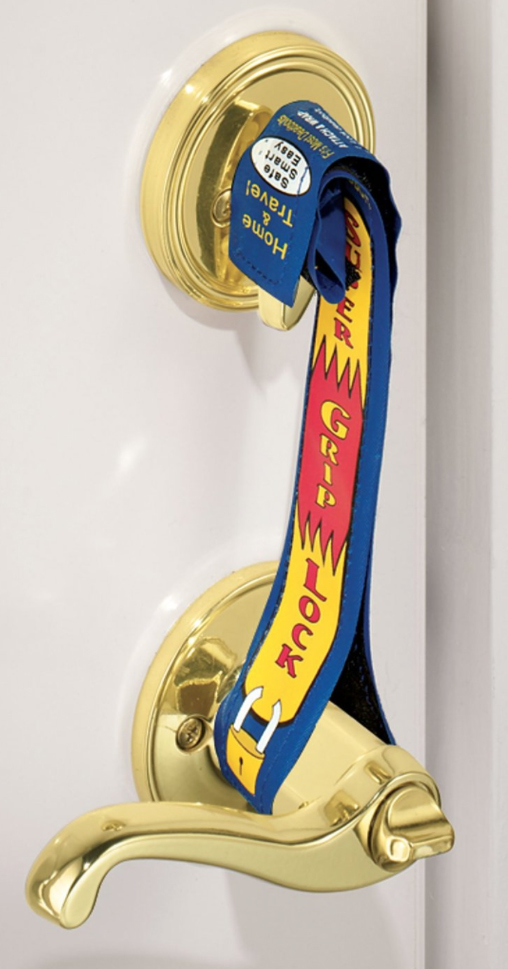
Credit: the-gadgeteer.com
Maintenance Tips To Prevent Unlocking
Keeping your deadbolt secure requires regular care. Small maintenance steps can stop it from loosening or unlocking on its own. These tips help your lock work smoothly and stay strong over time.
Regular Lubrication
Apply a silicone-based lubricant to the deadbolt parts. Avoid oil-based lubricants as they attract dirt. Lubricate the keyhole and bolt every six months. This reduces friction and keeps the lock moving easily.
Checking Alignment
Check if the deadbolt aligns well with the strike plate. Misalignment can cause the bolt to stick or slip. Adjust the strike plate or door frame if needed. Proper alignment ensures the deadbolt stays firmly in place.
Tightening Loose Screws
Inspect all screws on the lock and door frame. Tighten any that are loose with a screwdriver. Loose screws can weaken the lock’s hold. Keeping screws tight improves the deadbolt’s stability and security.
Additional Security Measures
Adding extra security measures strengthens your deadbolt. It helps stop thieves from forcing the lock open. These steps make your door harder to break into. Small improvements can make a big difference in safety.
Installing Strike Plate Reinforcements
The strike plate holds the deadbolt in the door frame. A weak plate makes it easy to kick the door open. Replace the standard plate with a heavy-duty metal one. Use long screws that reach the wall stud. This secures the plate firmly and resists force better.
Using Security Pins
Security pins inside the lock make picking much harder. They create extra obstacles for lock-pickers. Ask a locksmith to install these pins professionally. This upgrade improves your deadbolt’s resistance without changing its look.
Adding Door Armor
Door armor covers weak spots on the door and frame. It protects against prying and kicking attacks. Metal strips fit around the edges and hinges. This reinforcement stops the door from bending or breaking easily.

Credit: www.reddit.com
Avoiding Common Mistakes
Keeping a deadbolt secure means avoiding common mistakes. These errors can cause your lock to fail or unlock unexpectedly. Understanding these pitfalls helps maintain your home’s safety. Simple care and attention go a long way.
Ignoring Signs Of Wear
Deadbolts show wear over time. Rust, loose parts, or difficulty turning the key are warning signs. Ignoring these can lead to lock failure. Check your lock regularly. Replace or repair parts at the first sign of damage.
Using Low-quality Locks
Cheap locks often lack durability and strength. They can break or jam easily. Invest in locks made from solid materials. Quality locks provide better security and last longer. Don’t compromise safety with low-cost options.
Neglecting Professional Help
Trying to fix complex lock issues yourself can cause more harm. Professionals know how to handle deadbolts correctly. They can spot hidden problems and provide proper solutions. Calling an expert saves time and prevents damage.

Credit: www.youtube.com
Frequently Asked Questions
How Can I Prevent My Deadbolt From Unlocking Accidentally?
To prevent accidental unlocking, ensure the deadbolt is properly installed and aligned. Regularly lubricate the lock mechanism and tighten any loose screws. Using a high-quality deadbolt with a secure keyway also helps maintain reliable locking.
Why Does My Deadbolt Unlock On Its Own?
A deadbolt may unlock due to misalignment, worn parts, or a faulty lock cylinder. Temperature changes can also cause metal expansion, affecting the lock’s function. Regular maintenance and professional inspection can identify and fix these issues.
What Maintenance Keeps Deadbolts Secure And Reliable?
Regularly clean and lubricate your deadbolt with graphite powder or silicone spray. Tighten all mounting hardware and check alignment. Replace worn or damaged parts promptly to maintain security and prevent unintended unlocking.
Can Weather Affect Deadbolt Locking Mechanisms?
Yes, extreme cold or heat can cause metal components to expand or contract. This may lead to misalignment or stiffness, making the deadbolt unlock or jam. Weatherproofing and regular maintenance reduce these effects.
Conclusion
Keeping a deadbolt secure takes simple steps anyone can do. Regular checks and good maintenance help a lot. Tighten loose screws and clean the lock often. Use quality keys and avoid forcing the lock. Small efforts protect your home and peace of mind.
Stay aware and act fast if problems appear. Safe doors make your home a safer place. Remember, a strong deadbolt keeps trouble outside.


