Are you looking to boost your home’s security quickly and easily? Installing a single cylinder deadbolt is one of the best ways to protect your door from unwanted intruders.
But if you’ve never done it before, the process might seem confusing or overwhelming. Don’t worry—you can do this yourself, even if you’re not a handyman. In this guide, you’ll find clear, simple steps that anyone can follow to install a single cylinder deadbolt and feel confident about your home’s safety.
Keep reading, and by the end, you’ll have a stronger lock and peace of mind.

Credit: doorcorner.com
Tools And Materials Needed
Installing a single cylinder deadbolt requires a few basic tools and materials. Having everything ready makes the process smooth and quick. These items help you fit the lock properly and ensure it works well.
Gather all tools and materials before starting. This saves time and avoids interruptions. Each tool has a specific role in the installation.
Deadbolt Lock Set
Choose a good quality single cylinder deadbolt lock. It includes the exterior key cylinder, interior thumb turn, latch, and strike plate. Check that all parts are in the package.
Screwdriver
A Phillips-head screwdriver is essential. It tightens or loosens screws on the door and lock. Sometimes a flat-head screwdriver may also be needed.
Power Drill And Drill Bits
A power drill speeds up the process. Use drill bits sized for the lock’s holes. Drilling clean holes makes the lock fit correctly.
Measuring Tape
Measure the door thickness and backset accurately. This helps place the lock in the right spot. Accurate measuring avoids mistakes.
Pencil Or Marker
Mark the drill points on the door. Clear marks guide the drilling and prevent errors. Use a pencil for easy corrections.
Chisel
A chisel helps create space for the latch plate and strike plate. It ensures the lock sits flush with the door and frame. Use gentle taps to avoid damage.
Hammer
Use a hammer with the chisel. It shapes wood cleanly for the lock parts. Control the force for best results.
Safety Glasses
Protect your eyes while drilling and chiseling. Safety glasses prevent dust and wood chips from causing injury.
Choose The Right Deadbolt
Choosing the right deadbolt is a key step in securing your home. The right lock adds safety and peace of mind. It fits well with your door and meets your security needs.
Not all deadbolts offer the same level of protection. Different types suit different doors and lifestyles. Picking the best one keeps your home safer.
Types Of Single Cylinder Deadbolts
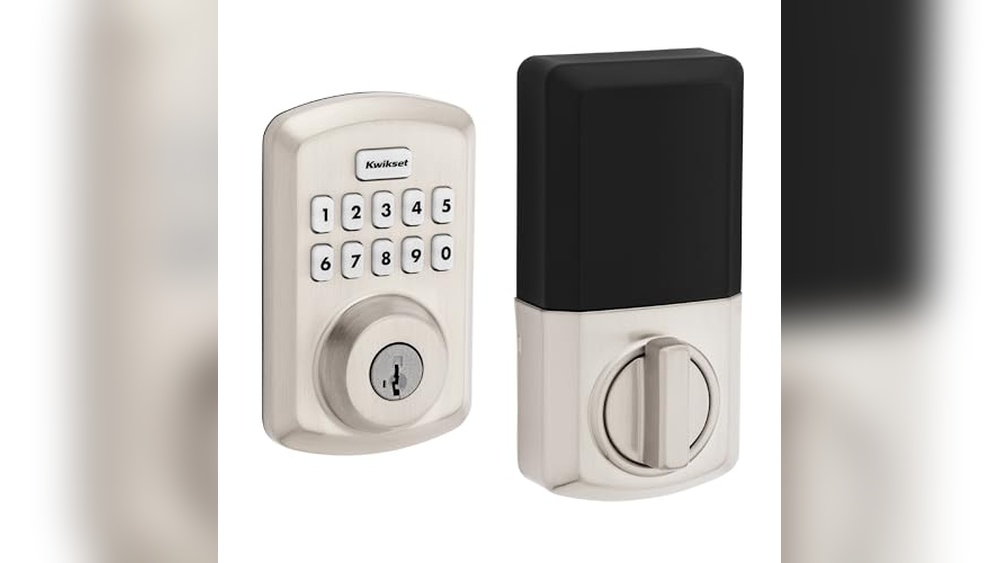
Single cylinder deadbolts use a key outside and a thumb turn inside. They are easy to use and common on many doors. You can find them in various styles and finishes.
Material And Build Quality
Look for deadbolts made of strong metal like steel or brass. These resist force better. A solid build lasts longer and works smoothly every day.
Security Features To Consider
Choose deadbolts with anti-drill or anti-pick features. These prevent break-ins using tools. A longer bolt that extends at least one inch adds strength.
Compatibility With Your Door
Make sure the deadbolt fits your door’s thickness and type. Some locks work best on wooden doors, others on metal. Measure the door before buying.
Ease Of Installation
Pick a deadbolt that comes with clear instructions and all parts. Some models require simple tools. This saves time and frustration during installation.
Prepare The Door And Frame
Preparing the door and frame is a key step before installing a single cylinder deadbolt. A well-prepared door ensures the lock fits correctly and works smoothly. This step helps avoid future problems with security and operation.
Check the door and frame carefully. Make sure they are strong and in good shape. Any damage or weakness can affect the deadbolt’s performance. Proper preparation makes the installation easier and more secure.
Measure The Door Thickness
Measure the thickness of your door using a tape measure. Most deadbolts fit doors between 1 3/8 and 1 3/4 inches thick. If your door is thicker or thinner, find a deadbolt that matches. Accurate measurement prevents fitting issues.
Mark The Deadbolt Position
Decide where to place the deadbolt on your door. Usually, it goes 6 to 12 inches above the door handle. Use a pencil to mark the spot on the door edge and face. Clear marks help guide the drilling process.
Check The Door Frame Alignment
Inspect the door frame where the deadbolt will latch. Ensure the frame is solid and straight. If the frame is weak or warped, the lock may not work well. Reinforce or repair the frame if needed before installation.
Drill Holes For The Deadbolt
Use the marks as a guide to drill holes for the deadbolt. Drill the hole through the door face and another on the edge for the bolt. Use the correct drill bit size from the instructions. Clean edges improve lock fit and function.
Prepare The Strike Plate Area
Mark the spot on the door frame where the bolt will enter. Mortise the frame to fit the strike plate flush with the surface. Use a chisel to create a shallow recess. Proper strike plate placement strengthens the lock.
Credit: www.youtube.com
Mark And Drill Holes
Marking and drilling holes is a key step in installing a single cylinder deadbolt. This step prepares the door for the lock parts. Accurate marks ensure the lock fits well and works smoothly. Take your time to measure and mark carefully. Mistakes here can cause problems later.
Use the template that comes with the deadbolt. It shows where to place the holes on the door. Align the template with the door edge and face. Check that the height matches your door handle or knob. This keeps the lock easy to reach.
Position The Template Correctly
Hold the template flat on the door. Match the edge of the template with the door’s edge. Make sure the holes line up with the right height. Use a pencil to mark the drill spots. Mark all holes clearly for the next step.
Choose The Right Drill Bit
Select a drill bit that matches the hole size. The deadbolt kit will suggest the correct sizes. Use a spade bit for large holes and a smaller bit for pilot holes. Using the right drill bit prevents damage to the door.
Drill The Holes Carefully
Start drilling slowly at the pencil marks. Hold the drill steady and straight. Drill all the way through the door for the main hole. Drill the bolt hole on the door edge carefully. Clean any rough edges with sandpaper or a file.
Install The Deadbolt Mechanism
Installing the deadbolt mechanism is a key step for securing your door. This part controls the locking and unlocking of the door. Proper installation ensures smooth operation and strong security.
Follow the steps carefully to fit the mechanism inside the door. Use the right tools and parts to avoid damage. Take your time and check each step before moving forward.
Prepare The Door For The Deadbolt
Start by cleaning the hole where the deadbolt will fit. Remove any splinters or dust inside the hole. Check the size of the hole to match the deadbolt parts. This helps the mechanism fit properly and work well.
Insert The Deadbolt Into The Door
Slide the deadbolt mechanism into the hole on the edge of the door. Make sure the bolt faces the correct direction. The latch should move smoothly when you push it. Hold the mechanism steady to avoid misalignment.
Secure The Deadbolt With Screws
Align the screw holes on the deadbolt with the door holes. Use a screwdriver to tighten the screws firmly. Do not overtighten to avoid damaging the door or the mechanism. The deadbolt should feel stable and secure.
Test The Deadbolt Function
Turn the key or thumb turn to check the bolt movement. The bolt should slide in and out without sticking. Lock and unlock several times to confirm smooth operation. Adjust screws if the bolt feels loose or tight.
Attach The Exterior And Interior Plates
Attaching the exterior and interior plates is a key step in installing a single cylinder deadbolt. These plates hold the lock mechanism securely on the door. Proper alignment ensures smooth operation and long-lasting security.
Start by fitting the exterior plate with the key cylinder into the door. This plate faces outside and includes the keyhole. Make sure the tailpiece fits through the latch mechanism inside the door hole.
Next, position the interior plate on the inside of the door. This plate holds the thumb turn that locks and unlocks the deadbolt from indoors. Align the screw holes of both plates carefully.
Align The Exterior Plate Correctly
Place the exterior plate flush against the door surface. The key cylinder should slide into the hole easily. Check that the tailpiece is straight and not bent.
Hold the plate steady. Avoid forcing it, which can damage the lock or door.
Secure The Interior Plate
Fit the interior plate over the tailpiece on the inside door panel. The thumb turn must move freely.
Align the screw holes with those of the exterior plate. Insert screws and tighten gently.
Tighten Screws Evenly
Use a screwdriver to tighten the screws slowly. Alternate between screws to keep plates balanced.
Do not overtighten. This can warp the plates or jam the lock.
Secure The Strike Plate
Securing the strike plate is a key step in installing a single cylinder deadbolt. The strike plate holds the bolt in place on the door frame. A well-secured strike plate strengthens your door’s resistance to force. This step helps protect your home from break-ins. Follow these tips to fix the strike plate correctly.
Choose The Right Strike Plate
Pick a strike plate that fits your deadbolt perfectly. Use one made of strong metal. A heavy-duty strike plate lasts longer and adds security. Check if it matches your door frame size and style.
Mark The Position On The Door Frame
Close the door and turn the deadbolt to mark the bolt’s position. Use a pencil to outline the strike plate on the door frame. This ensures the bolt fits into the hole smoothly. Accurate marking avoids problems during installation.
Chisel The Mortise For The Strike Plate
Use a chisel to create a shallow recess for the strike plate. The plate must sit flush with the door frame. This keeps the door tight and secure when locked. Work slowly and carefully to avoid damaging the frame.
Use Long Screws For Extra Strength
Replace short screws with longer screws, at least 3 inches. Long screws reach the wall stud behind the frame. This holds the strike plate firmly in place. Secure screws tightly to prevent the plate from loosening.
Close the door and turn the deadbolt several times. Make sure the bolt slides smoothly into the strike plate. Adjust the plate or screws if the bolt sticks or feels loose. A smooth lock ensures better security and ease of use.
Test The Deadbolt Operation
Testing the deadbolt operation is a key step after installation. It ensures the lock works smoothly and secures your door properly. A well-functioning deadbolt keeps your home safe and gives peace of mind.
Take time to check the lock from both sides. This helps catch any issues before they become problems. Testing also confirms the deadbolt aligns with the strike plate correctly.
Check The Key Turn
Insert the key and turn it slowly. It should move without force or sticking. The deadbolt should extend fully and retract smoothly.
Test The Thumb Turn
Use the thumb turn inside the door. It must rotate easily and move the bolt without difficulty. Make sure it locks and unlocks the door securely.
Verify Bolt Alignment
Close the door and lock the deadbolt. The bolt should slide directly into the strike plate hole. Misalignment causes the bolt to jam or not lock fully.
Check Door Movement
Open and close the door several times. The deadbolt should not block the door from closing. The door must latch and lock smoothly every time.
Troubleshooting Common Issues
Installing a single cylinder deadbolt is usually simple. Still, some common problems can happen. Knowing how to fix these issues can save time and frustration. This guide covers the main troubles and quick solutions.
Incorrect Alignment Of The Deadbolt
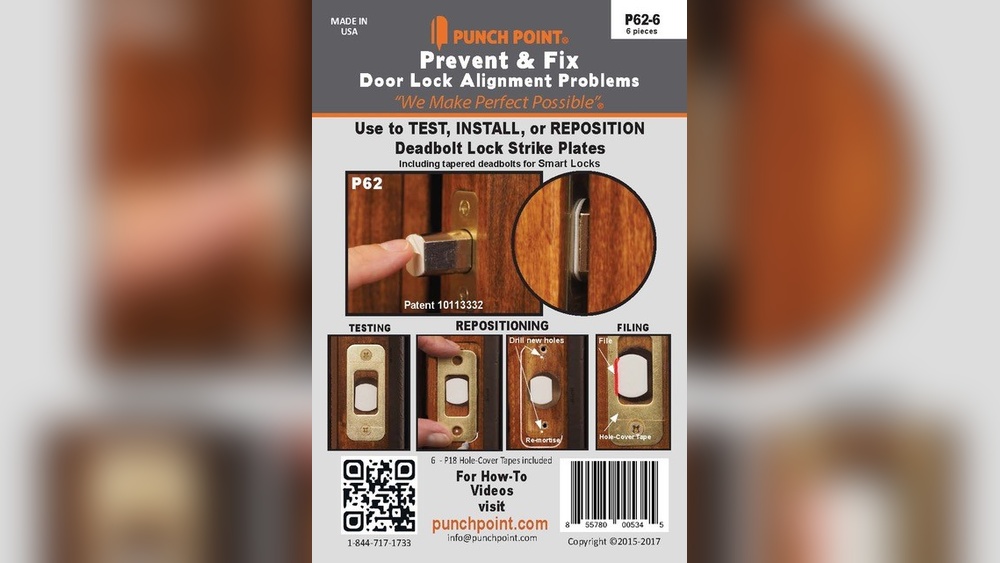
The deadbolt must line up perfectly with the strike plate. Misalignment causes the bolt to stick or not lock. Check the door and frame for proper fit. Adjust the strike plate by moving it slightly up or down. Use a pencil to mark the new position. Drill new holes if needed. This ensures smooth locking and unlocking.
Deadbolt Key Does Not Turn Smoothly
Sticky or stiff keys usually mean the lock needs lubrication. Use graphite powder or a silicone spray. Avoid oil-based lubricants as they attract dirt. Insert the key and spray inside the keyhole. Turn the key several times to spread lubricant. This makes the key turn easier without force.
Deadbolt Sticks Or Jams
Humidity or paint can cause the deadbolt to jam. Check if paint covers the bolt or strike plate. Use fine sandpaper to remove paint or rough spots. Also, check if the door swells in humid weather. Sand the edge of the door slightly to fit better. This prevents the deadbolt from sticking.
Key Does Not Insert Fully
Debris inside the lock can block the key. Blow compressed air into the keyhole to clear dust. Inspect the key for damage or bends. A bent key won’t insert properly. Try another key if available. If problems continue, the lock cylinder may need replacement.

Credit: support.shopyalehome.com
Frequently Asked Questions
What Tools Are Needed To Install A Single Cylinder Deadbolt?
You need a drill, screwdriver, measuring tape, pencil, chisel, and the deadbolt kit. These tools ensure proper fitting and secure installation.
How Long Does It Take To Install A Single Cylinder Deadbolt?
Installation typically takes 30 to 45 minutes. It depends on your experience and door type, but it’s a straightforward DIY task.
Can I Install A Deadbolt Without Drilling New Holes?
Yes, if your door already has a compatible hole. Otherwise, drilling is necessary to fit the deadbolt properly.
Is A Single Cylinder Deadbolt Secure For Home Use?
Yes, it offers good security with a keyed exterior and thumb-turn interior. It’s suitable for most residential doors.
Conclusion
Installing a single cylinder deadbolt can boost your door’s security. Follow the steps carefully and take your time. Use the right tools for an easier job. Double-check the lock fits well and works smoothly. This simple upgrade helps protect your home better.
Practice patience and soon you will feel confident. A secure door means peace of mind every day. Keep your home safe with this easy fix.