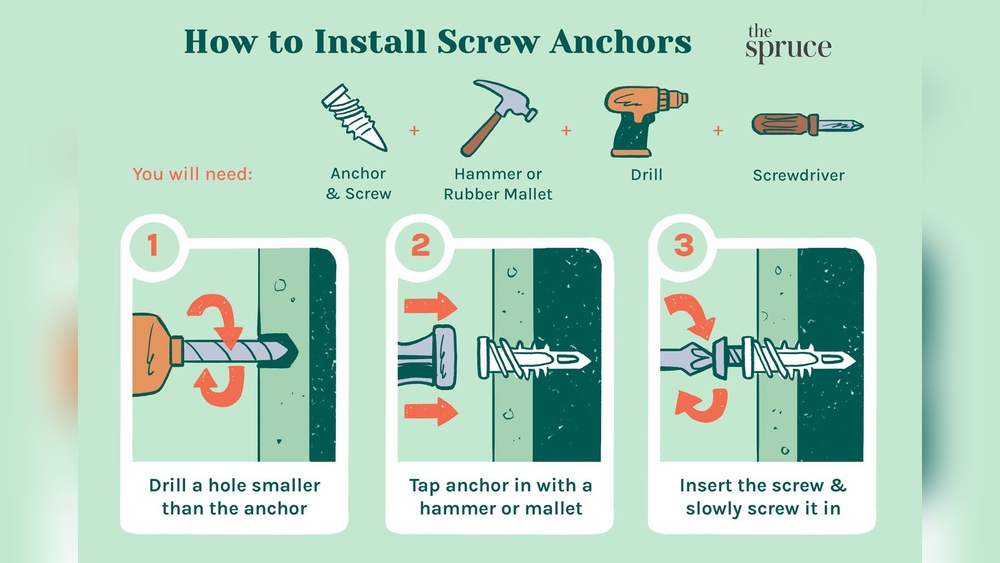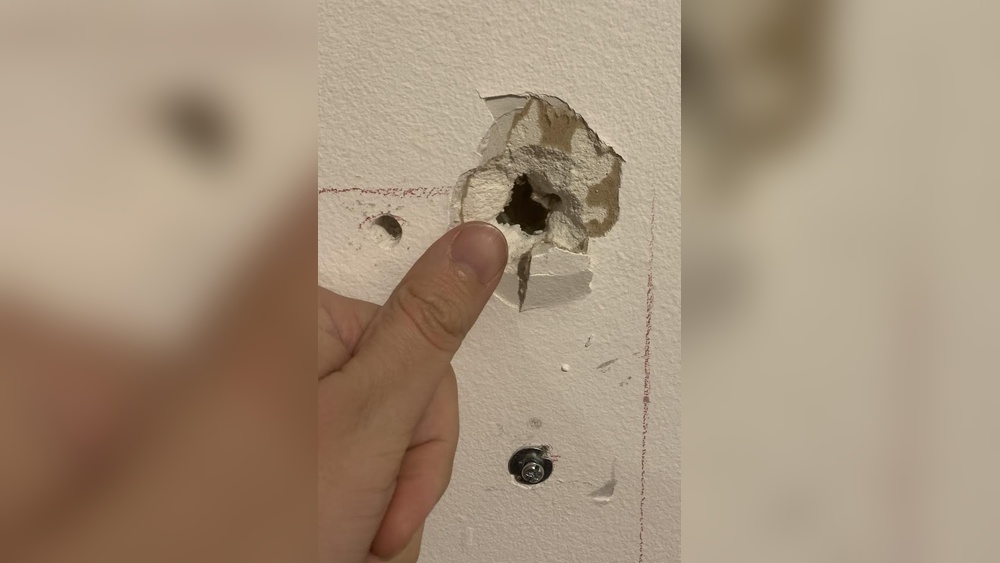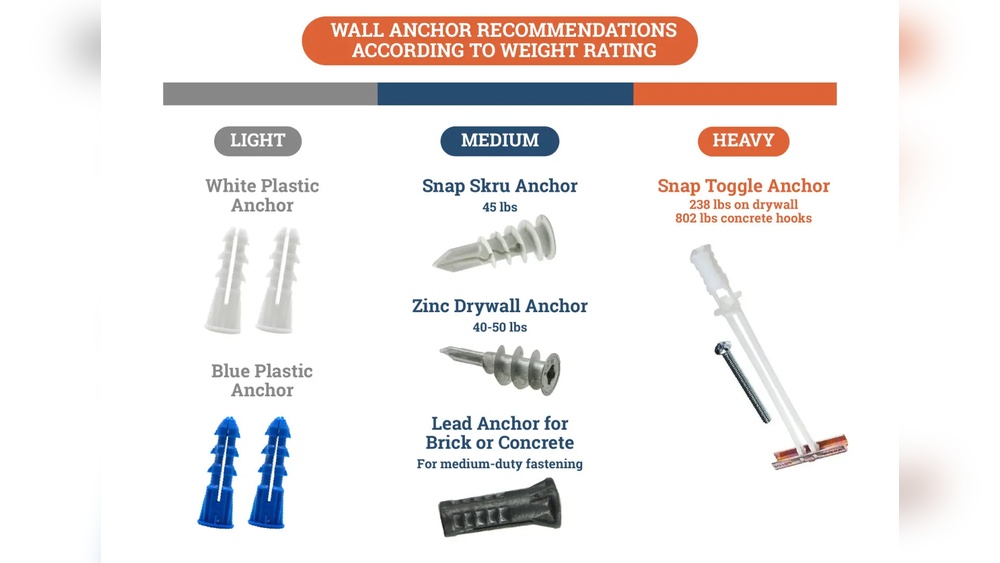
Are you about to hang something important on your wall but unsure which wall anchor size to use? Choosing the right size isn’t just a small detail—it’s the key to making sure your shelves, mirrors, or decorations stay secure and safe.
If you pick the wrong anchor, you risk damage to your wall or even accidents. You’ll learn simple, step-by-step methods to measure wall anchor size accurately. By the end, you’ll feel confident picking the perfect anchor for your project, saving you time, money, and frustration.
Let’s get started and make your next wall installation a success!
Types Of Wall Anchors
Wall anchors are essential for securing items to walls safely. Different types suit different wall materials and weights. Knowing the types helps you pick the right anchor for your project. Here are the common types of wall anchors and their uses.
Plastic Anchors
Plastic anchors are the most common and easiest to use. They work well for light to medium loads. These anchors expand inside the wall as you insert a screw. They are best for drywall and plaster walls. Plastic anchors come in various sizes to match screw sizes.
Metal Anchors
Metal anchors provide stronger support than plastic ones. They are suitable for medium to heavy loads. Made of steel or zinc, they resist bending and breaking. Metal anchors are ideal for drywall, concrete, or brick walls. Choose the right size based on the screw and wall thickness.
Toggle Bolts
Toggle bolts offer the highest holding power among anchors. They have spring-loaded wings that open behind the wall. This design spreads the load over a large area. Toggle bolts are perfect for heavy items on drywall or hollow walls. The bolt size and wing span determine the anchor size.
Tools Needed For Measurement
Measuring the size of a wall anchor needs the right tools. Using proper tools helps you get exact measurements. This prevents mistakes and ensures your anchor fits well. Here are the key tools you need for measuring wall anchor size.
Measuring Tape
A measuring tape is useful for quick size checks. It helps measure length and width easily. Use it to find the length of the anchor. Also, measure the diameter if you cannot use smaller tools.
Calipers
Calipers give very precise measurements. They can measure diameter, length, and thickness. Use calipers for the best accuracy on small parts. They are perfect for measuring the anchor’s diameter and depth.
Screwdriver
A screwdriver helps remove the anchor from the wall. It also allows you to check the screw size inside. Knowing the screw size helps pick the right anchor size. Use it carefully to avoid damaging the anchor or wall.
Measuring Anchor Length
Measuring the length of a wall anchor is key to a secure hold. The anchor must fit well inside the wall. Too short, and it won’t grip properly. Too long, and it may not fit or cause damage.
Correct measurement ensures the anchor supports the load safely. It helps avoid drilling mistakes and wasted anchors. Focus on the depth and thickness involved in the wall structure.
Check Anchor Depth
Start by measuring the depth of the hole in the wall. Use a ruler or tape measure. Insert it gently to get the exact distance from the surface to the bottom. The anchor should be slightly shorter than this depth. This prevents pushing beyond the hole and damaging the wall behind.
Consider Wall Thickness
Measure the wall thickness if possible. This shows how far the anchor will need to extend inside. Some anchors require reaching past drywall into studs or masonry. Match the anchor length to the thickest part of the wall. This gives the best grip and support for hanging items.

Credit: www.youtube.com
Measuring Anchor Diameter
Measuring the diameter of a wall anchor is key for a secure fit. The diameter tells you the thickness of the anchor. This helps you pick the right drill bit size and screw. A wrong diameter can cause weak support or damage the wall. Use simple tools and steps to get the right measurement.
Use Calipers For Accuracy
Calipers give the most precise diameter measurement. Place the anchor between the jaws. Gently close the jaws until they touch the anchor’s widest part. Read the number on the caliper scale. This number is the anchor diameter. Avoid squeezing too hard to keep accuracy. A ruler may work but is less exact.
Match Screw Size
The anchor diameter should match the screw size. Check the screw’s thickness with calipers or a ruler. Pick a screw that fits snugly inside the anchor. The screw must not be too thin or too thick. A good fit ensures the anchor expands properly. This holds the screw firmly in the wall.
Choosing The Right Anchor Size
Choosing the right anchor size is key for strong and safe wall mounting. The correct size holds weight well and fits the wall type. Small anchors can fail under heavy loads. Large anchors may damage the wall or not fit properly. This section explains how to pick the perfect anchor size.
Match Weight Requirements
Check the weight of the item you want to hang. Use an anchor that supports more than that weight. Anchors come with weight limits on the package. Choose one with a higher rating for safety. This prevents the anchor from pulling out or breaking.
Fit For Wall Material
Different walls need different anchors. Drywall anchors differ from those for concrete or brick. Measure the wall thickness before picking size. Thicker walls need longer anchors for a strong hold. Match the anchor type and size to the wall material.
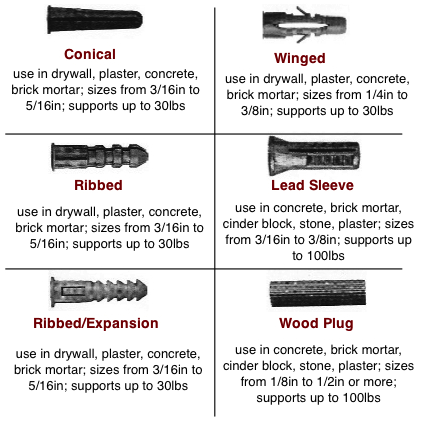
Credit: www.do-it-yourself-help.com
Common Measurement Mistakes
Measuring wall anchors correctly is key to a secure hold. Many people make simple mistakes that cause anchors to fail. Knowing common errors helps you avoid weak installations and wasted materials.
Ignoring Wall Type
Different walls need different anchors. Drywall, brick, and concrete vary in strength and texture. Using the wrong anchor size can cause it to pull out or crack the wall. Always check the wall type before measuring or buying anchors.
Incorrect Diameter Measurement
Measuring the anchor diameter wrong is common. Some use the drill bit size instead of the anchor size. Others measure the screw instead of the anchor. Use a caliper or ruler to measure the widest part of the anchor for the best fit.
Tips For A Secure Anchor Fit
Getting the right fit for wall anchors is key to strong support. Proper steps make sure anchors hold tight and last long. These tips help you place anchors securely and avoid common mistakes.
Pre-drill Proper Holes
Always start by drilling holes that match the anchor size exactly. Holes too big or small can weaken the hold. Use a drill bit that fits the anchor diameter. Drill straight into the wall to keep the anchor stable. Clean out dust from the hole before inserting the anchor. This helps the anchor grip the wall better.
Avoid Over-tightening
Tighten screws just enough to hold the item firmly. Screws turned too tight can crack the wall or damage the anchor. Stop tightening when you feel resistance. Over-tightening may cause the anchor to spin or lose grip. Use moderate force for best results and a secure fit.

Credit: www.confast.com
Frequently Asked Questions
What Tools Are Needed To Measure Wall Anchor Size?
You need a ruler or caliper to measure wall anchor size. Measure the anchor’s length and diameter accurately. This ensures you select the correct drill bit and anchor for your project.
How Do I Measure The Diameter Of A Wall Anchor?
Use a caliper or ruler to measure the anchor’s widest point. The diameter helps determine the drill bit size needed for proper installation. Accurate diameter measurement ensures a secure fit in the wall.
Why Is Measuring Wall Anchor Size Important?
Measuring wall anchor size ensures the anchor fits the hole properly. Correct sizing prevents wall damage and provides strong support for the mounted object. It also avoids anchor slipping or failure.
Can I Measure Wall Anchor Size Without Special Tools?
Yes, you can use a standard ruler to measure length and approximate diameter. However, calipers provide more precise measurements, improving installation accuracy and stability.
Conclusion
Measuring wall anchor size is simple with the right steps. Start by knowing the weight and type of item to hang. Use a ruler or tape to check hole diameter. Match the anchor size to the hole for a secure fit.
Choosing the correct size keeps your walls safe and items steady. Follow these tips to pick anchors that hold well. Small details make a big difference in your project’s success. Keep it easy and safe every time you hang something.