Are you tired of struggling with hooks that won’t stay put on your walls? Whether you want to hang a picture, a mirror, or your favorite coat, knowing how to drill a hook into the wall the right way makes all the difference.
In this guide, you’ll discover simple, step-by-step tips that anyone can follow—even if you’ve never picked up a drill before. Get ready to transform your space with confidence and avoid common mistakes that cause hooks to fall. Keep reading, and you’ll have your wall hooks installed perfectly in no time.

Credit: www.wikihow.com
Choose The Right Hook
Choosing the right hook is important for a strong and safe hold. The type of hook you pick depends on what you want to hang and the wall material. Picking the wrong hook can cause damage or fail to hold your items. Understanding different hooks and their weight limits helps you make a smart choice.
Types Of Hooks
Hooks come in many shapes and sizes. Some are simple, like cup hooks, perfect for hanging small items. Others are more heavy-duty, like screw-in hooks or wall anchors. Picture hooks are thin and good for light frames. For heavier objects, use metal hooks with anchors. Plastic hooks work well on drywall but have lower strength. Match the hook type with your wall and item.
Weight Capacity Considerations
Every hook has a weight limit. This is the most important factor for safety. Check the packaging or product details for the weight capacity. Do not guess or overload the hook. If your item is heavy, choose a hook rated for more weight than you need. This gives extra support and prevents accidents. Remember, heavier hooks usually need stronger wall anchors.
Credit: todayshomeowner.com
Gather Necessary Tools
Gathering the right tools is the first step to drill a hook into the wall safely. Having all the necessary items ready saves time and helps you work smoothly. It also ensures the hook stays strong and holds well.
Drill And Drill Bits
Choose a drill that fits your hand comfortably. A cordless drill is easy to handle and moves around well. Pick drill bits that match the size of your screw and wall type. Use a masonry bit for brick or concrete walls. For drywall, a regular bit works fine.
Anchors And Screws
Use anchors to hold the hook tight, especially on drywall or hollow walls. The anchor size must match the screw size. Screws should be strong enough to hold the weight of the hook and items. Pick screws that fit the hook’s mounting holes perfectly.
Measuring And Marking Tools
Measure twice to drill in the right spot. A tape measure helps find the exact height and position. Use a pencil to mark the spot lightly on the wall. A level can keep the hook straight and even. This step avoids crooked or misplaced hooks.
Select The Best Wall Spot
Choosing the right place on the wall is important before drilling a hook. The spot must support the hook and whatever will hang on it. A good spot keeps things secure and safe.
Not all wall areas are strong enough for a hook. Some spots may hide wires or pipes. These can cause damage or danger when drilled into. Taking time to find the best spot helps avoid problems.
Check For Studs
Studs are wooden or metal beams inside walls. They hold the wall up and are very strong. Drilling into a stud gives the best support for heavy hooks.
Use a stud finder tool to locate these beams. Move the tool slowly along the wall. It will beep or light up near a stud. Mark the spot with a pencil for drilling.
Avoiding Wires And Pipes
Wires and pipes run inside walls for electricity and water. Drilling into them can cause shocks or leaks. This is dangerous and expensive to fix.
Use a wire detector or pipe scanner before drilling. These tools show hidden wires and pipes behind the wall. Pick a spot clear of any signals from these devices.
Mark The Drilling Point
Marking the drilling point is a key step before you drill a hook into the wall. It helps you place the hook exactly where you want. This step saves time and prevents mistakes. A clear mark guides your drill and keeps your work neat.
Use A Pencil Or Marker
Choose a pencil or marker to mark the spot. A pencil is best for light, easy-to-remove marks. Use a fine tip marker for darker, more visible marks on light walls. Hold the pencil or marker steady to make a small dot. The dot should be easy to see but not too big. This dot shows where the drill bit will enter.
Double Check Measurements
Measure twice to avoid errors. Use a tape measure or ruler to check distances. Confirm the height and position match your plan. Make sure the mark is level with other hooks or fixtures. Recheck the spot before drilling. This step prevents holes in the wrong place. Accuracy here leads to a clean, professional look.
Prepare The Drill
Preparing the drill correctly makes drilling easier and safer. It helps you avoid mistakes and damage. Follow these steps to get your drill ready for the job.
Choose Correct Drill Bit Size
Select a drill bit that fits the hook’s anchor or screw. The bit should match the hook size for a tight fit. Using the wrong size may cause the hook to be loose or the wall to crack. Check the hook package or instructions for the right drill bit size.
Set Drill Speed And Mode
Set the drill to the right speed for the wall type. Low speed works well for hard walls like concrete. High speed suits softer walls like drywall. Use the drill’s hammer mode only for concrete or brick walls. For wood or drywall, use the regular drill mode to avoid damage.
Drill The Hole Safely
Drilling a hole in the wall needs care. Safety helps avoid damage and injury. Follow simple steps to drill the hole safely. Use the right tools and protect yourself. Check your space before you start.
Drilling Technique
Hold the drill steady and straight. Use a slow speed to start the hole. Push gently, do not force the drill. Keep your hands clear of the drill bit. Stop if the drill bit feels stuck. Wear safety glasses to protect your eyes. Use a dust mask to avoid breathing dust.
Handling Different Wall Types
Know your wall type before drilling. Use a masonry bit for brick or stone walls. For drywall, use a regular drill bit. Concrete needs a hammer drill for best results. Wood walls require a wood drill bit. Check for wires or pipes inside the wall. Use a stud finder to locate safe spots. Avoid drilling near electrical outlets.
Insert Anchors And Screws
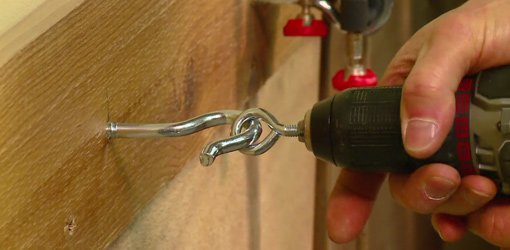
Inserting anchors and screws correctly is key to hanging hooks safely. Anchors hold the hook firmly in the wall. Screws secure the hook to the anchor, preventing it from falling. This step requires care and the right technique.
Choose anchors that fit the wall type. Drywall needs plastic anchors. Concrete or brick walls need metal or masonry anchors. The anchor must fit the hole snugly for the best hold.
Anchor Installation Tips
Start by drilling a hole that matches the anchor size. Drill straight and to the right depth. Insert the anchor gently without forcing it. Use a hammer lightly if needed to tap it in fully. The anchor should sit flush with the wall surface.
For drywall, use anchors made for light to medium loads. For heavier items, use toggle bolts or molly bolts. These anchors expand behind the wall for extra support. Check the anchor packaging for weight limits.
Screw Tightening Without Damage
Place the hook on the anchor. Insert the screw through the hook hole into the anchor. Turn the screw slowly. Stop tightening as soon as the hook feels secure. Over-tightening can strip the anchor or damage the wall.
Use a screwdriver or drill with low torque settings. Avoid forcing the screw if it won’t turn easily. Remove it and check the anchor placement. Proper tightening keeps the hook stable and the wall safe.
Mount The Hook
Mounting the hook is the key step in hanging items on your wall. It holds the hook firmly in place. Proper mounting ensures the hook stays secure and supports weight safely. Follow these steps to mount your hook correctly.
Aligning The Hook
Start by positioning the hook on the wall where you want it. Check the hook’s holes line up with the drilled holes. Hold the hook steady to keep it from moving. Use a level if you want the hook perfectly straight. Proper alignment helps the hook hold weight evenly.
Final Stability Check
After screwing the hook into the wall, test its stability. Gently pull on the hook to check if it moves. If it feels loose, tighten the screws more. A stable hook will not wiggle or shift. This final check keeps your items safe and secure.
Troubleshoot Common Issues
Troubleshooting common issues can save time and protect your walls when drilling hooks. Many people face problems like loose hooks or wall damage. These problems often happen due to wrong tools or methods. Knowing how to fix them helps keep hooks strong and walls safe.
Loose Hooks
Loose hooks usually mean the hole is too big or the anchor is weak. Use a smaller drill bit for a tighter hole. Choose the right wall anchor for your wall type. Push the anchor fully into the hole before screwing the hook. Tighten the hook carefully but avoid overtightening. Test the hook by gently pulling it after installation.
Wall Damage Prevention
Wall damage often happens from drilling in the wrong spot or using too much force. Check the wall for pipes or wires before drilling. Use a stud finder to locate solid spots. Drill slowly and steadily to avoid cracking the wall. Use wall anchors to support heavy items and spread the load. Always clean up dust and debris to keep the surface smooth.

Credit: www.amazon.com
Frequently Asked Questions
How Do I Choose The Right Drill Bit For Wall Hooks?
Select a drill bit based on your wall type. Use a masonry bit for concrete or brick walls. For drywall, a standard twist bit works well. Match the bit size to the hook’s anchor for a secure fit.
What Tools Are Essential For Drilling A Wall Hook?
You need a drill, appropriate drill bit, wall anchors, screws, and a screwdriver. A level and pencil help ensure accurate placement. Safety goggles protect your eyes during drilling.
How Deep Should I Drill For A Wall Hook?
Drill a hole slightly deeper than the anchor length. This ensures the anchor fits fully and holds securely. Measure the anchor before drilling to avoid shallow holes.
Can I Drill Hooks Into Drywall Without Studs?
Yes, use wall anchors designed for drywall. These anchors spread the load and prevent hooks from pulling out. Avoid hanging heavy items without a stud or strong anchor.
Conclusion
Drilling a hook into the wall is simple with the right steps. Use the correct drill bit and mark the spot clearly. Always check the wall type before you start drilling. Take your time to avoid mistakes or damage. With practice, you will hang hooks safely and securely.
Enjoy organizing your space with confidence and ease.