Lifting your unibody car with a floor jack might seem tricky, but it doesn’t have to be. If you’re unsure where to place the jack or worried about damaging your vehicle, you’re not alone.
Getting this step right is crucial for your safety and the health of your car. In this guide, you’ll discover simple, clear steps to jack up your unibody car safely and confidently. By the end, you’ll know exactly how to protect your ride and yourself every time you use a floor jack.
Keep reading to master this essential skill with ease.
Preparing Your Car
Preparing your car before using a floor jack is essential for safety and success. A unibody car needs careful handling to avoid damage. Take time to get everything ready. This step helps you work smoothly and safely.
Choosing The Right Location
Select a flat, hard surface to park your car. Avoid soft ground or slopes. A driveway or garage floor works best. This keeps the jack stable and prevents slipping. Clear the area around the car of any objects.
Engaging The Parking Brake
Always set the parking brake firmly. This stops the car from moving. Make sure the wheels are locked in place. Use wheel chocks on opposite tires for extra safety. This step keeps the car steady during jacking.
Gathering Necessary Tools
Collect all tools before starting. You need a floor jack, jack stands, and wheel chocks. Keep a flashlight and gloves nearby for better handling. Check if the jack is in good condition. Having tools ready saves time and avoids risks.

Credit: www.reddit.com
Locating Jack Points
Locating the right jack points on a unibody car is crucial for safe lifting. These points support the car’s weight and prevent damage. Knowing where to place the floor jack helps avoid costly repairs and ensures your safety.
Identifying Manufacturer’s Jack Points
Most cars have specific jack points made by the manufacturer. These spots are strong and designed to hold the car’s weight. Check your owner’s manual or look for small notches or reinforced areas along the car’s sides. These marks guide where to place the jack safely.
Never guess the jack points. Using the wrong spot can bend or break parts. Always use the manufacturer’s recommended areas for lifting.
Using The Frame Rails Safely
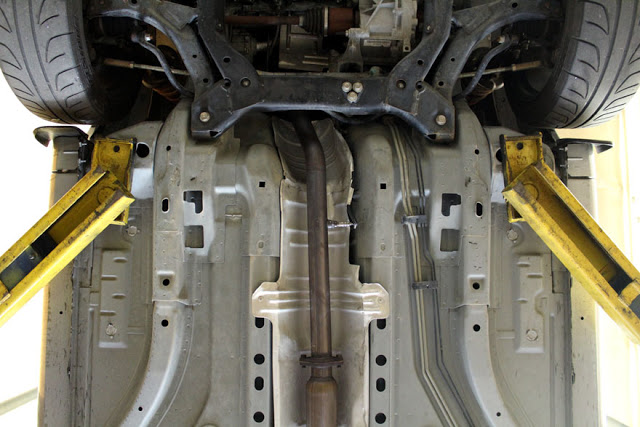
Frame rails run along the bottom of the car and can serve as jack points. These rails are sturdy and help distribute weight evenly. Position the floor jack under the frame rail near the wheel you want to lift.
Make sure the jack contacts the flat, solid part of the rail. Avoid placing the jack on thin metal or plastic parts. This prevents damage and keeps the car stable while lifted.
Setting Up The Floor Jack
Setting up the floor jack properly is essential for safety and success. It helps lift the unibody car without damage. Take your time to prepare the jack before lifting.
Follow clear steps to position and stabilize the jack. This makes the process smooth and secure.
Positioning The Jack Correctly
Find the correct jacking point on the car’s frame. Unibody cars have specific spots designed to hold the jack. Check the owner’s manual if unsure.
Place the jack under this point. Make sure the jack saddle lines up perfectly with the jacking point. This prevents slipping and damage.
Adjust the jack height so the saddle touches the frame without extra pressure. This ensures a safe lift from the start.
Ensuring Jack Stability
Ensure the jack sits flat on a solid surface. Avoid soft ground or uneven floors that can cause slipping.
Check the jack’s wheels and base for steady contact with the floor. Stability is key during lifting and lowering.
Before lifting, test the jack by pumping it slightly. Confirm it holds firm and does not wobble.
Use wheel chocks on the opposite wheels for extra safety. This stops the car from rolling while lifted.
Credit: mechanics.stackexchange.com
Lifting The Car Safely
Lifting a unibody car safely is very important to avoid damage and injury. Unibody cars do not have a strong frame under the body. This means using a floor jack carefully is a must. Knowing how to lift the car right helps keep the car stable and you safe. Follow simple steps to lift the car with care.
Operating The Floor Jack
Place the floor jack on a flat, solid surface. Pump the handle slowly to raise the jack. Make sure the jack pad touches the car’s lifting point. Check that the jack sits firmly under the car. Do not rush or use force. Smooth, steady movements work best.
Raising The Car Gradually
Lift the car in small steps. Stop often to check if the car is balanced. Do not lift the car too high at once. Watch for any signs of slipping or shifting. Raising the car slowly helps keep it steady and safe. Take your time for a steady lift.
Avoiding Common Mistakes
Never place the jack under weak parts like plastic or thin metal. Avoid using the jack on uneven ground. Do not crawl under the car without jack stands. Make sure the jack is secure before working. Avoid quick or jerky movements with the jack handle. These mistakes can cause accidents or car damage.
Securing The Car After Lifting
After lifting a unibody car with a floor jack, securing it is vital. Safety depends on how well you stabilize the vehicle. Never rely on the jack alone. It can fail or slip. Use extra support to keep the car steady. This section explains how to secure your car properly after lifting.
Using Jack Stands Properly
Place jack stands under strong, flat areas of the car frame. Avoid weak or rusted parts. Lower the car slowly onto the stands. Make sure the stands hold the car firmly. Adjust the stands to the correct height. Always use stands designed for your car’s weight. Do not lift the car higher than needed. Keep the floor jack in place as a backup.
Double-checking Stability
Once the car rests on the jack stands, test its stability. Gently shake the car side to side. If it moves, reposition the stands. Check that the stands sit flat on the ground. Confirm the car is level and steady. Look under the car for any gaps or loose points. Never work under a car that wobbles. Safety first—always double-check before starting work.
Lowering The Car
Lowering a unibody car safely after using a floor jack is important. It helps avoid damage and keeps you safe. Take your time and follow each step carefully. Avoid rushing to prevent accidents.
Start by removing anything that supports the car. Then, lower the jack slowly. Finally, check that the car is stable and secure on the ground.
Removing Jack Stands
Before lowering the car, remove the jack stands carefully. Make sure the car is steady and won’t fall. Stand clear of the car while you lift it slightly with the floor jack. Then, slide out the jack stands slowly. Do this gently to avoid sudden drops.
Lowering The Floor Jack Slowly
Turn the jack handle slowly to lower the car. Control the speed to avoid fast drops. Watch the car as it moves down. Stop if you see any unusual movement. Lower the car until the tires touch the ground fully.
Final Safety Checks
After lowering, check the car’s stability. Gently push the car to see if it moves. Make sure the jack and stands are clear from under the car. Confirm all tools are stored safely. Your car is now safely on the ground.
Safety Tips And Precautions
Jacking up a unibody car requires care and attention to safety. Small mistakes can cause big accidents. Follow these safety tips to protect yourself and others. Always prepare well before lifting the car.
Wearing Protective Gear
Wear gloves to protect your hands from dirt and sharp edges. Use safety glasses to shield your eyes from dust or debris. Closed-toe shoes protect your feet from heavy tools or parts. Dress in close-fitting clothes to avoid getting caught on objects.
Avoiding Unsafe Surfaces
Place the car on a flat, solid surface before jacking. Avoid soft ground, gravel, or slopes that can cause the jack to slip. Use wheel chocks to stop the car from rolling. Check the area for oil or water spills that can make the floor slippery.
Having A Spotter
Ask someone to watch while you jack the car. A spotter can warn you about any movement or danger. They can help control the car and keep others away. Communication is key to a safe lifting process.

Credit: www.youtube.com
Frequently Asked Questions
How Do You Safely Jack A Unibody Car With A Floor Jack?
Locate the manufacturer’s jacking points under the car frame. Position the floor jack under these points to avoid damage. Lift the car slowly, ensuring the jack is stable and secure before working underneath.
What Are The Best Jacking Points On A Unibody Car?
Jacking points are usually reinforced metal areas near the car’s pinch welds or frame rails. Check the owner’s manual for exact locations. Using these spots prevents damage to the car’s body and ensures a safe lift.
Can A Floor Jack Damage A Unibody Car?
Yes, improper use can cause dents or structural damage. Always use the correct jacking points and a jack pad if needed. Avoid lifting on thin body panels to protect your unibody car.
Why Is A Floor Jack Preferred For Unibody Cars?
Floor jacks provide stable, controlled lifting and easier maneuverability. They allow precise positioning under unibody jacking points. This reduces the risk of slipping or damage during lifting.
Conclusion
Jacking a unibody car with a floor jack is safe and simple. Always place the jack at the correct spot under the car. Use jack stands to support the car after lifting. Never work under a car supported only by a jack.
Take your time and follow the steps carefully. This way, you avoid damage and stay safe. Now you can change tires or do repairs with confidence. Practice makes perfect, so don’t rush the process. Safety first, and you’ll handle your car like a pro.