Have you ever struggled to remove sticky hooks from your wall without damaging the paint or leaving a mess behind? You’re not alone.
Those little hooks can be tricky, and pulling them off the wrong way might ruin your wall or leave sticky residue that’s hard to clean. But don’t worry—this guide will show you simple, effective methods to take off sticky hooks safely and easily.
Keep reading, and you’ll learn the best tricks to protect your walls and keep your space looking perfect.

Credit: www.youtube.com
Types Of Sticky Hooks
Sticky hooks are popular for hanging items without drilling holes. They come in many types. Each type uses different materials and adhesives. Knowing these details helps you remove hooks without damaging walls.
Common Materials Used
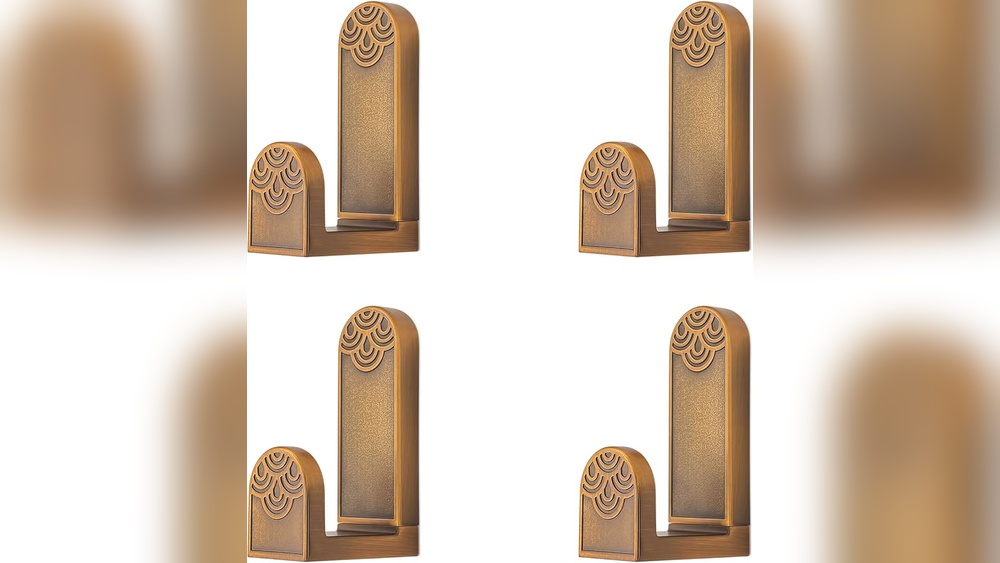
Sticky hooks often use plastic or metal for the hook part. Plastic hooks are lightweight and easy to remove. Metal hooks are stronger and hold heavier items. The base is usually made of flexible plastic or foam. These materials stick well to smooth walls.
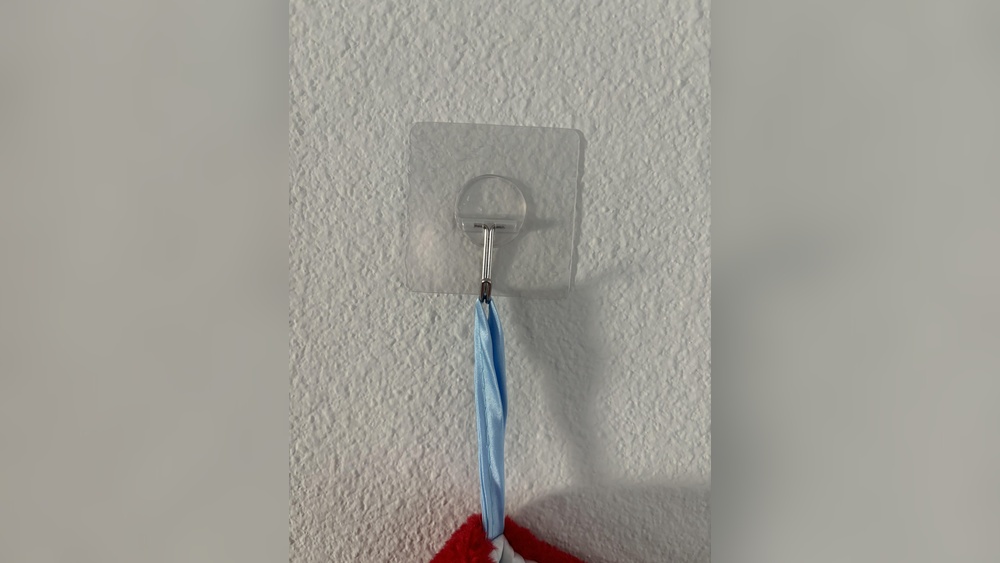
Some hooks have a clear plastic base. This helps them blend with wall colors. Others use white or colored bases for decoration. Foam bases provide extra grip but can leave residue. Choosing the right material matters for easy removal.
Different Adhesive Types
Adhesives vary between sticky hook brands and types. Most use pressure-sensitive adhesives. These stick when pressed firmly on the wall. Some adhesives are designed to be removable. They peel off cleanly without damage.
Other adhesives are stronger and more permanent. These hooks hold heavier items but can harm paint. Some use gel-based adhesives for strong grip and easy removal. Knowing the adhesive type helps plan removal steps carefully.
Sticky hooks for outdoor use use waterproof adhesives. These resist moisture but may leave marks. Always check adhesive type before removal for best results.
Signs Of Hook Damage Risk
Sticky hooks are useful for hanging items without nails or screws. Yet, removing them can sometimes harm your wall. Knowing the signs of hook damage risk helps protect your wall’s surface. You can avoid peeling paint, marks, or holes by spotting these signs early.
Wall Surface Sensitivity
Some walls are delicate. Painted drywall, wallpaper, and plaster are more prone to damage. Sticky hooks can pull off paint or tear wallpaper when removed. Rough or uneven surfaces may hold the hook poorly, causing extra strain. Soft walls need gentle removal methods to avoid damage.
Hook Weight And Size
Heavier hooks hold more weight but can stress the wall. Large hooks cover more surface, increasing the chance of damage during removal. Small hooks usually cause less trouble but may not support heavy items. Match the hook size and weight to your wall’s strength for safer removal.
Preparation Before Removal
Removing sticky hooks from walls needs care and planning. Preparation helps protect your wall and makes removal easier.
Taking time before you start saves effort and avoids damage. Follow simple steps to get ready for the job.
Gathering Tools
Collect items you need for safe removal. A hairdryer helps soften the adhesive. Use dental floss or a thin wire to slide behind the hook. Have a clean cloth ready to wipe the wall. Keep some rubbing alcohol for sticky residue. These tools make the process smooth and clean.
Clearing The Area
Clear the space around the hook. Remove any furniture or objects nearby. This gives you room to work freely. Protect the floor with a cloth or paper. Keep pets and children away to avoid accidents. A tidy area helps you focus on removing the hook carefully.
Safe Removal Techniques
Removing sticky hooks from walls needs care. The goal is to avoid wall damage and residue. Safe removal techniques help keep walls clean and smooth. These methods work well on most surfaces.
Peeling Slowly
Start by lifting the hook edge gently. Pull the hook slowly at a low angle. This reduces stress on the wall surface. Fast pulling may peel paint or leave marks. Patience is key to avoid damage.
Using Heat For Loosening
Heat softens the glue behind the hook. Use a hairdryer on low heat for 30 seconds. Move the heat source evenly over the hook area. After warming, peel the hook slowly. This method helps remove sticky hooks easily.
Applying Oil Or Vinegar
Oils like baby oil or vegetable oil dissolve sticky residue. Apply a small amount around the hook base. Let it sit for 5 minutes. Vinegar also breaks down adhesive residues. Dab vinegar on the edge with a cloth. Both soften the glue for easier removal.
Handling Stubborn Adhesive
Stubborn adhesive can make removing sticky hooks from walls tricky. It often leaves behind residue that is hard to clean. Taking time to handle this residue carefully helps protect your wall’s paint or wallpaper. Gentle methods work best to avoid damage. Use simple household products or commercial solutions designed for adhesive removal. Patience is key for good results.
Using Rubbing Alcohol
Rubbing alcohol softens sticky glue quickly. Apply a small amount on a cotton ball or cloth. Dab it gently on the adhesive residue. Let it sit for a few minutes to break down the glue. Then, rub the area lightly in a circular motion. The residue should start to lift off. Wipe clean with a damp cloth. Repeat if needed until the wall is clear.
Employing Commercial Adhesive Removers
Commercial adhesive removers are made to tackle tough residues. Choose one safe for your wall type. Follow the instructions on the product label carefully. Apply the remover to the sticky area using a soft cloth. Allow it to work for the time suggested. Use a gentle scrubbing motion to remove the residue. Clean the wall with water afterward. These removers can save time and effort.
Credit: www.velcro.com
Preventing Wall Damage
Sticky hooks are handy for hanging items without nails. Removing them can damage walls if not done carefully. Preventing wall damage keeps your space neat and ready for new decor. Follow simple steps to protect your wall during and after removal.
Protective Measures
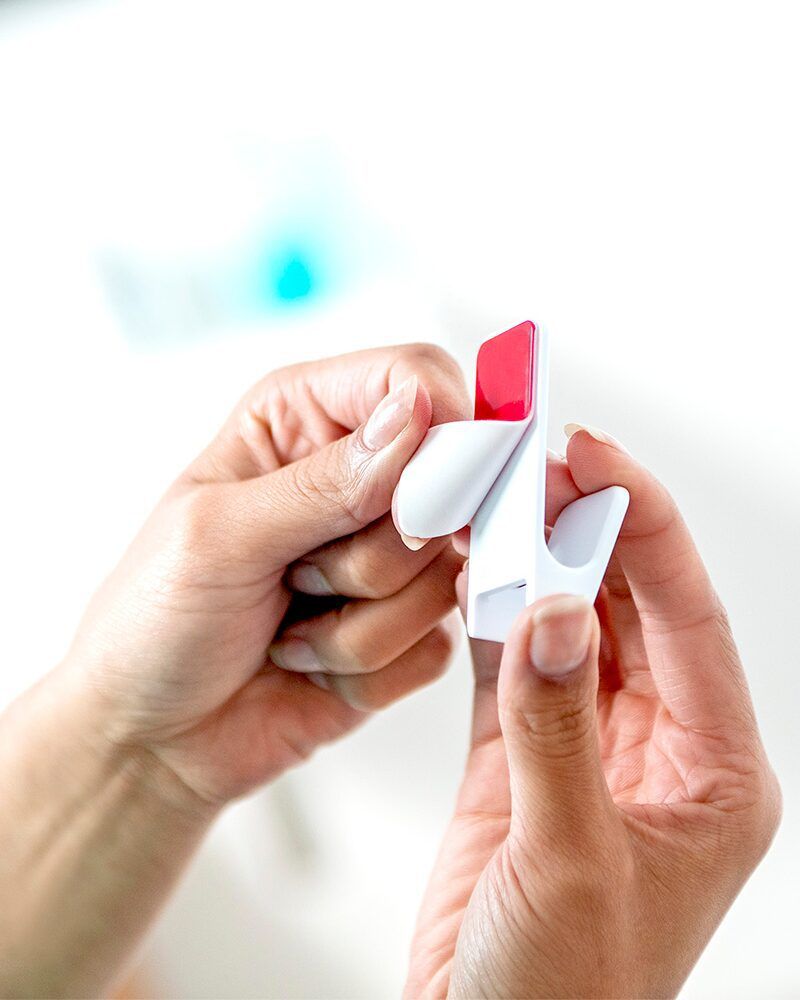
Start by reading the hook’s instructions. Some hooks need slow, steady pulling to come off. Pull the tab straight down, not outward. Use heat from a hairdryer to soften the adhesive. Warmth helps the glue release gently. Avoid sharp tools that can scratch or gouge the wall.
Post-removal Wall Care
Check the wall for leftover adhesive. Remove sticky residue with a soft cloth and mild soap. Test any cleaning product on a small, hidden area first. Fill small holes or marks with spackle or putty. Sand the area smooth once dry. Touch up with matching paint to blend the patch. This keeps walls smooth and fresh.
Alternative Hook Options
Sticky hooks are useful but can sometimes damage your walls. Choosing the right alternative hook helps protect your paint and wallpaper. Many options offer easy removal without leaving marks. These hooks also hold items securely and come in different styles. Find a hook that fits your needs and keeps your walls safe.
Damage-free Hooks
Damage-free hooks hold items firmly without harming walls. They use special adhesives that peel off cleanly. No paint chipping or holes appear after removal. These hooks suit renters or anyone who wants to keep walls perfect. You can hang pictures, keys, or light decorations safely. These hooks come in various sizes and shapes.
Reusable Adhesive Hooks
Reusable adhesive hooks stick well and can be used again. Their glue stays sticky even after removal. Wash the adhesive part with water to refresh it. These hooks save money and reduce waste. They work on smooth surfaces like glass, tiles, and painted walls. Perfect for temporary decorations or changing wall use often.

Credit: www.youtube.com
Frequently Asked Questions
How Do I Safely Remove Sticky Hooks From Walls?
Gently pull the hook’s tab straight down, not outward. This releases the adhesive without damaging the wall or paint.
Can I Reuse Sticky Hooks After Removal?
Most sticky hooks lose adhesion once removed. It’s best to use new hooks for a secure hold.
What If Sticky Hooks Damage My Wall Paint?
Use warm soapy water or a gentle adhesive remover. Avoid harsh scrubbing to protect the paint finish.
Are Sticky Hooks Suitable For All Wall Types?
Sticky hooks work best on smooth, clean surfaces. Avoid textured or wallpapered walls to prevent damage.
Conclusion
Removing sticky hooks from walls does not have to be hard. Use gentle heat or slow pulling to avoid damage. Take your time and be patient for best results. Clean the wall after removal to keep it neat. These simple steps help keep your walls safe and your space tidy.
Try these tips next time you need to remove sticky hooks. You will save time and protect your walls easily.