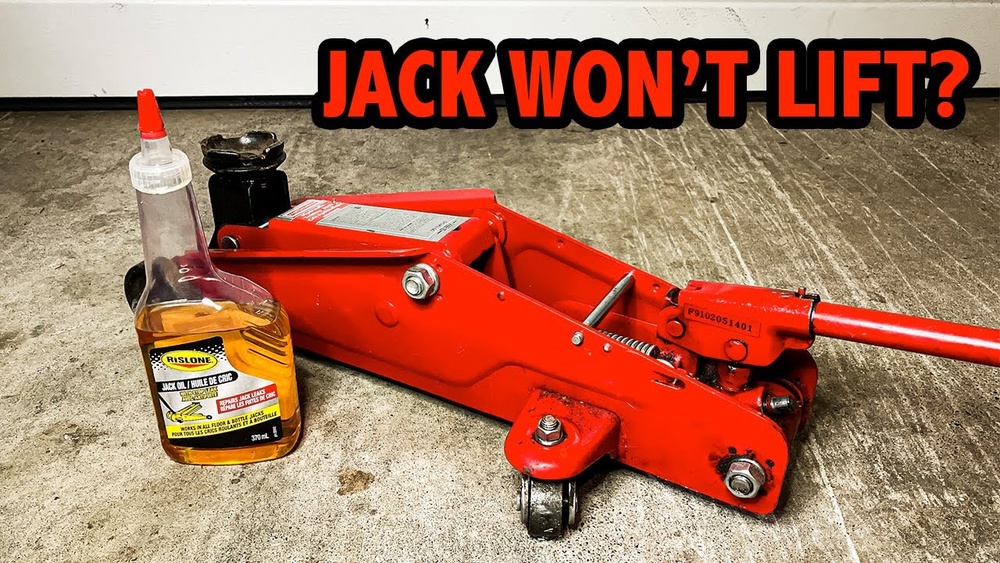
Is your floor jack stuck and refusing to lift? You’re not alone, and it’s a frustrating problem that can bring your work to a halt.
But don’t worry—fixing a floor jack that won’t go up is easier than you might think. In this guide, you’ll discover simple steps to get your jack working smoothly again. Keep reading, and you’ll have the confidence to tackle this issue yourself, saving time and money.
Let’s get your floor jack lifting like new!

Credit: www.youtube.com
Common Causes Of Floor Jack Issues
Floor jacks sometimes fail to lift as expected. Understanding common causes helps fix the problem faster. Several issues can stop the jack from going up. Knowing these problems can save time and effort.
Hydraulic Fluid Problems
Hydraulic fluid powers the lifting action of a floor jack. Low fluid levels cause weak lifting or no lifting at all. Old or dirty fluid can block the system. Checking and replacing hydraulic fluid restores proper function.
Air In The Hydraulic System
Air trapped inside the hydraulic system stops the jack from lifting. Air creates spongy pressure and reduces power. Bleeding the system removes trapped air. This allows smooth and strong lifting again.
Damaged Seals And O-rings
Seals and O-rings keep hydraulic fluid contained. Damaged or worn seals cause leaks. Fluid leaks lower pressure and stop the jack from rising. Inspecting and replacing seals can fix this issue.
Faulty Release Valve
The release valve controls pressure inside the jack. A valve stuck open prevents lifting. Dirt or damage can cause the valve to malfunction. Cleaning or replacing the valve restores proper pressure control.
Mechanical Wear And Tear
Parts inside the jack wear out over time. Rust, dirt, and damage block smooth movement. Worn components reduce lifting ability or cause failure. Regular maintenance and part replacement keep the jack working well.
Tools And Materials Needed
Fixing a floor jack that won’t go up requires the right tools and materials. Having these items ready makes the repair process smoother. Each tool plays a key role in diagnosing and fixing the problem.
Basic Hand Tools
You will need a few simple hand tools. A wrench set helps loosen and tighten bolts. Screwdrivers come in handy for removing screws. Pliers assist in gripping and pulling parts. A hammer may be useful for light tapping or adjustments.
Hydraulic Fluid Types
Hydraulic fluid is essential for jack operation. Use high-quality jack oil or hydraulic fluid. Avoid using motor oil or brake fluid as substitutes. The right fluid keeps the jack working smoothly and prevents damage.
Cleaning Supplies
Clean parts improve repair success. Use rags or shop towels to wipe dirt and grime. A wire brush helps remove rust or old grease. You might also need a degreaser or mild soap for thorough cleaning.
Replacement Parts
Some parts may need replacing. Common replacements include seals, O-rings, and valves. Check the manufacturer’s guide for exact parts. Having spares on hand speeds up the repair process.
Step-by-step Repair Process
Fixing a floor jack that won’t go up needs a clear step-by-step guide. This process helps you find the problem and fix it safely. Follow these steps carefully to restore your floor jack’s lifting ability. Each step focuses on a key part of the repair. Understanding each part makes the repair easier and faster.
Inspecting The Floor Jack
Start by checking the floor jack’s overall condition. Look for visible damage or leaks. Check the lifting arm and base for cracks or bends. Inspect the hydraulic pump and handle for wear. Make sure all parts move smoothly without resistance.
Checking And Refilling Hydraulic Fluid
Hydraulic fluid powers the lifting action. Open the fluid reservoir cap. Check the fluid level inside. If low, refill with the correct hydraulic oil. Avoid overfilling, which can cause problems. Clean the area around the cap before opening to prevent dirt inside.
Bleeding Air From The System
Air trapped inside the hydraulic system stops the jack from lifting. To remove air, open the release valve slightly. Pump the handle several times. Close the valve and try lifting the jack. Repeat if the jack still won’t rise smoothly.
Replacing Seals And O-rings
Seals and O-rings prevent hydraulic fluid leaks. Worn seals cause loss of pressure. Remove old seals carefully. Replace with new seals that fit your jack model. Lubricate seals lightly before installing. Tighten all parts securely after replacement.
Adjusting The Release Valve
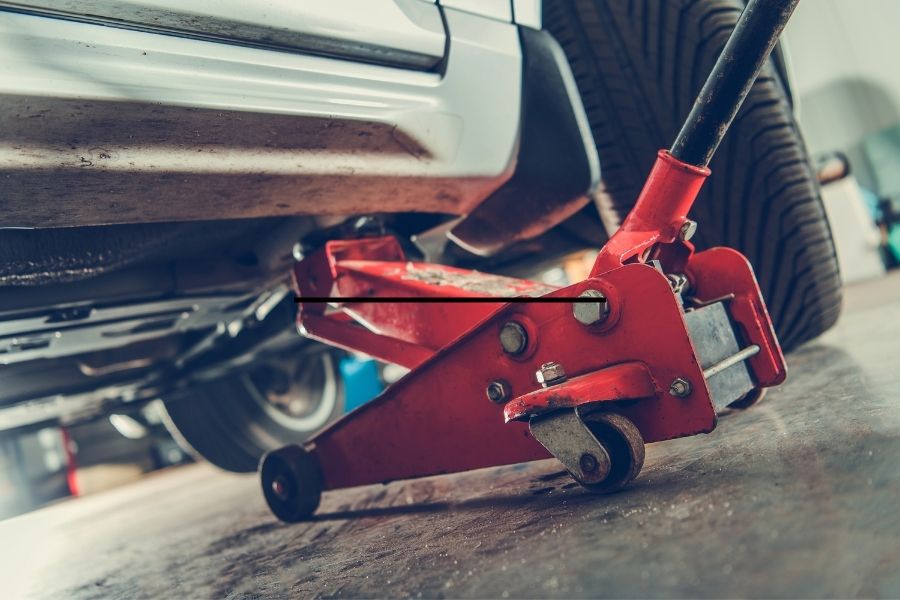
The release valve controls hydraulic pressure. If too loose, the jack won’t lift. Turn the valve clockwise to tighten it. Test the jack after each adjustment. Stop tightening once the jack lifts properly. Avoid over-tightening, which can damage the valve.
Credit: www.sviinternational.com
Preventive Maintenance Tips
Preventive maintenance helps keep your floor jack working smoothly. It stops problems before they start. Simple checks and care can extend your jack’s life. Follow these easy steps to avoid jams and failures.
Regular Fluid Checks
Check the hydraulic fluid often. Low fluid makes the jack hard to lift. Use the right type of fluid for your model. Fill it carefully, avoiding spills. Clean fluid keeps the system sealed and working well.
Proper Storage Practices
Store your floor jack in a dry place. Avoid damp or dusty areas. Keep it off the ground to prevent rust. Close the jack fully before storing. Proper storage protects the parts and keeps it ready.
Routine Cleaning
Wipe down the jack after each use. Remove dirt, grease, and debris. Use a cloth and mild cleaner. Clean parts move better and last longer. Pay attention to the wheels and lifting arm.
Lubrication Points
Oil the moving parts regularly. Focus on hinges, wheels, and joints. Use light machine oil or grease. Lubrication reduces friction and wear. Smooth movement means easier lifting and less damage.
When To Seek Professional Help
Knowing when to seek professional help can save time and avoid further damage. Some floor jack problems need expert care. Trying to fix serious issues alone might cause injury or make the jack worse. Watch for signs that show it’s time to call a pro.
Severe Mechanical Damage
Cracks, bends, or broken parts mean serious mechanical damage. These problems affect the jack’s safety and function. Professionals have the tools to spot hidden damage. They can replace parts correctly to keep the jack safe to use.
Persistent Hydraulic Issues
Hydraulic problems that do not fix with basic steps need expert attention. Leaks or loss of pressure can be tricky to repair. A professional can check seals, valves, and fluid levels deeply. Proper repairs ensure the jack lifts safely and smoothly again.
Cost Vs. Replacement Considerations
Sometimes repair costs get too high. Professionals can advise if fixing the jack is worth it. If repairs cost more than a new jack, replacement might be better. Experts help choose the best option for safety and budget.
Credit: www.reddit.com
Frequently Asked Questions
Why Won’t My Floor Jack Lift Properly?
Your floor jack may not lift due to low hydraulic fluid, air trapped inside, or worn seals. Check fluid levels first. Bleed the jack to remove air. Replace seals if damaged. Proper maintenance ensures smooth lifting function.
How Do I Bleed Air From A Floor Jack?
To bleed air, open the release valve and pump the jack handle several times. Close the valve and test lifting. This removes trapped air that can prevent the jack from rising. Regular bleeding keeps the jack operating efficiently.
Can A Floor Jack Be Repaired At Home?
Yes, minor issues like fluid replacement, seal swaps, or air bleeding can be done at home. Use proper tools and follow manufacturer guides. For complex problems, consult a professional to avoid safety risks.
What Causes A Floor Jack To Lose Pressure?
Pressure loss often results from hydraulic fluid leaks, worn seals, or air inside the system. Inspect for leaks and refill fluid. Replace damaged seals to restore pressure. Timely repairs prevent jack failure.
Conclusion
Fixing a floor jack that won’t go up is possible with the right steps. Check for common issues like air in the system or damaged parts. Clean and lubricate moving components to improve function. Make small adjustments carefully and test the jack often.
Remember, regular maintenance helps keep your jack working well. Stay patient and follow safety tips to avoid accidents. With practice, you will handle these repairs confidently. Keep your tools ready and don’t ignore minor problems early. A working floor jack makes your tasks easier and safer.