Have you ever tried to remove sticky hooks from your wall, only to find stubborn residue left behind? It’s frustrating when those sticky patches refuse to come off, ruining the smooth look of your space.
But don’t worry—you’re not stuck with those sticky marks forever. You’ll discover simple, effective ways to get sticky hooks off your wall without damaging the paint or wallpaper. Keep reading, and you’ll learn easy tricks that save your walls and make cleanup a breeze.
Types Of Sticky Hooks
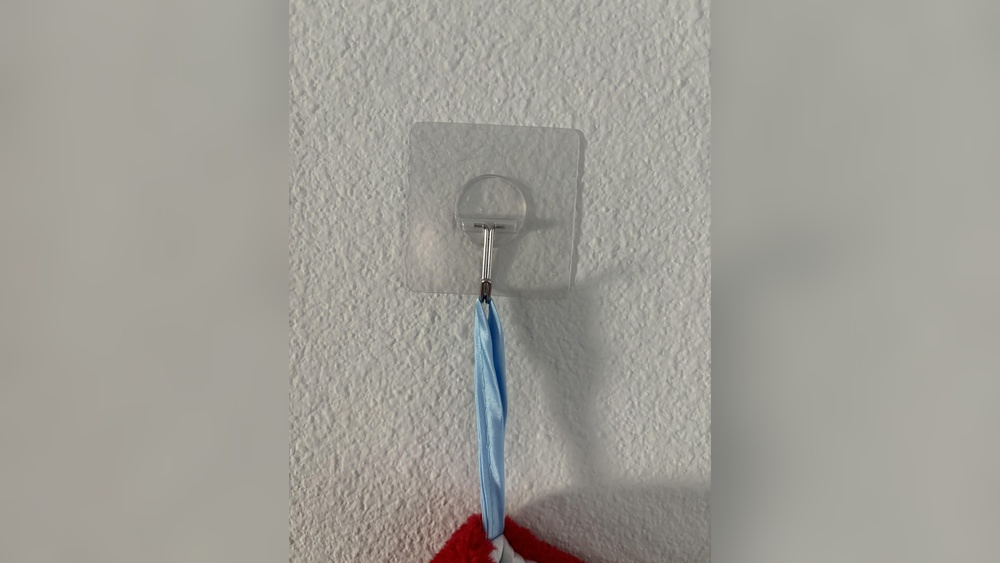
Sticky hooks come in various types, each designed for different uses and surfaces. Knowing the types helps remove them without damage. Different materials and adhesive strengths make a big difference.
Common Materials
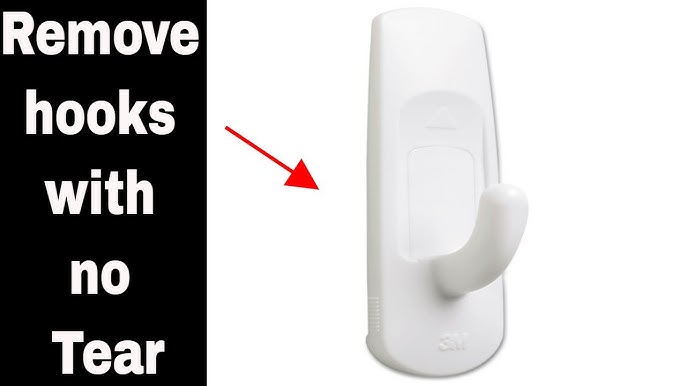
Sticky hooks often use plastic or metal for the hook part. The backing can be foam, plastic, or fabric. Foam backs offer some cushion and grip. Plastic backs are smooth and stick well on flat surfaces. Fabric backs are softer and less likely to leave marks.
Adhesive Strength Variations
Adhesives vary from light to heavy duty. Light adhesives hold small items like keys or cables. Medium strength adhesives support medium weight, such as kitchen tools. Heavy-duty adhesives handle heavier objects like frames or bags. Strong adhesives are harder to remove but hold better.
Credit: www.youtube.com
Preparation Before Removal
Removing sticky hooks from walls requires careful preparation. This step helps avoid damage and makes the process easier. Knowing what tools to gather and how to protect your wall sets the stage for smooth removal.
Gathering Tools
Collect basic tools before starting. You will need a hairdryer to warm the adhesive. A plastic card or old credit card helps lift the hook gently. Keep a soft cloth handy to clean the wall afterward. Having these tools ready saves time and effort.
Protecting The Wall Surface
Cover the area around the hook with painter’s tape. This stops paint from peeling or chipping. Work slowly to avoid pulling off wall paint. Using a soft cloth can catch any small debris. Protecting the wall keeps it looking good after removal.
Quick Removal Methods
Removing sticky hooks from walls can be quick and simple. Using the right method helps avoid damage to your paint or wallpaper. Here are easy ways to get sticky hooks off without leaving marks. These quick removal methods work well and save time.
Stretching The Adhesive Strip
Hold the hook firmly with one hand. Slowly pull the adhesive strip straight down, not outwards. Stretching the strip pulls it off without hurting the wall. Keep pulling gently until the strip releases. This method works best on flat surfaces. Avoid yanking or pulling too fast. Stretching the strip reduces sticky residue.
Using Dental Floss Or Fishing Line
Take a piece of dental floss or thin fishing line. Slide it behind the sticky hook’s base. Use a gentle sawing motion to cut through the adhesive. Move the floss slowly to avoid wall damage. This technique helps separate the hook from the wall cleanly. It is perfect for hooks stuck on textured surfaces. Patience with this method gives best results.
Heat-based Techniques
Heat-based techniques are effective for removing sticky hooks from walls. Heat softens the adhesive, making it easier to peel the hook off. These methods reduce wall damage and residue. Use gentle heat sources to avoid harming paint or wallpaper.
Hair Dryer Method
Use a hair dryer on medium heat. Hold it a few inches from the sticky hook. Warm the adhesive for about 30 seconds. The heat loosens the glue’s grip. Slowly pull the hook away from the wall. If needed, apply more heat and try again. This method works well for most wall types.
Warm Towel Application
Soak a towel in warm water and wring it out. Press the warm towel against the sticky hook area. Keep it there for a few minutes. The heat and moisture soften the adhesive. Gently peel the hook off the wall. Use this method for delicate surfaces. It avoids direct heat and reduces damage risk.
Chemical Solutions
Chemical solutions can help remove sticky hooks from walls without damage. These methods dissolve the adhesive, making it easier to peel off. Using common household items keeps the process safe and budget-friendly.
Rubbing Alcohol
Rubbing alcohol breaks down sticky glue quickly. Apply a small amount on a cotton ball or cloth. Gently rub the adhesive area until it loosens. Wait a few minutes for the alcohol to work. Then, carefully peel off the hook. Wipe the wall clean with a damp cloth afterward.
Vinegar And Oil Mix
Mix equal parts white vinegar and cooking oil. This combination softens sticky residue effectively. Dip a cloth into the mixture and press on the adhesive. Let it sit for five to ten minutes. Rub the area softly to remove leftover glue. Clean the wall with warm water to remove oil traces.

Credit: www.reddit.com
Dealing With Residue
Removing sticky hooks often leaves behind residue on your wall. This sticky film can attract dirt and make your wall look messy. Cleaning this residue carefully helps keep walls clean and undamaged. Use safe methods to avoid peeling paint or scratching the surface.
Gentle Scraping Tools
Start with soft tools to scrape off the sticky residue. A plastic card or a silicone spatula works well. Avoid metal tools that can scratch the wall. Gently push the tool under the residue edge. Slowly lift it away without forcing. Repeat until most residue lifts off.
Cleaning Sticky Remains
Use warm water mixed with mild soap to clean leftover stickiness. Dip a soft cloth in the soapy water. Wring out extra liquid before wiping the wall. Rub gently in small circles. For tougher spots, a little rubbing alcohol on a cloth helps. Test on a hidden area first. Dry the wall with a clean towel after cleaning.
Preventing Wall Damage
Sticky hooks can leave marks or damage on walls if removed carelessly. Preventing wall damage is key to keeping your space neat. Taking simple steps can save paint and wall surfaces from harm. Handle hooks gently and use the right removal methods.
Avoiding Paint Peeling
Peeling paint happens when sticky hooks pull the paint off the wall. Heat the sticky area with a hairdryer for a few seconds. This softens the adhesive and makes it easier to peel off. Pull the hook slowly at a low angle to reduce paint damage. Avoid using sharp tools that scrape the paint.
Minimizing Surface Marks
Surface marks appear if glue or residue stays on the wall. Use a soft cloth dipped in warm, soapy water to wipe the area. For tougher residue, try rubbing alcohol or a gentle adhesive remover. Test any cleaner on a hidden spot first. Clean carefully to keep the wall smooth and free of stains.
Tips For Future Hook Use
Sticky hooks can be handy, but they may leave marks or damage walls. Using hooks correctly helps keep walls clean and safe. Small steps make a big difference for future use. Follow these tips to avoid problems and enjoy easy hanging.
Choosing The Right Hooks
Pick hooks that fit your wall type. Some hooks work best on smooth surfaces. Others stick better on painted or tiled walls. Check the weight limit before buying. Heavy items need stronger hooks. Use hooks designed for your wall material. This reduces damage and improves hold.
Proper Application Techniques
Clean the wall before applying hooks. Dirt and dust weaken the sticky part. Use rubbing alcohol to wipe the area. Let it dry completely. Press the hook firmly for 30 seconds. Avoid touching the sticky side. Wait one hour before hanging anything. This helps the glue set well. Remove hooks slowly and gently to avoid damage.

Credit: www.youtube.com
Frequently Asked Questions
How Do I Remove Sticky Hooks Without Damaging Walls?
To remove sticky hooks safely, pull the tab slowly downward, parallel to the wall. Avoid yanking it off. This prevents paint peeling or wall damage. Use heat from a hairdryer if adhesive is stubborn. This softens glue, making removal easier and safer.
What Household Items Help Remove Sticky Hooks?
Common items include a hairdryer, dental floss, and rubbing alcohol. Heat from the hairdryer softens adhesive. Dental floss can slide behind the hook to gently cut glue. Rubbing alcohol dissolves sticky residue for easy cleaning without harming walls.
Can Sticky Hooks Be Reused After Removal?
No, sticky hooks lose adhesion after removal. The glue backing weakens when peeled off. To reuse hooks, apply fresh double-sided tape or purchase new adhesive strips. This ensures hooks hold firmly and prevent damage from weak adhesion.
How To Clean Sticky Residue Left On Walls?
Use rubbing alcohol or warm soapy water with a soft cloth. Gently rub the residue until it dissolves. Avoid harsh scrubbing to protect paint. For stubborn residue, a small amount of vinegar can help without damaging surfaces.
Conclusion
Sticky hooks can be removed without damaging your walls. Use gentle heat or oil to soften the adhesive. Peel slowly to avoid paint or wallpaper tears. Clean any leftover residue with soap or rubbing alcohol. These simple steps save time and keep walls looking fresh.
Try different methods to find what works best for you. Removing sticky hooks is easy with patience and care. Your walls will thank you for it.