Are you wondering how far apart coat hooks should be on your wall? Getting the spacing just right can make a big difference in how your space looks and functions.
Too close, and your coats might overlap and look messy. Too far apart, and you could be wasting valuable wall space. You’ll discover simple tips to find the perfect distance between hooks. By the end, you’ll know exactly how to create a neat, organized, and stylish coat hanging area that suits your needs perfectly.
Keep reading to transform your wall into a clutter-free zone!
Credit: smallishhome.com
Ideal Distance Between Coat Hooks
Choosing the right distance between coat hooks on a wall helps keep your space neat. It allows coats to hang without overlapping or falling off. Proper spacing also makes the wall look balanced and organized. This section explains the ideal distance between coat hooks for various needs.
Standard Spacing Recommendations
For most homes, coat hooks should be 6 to 8 inches apart. This distance fits regular jackets and coats comfortably. Hooks spaced this way prevent clothes from tangling. It also gives each item enough room to hang freely. Use this spacing in hallways, mudrooms, or entryways.
Adjusting For Different Coat Sizes
Larger coats or bulky winter wear need more space. Increase the distance to 10 to 12 inches apart for thick coats. Smaller hooks or light scarves can be closer, around 4 to 6 inches. Think about the types of coats you own before placing hooks. This adjustment stops overcrowding and keeps coats wrinkle-free.
Factors Influencing Hook Placement
Choosing the right distance between coat hooks depends on several key factors. These factors affect how useful and neat your hook setup will be. Understanding them helps create a space that is both practical and comfortable.
Wall Space Availability
The amount of free wall space limits how many hooks you can install. Narrow walls need hooks placed closer together. Wide walls allow more space between hooks. Plan hook placement based on the space you have. This avoids crowding or leaving too much empty space.
User Height And Accessibility
Hooks should be at a height that users can reach easily. For adults, place hooks about 5 to 6 feet high. For children, lower hooks to around 3 to 4 feet. Consider the height of all users to make hooks comfortable for everyone. This ensures easy access and prevents strain.
Type Of Coats And Accessories
Heavy coats need more space to hang without touching. Thin jackets or scarves require less room. Large bags or hats also need extra space between hooks. Think about what will hang on the hooks before deciding spacing. This keeps items neat and prevents damage.
Spacing For Multiple Hooks
Spacing multiple coat hooks on a wall needs careful thought. Proper spacing keeps things neat and functional. It stops hooks from crowding each other and allows enough room for coats to hang freely. Good spacing also improves the wall’s look and makes it easier to use each hook.
Row Arrangements
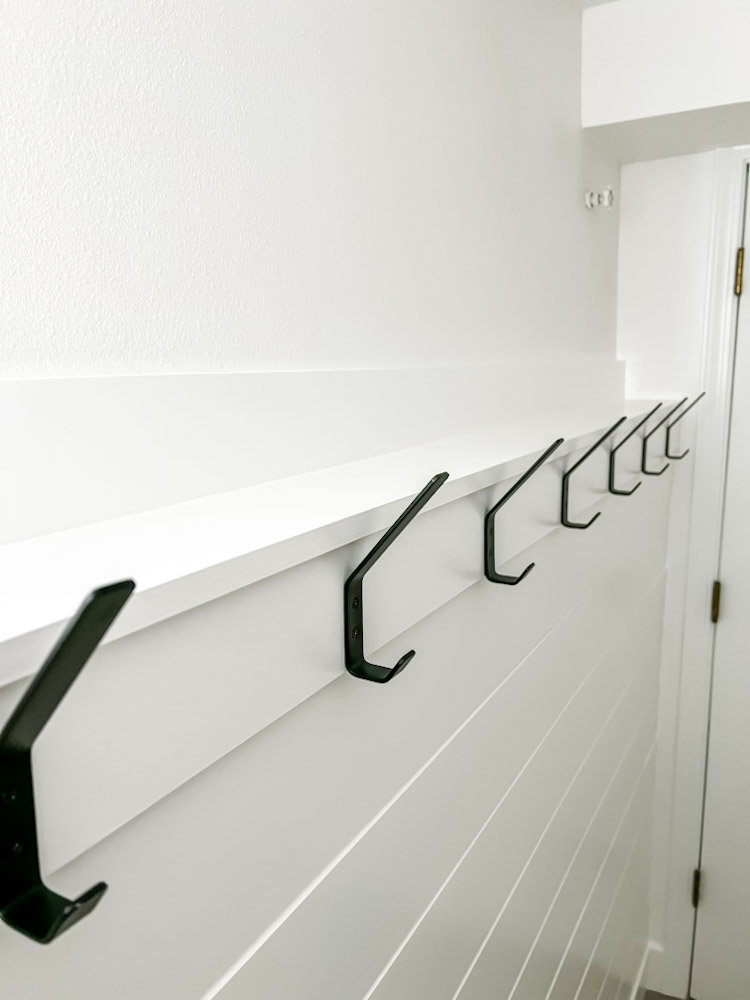
Arrange hooks in rows to suit your space and needs. A single row works well for small areas. Keep hooks about 6 to 8 inches apart in one row. This distance prevents clothes from overlapping too much.
Two or more rows fit better in larger spaces. Place the rows about 12 to 15 inches apart vertically. This spacing helps hang longer coats without them touching the floor. It also gives more hanging spots without crowding.
Vertical Vs Horizontal Placement
Vertical placement saves floor space and fits narrow walls. Hooks stacked vertically should be about 10 to 12 inches apart. This setup works well in hallways or tight spots.
Horizontal placement spreads hooks across the wall width. Space hooks 6 to 8 inches apart horizontally. This offers easy access and keeps coats from tangling.

Credit: www.reddit.com
Materials And Installation Tips
Choosing the right materials and following good installation tips help coat hooks last longer. Proper materials keep hooks strong and stable. Good installation stops damage to walls and holds weight safely.
Choosing The Right Hooks
Select hooks made from sturdy materials like metal or solid wood. These materials hold coats and bags without bending. Avoid plastic hooks for heavy items because they break easily. Pick hooks with smooth finishes to protect clothes from snags. Size matters too. Bigger hooks can hold bulky coats better.
Anchoring For Weight Support
Use wall anchors to secure hooks on drywall. Anchors spread the load and keep hooks from pulling out. For heavy coats, find a wall stud and screw hooks directly into it. Use screws long enough to hold firmly. Check that hooks do not wobble after installation. Tighten screws if needed to keep hooks steady.
Design Considerations
Design considerations play a key role in deciding how far apart coat hooks should be on a wall. The spacing affects both the look and the function of the hooks. Proper spacing helps the hooks fit well into the room’s style and makes them easy to use. It also prevents coats from overlapping or looking cluttered.
Aesthetic Balance
Spacing coat hooks evenly creates a neat and balanced look. Hooks placed too close together can look messy. Too far apart, they may seem disconnected. The right distance makes the wall feel organized and pleasing to the eye. Balance helps the hooks blend smoothly with other wall features.
Matching Interior Styles
The style of your room affects hook placement. Modern rooms may use wider spacing for a clean, open feel. Traditional rooms might have hooks closer together for a cozy look. Consider the size and shape of the hooks too. Match the spacing with your room’s theme for a natural fit.
Common Mistakes To Avoid
Choosing the right distance between coat hooks is important. Many people make simple mistakes that cause problems later. These errors can make your hooks less useful and your space look cluttered.
Understanding these common mistakes helps you avoid wasting time and effort. It also ensures your coat hooks work well for everyone using them.
Too Close Or Too Far Apart
Placing hooks too close makes hanging coats difficult. Clothes may overlap and get wrinkled. Hooks too far apart waste wall space. They also make the area look empty and unbalanced.
Keep a good distance to allow each coat enough room. This helps keep your coats neat and easy to grab.
Ignoring User Needs
Not thinking about who will use the hooks causes trouble. Children need lower hooks. Taller people need hooks placed higher. Consider the size and type of items to hang.
Plan hook height and spacing based on users’ needs. This makes the space comfortable and practical for everyone.

Credit: www.deerhardware.com
Frequently Asked Questions
How Far Apart Should Coat Hooks Be Spaced?
Coat hooks should be spaced 6 to 12 inches apart. This distance allows enough room for coats to hang without overlapping. It also helps maintain wall aesthetics and easy access to each hook.
What Is The Ideal Height For Coat Hooks On A Wall?
The ideal height for coat hooks is 60 to 66 inches from the floor. This height suits most adults and makes hanging and retrieving coats comfortable.
Can Coat Hooks Be Installed Closer In Small Spaces?
Yes, in small spaces, coat hooks can be spaced 4 to 6 inches apart. This maximizes hanging capacity without overcrowding the wall.
How Many Coat Hooks Should I Install Per Person?
Install at least two hooks per person to accommodate multiple items. This ensures enough space for coats, bags, or hats.
Conclusion
Choosing the right distance between coat hooks helps keep walls neat and organized. Space them about 6 to 8 inches apart for small items. For larger coats or bags, leave 8 to 12 inches between hooks. This spacing stops items from overlapping and makes hooks easy to use.
Proper spacing also adds to your room’s look. Try different distances to see what fits your space best. Simple steps can make your wall both useful and tidy.