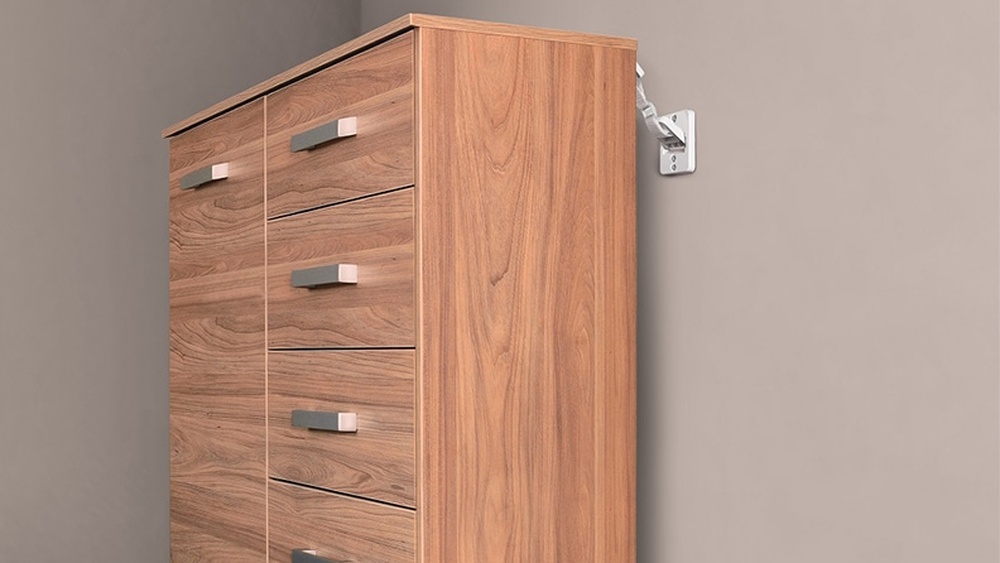
Are you struggling to hang heavy items securely on your walls? Using the right wall anchor can make all the difference.
Drive wall anchors are a simple, strong solution that you might not have tried yet. In this guide, you’ll learn exactly how to use drive wall anchors step-by-step, so your shelves, mirrors, or decorations stay firmly in place. Keep reading to discover easy tips that will save you time and prevent costly mistakes.
Your walls—and your belongings—will thank you.
Types Of Drive Wall Anchors
Drive wall anchors come in different types. Each type fits specific wall materials and holds different weights. Knowing these types helps you choose the right anchor for your project. This section explains the most common types of drive wall anchors.
Plastic Anchors
Plastic anchors are lightweight and easy to use. They work best in drywall and plaster walls. These anchors expand when you drive a screw into them. They hold light to medium weight items. Plastic anchors are affordable and widely available.
Metal Anchors
Metal anchors offer stronger support than plastic. They are made of steel or zinc. Metal anchors are good for heavier items and tougher walls. They resist rust and corrosion well. Use metal anchors for secure and long-lasting fixtures.
Heavy-duty Anchors
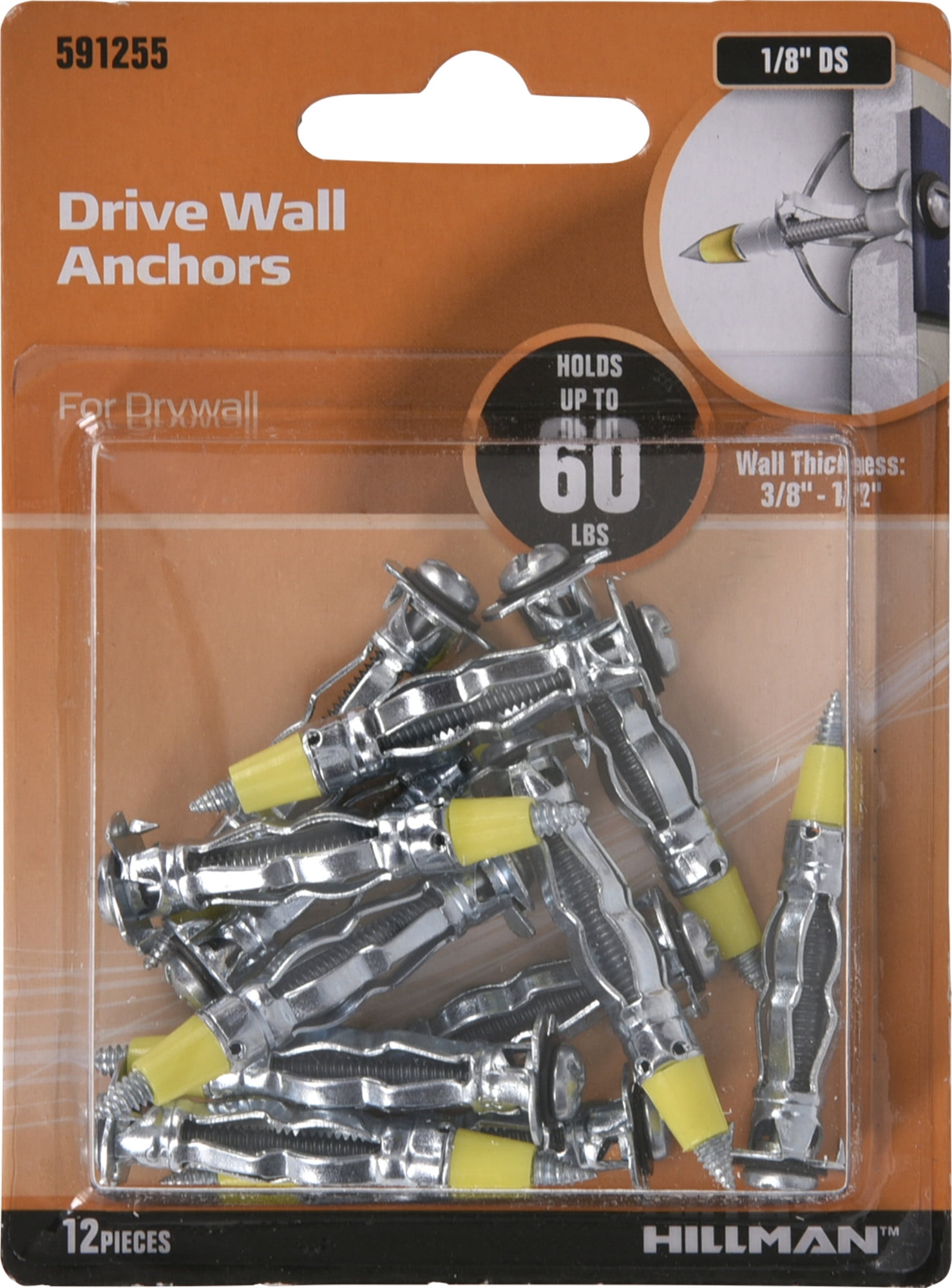
Heavy-duty anchors handle very heavy loads. They include toggle bolts and molly bolts. These anchors spread the load behind the wall. They work on drywall, plaster, and hollow walls. Heavy-duty anchors provide maximum strength and stability.
Credit: www.walmart.com
Tools Needed For Installation
Installing drive wall anchors requires a few simple tools. These tools help make the process smooth and safe. Prepare them before starting your project.
Drill And Drill Bits
A drill is essential for making holes in the wall. Choose a drill bit size that matches the anchor diameter. This ensures a snug fit and strong hold.
Hammer
Use a hammer to gently tap the anchor into the drilled hole. Tap until the anchor is flush with the wall surface. This step fixes the anchor firmly in place.
Screwdriver
A screwdriver helps drive screws into the anchor. Use a screwdriver that fits the screw head perfectly. This prevents slipping and damage during installation.
Choosing The Right Anchor
Choosing the right drive wall anchor is key for a strong and safe hold. Picking the wrong anchor can cause your fixture to fall or damage the wall. Consider the weight of the object and the type of wall before selecting an anchor. This ensures the anchor will support the load and fit the wall material properly.
Anchor Size And Weight Capacity
Drive wall anchors come in different sizes. The size affects how much weight they can hold. Choose an anchor size that matches the weight of your item. A small anchor may not support heavy objects well. Larger anchors offer more strength but need more space in the wall. Check the weight rating on the anchor package. Always pick an anchor with a capacity higher than your item’s weight.
Wall Material Considerations
Walls vary in material and thickness. Drywall, plaster, brick, and concrete all need different anchors. Drive anchors work best in drywall and hollow walls. For brick or concrete, use anchors made for masonry. The wall’s condition also matters. Old or damaged walls may need special anchors or extra support. Match the anchor type to your wall material for best results.
Preparing The Wall
Preparing the wall is the first step to secure drive wall anchors properly. This step helps ensure a strong hold and prevents damage to your wall. Take time to prepare carefully for a safe and lasting installation.
Start by choosing the right spot on the wall. Measure carefully and check for any obstacles hidden behind the surface. A well-prepared wall makes the whole process easier and more reliable.
Marking The Spot
Use a pencil to mark the exact spot on the wall where the anchor will go. Measure twice to avoid mistakes. This mark guides your drill and keeps the hole in the right place.
Use a level to make sure your marks are straight. This step is important when installing multiple anchors. Straight marks help keep your items aligned perfectly.
Drilling The Hole
Choose a drill bit that matches the size of the anchor. Using the correct size ensures a snug fit. Drill slowly to avoid cracking the wall.
Hold the drill steady and straight. Drill to the depth needed for the anchor to fit fully. Clean out the hole by removing dust and debris before inserting the anchor.
Installing Drive Wall Anchors
Installing drive wall anchors is a simple process that helps secure objects to drywall or hollow walls. These anchors provide strong support and prevent screws from pulling out. Proper installation ensures a firm hold and lasting durability.
Follow the steps carefully to install drive wall anchors correctly. This will make your mounting projects easier and more reliable.
Inserting The Anchor
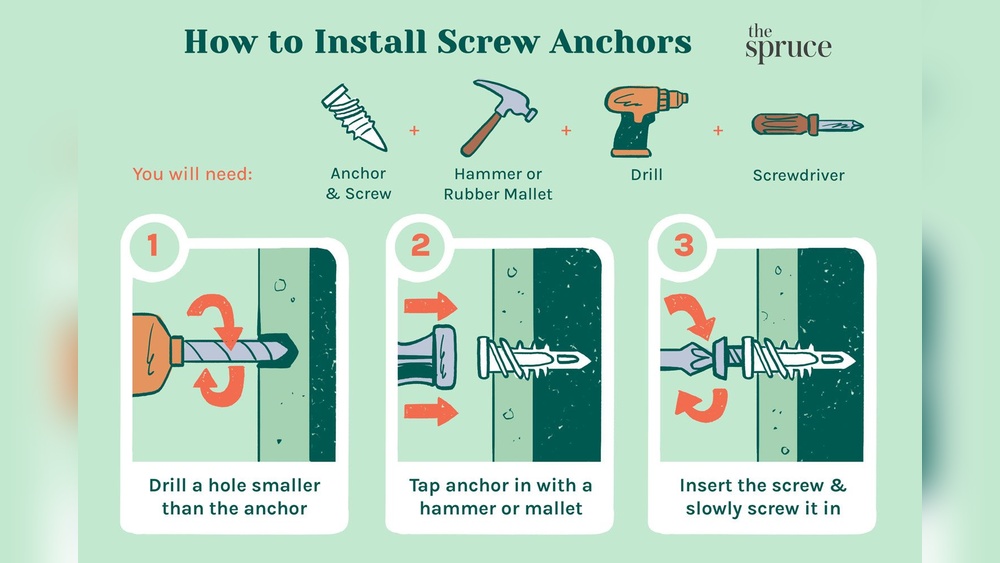
Start by drilling a hole in the wall. The hole size should match the anchor diameter. Push the anchor into the hole gently. Use your fingers or a small hammer to tap it in. The anchor should fit snugly without wobbling. Make sure it sits flush with the wall surface.
Driving The Anchor Flush
Use a screwdriver or a drill with the correct bit. Drive the anchor into the wall slowly. Stop when the anchor head is flush with the wall. Avoid overdriving, which can damage the wall or anchor. A flush anchor ensures a solid base for your screw or hook.
Securing Screws And Fixtures
Securing screws and fixtures with drive wall anchors ensures a strong and reliable hold. This step is key for keeping items firmly attached to walls. Proper technique prevents loosening and damage over time.
Selecting Screws
Choose screws that fit the anchor size exactly. Too small screws will not hold well. Too large screws can crack the anchor or wall. Use screws made of strong metal for durability. Make sure the length matches the thickness of the fixture and wall.
Tightening For Strong Hold
Insert the screw into the anchor carefully. Turn slowly to avoid stripping the anchor. Tighten until the fixture feels secure but not too tight. Over-tightening can break the anchor or damage the wall. Stop once you feel firm resistance for the best hold.
Common Installation Mistakes
Drive wall anchors are simple tools, but many make mistakes during installation. These errors reduce the anchor’s strength and can cause damage. Knowing common mistakes helps avoid problems and ensures a secure hold.
Some errors happen because of wrong tools or rushing the job. Others come from not following the right steps. Fixing these issues improves the safety and durability of your project.
Overdrilling
Overdrilling means making the hole too big. If the hole is larger than the anchor, the anchor will not fit tightly. This causes the anchor to slip or fall out under weight. Drill the exact size hole recommended for the anchor to keep it secure.
Using Wrong Anchors
Using the wrong type of anchor weakens the hold. Different anchors suit different wall materials like drywall, concrete, or brick. Choosing the wrong one can cause the anchor to fail. Always pick anchors designed for your wall type and the load you plan to support.
Improper Screw Tightening
Screws must be tightened just right. Too loose, and the anchor won’t grip properly. Too tight, and the anchor or wall can crack. Turn the screw until firm, but do not force it. This balance keeps the anchor stable and the wall intact.

Credit: www.youtube.com
Tips For Durable Mounting
Using drive wall anchors correctly ensures your mounted items stay secure and last longer. Follow simple tips to keep your mounts strong and safe. Small habits can prevent damage and reduce the need for repairs. These tips help your anchors hold firm over time.
Regular Inspection
Check your mounts often. Look for any signs of loosening or damage. Tighten screws if they feel loose. Replace anchors if you see cracks or wear. Regular checks keep your items safe and steady.
Avoiding Overloading
Do not put too much weight on the anchors. Know the weight limit of each anchor before use. Heavy items need stronger or more anchors. Overloading can cause anchors to pull out or break. Spread the weight evenly to protect your walls and anchors.

Credit: www.andersonlumbercompany.com
Frequently Asked Questions
What Are Drive Wall Anchors Used For?
Drive wall anchors secure objects to drywall or hollow walls. They provide strong holding power without needing studs. They are ideal for hanging shelves, mirrors, or artwork safely.
How Do You Install Drive Wall Anchors?
First, drill a pilot hole slightly smaller than the anchor. Then, insert the anchor and tap it flush with the wall. Finally, drive the screw into the anchor to expand and lock it in place.
Can Drive Wall Anchors Hold Heavy Items?
Yes, drive wall anchors can hold moderate to heavy items. However, weight capacity varies by anchor size and wall type. Always check the manufacturer’s weight limit for safe use.
Are Drive Wall Anchors Reusable After Removal?
No, drive wall anchors are not reusable once removed. Removing them damages the anchor and the wall. For reuse, install a new anchor in a different spot.
Conclusion
Drive wall anchors make hanging items easier and safer. Choose the right anchor for your wall type. Always follow the steps carefully for best results. Using anchors improves stability and prevents damage. Small effort leads to strong, secure mounting. Try these tips to complete your project smoothly.
Keep tools ready and work with patience. Now, your walls can hold shelves, pictures, and more. Simple, reliable, and effective—anchors help every home task.