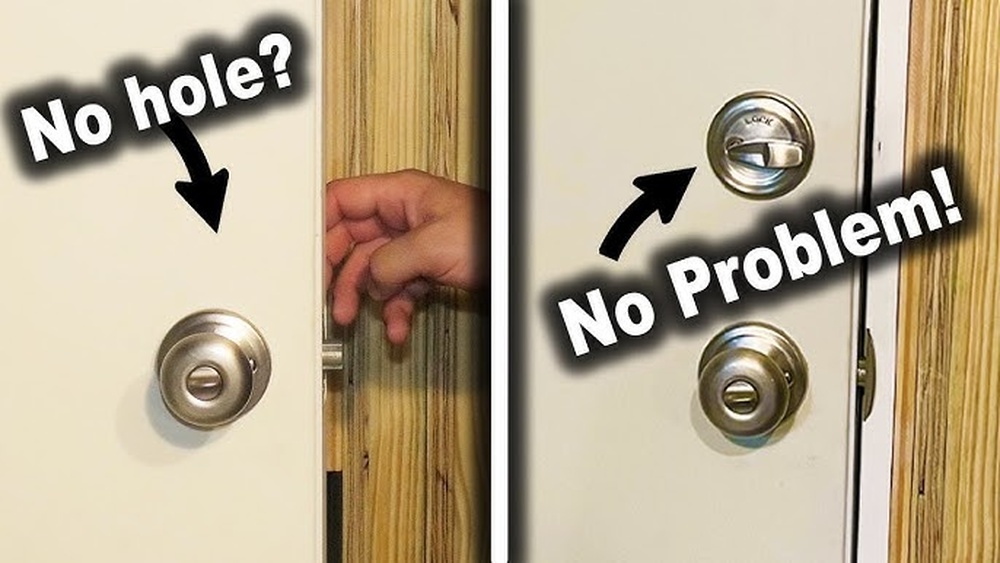
Locked out and staring at a deadbolt with no key? It’s a frustrating situation that can happen to anyone.
But don’t panic—there are smart, simple ways you can try to get inside without damaging your lock or door. In this guide, you’ll discover practical tips and easy tricks that anyone can use to unlock a deadbolt quickly and safely.
Keep reading, and you’ll be back inside before you know it.

Credit: www.art-of-lockpicking.com
Tools You Might Need
Getting into a deadbolt without a key needs the right tools. These tools help you try different methods to open the lock. Some tools are easy to find at home. Others are made specifically for locks. Knowing what tools to use makes the process smoother and safer.
Common Household Items
Many household items can assist in opening a deadbolt. Paperclips are thin and flexible. They can act as makeshift lock picks or tension wrenches. A small flathead screwdriver can help turn the lock cylinder. Bobby pins work like paperclips but are stronger. A credit card might slip between the door and frame to push the bolt back. These items are simple and often nearby in emergencies.
Specialized Lock Picking Tools
Lock picking sets include tools made just for locks. They often have tension wrenches and various picks. The rake pick moves pins quickly inside the lock. The hook pick lifts each pin individually. These tools require practice to use well. They provide more control and better chances to open the deadbolt without damage. Professionals and hobbyists usually carry these sets.
Assessing The Lock Type
Before trying to open a deadbolt without a key, start by assessing the lock type. Knowing what kind of deadbolt you face helps you decide the best way to handle it. Each deadbolt has unique features and levels of difficulty. This knowledge saves time and effort.
Identifying Deadbolt Varieties
There are three common deadbolt types: single-cylinder, double-cylinder, and lockable thumbturn. Single-cylinder deadbolts use a key outside and a thumbturn inside. Double-cylinder deadbolts need a key on both sides. Lockable thumbturn deadbolts can be locked or unlocked by a key from inside.
Look at the door closely. See if there is a keyhole on one or both sides. Check if the inside has a thumbturn or a keyhole. This helps identify the deadbolt variety quickly.
Determining Lock Complexity
Deadbolts vary in complexity. Basic deadbolts have simple mechanisms. More advanced ones include anti-pick pins or reinforced materials. These features make opening without a key harder.
Examine the lock’s design. Notice the number of pins or the thickness of the bolt. Check if the lock has extra security features like bump resistance. This gives clues about the lock’s difficulty level.
Using A Credit Card
Using a credit card is a common trick to open some locked doors without a key. This method works best on spring bolt locks, not on deadbolts. It takes patience and the right technique to slide the card between the door and frame. With care, you can push the latch back and open the door.
Step-by-step Sliding Technique
Choose a flexible plastic card, like a store loyalty card. Avoid your credit or debit cards to prevent damage. Insert the card between the door and the frame near the latch.
Hold the card firmly and bend it away from the door. Push the card down and wiggle it back and forth. Try to slide the card behind the latch.
Apply steady pressure while pushing the door. The latch should retract, allowing the door to open. Repeat the steps if it does not work the first time.
When This Method Works Best
This method works only on doors with spring latch locks. It cannot open deadbolts, as they lock firmly in place. Use this technique on doors that close without a key.
Doors with a tight frame or metal latch will be hard to open. It works better on wooden doors with some space between the door and frame. Try this method only in emergencies or with permission.
Lock Picking Basics
Understanding lock picking basics helps you open a deadbolt without a key. It involves manipulating the lock’s pins to align them correctly. This lets the lock turn and open. Two common techniques include the raking method and single pin picking. Each method uses different tools and approaches. Learning these can save time and effort during emergencies.
Raking Method
The raking method is a quick way to pick simple locks. It uses a rake tool with a jagged edge. Insert the rake into the keyhole and move it back and forth. This motion pushes the pins up and down rapidly. Some pins catch at the shear line, allowing the lock to turn. It works best on worn or low-security locks. Practice helps improve speed and success rate.
Single Pin Picking
Single pin picking is a precise method using a hook pick. It targets one pin at a time inside the lock. First, apply light tension with a tension wrench. Then, lift each pin slowly until it sets above the shear line. Feel for a slight click or resistance release. Repeat for all pins in the lock cylinder. This technique takes patience but works on most deadbolts. It requires more skill than raking but gives better control.
Bump Key Method
The bump key method is a way to open a deadbolt lock without the original key. This technique uses a special key called a bump key. The bump key fits into the lock and helps move the pins inside. With a small tap, the lock can turn and open. This method is fast and needs some practice to get right.
How Bump Keys Work
A bump key looks like a regular key but has all the cuts at the lowest point. When inserted into the lock, it pushes the pins to the shear line. A quick bump with a tool sends a small force to the pins. This force makes the pins jump up briefly. At that moment, turning the key can open the lock. The process needs a precise tap and some skill.
Safety And Legal Considerations
Using a bump key on a lock you do not own is illegal. It can cause damage to the lock if done wrong. Always get permission before trying this method. It is meant for emergencies or professional use only. Misuse can lead to fines or legal trouble. Handle bump keys responsibly and with care.
Alternative Entry Techniques
Sometimes, you need to get inside without a key. Alternative entry techniques can help in such cases. These methods do not require special tools or skills. They are simple and practical. Understanding these can save time and frustration.
Using A Screwdriver
A screwdriver can help open a door with a deadbolt in some cases. Start by removing the screws from the door handle or lock plate. Then, insert the screwdriver into the gap between the door and the frame. Gently twist or push to move the bolt back. This technique works best on older or less secure deadbolts. Be careful not to damage the door or frame.
Removing The Door Knob
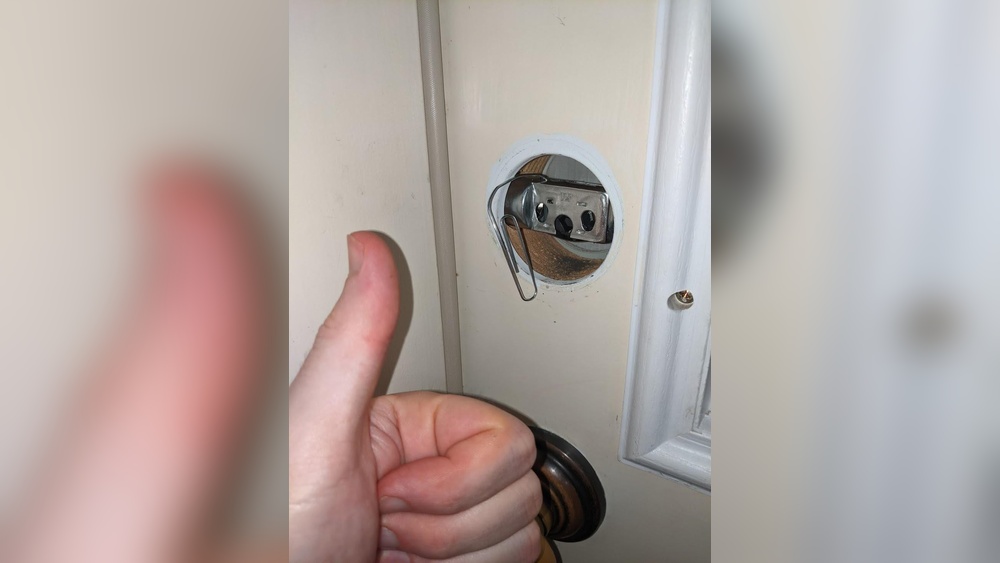
Removing the door knob is another way to enter. Locate the screws on the knob and unscrew them. Pull the knob off to expose the lock mechanism. Sometimes, you can reach the deadbolt’s locking part from here. Use a flat tool to push or pull the bolt. This method is useful for doors with standard knobs and simple locks. It requires patience and gentle handling.
When To Call A Professional
Knowing when to call a professional locksmith can save time and prevent damage. Trying to force a deadbolt open without the right skills often causes more problems. Professionals have the tools and experience to handle tough lock situations safely.
Signs You Need Expert Help
When the deadbolt won’t budge after several tries, it’s time to stop. Broken keys stuck inside the lock require special tools to remove. If the lock looks damaged or rusted, forcing it might worsen the issue. Strange noises or resistance during turning signal internal problems. Professionals can assess and fix these issues without damage.
Choosing A Reliable Locksmith
Look for locksmiths with good reviews and proper licensing. A trustworthy locksmith provides clear pricing before work begins. Fast response time matters, especially in emergencies. Check if the locksmith offers guarantees on their work. Avoid locksmiths who ask for full payment upfront or use aggressive tactics.
Credit: locksmithexpresssc.com
Preventing Lockouts In The Future
Lockouts can be frustrating and stressful. Taking simple steps can help avoid this problem. Planning ahead saves time and worry. Small actions today keep you safe tomorrow.
Spare Keys And Key Hiding Spots
Keep a spare key in a safe place. Give one to a trusted friend or neighbor. Choose hiding spots carefully. Avoid obvious places like under the doormat. Use creative spots like inside a fake rock or a lockbox. Change hiding spots if you move or lose trust.
Smart Lock Options
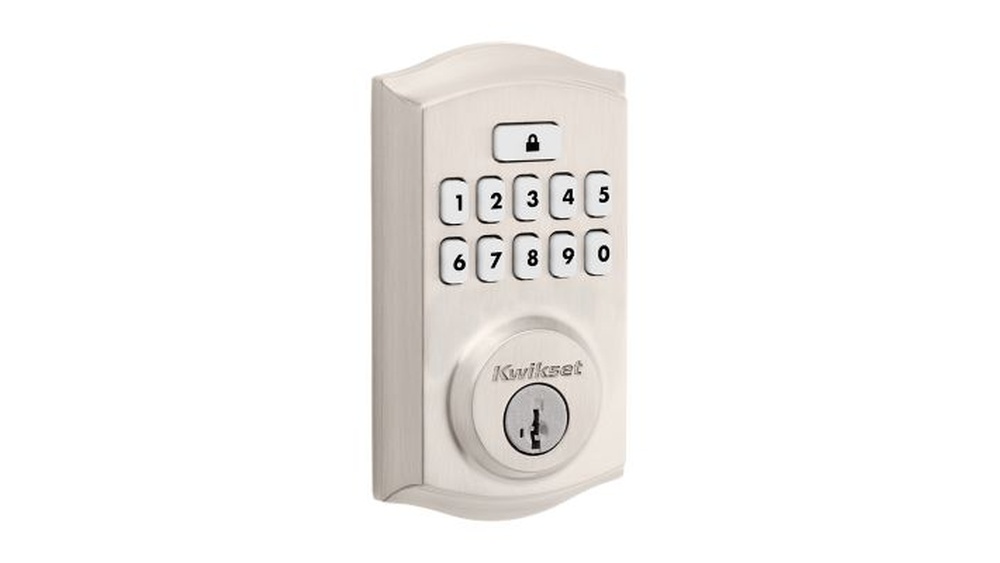
Smart locks offer keyless entry. Use a code or a phone app to open your door. These locks reduce the chance of losing keys. Some models allow temporary access for guests. Choose locks with strong security features. Make sure your phone and lock batteries stay charged.

Credit: www.youtube.com
Frequently Asked Questions
How Can I Unlock A Deadbolt Without A Key?
You can unlock a deadbolt by using lock picking tools, bump keys, or credit card techniques. However, these methods require skill and care to avoid damage. Calling a locksmith is often the safest and most efficient option if you are locked out.
Is It Legal To Open A Deadbolt Without A Key?
Opening a deadbolt without a key is legal only if it’s your property or you have permission. Unauthorized entry is illegal and punishable by law. Always ensure you have the right to access the property before attempting any unlocking methods.
What Tools Are Needed To Pick A Deadbolt Lock?
Common tools include a tension wrench and a hook pick. These help manipulate the lock pins inside the cylinder. Specialized lock picking sets are available online, but practice and knowledge are essential for success without causing damage.
Can I Use A Bump Key To Open A Deadbolt?
Yes, a bump key can open some deadbolt locks by jolting the pins inside. However, bump keys don’t work on all models, and improper use can damage the lock. Professional help is recommended if you are unfamiliar with this method.
Conclusion
Getting into a deadbolt without a key can be tricky but not impossible. Always stay calm and think through your options. Use simple tools carefully to avoid damage. Remember, trying too hard can break the lock or door. If you feel stuck, calling a professional locksmith is wise.
Practice safety and respect property rules. Knowing these tips helps you handle lockouts better next time. Keep this guide handy for emergencies.