Are you looking to hang something on your wall but don’t know how to drill hooks safely and securely? You’re not alone.
Drilling hooks into a wall might seem simple, but doing it the right way can save you from damage and frustration. In this guide, you’ll learn easy, step-by-step tips to get the job done quickly and confidently. By the end, you’ll have the skills to hang your favorite items without worry.
Keep reading to discover how to make your walls work for you!
Choose The Right Hook
Choosing the right hook is very important before drilling into the wall. The right hook keeps your items safe and secure. It also prevents damage to walls and belongings. Consider the type, weight capacity, and material of the hook for the best results.
Types Of Hooks
Hooks come in many styles. Some have sharp points for wood walls. Others have screw threads for drywall or plaster. There are adhesive hooks for light items. Choose a hook that fits the wall type and the item you want to hang.
Weight Capacity
Each hook can hold a certain weight. Check the label or packaging for weight limits. Use heavier-duty hooks for heavy items like shelves or large frames. Light hooks work well for keys or small decorations. Always pick a hook with a higher weight rating than your item.
Material Considerations
Hooks come in metal, plastic, or wood. Metal hooks are strong and long-lasting. Plastic hooks are usually lighter and cheaper. Wood hooks offer an aesthetic look but may not hold heavy items. Choose the material based on strength and wall type.
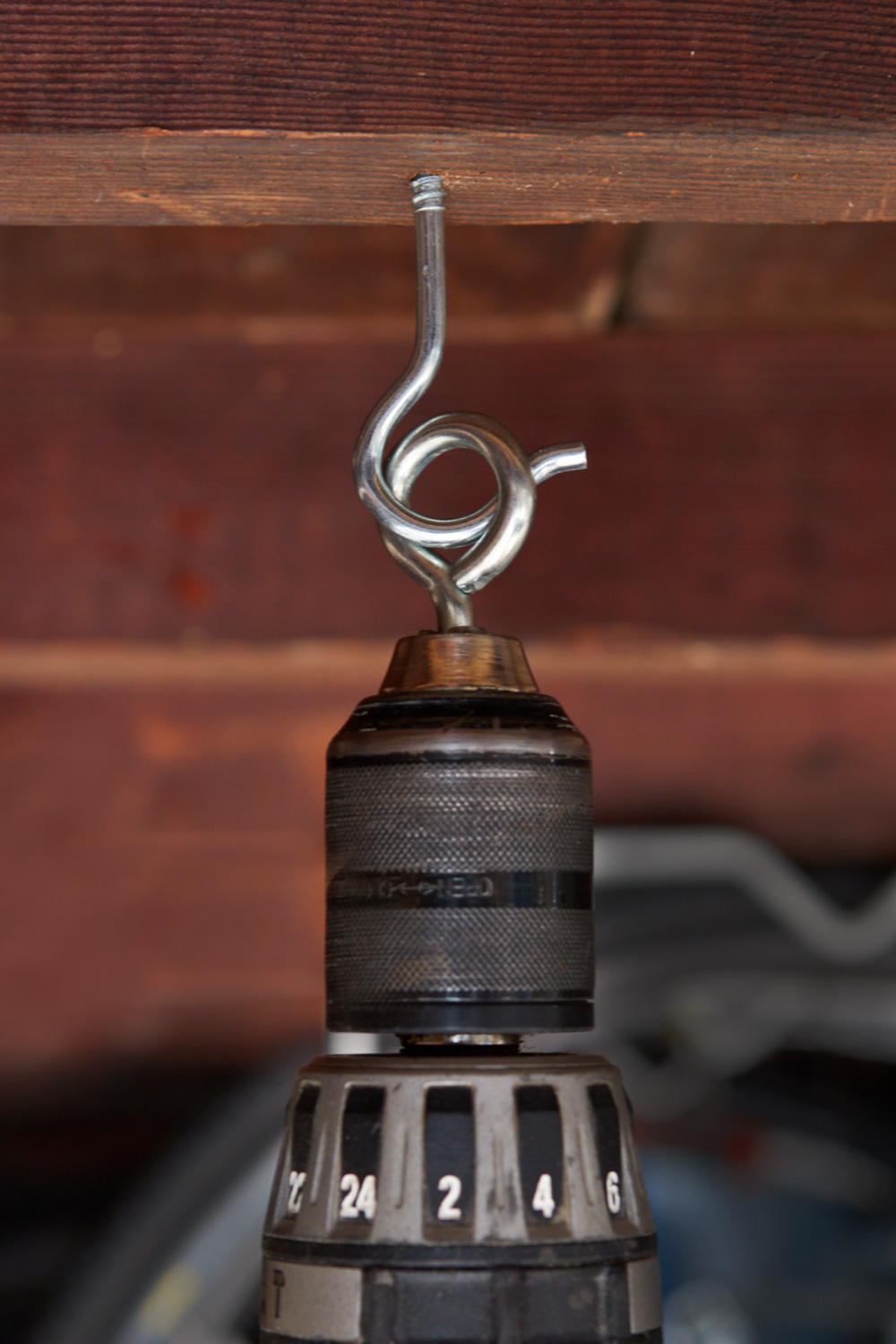
Credit: www.manmadediy.com
Gather Necessary Tools
Before drilling hooks into a wall, gathering the right tools is key. Proper tools make the task easier and safer. This section explains the essential items needed for this job.
Drill Selection
Choose a drill that fits your wall type. A cordless drill offers good control and mobility. Make sure it has adjustable speed settings for precision. Avoid heavy drills for small jobs. A lightweight drill helps reduce fatigue.
Drill Bits
Select drill bits based on wall material. Use masonry bits for brick or concrete walls. Wood bits work best for drywall or wooden surfaces. Pick the correct size for your hook anchors. Proper bit size ensures a tight fit and strong hold.
Safety Gear
Wear safety glasses to protect your eyes from dust and debris. Use gloves to shield your hands from sharp edges and rough surfaces. A dust mask keeps you safe from inhaling fine particles. Always prioritize safety to avoid accidents during drilling.
Prepare The Wall
Preparing the wall is the first step to drilling hooks safely and securely. It helps avoid damage and ensures the hook holds well. Take time to get this right before drilling.
Clear the area and gather your tools. Careful preparation saves time and effort later.
Locate Studs Or Anchors
Studs are wooden beams behind drywall that hold weight well. Use a stud finder to locate them. Mark these spots clearly. If no studs are available, choose wall anchors for support. Anchors help hooks stay tight in drywall.
Mark Drill Spots
Use a pencil to mark exact drill points. Measure twice to ensure accuracy. Make marks small but visible. Correct placement avoids crooked hooks and wall damage. Double-check your marks before drilling.
Check For Wires And Pipes
Wires and pipes run inside walls and can be dangerous. Use a wire detector to find them. Avoid drilling near electrical wires and plumbing. Drilling into them can cause shocks or leaks. Always check carefully to stay safe.
Drill The Hole
Drilling the hole is the key step to hang hooks securely. It needs care and attention for a strong hold. This part makes sure the hook stays in place and supports weight safely. Follow these simple steps to drill the perfect hole.
Set Drill Speed
Choose the right speed for your drill. Slow speed works best for hard walls like concrete. Use medium speed for wood or drywall. High speed may damage the wall or drill bit. Keep control and steady pressure.
Drill At Correct Angle
Hold the drill straight to the wall. A 90-degree angle gives the cleanest hole. Avoid tilting the drill sideways. A crooked hole weakens the hook’s grip. Keep your hand steady and drill slowly.
Clean The Hole
Remove dust and debris from the hole. Use a small brush or blow air inside. A clean hole helps the hook fit tightly. Dust can stop the hook from staying firm. Check the hole before inserting the hook.
Insert Anchors
Inserting anchors is a key step when drilling hooks into a wall. Anchors provide strong support and prevent hooks from loosening or falling out. They hold the hook firmly, especially on drywall or hollow walls. Choosing and installing anchors correctly ensures your hook stays secure.
Types Of Anchors
Plastic anchors are common and easy to use. They work well for light to medium loads. Metal anchors offer stronger support for heavier items. Toggle bolts expand behind the wall for extra grip. Self-drilling anchors screw directly into drywall without pre-drilling. Pick the anchor type based on your wall and load.
Proper Installation
Start by drilling a hole that matches the anchor size. Clean any dust from the hole to help the anchor grip better. Gently tap plastic anchors into the hole until flush with the wall. For metal anchors, screw them in carefully to avoid damage. Toggle bolts require folding the wings before inserting. Follow the specific instructions for each anchor type.
Testing Anchor Stability
After installing anchors, test their hold before hanging anything heavy. Pull lightly on the anchor or hook to check firmness. If the anchor moves or feels loose, remove and reinstall it. Secure anchors prevent damage to walls and keep your items safe. Always ensure anchors hold well before use.

Credit: www.wikihow.com
Attach The Hook
Attaching the hook to the wall is the final step. It secures your hook firmly. This step ensures your hook can hold weight safely. Follow these simple actions to attach your hook correctly.
Screw In The Hook
Start by placing the hook at the drilled hole. Turn the hook clockwise to screw it in. Use your hand or a screwdriver for better grip. Keep turning until the hook feels tight. Avoid over-tightening to prevent damage.
Ensure Secure Fit
Check if the hook is steady and does not wobble. Give it a gentle shake to test stability. If loose, tighten it a bit more. A secure hook supports the items you hang safely. Proper fit stops the hook from falling out.
Adjust Hook Position
Look at the hook’s angle on the wall. Adjust it so it faces the correct direction. Slight turns can make hanging easier. Make sure it is comfortable to use. Position the hook for best support and balance.
Test The Hanging
Testing the hanging is a key step after drilling hooks into the wall. It ensures the hook holds the item safely. This step helps avoid accidents and damage.
Check the hook’s strength carefully. Confirm it supports the weight without slipping. This simple test saves time and effort later.
Apply Gradual Weight
Start by hanging a light item on the hook. Slowly increase the weight little by little. Watch how the hook responds to added pressure.
This method shows if the hook can handle the full weight. Avoids sudden falls or wall damage.
Check For Movement
Look closely at the hook and wall area. Notice any wiggle or shift under weight. Even small movements can signal a problem.
Movement means the hook is not secure. The item could fall or the wall could crack.
Make Adjustments If Needed
If the hook moves or feels loose, fix it right away. Tighten screws or try a stronger anchor. You might need a different hook type.
Repeat the weight test after each change. Keep adjusting until the hook stays firm and steady.
Safety Tips
Drilling hooks into walls can be simple but requires care. Safety is key to avoid injuries and damage. Follow these tips to stay safe and get the job done right.
Protect yourself and your home by using the right tools and techniques. Keep these safety tips in mind before you start drilling.
Wear Protective Gear
Always wear safety glasses to protect your eyes from dust and debris. Use gloves to keep your hands safe. Ear protection helps if the drill is loud. Safety gear reduces risks and keeps you safe.
Use Proper Tools
Choose the right drill bit for your wall type. Use a drill with adjustable speed for better control. Check tools for damage before use. Proper tools make the job easier and safer.
Avoid Overloading Hooks
Check the weight limit of each hook before use. Do not hang items heavier than the hook can hold. Overloading can cause hooks to pull out and damage walls. Keep loads within limits for safety.

Credit: www.wikihow.com
Frequently Asked Questions
How Do I Choose The Right Drill Bit Size?
Select a drill bit slightly smaller than the hook’s screw diameter. This ensures a snug fit and secure hold. Check the hook packaging for recommended drill bit sizes. Using the correct size prevents wall damage and improves hook stability.
Can I Drill Hooks Into Drywall Without Anchors?
Drywall alone may not support heavy hooks. Use wall anchors or toggle bolts for better strength. For light items, small hooks can work without anchors. Always assess the hook’s weight and wall type before drilling.
What Safety Precautions Should I Follow When Drilling?
Wear safety goggles to protect your eyes from dust and debris. Use a dust mask if needed. Keep your hands clear of the drill bit. Ensure the drill is unplugged when changing bits. Work in a well-lit area for accuracy.
How Deep Should I Drill For Wall Hooks?
Drill just deep enough to fit the hook’s screw length. Over-drilling can weaken the wall and reduce holding power. Measure the hook’s screw before drilling. Mark the depth on the drill bit with tape to avoid drilling too deep.
Conclusion
Drilling hooks into a wall is simple with the right steps. Always choose the proper drill bit and anchors for your wall type. Mark the spot clearly and drill carefully to avoid damage. Tighten hooks firmly but don’t force them.
This helps your hooks stay strong and hold weight safely. With a little care, your hooks will last a long time. Now, you can hang items neatly and keep your space organized. Practice makes perfect, so try these tips next time you need to hang something.
Easy and effective.