Is your light switch making an annoying buzzing sound? That constant buzz can be distracting and even make you worry about your home’s safety.
But don’t worry—you don’t have to live with that irritating noise or call an electrician right away. You’ll learn simple and effective steps to fix a buzzing light switch quickly and safely. Keep reading, and you’ll soon enjoy a quiet, hassle-free home lighting experience.
Credit: www.casteelair.com
Causes Of A Buzzing Light Switch
A buzzing light switch can be annoying and may signal a problem. Understanding the causes helps fix the issue safely. Many factors can cause the buzzing sound. Some are simple to fix, while others need professional help.
Loose Wiring
Loose wiring inside the switch can cause buzzing. Wires not connected tightly create electrical noise. This can be dangerous and may cause sparks. Checking the wires and tightening them stops the buzz.
Faulty Switch
A faulty switch often makes buzzing sounds. The internal parts wear out over time. Replacing the switch usually solves the problem. Do not ignore a switch that buzzes continuously.
Overloaded Circuit
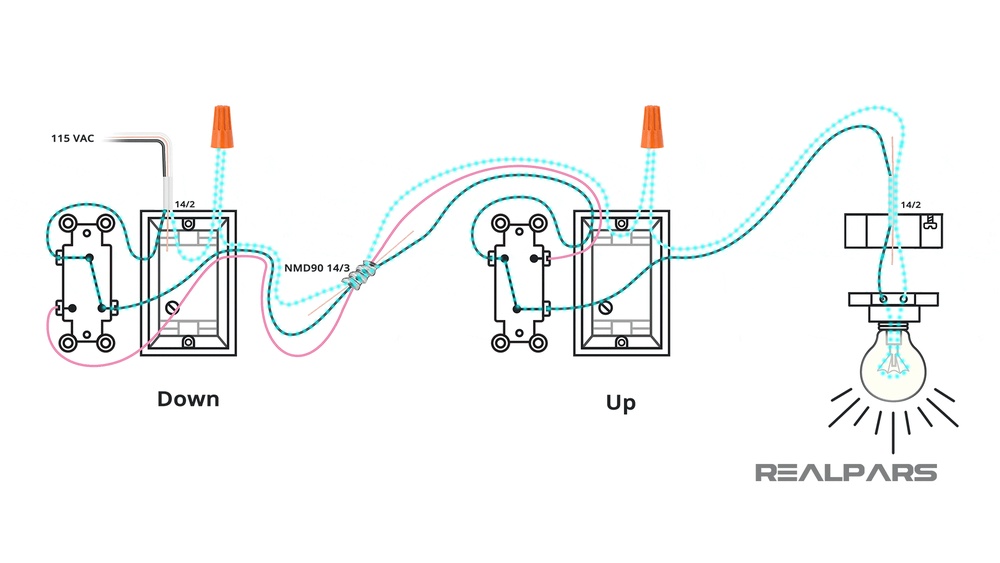
Too many devices on one circuit cause buzzing. The electric current struggles to flow properly. Overloading can damage switches and lights. Reducing the load or adding circuits helps.
Dimmer Switch Issues
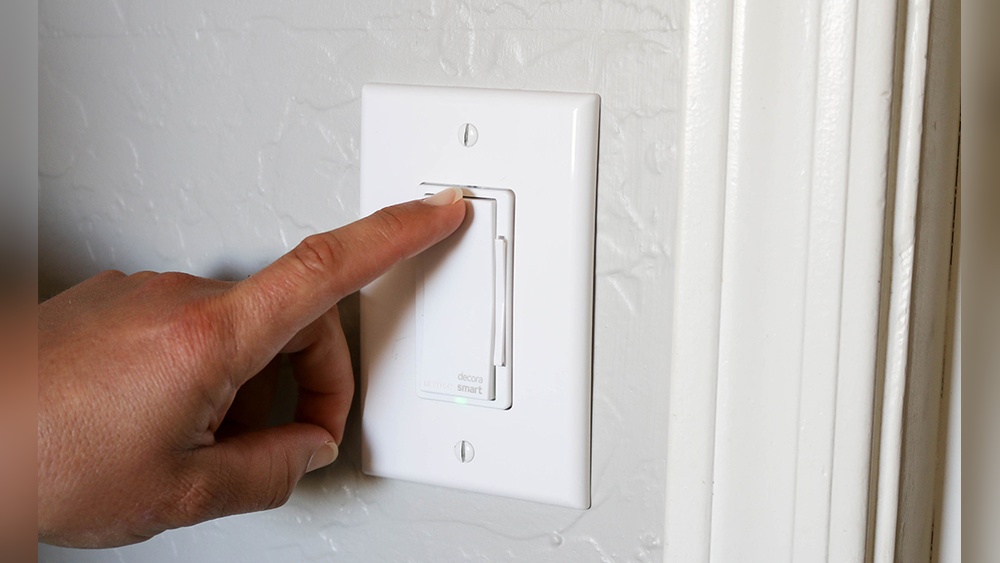
Dimmer switches can buzz if not compatible with bulbs. Some bulbs do not work well with dimmers. The switch may also be old or broken. Using the right bulbs or replacing the dimmer stops buzzing.

Credit: www.parkerandsons.com
Safety Precautions
Fixing a buzzing light switch requires care and attention. Safety must be the top priority. Electrical work can be risky without proper steps. Follow these safety precautions to protect yourself from harm.
Turn Off Power
Always switch off the power at the circuit breaker. This stops electricity from flowing to the switch. Confirm that the power is off before touching any wires. This simple step prevents shocks and accidents.
Use Proper Tools
Use tools designed for electrical work. Insulated screwdrivers and pliers are best. These tools protect you from electric shocks. Avoid using regular tools that can conduct electricity.
Check For Live Wires
Use a voltage tester to check for live wires. Test all wires in the switch box. Never assume wires are safe without testing. This step ensures no current is present during work.
Tools Needed For Repair
Fixing a buzzing light switch requires a few basic tools. These tools make the repair safe and easy. Having the right tools helps you avoid mistakes and saves time. Below are the key tools needed for this job.
Screwdrivers
Screwdrivers help remove the switch cover and screws. A flathead and a Phillips screwdriver are usually needed. These tools let you access the switch safely and securely.
Voltage Tester
A voltage tester checks if the power is off. It keeps you safe by confirming no electricity flows to the switch. Always test before touching any wires.
Wire Strippers
Wire strippers remove insulation from electrical wires. This tool prepares wires for connection to the new switch. It ensures clean, precise wire ends.
Replacement Switch
A replacement switch is needed if the old one is faulty. Choose a switch that matches your current setup. This ensures proper function and safety.

Credit: www.youtube.com
Step-by-step Fixes
A buzzing light switch can be annoying and may signal an electrical issue. Fixing it is often simple. Follow these clear steps to solve the problem safely and effectively.
Tightening Loose Wires
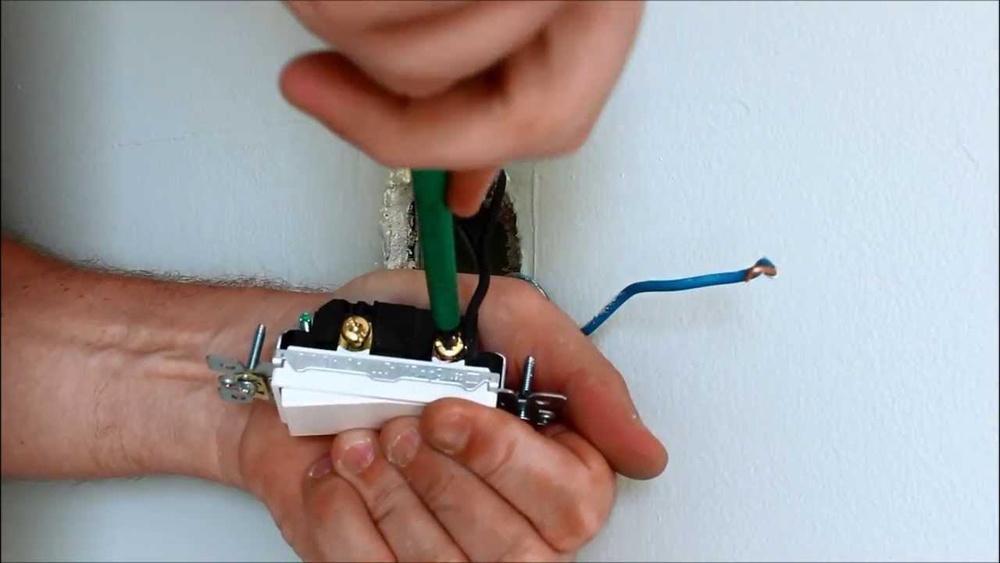
Start by turning off the power to the switch at the breaker. Remove the switch cover carefully. Check for any loose wires connected to the switch terminals. Use a screwdriver to tighten any loose screws holding the wires. Loose connections often cause buzzing sounds. Once secure, replace the cover and turn the power back on. Test the switch to see if the buzzing stops.
Replacing The Switch
If tightening wires does not stop the buzz, the switch may be faulty. Turn off the power again for safety. Remove the old switch by disconnecting the wires. Install a new switch that matches the old one. Attach the wires to the new switch screws tightly. Put the cover back on. Restore power and check the switch for any buzzing noise.
Adjusting Or Replacing Dimmer
Buzzing often happens with dimmer switches. Dimmer switches control light brightness but can cause noise if not compatible with bulbs. Adjust the dimmer settings to lower the buzz. If buzzing continues, replace the dimmer with a newer, compatible model. Use bulbs that work well with dimmers, like LED or CFL bulbs made for dimming.
Reducing Circuit Load
Too many devices on one circuit can cause buzzing. Identify other devices sharing the same circuit. Unplug some devices to reduce the electrical load. This can ease strain and stop the buzzing noise. If needed, consult an electrician to add more circuits or balance the load safely.
When To Call An Electrician
Knowing when to call an electrician is important for your safety and your home’s electrical system. Some buzzing sounds from a light switch can be fixed easily, but others need professional help. Understanding the signs that require expert care can save you trouble and danger.
Persistent Buzzing
If the buzzing sound does not stop after you try simple fixes, call an electrician. Persistent buzzing often means there is a deeper electrical problem. Ignoring it can cause more damage or even fire risks.
Complex Wiring Issues
Buzzing can come from wiring problems inside the walls. These are hard to see and fix without special tools and knowledge. An electrician can find and repair these issues safely and correctly.
Safety Concerns
Buzzing switches can signal dangerous electrical faults. Sparks, burning smells, or flickering lights are signs to stop and call an electrician. Your safety must come first to avoid shocks or fires.
Preventing Future Buzzing
Preventing buzzing in light switches is key to a quiet and safe home. Small actions can stop the noise from starting again. Regular checks and smart choices keep switches working well. This saves time and avoids electrical risks.
Regular Maintenance
Check switches often for signs of wear or damage. Tighten loose screws to ensure good contact. Clean dust and dirt around switches to avoid interference. Replace old or faulty switches before problems grow. Regular care stops buzzing before it starts.
Using Quality Switches
Choose switches made with good materials and solid design. Cheap switches often cause buzzing and fail quickly. Look for switches that fit your home’s electrical needs. High-quality switches last longer and stay silent. Investing in better switches prevents future issues.
Avoiding Overloading Circuits
Do not connect too many devices to one circuit. Overloaded circuits cause switches to buzz and heat up. Spread electrical load across different circuits in your home. Use power strips with surge protection for multiple devices. Keeping circuits balanced reduces buzzing and enhances safety.
Frequently Asked Questions
Why Is My Light Switch Buzzing?
A buzzing light switch often indicates loose wiring or a faulty switch. It can also be caused by incompatible dimmer switches or overloaded circuits. Identifying the exact cause helps prevent electrical hazards and ensures safety.
How Can I Stop A Buzzing Light Switch?
To stop buzzing, first turn off power at the circuit breaker. Tighten all wiring connections and replace faulty switches. Use compatible dimmers for LED bulbs. If unsure, call a licensed electrician to avoid risks.
Is A Buzzing Light Switch Dangerous?
Yes, a buzzing switch can indicate electrical issues like loose wiring or overload. Ignoring it may cause shocks, fires, or damage. Always inspect promptly and fix or replace the switch to maintain safety.
Can Changing The Light Bulb Fix Buzzing?
Sometimes, yes. Buzzing can occur due to incompatible or faulty bulbs, especially LEDs with dimmers. Replacing the bulb with a compatible one may stop the noise. Check bulb specifications for compatibility with your switch.
Conclusion
Fixing a buzzing light switch can improve your home’s comfort. Start by turning off the power for safety. Check the switch and wiring for loose connections or damage. Replace old or faulty switches with new ones. Simple steps can stop the annoying buzz quickly.
A quiet home feels more peaceful and safe. Take action soon to avoid bigger problems later. Small fixes make a big difference in your daily life. Stay safe and keep your home running smoothly.