Are you ready to take control of your home’s lighting but don’t know where to start? Assembling a light switch might sound tricky, but with the right steps, you can do it yourself quickly and safely.
Imagine flipping a switch you installed with your own hands—feeling that sense of accomplishment and saving money at the same time. This guide will walk you through every step, making the process clear and simple. Keep reading, and by the end, you’ll have the confidence to upgrade your space with a perfectly installed light switch.
Tools Needed
Before assembling a light switch, gather the right tools. Using proper tools makes the job safer and easier. It helps avoid damage to the switch and wiring.
Each tool has a specific role. Knowing which tool to use saves time and frustration.
Screwdriver
A screwdriver is essential to remove and tighten screws. A flathead or Phillips screwdriver works for most light switches. Choose the right size to avoid stripping screws.
Wire Stripper
Wire strippers remove the insulation from wires. They expose the copper wire for connection. Using wire strippers prevents damage to the wire itself.
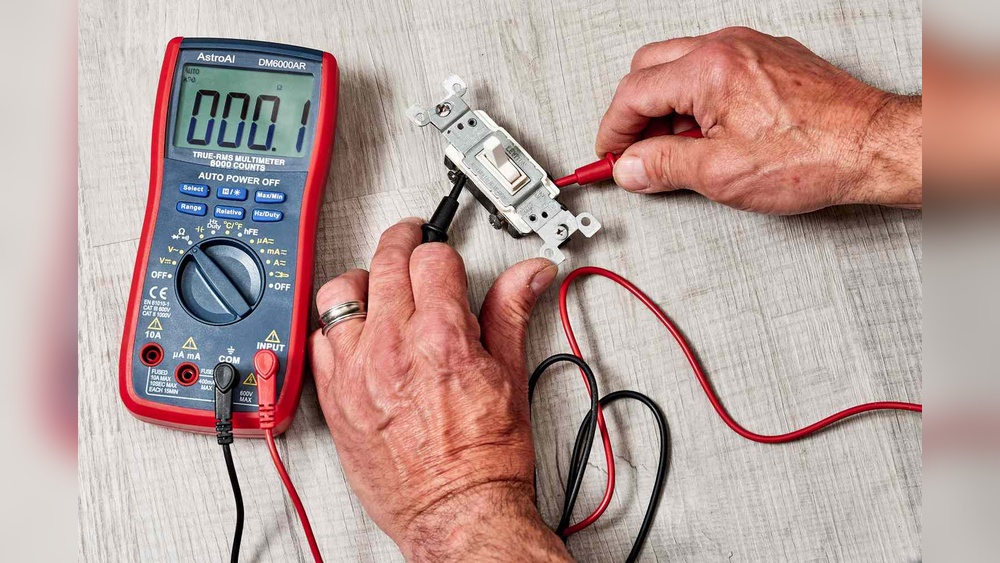
Voltage Tester
A voltage tester checks if wires have electricity. It ensures the power is off before working. This tool keeps you safe from electric shock.
Needle-nose Pliers
Needle-nose pliers help bend and twist wires. They allow precise wire placement on terminals. This tool improves control during assembly.
Electrical Tape
Electrical tape insulates wire connections. It prevents short circuits and protects exposed wires. Use it to secure wire nuts and bare wires.
Credit: www.dummies.com
Safety Precautions
Safety is the top priority when assembling a light switch. Working with electricity can be dangerous without proper care. Taking the right precautions protects you and your home from harm.
Follow clear steps to avoid electric shocks and other accidents. Understanding safety rules makes the process safer and easier.
Turn Off The Power
Always switch off the main power at the circuit breaker. This cuts electricity to the switch you will work on. Use a tester to confirm the power is off. Never trust the switch’s off position alone.
Use Insulated Tools
Use tools with insulated handles to prevent shocks. These tools protect you if you touch a live wire by mistake. Avoid using metal or worn-out tools.
Wear Safety Gear
Wear rubber gloves and safety glasses before starting. Gloves help stop electric shocks. Glasses protect your eyes from dust or sparks.
Work In A Dry Area
Keep the work area dry at all times. Water conducts electricity and raises the risk of shock. Avoid working with wet hands or on wet floors.
Follow Manufacturer Instructions
Read the switch’s manual carefully before assembling. Each model may have specific steps or warnings. Following instructions reduces mistakes and accidents.
Turn Off Power
Turning off the power is the first and most important step before assembling a light switch. It keeps you safe from electric shocks. Never skip this step. Working with live wires can cause serious injury or damage.
Always make sure the power is completely off before touching any wires. Take your time to confirm this. Safety is the top priority when handling electrical parts.
Locate The Circuit Breaker
Find your home’s circuit breaker box. It is usually in the basement, garage, or utility room. The box controls the flow of electricity in your house. Identify the breaker linked to the light switch you want to fix.
Switch Off The Correct Breaker
Flip the breaker switch to the off position. This stops electricity from reaching the switch. Double-check to ensure you turned off the right breaker. This step prevents any accidents during assembly.
Test For Power
Use a voltage tester or a simple lamp to check the switch. The tester should show no current flowing. If the lamp does not light up, the power is off. Never start work without this confirmation.
Remove Old Switch
Removing the old switch is the first step in assembling a new light switch. It is important to do this carefully to avoid any electrical hazards. Follow these instructions to safely take out the old switch and prepare the wall for the new one.
Locate the circuit breaker and switch off the power. This stops electricity from flowing to the switch. Use a voltage tester to confirm no electricity is present. Safety first.
Remove Switch Cover
Unscrew the faceplate covering the switch. Keep the screws safe for later use. Gently pull the cover off to expose the switch inside.
Unscrew The Switch
Remove the screws holding the switch to the electrical box. Hold the switch firmly. Pull the switch out slowly to see the wires connected behind it.
Disconnect Wires
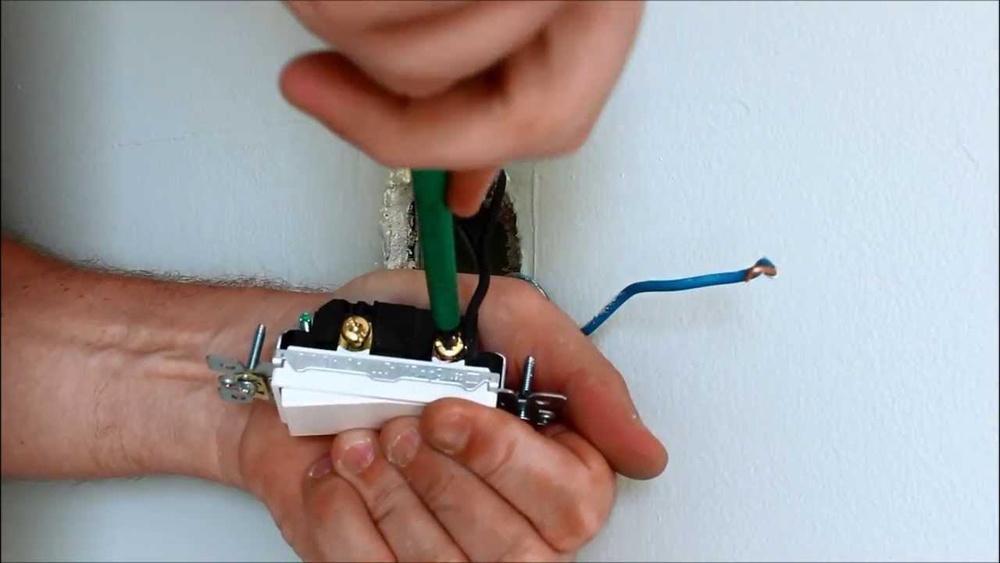
Note the wire positions or take a photo. Loosen the screws or disconnect the push-in wires. Carefully remove the wires from the switch. Avoid touching any wires together.
Identify Wires
Before assembling a light switch, identifying the wires is essential. This step ensures safety and proper connection. Wires inside walls carry electricity in different ways. Knowing which wire does what helps avoid mistakes and electric shocks.
Wires usually come in different colors. Each color has a specific role. Learning these roles makes the assembly process easier and faster. It also helps check if the wiring is correct or needs fixing.
Common Wire Colors And Their Roles
Black wires are usually “hot.” They carry electricity from the power source to the switch. White wires often act as “neutral.” They complete the electrical circuit by returning current. Green or bare copper wires are “ground.” They provide safety by directing electricity away during faults.
Tools To Identify Wires Safely
A voltage tester helps check if a wire is live. It shows if electricity flows through the wire. Wire strippers remove insulation carefully to expose copper. A screwdriver helps open switch covers or electrical boxes. Always use tools with insulated handles for protection.
Steps To Identify Wires In Your Wall
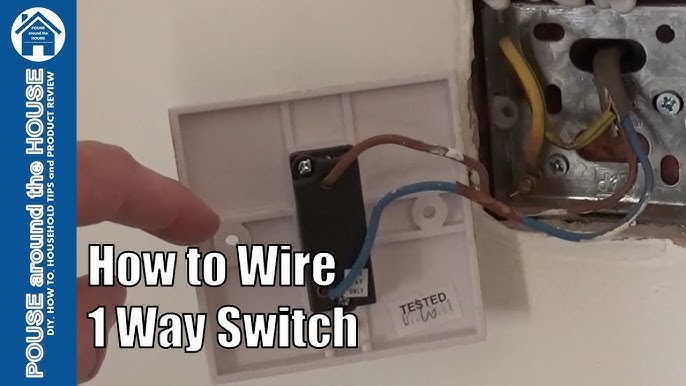
First, turn off power at the circuit breaker. Remove the switch cover with a screwdriver. Look inside to see the wires connected to the switch. Use a voltage tester to confirm which wire is hot. Label each wire with tape for easy recognition. Keep the neutral and ground wires separate from hot wires.
Credit: www.youtube.com
Connect Wires To New Switch
Connecting wires to a new light switch is a key step in the installation process. It ensures the switch works correctly and safely. Proper wire connection avoids electrical problems and keeps your home secure.
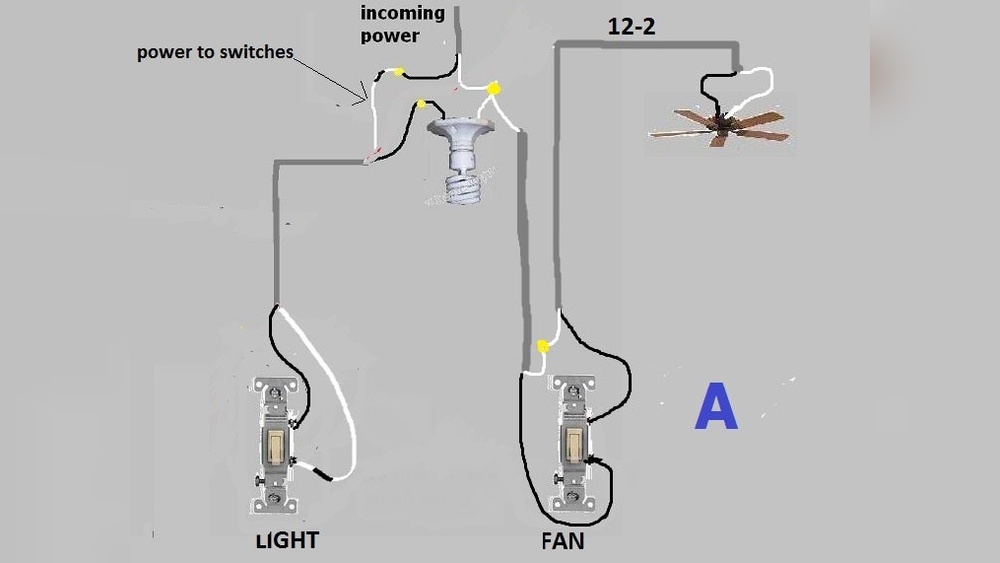
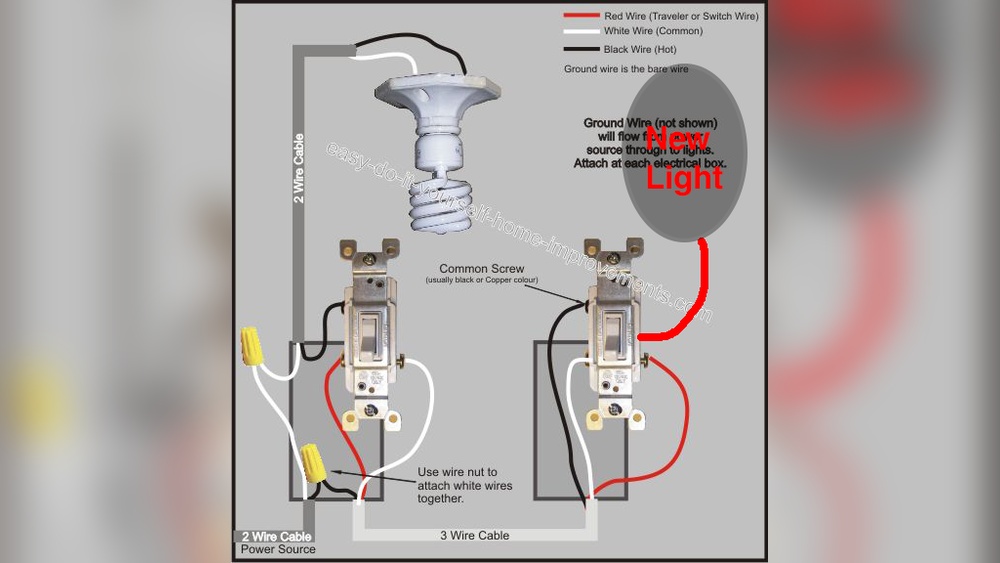
Before starting, identify each wire type. Usually, wires are black (live), white (neutral), and green or bare (ground). Knowing their roles helps make correct connections.
Switch off the circuit breaker to cut power. Use a voltage tester to confirm no current flows. Safety first. Never work on live wires.
Identify Wire Terminals
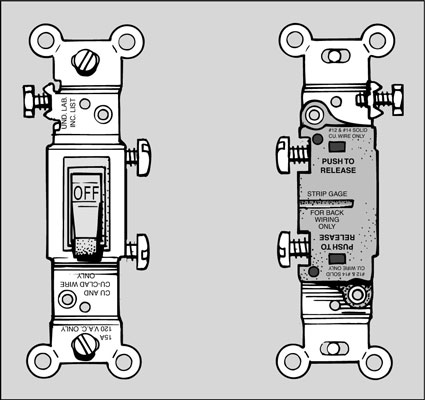
Check the new switch for labeled terminals. Common labels include “COM” for common, “L1” and “L2” for load wires, and a green screw for ground.
Connect Live Wire
Attach the black live wire to the “COM” terminal. Tighten the screw firmly. Loose wires cause sparks or failure.
Attach Load Wire
Connect the black or red load wire to the “L1” or “L2” terminal. This wire carries power to the light fixture.
Connect Ground Wire
Fasten the green or bare copper wire to the green grounding screw. Grounding prevents electrical shocks.
Secure Neutral Wire If Present
Some switches need a neutral wire connection. If yours does, attach the white neutral wire to the indicated terminal. Not all switches require this.
Double-check All Connections
Ensure all wires are tight and in the correct terminals. Tug gently on each wire to check security. Proper connections guarantee switch function.
Secure The Switch
Securing the light switch is a key step in the assembly process. It ensures the switch stays in place and works properly. A loose switch can cause problems like flickering lights or even electrical hazards.
Follow these simple steps to secure your light switch safely and firmly.
Prepare The Wall Box
Check the wall box to make sure it is clean and free of debris. A clear space helps the switch fit tightly. Remove any dust or small pieces inside.
Make sure the box is not damaged. A cracked or loose box can cause the switch to move.
Align The Switch
Place the switch inside the wall box carefully. Align the screw holes on the switch with the holes on the box. Proper alignment makes it easier to secure the switch.
Do not force the switch in. It should fit snugly without bending wires.
Tighten The Mounting Screws
Insert the mounting screws into the holes. Use a screwdriver to tighten them slowly. Tighten evenly to keep the switch level.
Do not over-tighten. This can crack the switch or wall plate. Tighten until the switch feels stable and does not move.
Test The Switch Stability
Gently wiggle the switch to check its firmness. It should not move or feel loose. A secure switch gives a safe and solid feel.
If the switch moves, loosen the screws and try tightening again. Make small adjustments for a perfect fit.

Credit: www.dummies.com
Attach Cover Plate
Secure the cover plate over the light switch to protect wiring and give a clean look. Tighten screws gently to avoid cracking the plate. This step finishes the switch assembly safely and neatly.
Prepare The Cover Plate
Start by choosing the right cover plate for your switch. Check its size and shape. Make sure it fits the switch and wall box perfectly. Clean the cover plate to remove dust or dirt. This helps it stay in place better.
Align The Cover Plate
Hold the cover plate over the switch. Line up the screw holes with the switch’s mounting holes. The plate should sit flat against the wall. Avoid forcing it. Proper alignment prevents damage and keeps it secure.
Screw The Cover Plate
Use a screwdriver to insert screws into the holes. Tighten screws gently. Too much force can crack the plate. Tighten until the plate feels snug and stable. The plate must not wiggle or shift.
Check The Final Fit
Look closely at the cover plate after installation. It should be even and flush with the wall. Press the switch to ensure it moves freely. No gaps or loose parts should remain. A perfect fit improves both safety and appearance.
Restore Power And Test
Restoring power and testing the light switch is the final step in assembly. This step ensures everything works safely and correctly. Testing prevents potential electrical issues and confirms your work.
Power must be restored carefully to avoid shocks. Testing confirms the switch controls the light as expected. Follow these simple steps to finish the job.
Turn The Circuit Breaker Back On
Locate your home’s electrical panel. Find the breaker you switched off earlier. Flip the breaker to the ON position. This restores electricity to the light switch circuit. Wait a few seconds for power to stabilize.
Test The Light Switch Functionality
Flip the switch up and down slowly. Check if the connected light turns on and off. Test the switch several times for consistency. If the light flickers or doesn’t respond, power off immediately. Recheck your wiring and connections.
Use A Voltage Tester For Extra Safety
Hold a voltage tester near the switch terminals. It should show voltage when the switch is ON. No voltage means an issue with wiring or power. Always use a voltage tester to confirm power presence. It adds an extra layer of safety.
Troubleshooting Tips
Troubleshooting a light switch assembly can seem tricky. Small mistakes can stop the switch from working. This guide helps find and fix common problems fast. Follow these tips to check your work and ensure safety.
Check The Power Supply
Make sure the power is off before starting. Use a voltage tester to confirm no electricity flows. If the tester shows power, turn off the correct breaker again. Safety first.
Verify Wire Connections
Loose or wrong wire connections cause many issues. Check each wire is tight on the correct terminal. Match wire colors: black or red for hot, white for neutral, green or bare for ground.
Inspect The Switch Itself
Sometimes the switch can be faulty. Try replacing it with a new one if nothing else works. A bad switch will not control the light properly.
Test The Light Fixture
The problem may be the light fixture, not the switch. Connect the fixture directly to power to see if it lights up. Replace bulbs or fixtures if needed.
Look For Damaged Wires
Damaged or frayed wires can cause shorts or no power. Carefully check wires for cuts or burns. Replace any damaged wires before reconnecting.
Use A Continuity Tester
A continuity tester helps check if the switch allows current to pass. Turn off power and test the switch terminals. No continuity means the switch is bad or broken inside.
Frequently Asked Questions
How Do I Safely Assemble A Light Switch?
Turn off the power at the circuit breaker before starting. Use a voltage tester to confirm no electricity flows. Follow the wiring diagram carefully, and connect wires securely. Tighten screws and ensure the switch fits well in the box. Safety is key throughout the process.
What Tools Are Needed To Assemble A Light Switch?
You will need a flathead screwdriver, Phillips screwdriver, wire stripper, voltage tester, and needle-nose pliers. These tools help strip wires, tighten screws, and check for live electricity. Having the right tools ensures a smooth, safe assembly of your light switch.
How Do I Identify The Wires For Light Switch Assembly?
Typically, black or red wires are live or “hot” wires. White wires are neutral, and green or bare copper wires are ground. Use a voltage tester to verify. Correctly identifying wires prevents electrical hazards and ensures your switch functions properly.
Can I Replace A Light Switch Without An Electrician?
Yes, if you follow safety precautions and have basic electrical knowledge. Turn off power, verify with a tester, and follow instructions carefully. If unsure, consulting a professional is safer. DIY replacement saves money but must be done cautiously.
Conclusion
Assembling a light switch is simple with clear steps. Always turn off the power before starting work. Follow instructions carefully to avoid mistakes and stay safe. Take your time and double-check connections. A properly installed switch improves home lighting and comfort.
Practice builds confidence and skill over time. You can handle small electrical tasks like this. Enjoy the satisfaction of doing it yourself.