Have you ever tried hanging something on your wall, only to find the screw won’t hold? That’s where wall anchors come in.
Using a screw with a wall anchor gives your items the support they need to stay secure. But if you’re not sure how to do it right, your efforts might end in frustration or even damage. In this guide, you’ll learn simple, step-by-step instructions to make sure your screws hold tight every time.
Keep reading, and you’ll gain the confidence to hang shelves, pictures, and more—without worry.
Choosing The Right Wall Anchor
Choosing the right wall anchor is key for a strong and safe hold. The right anchor keeps your screw secure and prevents damage to your wall. Understanding different anchors, wall types, and sizes makes the job easier and more effective.
Types Of Wall Anchors
There are many types of wall anchors. Plastic expansion anchors are common for light loads. They expand inside the wall to hold tight. Molly bolts are metal anchors that open behind the wall for strong grip. Toggle bolts use wings that open inside hollow walls. Each type fits different needs and wall conditions.
Matching Anchors To Wall Materials
Walls vary. Drywall, plaster, concrete, and brick all need specific anchors. Plastic anchors work well with drywall. Molly bolts suit plaster walls. Concrete and brick require heavy-duty anchors like sleeve anchors. Choosing the right anchor for your wall material ensures firm support.
Selecting The Correct Anchor Size
Anchor size matters. It must fit the screw and the load weight. A small anchor may fail under heavy weight. A large anchor may be hard to install. Measure the screw diameter and check the anchor packaging. Choose an anchor that matches both size and strength needs.

Credit: www.picturehangsolutions.com
Tools And Materials Needed
Using a screw with a wall anchor requires the right tools and materials. These help you work safely and get a strong hold in the wall. Preparing everything before starting makes the job easier and faster. Here are the key tools and materials you need.
Screwdriver And Drill
A screwdriver is essential to drive the screw into the wall anchor. Choose a screwdriver that fits the screw head well. A drill helps make the hole for the wall anchor. Use a drill bit that matches the size of the anchor. Drilling the hole first prevents damage and ensures a tight fit.
Measuring And Marking Tools
Measure the wall carefully to place the anchor in the right spot. A tape measure or ruler works best. Mark the spot with a pencil or marker. Accurate measuring and marking keep your installation straight and balanced. This prevents mistakes and saves time.
Safety Equipment
Safety is important during this task. Wear safety glasses to protect your eyes from dust and debris. Gloves protect your hands from sharp edges and rough surfaces. Take care to avoid injury while drilling and handling tools.
Preparing The Wall
Preparing the wall correctly is key to a strong hold when using a screw with a wall anchor. Taking time to prepare ensures the anchor fits well and supports the weight. This step helps avoid damage and keeps your item secure.
Locating Studs And Measuring
Start by finding the wall studs. Studs provide extra support for heavy items. Use a stud finder or tap the wall to hear solid spots. Measure the distance between studs to plan your anchor placement. This helps decide where to drill for best support.
Marking The Drill Spot
Mark the spot where you will drill the hole. Use a pencil to make a small dot. Check the mark twice to be sure of the position. Proper marking prevents mistakes and keeps the anchor straight.
Drilling The Pilot Hole
Choose a drill bit size that matches the wall anchor. Drill a pilot hole at the marked spot. Drill slowly and straight to avoid cracking the wall. Stop once the hole is deep enough for the anchor. This step makes it easier to insert the anchor cleanly.
Credit: www.bobvila.com
Installing The Wall Anchor
Installing a wall anchor is a key step for strong support in drywall or hollow walls. It helps hold screws firmly without damage. Follow clear steps for each anchor type to ensure safety and durability.
Inserting Plastic Anchors
First, choose the right size drill bit for the anchor. Drill a hole gently into the wall. Push the plastic anchor into the hole until it is flush with the wall surface. Tap lightly with a hammer if needed. Avoid forcing the anchor to prevent wall damage.
Using Toggle Bolts
Drill a hole wide enough for the toggle wings to pass through. Thread the screw through the item you want to hang. Screw the toggle bolt onto the screw, folding the wings flat. Push the folded toggle through the hole. Once inside, the wings open to grip the wall.
Securing Metal Anchors
Start by drilling a pilot hole for the metal anchor size. Insert the metal anchor into the hole. Use a screwdriver to turn the screw slowly. The anchor expands inside the wall for a firm grip. Tighten the screw but avoid over-tightening to prevent damage.
Inserting The Screw
Inserting the screw into a wall anchor is a key step for a strong hold. This process ensures that your item stays secure on the wall. Pay attention to the screw size and how tightly it fits inside the anchor. Proper insertion helps avoid damage and keeps the anchor stable.
Choosing The Right Screw Length
Select a screw that matches the anchor size. The screw should be long enough to go deep into the anchor. It must also leave some length to hold your item firmly. Using a screw that is too short or too long can weaken the grip.
Driving The Screw Into The Anchor
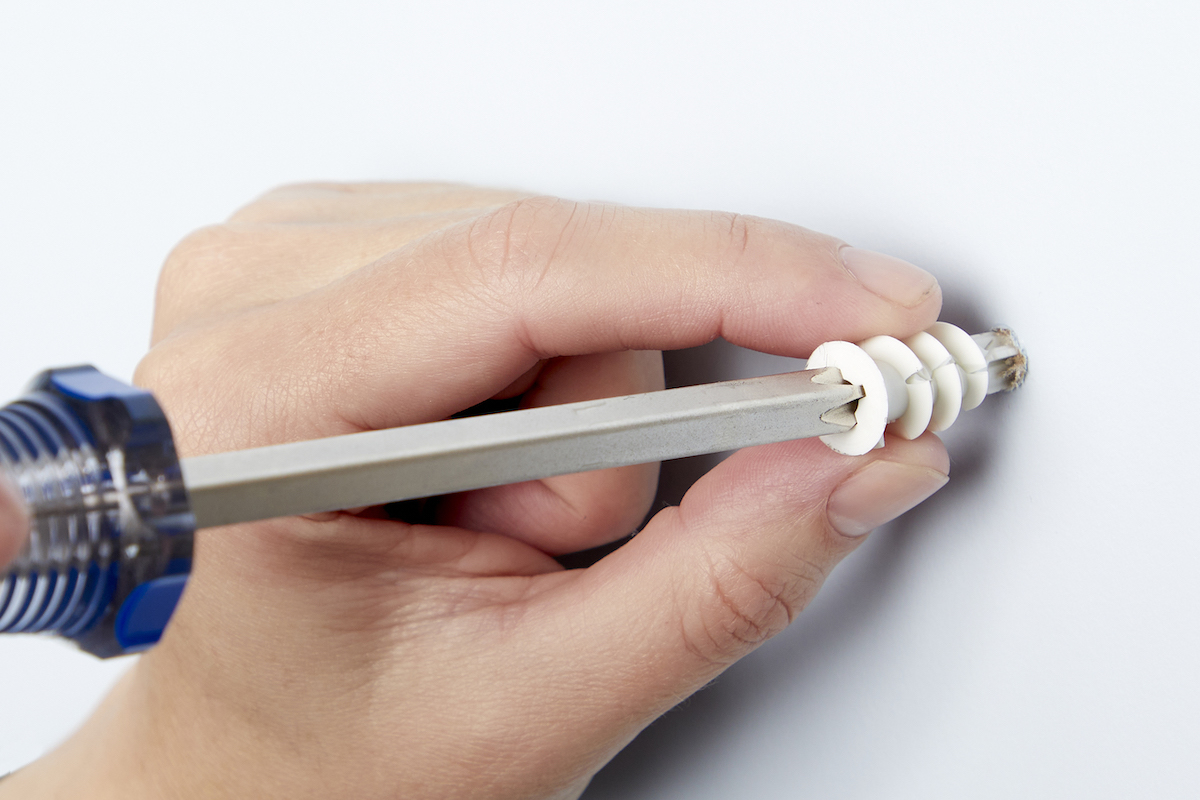
Start by placing the screw tip into the anchor’s center. Use a screwdriver or drill to turn the screw slowly. Avoid forcing it too fast, which might break the anchor or strip the hole. Keep steady pressure until the screw moves smoothly inside.
Ensuring A Tight Fit
Stop turning once the screw feels snug and tight. The screw head should sit flush with the surface or slightly above. Check that the anchor does not spin or move. A tight fit means the anchor and screw work together to hold weight well.
Testing The Support
Testing the support of a screw with a wall anchor is crucial for safety and durability. This step ensures the screw holds firmly and the object stays secure. Without proper testing, the screw may loosen or fall, causing damage or injury.
Follow simple checks to confirm the stability of your installation. Small adjustments can solve common problems. Knowing when to replace anchors saves time and effort.
Checking Stability
Gently pull on the mounted object. It should not move or wiggle. Test with light pressure first. Increase force slowly to see if the screw stays tight. Use your hand or a tool for this test. If the screw feels loose, do not hang heavy items yet.
Troubleshooting Loose Screws
Loose screws often mean the anchor is not gripping the wall. Try tightening the screw a little more. Avoid over-tightening to prevent damage. If tightening fails, remove the screw and anchor. Check the hole size; it may be too big. Use a larger anchor or a different type for better hold.
When To Replace Anchors
Replace anchors if the screw keeps loosening repeatedly. Damaged or cracked anchors cannot hold weight safely. Also, change anchors if the wall material is soft or crumbly. Using fresh anchors ensures a strong, stable hold. Always use the right anchor for the wall type.
:max_bytes(150000):strip_icc()/how-to-use-and-discard-anchor-screws-1822671-002-04-4963da18c2674e6bbf07e5fc07d5b4f0.jpg)
Credit: www.thespruce.com
Frequently Asked Questions
What Is The Purpose Of A Wall Anchor?
A wall anchor provides extra support for screws in drywall or hollow walls. It prevents screws from pulling out easily. Anchors distribute weight and hold objects securely on walls.
How Do You Install A Screw With A Wall Anchor?
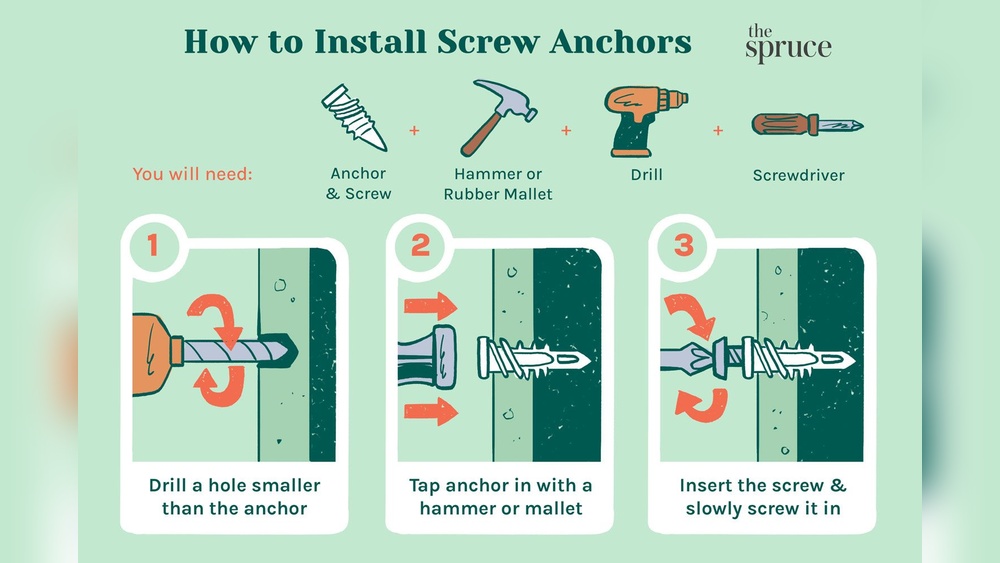
First, drill a hole matching the anchor size. Insert the anchor into the hole. Then, drive the screw into the anchor until tight. Avoid overtightening to prevent damage.
Which Types Of Wall Anchors Work Best For Screws?
Plastic expansion anchors are common for light loads. Metal anchors suit heavier items. Choose anchors based on wall material and item weight for best results.
Can I Remove A Screw And Wall Anchor Safely?
Yes, unscrew the screw carefully. Some anchors come out with the screw, others stay in. For plastic anchors, push or pull gently to remove without wall damage.
Conclusion
Using a screw with a wall anchor makes hanging items secure. Start by drilling the right hole size. Insert the anchor firmly into the wall. Then, drive the screw into the anchor carefully. This method holds heavy objects safely on drywall or plaster.
It prevents damage and keeps things stable. Practice these steps to feel confident and get good results. Small efforts lead to strong, lasting support. Try it on your next project for better wall mounting. Simple, clear, and effective every time.